
Kimironko Market: A Shopper’s Guide to Kigali’s Busiest Market
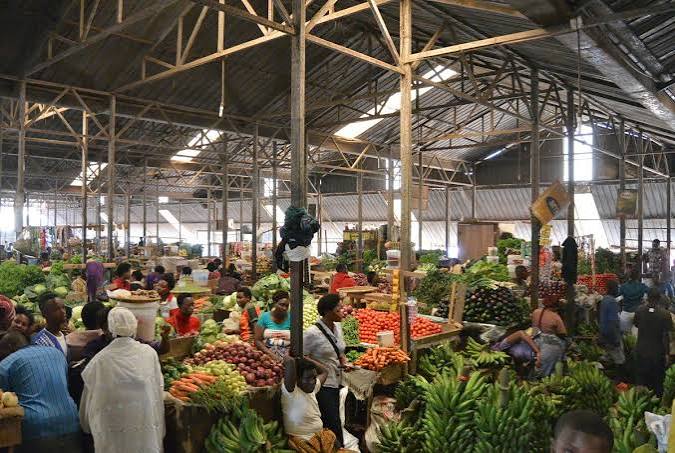
Kimironko Market is where Kigali actually shops, not the curated craft stalls built for tourists but the sprawling, genuinely busy market where locals from across the city come for produce, fabric, fish and everyday household goods. It’s Kigali’s largest market by a clear margin, and navigating it well rewards a bit of preparation and a genuine willingness to bargain.
Key Highlights
- Kigali’s largest and busiest market, located in the Kimironko neighbourhood
- Produce sourced not just from Rwanda but from Uganda, Kenya and the Democratic Republic of Congo as well
- One entrance leads into the vibrant kitenge fabric section, the other into the meat and fish trading area
- No fixed prices anywhere in the market, everything is a negotiation
- Buying multiple items from a single vendor often unlocks a better overall deal
- First-time visitors benefit genuinely from a guide, given the market’s real size and layout complexity
A Market Built for Locals, Not Tourists
Unlike Kigali’s more visitor-oriented craft markets, Kimironko exists first and foremost to serve the city’s own residents, which is precisely what makes it worth visiting: this is where genuine daily commerce happens, fruit and vegetables, fresh fish and meat, fabric, clothing, shoes and general household necessities, all traded at prices considerably lower than tourist-oriented shops elsewhere in the city. Vendors here source produce not just locally but from across the wider region, Uganda, Kenya and the Democratic Republic of Congo all supply goods that end up on Kimironko’s stalls, reflecting Kigali’s role as a genuine regional trading hub.
Navigating the Layout
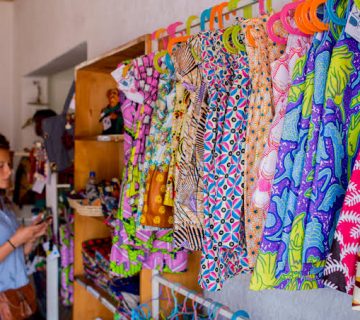
The market’s two main entrances lead into distinctly different sections: one side opens directly into the market’s vibrant kitenge fabric area, rolls of brightly patterned cloth stacked and displayed by dozens of competing vendors, while the other leads into the butchers’ and fishmongers’ section, where meat and freshwater fish from Rwanda’s lakes are traded amid the market’s most intense, sensory-heavy activity. Between these two anchors, produce stalls, household goods and general merchandise fill out the market’s considerable remaining footprint.
Why a Guide Genuinely Helps
Kimironko’s real scale, effectively the largest market in the city, makes it a genuinely challenging place to navigate confidently on a first visit without local help, and hiring a guide, whether informally on arrival or through a hotel or tour operator in advance, meaningfully improves the experience for most first-time visitors. Beyond simple navigation, a guide can also help mediate the bargaining process, ensuring you’re negotiating from a fair starting point rather than an inflated tourist price.
The Art of Bargaining
Nothing in Kimironko carries a fixed, marked price, every purchase is a negotiation, which can feel unfamiliar or even uncomfortable for visitors used to fixed-price retail environments but is simply the normal, expected mode of commerce here. Staying patient, calm and good-humoured throughout the process tends to produce better outcomes than rushing or showing frustration, and vendors generally respond well to buyers who engage genuinely rather than treating the exchange as purely transactional.
Buying in Bulk for Better Deals
Purchasing multiple items from the same vendor, rather than single pieces spread across many different stalls, often unlocks a meaningfully better overall price, since vendors are generally more willing to offer a discount on a larger combined purchase than on any single small item. This is worth keeping in mind if you’re shopping for fabric or produce specifically, where buying a fuller quantity from one trusted stall can work out considerably better than shopping around piece by piece.
What to Actually Buy
Kitenge fabric stands out as one of Kimironko’s most popular purchases for visitors, vibrant, patterned cloth that can be taken home as-is or tailored locally into clothing before departure. Fresh produce, while genuinely excellent value, is obviously less practical for international visitors to carry home, making it more of an interesting cultural observation than a realistic souvenir purchase for most travellers passing through.
A Sensory Introduction to Everyday Kigali
Beyond the practical shopping opportunity, Kimironko offers a genuinely immersive sensory experience that Kigali’s more polished, tourism-oriented attractions simply can’t replicate — the calls of vendors advertising their goods, the mingled smells of fresh produce, spices and grilling food from nearby stalls, and the sheer visual density of colour from stacked kitenge fabric and piled fruit and vegetables. For travellers whose itinerary otherwise centres heavily on wildlife and curated cultural sites, an hour spent simply absorbing this atmosphere, even without buying much, offers a genuinely different, more unfiltered view of daily Kigali life.
Meeting Vendors Who Know Their Trade
Many of Kimironko’s vendors have worked their specific stalls for years, building genuine expertise in their particular goods, whether that’s identifying the best cuts of fish, sourcing the most vibrant fabric patterns, or knowing exactly which produce suppliers deliver the freshest goods on any given morning. Engaging vendors in conversation about their trade, rather than treating the visit as a purely transactional shopping trip, often produces the most memorable interactions of the whole market experience.
The Market’s Role in Kigali’s Food Supply Chain
Kimironko functions as a genuine wholesale and retail hub for much of Kigali, meaning the produce, fish and goods traded here don’t simply serve individual household shoppers but also supply smaller neighbourhood shops and market stalls across the wider city. Understanding this dual role helps explain the market’s sheer scale and its early-morning intensity, when wholesale buyers arrive to stock their own smaller retail operations before the general public shopping rush begins later in the day.
Seasonal Produce Worth Watching For
Given the market’s regional supply network, seasonal produce from across Rwanda and neighbouring countries cycles through Kimironko’s stalls throughout the year, meaning a visit in one season can turn up genuinely different fruit and vegetable varieties than a visit at another time. Asking vendors what’s currently in peak season, rather than sticking to a fixed shopping list, often turns up the freshest and most genuinely interesting produce on any given visit.
Planning Your Visit
Best Time to Go
Morning visits generally offer the freshest produce selection and a slightly less overwhelming crowd level than peak afternoon hours, when the market reaches its busiest, most crowded state as local shoppers finish work and errands for the day.
Practical Tips
Bring small denominations of cash, since making change for larger notes can be genuinely difficult for smaller vendors, and keep valuables secure and minimal given the market’s dense, crowded conditions, standard precautions for any busy market environment rather than a specific concern unique to Kimironko.
Comparing Kimironko to Kigali’s Other Markets
Kigali has several other markets and shopping areas, but Kimironko stands apart specifically for its scale and its genuine role as the city’s primary trading hub, drawing shoppers from across Kigali rather than serving a single neighbourhood’s needs. Smaller local markets elsewhere in the city offer a similar but more compact experience, while dedicated craft markets built specifically for tourists trade Kimironko’s rock-bottom local prices and negotiation culture for fixed pricing and a more curated, English-speaking sales experience. Understanding this distinction helps set the right expectations: Kimironko rewards visitors genuinely interested in an authentic local shopping experience over pure convenience.
Market Etiquette Beyond Bargaining
Beyond the negotiation itself, small courtesies go a long way at Kimironko: greeting a vendor before launching directly into price discussion, showing genuine interest in what you’re buying rather than treating the interaction as purely transactional, and accepting that a vendor declining to go lower than a certain price is a normal, legitimate part of the exchange rather than an insult to push back against further. Rushed, impatient bargaining tends to produce worse outcomes and a less pleasant experience for everyone involved than a patient, good-natured approach.
Handling Crowds and Navigation Confidently
Even with a guide, Kimironko’s density and constant activity can feel genuinely overwhelming on a first visit, and pausing periodically to simply observe rather than continuously moving and shopping helps prevent the sensory overload that catches many first-time visitors off guard. Building in slightly more time than you think you’ll need, rather than rushing through on a tight schedule, makes for a considerably more enjoyable visit overall.
Frequently Asked Questions
Is Kimironko Market safe to visit?
Yes, generally, though standard market precautions around valuables and crowd awareness apply here as they would at any busy, dense trading environment anywhere in the world.
How long should I budget for a visit?
An hour to ninety minutes covers a reasonable exploration for most visitors, though serious shoppers hunting for specific fabric or goods may want to budget longer.
Can I pay by card, or is it cash only?
Cash is the standard and expected payment method throughout the market; don’t rely on card payment being available at individual stalls.
Is it appropriate to photograph vendors and the market itself?
Ask before photographing individual vendors directly, as a courtesy, though general market scenes are typically fine to photograph without specific permission.
Should I get fabric tailored locally, or just buy the raw cloth?
Both are genuinely viable options — buying raw kitenge fabric to take home gives you flexibility, while several tailors work near or within Kimironko itself and can turn fabric into finished clothing within a day or two if your schedule allows the time.
Recommended Safaris
Kimironko Market pairs naturally with an evening exploring Kigali’s nightlife scene in the same general part of the city. Ready to build a Kimironko Market visit into your own Kigali stay, with a guide who can help you navigate and negotiate? Reach our team through our Book Now page and we’ll plan it around your dates.





No comment