

Why Do Male Lions Leave Their Pride?
Young male lions get forced out of their birth pride around two to four years of age, expelled by the dominant male protecting his own breeding position, beginning a difficult multi-year period of nomadic survival that most young males spend forming coalitions with other displaced males before eventually attempting to claim a pride of their own, if they survive that long.
Why the Dominant Male Drives Out His Own Maturing Sons
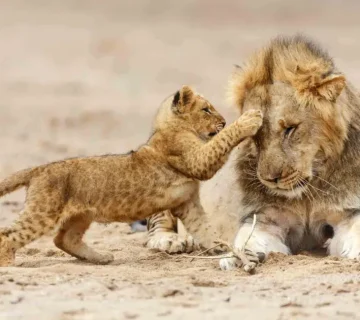
As young males approach sexual maturity, signalled by developing mane growth and increasing size, the pride’s dominant male perceives them as reproductive competition and territorial threats, and rather than risk future conflict, he drives them out of the pride, a behaviour that applies even to his own biological offspring without exception.
This expulsion happens gradually rather than as a single dramatic event, with young males typically drifting toward the pride’s periphery over several months as tension with the dominant male builds, before eventually departing entirely once the pressure becomes unsustainable, a considerably more gradual, drawn-out process than the single, dramatic term “expulsion” might otherwise suggest to someone unfamiliar with actual pride dynamics.
How Expelled Males Form Coalitions to Survive the Nomadic Period
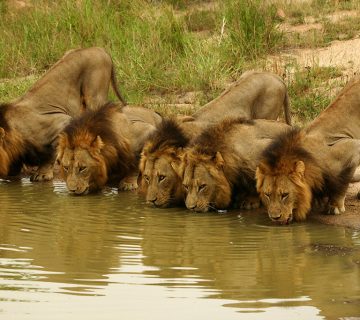
Young males forced from their pride face considerably higher mortality risk while nomadic, lacking the pride’s cooperative hunting and defensive support, and this pressure drives most expelled males to form coalitions, typically two to four males, often brothers or cousins from the same birth pride, that hunt and travel together for mutual protection and improved hunting success.
These coalitions remain together for years, sometimes for life, and the bond formed during this shared nomadic hardship underlies some of the strongest cooperative relationships documented in the entire species, a genuine parallel to how elephant family groups build long-term social bonds, though through an entirely different social structure.
Why Coalition Size Determines Long-Term Reproductive Success
Larger coalitions hold pride takeover attempts considerably more often than solo males or pairs, since successfully challenging and displacing an established pride’s resident male, or males, requires enough combined strength to win a direct physical confrontation, meaning a male’s genuine long-term reproductive prospects depend heavily on the coalition he manages to join or form during this vulnerable early period.
Researchers studying long-term pride dynamics have documented coalitions of four or five males holding territory considerably longer than pairs, and larger coalitions also tend to sire more surviving offspring overall, since more males can simultaneously guard cubs and patrol territory while others rest or hunt, a genuine division of labour that smaller coalitions simply cannot sustain as effectively over time.
How Nomadic Males Survive Without Pride Support
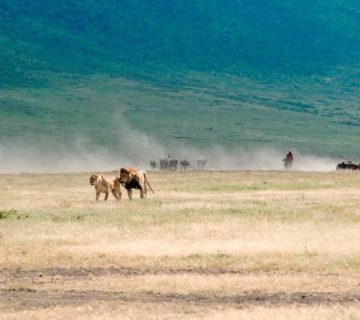
During the nomadic period, coalition males rely on opportunistic hunting, scavenging, and covering considerably larger territories than an established pride male would need to, since they lack the pride’s cooperative female hunters and must fend entirely for themselves while also avoiding confrontation with established prides defending their own territory.
Nomadic males hunt considerably more often as a pair or small group than adult females typically do within an established pride, targeting prey suited to a smaller hunting party, and this shift in hunting strategy reflects the different resources and risks nomadic males face compared to the cooperative hunting units a mature pride maintains.
Why Takeover Attempts Represent the Most Dangerous Moment in a Male Lion’s Life
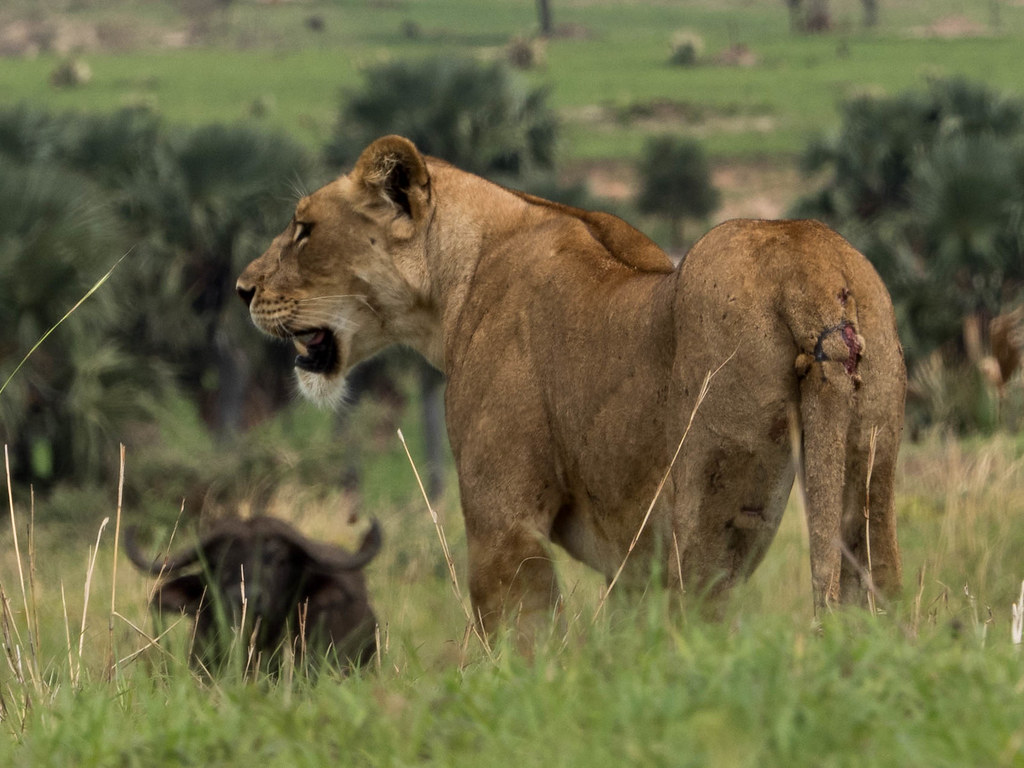
When a coalition attempts to take over an established pride, the resulting confrontation with the resident male or males risks serious injury or death for both sides, and this single moment represents one of the highest-risk events in a male lion’s entire life, considerably more dangerous than routine hunting or territorial patrol. This is part of why mane size and condition matters so much, since it signals fighting ability to rivals before any physical confrontation begins.
Successful takeovers trigger a further violent consequence, since incoming males typically kill existing cubs sired by the previous male, a brutal behaviour that brings females back into oestrus considerably sooner, allowing the new males to begin siring their own offspring without the delay a nursing female would otherwise impose.
Females resist this infanticide where possible, sometimes hiding cubs, forming defensive groups, or even temporarily leaving the pride with vulnerable young, though these countermeasures succeed only some of the time given the considerable size and strength disadvantage females face against a determined, motivated new coalition.
How Long Successful Coalitions Hold a Pride Before Being Displaced in Turn
Even a successful coalition holds its pride for a limited period, typically two to four years on average, before a new generation of younger, stronger males eventually challenges and displaces them in turn, meaning the entire cycle repeats continuously across a pride’s territory over successive generations. Female pride members, by contrast, remain with their birth pride for life, a stark structural asymmetry our guide on how lions recognise their own cubs touches on regarding the pride’s stable female core.
Why This Cycle Maintains Genetic Diversity Within Lion Populations
This continuous cycle of male expulsion, coalition formation, and eventual takeover prevents extended inbreeding within a single pride’s lineage, since incoming males are unrelated to the resident females, meaning the harsh, violent dynamic researchers document serves an important genetic diversity function across the wider population. This same genetic-diversity principle underlies why lions live in prides while tigers don’t, a fundamentally different social structure shaped by different ecological pressures.
Where to Observe Lion Pride Dynamics in East Africa
Tanzania’s Serengeti and Kenya’s Masai Mara both host extensively studied lion populations where researchers have documented coalition formation and pride takeovers across multiple generations, giving visitors genuine opportunities to observe both resident prides and nomadic coalition males within the same broader ecosystem.
These long-running research programmes mean individual lions in both ecosystems are often already known to researchers and experienced guides, sometimes tracked across years or even decades, giving knowledgeable guides genuine insight into a specific pride or coalition’s recent history beyond what a single sighting alone could reveal.
Best Time of Year for Lion Viewing
Lions remain visible year-round given their generally stable territorial residency patterns, though dry season months concentrate prey, and therefore lions themselves, more predictably around remaining water sources. See our regional best-time guide for how these seasonal patterns affect wider trip planning.
Photographing Male Lion Coalitions
Capturing a nomadic coalition, a rarer sighting than an established pride, rewards photographers who recognise the visual cues, males travelling together without females or cubs, often in leaner physical condition than well-fed resident pride males. See our camera gear guide for lens recommendations suited to this kind of wildlife photography.
Why Guides Value Explaining Pride Dynamics to Visitors
Given how dramatic and consequential this cycle is to a male lion’s entire life story, experienced guides value explaining coalition formation and takeover dynamics during a sighting, turning what might otherwise read as simple, passive pride viewing into a deeper understanding of the social forces shaping every single lion encounter.
What to Pack for Lion-Focused Game Drives
Beyond standard safari essentials, binoculars reward patient lion-watching, letting visitors distinguish coalition males from resident pride members based on condition, scarring, and group composition from a respectful distance. A notebook for tracking individual identifying features, mane colour and fullness, scars, ear notches, helps visitors follow the same coalition or pride across multiple sightings during a longer safari.
Combining Lion Observation With a Wider Big Five Circuit
Lion-focused game drives pair naturally with a wider Big Five safari circuit, and parks with well-documented pride dynamics often also reward strong sightings of the region’s other iconic species, including the buffalo herds our guide on defensive circle formations covers, within the same itinerary.
Frequently Asked Questions
At what age are male lions forced out of the pride?
Typically around two to four years old, as they approach sexual maturity and become reproductive competition.
Why do young male lions form coalitions?
Coalitions improve hunting success and survival odds during the dangerous nomadic period before a pride takeover.
How long do male lions hold a pride once they take one over?
Typically two to four years on average before a new, stronger coalition eventually displaces them.
Do new pride males kill existing cubs?
Yes – this brings females back into oestrus sooner, allowing the new males to sire their own offspring.
Does this cycle serve any genetic purpose?
Yes – it prevents extended inbreeding by continuously introducing unrelated males into each pride’s lineage.
Ready to Plan Your Tanzania Safari?
Whether observing lion pride dynamics, photographing the Big Five, or planning a wider wildlife circuit is your priority, our team can build a trip matched to your interests. Get in touch with our team below today and let’s start planning your complete Tanzania safari itinerary together.


No comment