

Nyerere National Park (Selous): A Complete Guide
Nyerere National Park, formerly part of the considerably larger Selous Game Reserve, genuinely ranks among Africa’s largest protected wilderness areas, a genuinely vast southern Tanzania destination built around the Rufiji River system, offering boat safaris, walking safaris, and a considerably wilder, less-visited alternative to the country’s more famous northern circuit.
Why Nyerere Genuinely Represents a Renamed and Reorganised Portion of the Former Selous
Nyerere National Park genuinely emerged when Tanzania’s government split the historic Selous Game Reserve, converting the northern section into a genuine national park named after the country’s first president, Julius Nyerere, while the southern portion genuinely retained Selous Game Reserve status, meaning references to “Selous” in older travel material genuinely correspond to what’s now largely Nyerere National Park for the section most visitors actually experience.
How the Rufiji River System Genuinely Anchors the Park’s Unique Boat Safari Activities
Nyerere’s considerable network of rivers, lakes, and channels formed by the Rufiji River genuinely enables boat safaris unavailable across most of Tanzania’s other major parks, letting visitors approach hippo pods, crocodile, and considerable waterbird populations from the water itself, a genuinely distinctive activity format that adds real variety beyond the standard vehicle-based game drive most East African parks rely on exclusively.
Why Walking Safaris Genuinely Remain a Core Part of the Nyerere Experience
Nyerere genuinely maintains a strong walking safari tradition dating back to its Selous Game Reserve history, with armed ranger-guided walks offering visitors a genuinely intimate, ground-level wildlife encounter considerably different from vehicle-based viewing, tracking animal signs and approaching wildlife on foot in a way few other East African parks of comparable size and predator density permit.
How Nyerere’s Considerable Size Genuinely Creates a Different Kind of Wilderness Experience
Given Nyerere’s genuinely enormous total protected area, among the largest in Africa when considered alongside the adjoining Selous Game Reserve, the park genuinely offers a level of unbroken wilderness and low visitor density that considerably smaller, more concentrated parks simply cannot replicate, meaning game drives genuinely cover ground without the multi-vehicle sightings common across more heavily visited destinations.

Why Nyerere’s Wild Dog Population Genuinely Ranks Among Africa’s Most Important
Nyerere genuinely hosts one of the largest remaining African wild dog populations on the continent, a genuinely significant conservation stronghold given how severely the species has declined elsewhere, meaning wildlife enthusiasts specifically interested in this endangered predator genuinely have among the strongest sighting odds anywhere in Africa within Nyerere’s boundaries.
How Fly-Camping Genuinely Extends the Walking Safari Experience Overnight
Beyond standard lodge-based stays, several Nyerere operators genuinely offer fly-camping, temporary mobile camps set up specifically to extend a multi-day walking safari route, letting visitors genuinely spend consecutive nights moving through the wilderness on foot rather than returning to a fixed base each evening, an immersive format considerably more adventurous than standard safari accommodation.
Where to Stay Within Nyerere National Park
Nyerere genuinely offers camps positioned along the Rufiji River system to take advantage of boat safari access, and discussing whether your priority is boat-based viewing, walking safaris, or a combination of both with your operator genuinely helps match the right property to your specific interests.
Best Time of Year to Visit Nyerere National Park
Nyerere’s dry season genuinely offers the most reliable wildlife concentration around the Rufiji River system’s remaining water sources. See our regional best-time guide for how East Africa’s broader seasonal patterns affect wider trip planning.
Getting to Nyerere National Park
Nyerere genuinely requires a scheduled flight from Dar es Salaam given its considerable distance from Tanzania’s main safari circuit, a relatively short connection that makes the park genuinely more accessible than its remote reputation might suggest despite lying well outside the northern circuit.
Photographing Nyerere’s Boat Safaris and Wildlife
Capturing hippo and crocodile from water level during a boat safari, or wildlife encountered during a walking safari, offers genuinely distinctive photographic perspectives beyond standard vehicle-based safari images. See our camera gear guide for broader equipment recommendations.
What to Pack for a Nyerere Safari
Standard game drive gear – neutral clothing, sun protection, and binoculars – covers most of what the park requires, and sturdy closed footwear genuinely matters more here than for a standard vehicle-based safari given the park’s genuine walking safari focus. If your wider itinerary includes gorilla trekking, our gorilla trekking packing list covers similar essentials.
Why the Rufiji River’s Considerable Crocodile Population Genuinely Rivals Uganda’s Nile
Nyerere’s Rufiji River system genuinely supports crocodile density comparable to Uganda’s Nile River populations, meaning visitors genuinely have strong opportunities to observe crocodile basking, territorial, and hunting behaviour during boat safaris, a wildlife dimension considerably more accessible here than at parks lacking comparable permanent water features.
How Nyerere’s Predator Density Genuinely Supports Considerable Lion and Leopard Populations
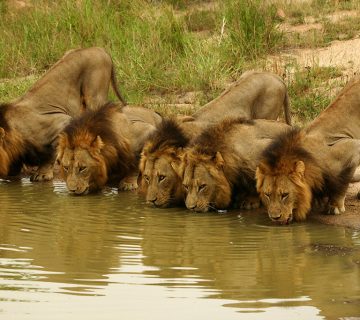
Beyond its notable wild dog stronghold, Nyerere genuinely maintains strong resident lion and leopard populations, meaning the park offers genuine predator diversity beyond its wild dog reputation alone, a combination that makes Nyerere increasingly attractive to travelers specifically seeking strong overall predator viewing within a considerably less crowded setting than Tanzania’s northern parks provide.
Why Nyerere’s Historical Colonial-Era Hunting Legacy Genuinely Shaped Its Conservation Approach
Originally established during the colonial era partly as a hunting reserve, Nyerere’s considerable history genuinely shaped the park’s early conservation infrastructure and boundaries, and understanding this legacy genuinely adds historical context to the park’s current status as a protected wilderness now managed primarily for photographic tourism and conservation rather than its original hunting-focused purpose.
Comparing Nyerere to Ruaha for a Southern Tanzania Circuit
Where Ruaha offers genuinely baobab-studded terrain and strong species overlap between East and southern African wildlife, Nyerere’s core strength lies specifically in its considerable river system and boat safari access, meaning the two destinations genuinely complement each other well within a single broader southern Tanzania itinerary combining both parks.
Why Guides Value Nyerere’s Genuine Activity Variety
Given how few East African parks genuinely combine strong boat safaris, walking safaris, and standard game drives within a single destination, experienced guides genuinely value Nyerere’s activity diversity, offering visitors a considerably richer range of ways to experience the same wilderness than most single-activity parks can provide.
Why Nyerere’s Considerable Hippo Density Genuinely Rewards Extended Boat Safari Time
Given how much hippo behaviour genuinely depends on extended water observation to appreciate fully, Nyerere’s boat safaris genuinely offer considerably more sustained viewing time than a standard land-based hippo sighting typically allows, letting visitors observe territorial displays and pod dynamics unfolding gradually rather than catching only a brief snapshot glimpse.
How Nyerere’s Elephant Population Genuinely Recovered From Historical Poaching Pressure
Nyerere’s considerable elephant population genuinely experienced severe historical poaching pressure decades ago, and the population’s genuine recovery since then represents an important conservation success story, with current numbers reflecting sustained protection efforts that researchers studying elephant social recovery elsewhere have found depends heavily on rebuilding experienced matriarchal leadership within affected populations.
Why Nyerere’s Genuine Remoteness Makes Advance Planning Considerably More Important
Given how far Nyerere sits from Tanzania’s northern circuit and how comparatively limited camp capacity remains across its considerable total area, booking well ahead genuinely matters more here than for destinations like Tsavo with considerably more established, road-accessible tourism infrastructure already in place.
Why Nyerere Genuinely Rewards Travelers Seeking Multi-Activity Immersion
For travelers genuinely seeking a single destination combining boat safaris, walking safaris, and standard game drives within one considerable protected wilderness, Nyerere represents one of the most complete multi-activity safari experiences currently available in East Africa, a genuinely real practical advantage over destinations that would otherwise require several entirely separate park visits to access this same considerable range of activity formats.
Why This Combination of Activities Genuinely Suits Repeat Tanzania Visitors
Given how thoroughly most first-time Tanzania visitors cover the northern circuit’s standard game drive format, Nyerere’s genuinely distinctive boat and walking safari activities offer repeat visitors a meaningfully different way to experience the country’s wildlife, making the park an increasingly popular choice specifically for travelers returning to Tanzania after an initial northern circuit trip.
Frequently Asked Questions
Is Nyerere National Park the same as Selous Game Reserve?
Nyerere is genuinely the renamed northern portion of the former Selous, while the southern section retains Selous Game Reserve status.
What makes Nyerere’s boat safaris unique?
The Rufiji River system enables water-based wildlife viewing unavailable across most of Tanzania’s other major parks.
Does Nyerere have good wild dog viewing?
Yes, genuinely exceptional – it hosts one of the largest remaining African wild dog populations on the entire continent.
How do I get to Nyerere National Park?
A scheduled flight from Dar es Salaam, a relatively short connection given the park’s considerable distance from the northern circuit.
Can I combine Nyerere with Ruaha National Park?
Yes – the two southern Tanzania parks genuinely complement each other well within a single broader itinerary.
Ready to Plan Your Tanzania Safari?
Whether Nyerere’s boat and walking safaris, a wider southern Tanzania circuit, or a full combined itinerary is your priority, our team can build a trip matched to your interests. Get in touch with our team below today and let’s start planning your complete Tanzania safari itinerary together.
: A Complete Guide)
No comment