


Why Do Hippos Fight Each Other?
Hippos genuinely fight each other primarily over territorial control of specific stretches of water and access to breeding females, with dominant bulls defending a pool or channel section through ritualised open-mouth displays that frequently escalate into genuinely serious, sometimes fatal physical combat using their considerable tusks and raw body weight.
Why Water Territory Genuinely Matters Enough to Fight Over
Because hippos depend on water for survival throughout the hottest daylight hours, controlling a genuinely favourable stretch of deep, reliable water becomes a critical resource worth defending, particularly during dry season when available water shrinks considerably and competition for the remaining pools intensifies, meaning territorial disputes genuinely peak specifically when water scarcity forces multiple bulls into closer proximity than the wider wet-season landscape would otherwise require.
How the Open-Mouth Display Genuinely Functions as a Warning Before Combat
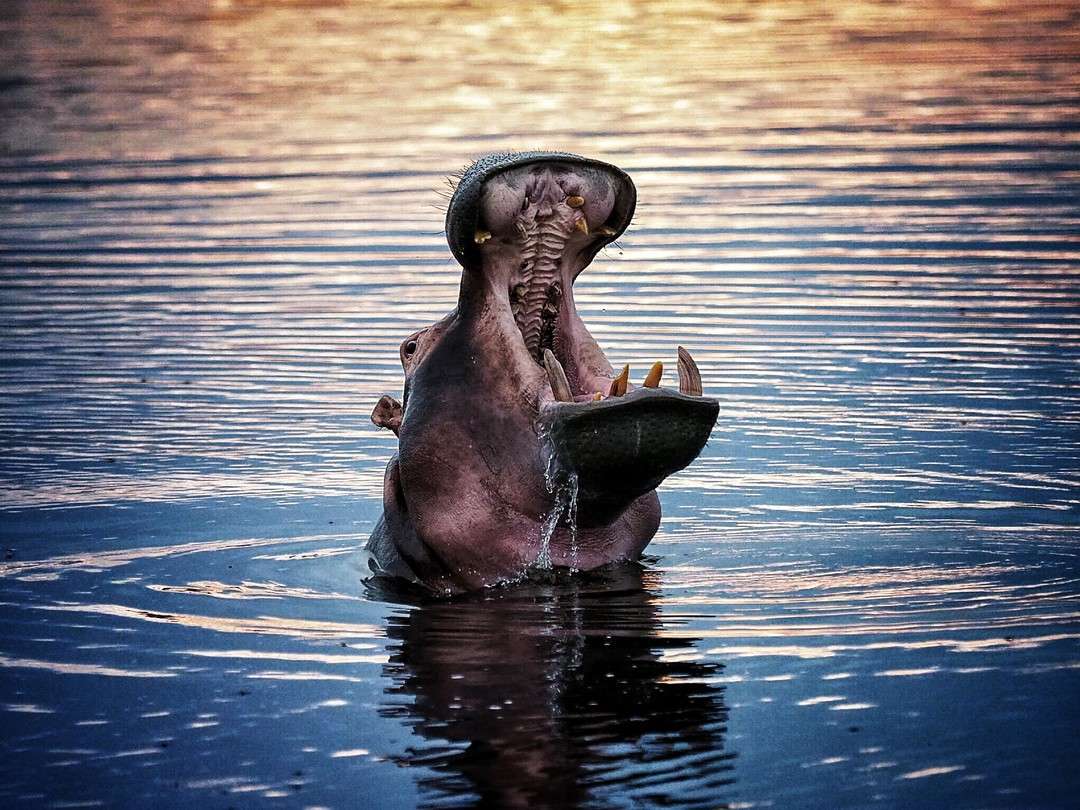
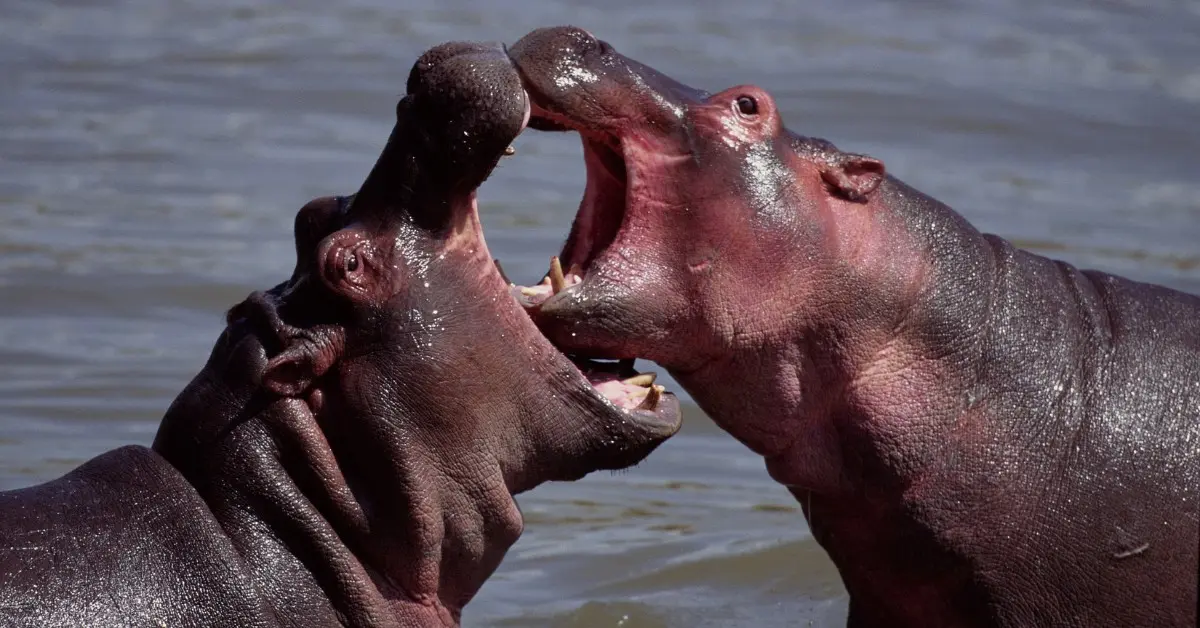
The hippo’s famous wide-mouth gape display genuinely serves as a ritualised warning signal before any physical confrontation, showing off tusk size and jaw strength to a rival bull as a way of establishing dominance without immediately resorting to actual combat, and researchers studying hippo aggression have found that many confrontations genuinely resolve at this display stage alone, with a clearly smaller or less confident bull backing down before physical contact ever becomes necessary.
Why Tusks Make Hippo Combat Genuinely Dangerous Compared to Most Herbivore Fighting
Unlike antelope species that fight using considerably less lethal horn-locking combat, hippo tusks are genuinely capable of inflicting severe, often fatal wounds, and when open-mouth displays fail to resolve a dispute, actual physical combat genuinely involves bulls slashing at each other’s flanks and head with these tusks, sometimes resulting in serious injury or death even between bulls that have coexisted peacefully in the same general area for extended periods before the specific dispute began.
How Dry Season Genuinely Concentrates and Intensifies Fighting
As water sources shrink during severe dry season conditions, hippo pods are forced into genuinely closer proximity within shrinking pools, and this forced concentration considerably increases the frequency and intensity of territorial confrontation between bulls compared to wet-season conditions when more space and separate water sources are naturally available, making dry season genuinely the period when the most serious hippo fights are documented across East Africa’s major hippo populations.
Why Breeding Access Genuinely Adds a Second Major Source of Conflict
Beyond pure territorial control, dominant bulls genuinely fight to establish and maintain breeding access to females within their controlled stretch of water, meaning territorial disputes and reproductive competition genuinely overlap considerably, since holding the most desirable water territory directly translates into greater mating opportunity, adding real reproductive stakes on top of the pure resource-control motivation driving most hippo conflict.
How Younger Bulls Genuinely Challenge Established Dominant Males Over Time
As young male hippos mature, they genuinely begin testing dominant bulls through escalating confrontation, initially through display behaviour before eventually attempting genuine physical challenges once sufficient size and confidence develop, meaning a dominant bull’s control over prime water territory genuinely isn’t permanent but requires ongoing successful defence against a continuous stream of maturing challengers throughout his reproductive lifetime.
Where to Observe Hippo Territorial Behaviour in East Africa
Dense hippo populations genuinely reliable for observing territorial display and occasional fighting include Queen Elizabeth National Park’s Kazinga Channel, one of Africa’s densest hippo concentrations, alongside Murchison Falls’ Nile boat cruise route.
Best Time of Year for Observing Hippo Territorial Conflict
Dry season, when water scarcity concentrates hippo pods most densely, genuinely offers the highest likelihood of observing territorial display and confrontation. See our Uganda best-time guide for how the country’s broader seasons shape wider trip planning.
Photographing Hippo Territorial Display
Capturing the open-mouth gape display, or an actual confrontation between rival bulls, offers genuinely dramatic behavioural photography from a boat cruise vantage point. See our camera gear guide for broader equipment recommendations.
What to Pack for a Hippo-Focused Boat Cruise
Standard game drive gear – neutral clothing, sun protection, and binoculars – covers most of what hippo viewing requires. If your wider itinerary includes gorilla trekking, our gorilla trekking packing list covers that portion separately.
Why Scarring Genuinely Serves as a Visible Record of Past Combat
Many dominant bull hippos genuinely carry considerable visible scarring across their flanks and back, permanent evidence of past territorial confrontations that researchers and guides can sometimes use to roughly estimate an individual’s combat history and relative dominance status, meaning a heavily scarred bull genuinely represents a battle-tested individual who has successfully defended his territory through multiple serious challenges over time.
How Females Genuinely Factor Into Territorial Dynamics Beyond Being Passive Prizes
While bulls fight primarily over territorial and breeding control, female hippos genuinely aren’t passive within this system, showing measurable preference for particularly dominant, successfully defended territories when selecting where to raise calves, meaning female choice genuinely reinforces the value of successful territorial defence beyond the direct reproductive access a dominant bull gains through simply winning fights.
Why Calves Face Genuine Risk During Serious Bull Confrontations
When territorial disputes escalate to serious physical combat within a pod containing calves, young hippos genuinely face real injury risk from the chaotic, high-force confrontation happening around them, meaning mothers typically move calves toward the periphery of a pod at the first sign of serious tension between bulls, a protective response that reflects just how physically dangerous escalated hippo combat genuinely becomes once display alone fails to resolve a dispute.
Comparing Hippo Territorial Conflict to Buffalo Herd Dynamics
Where buffalo direct aggression primarily outward against predators through coordinated group defence, hippo conflict is genuinely directed inward, between rival bulls of the same species, competing for the same limited resource, a meaningfully different conflict pattern reflecting each species’ distinct social structure and the specific resource, water territory versus general herd safety, each is primarily defending.
Why Guides Value Explaining This Territorial Dynamic to Visitors
Given how often a resting hippo pod appears calm and static from a boat cruise vantage point, experienced guides genuinely value explaining the real, ongoing territorial tension and occasional serious conflict happening beneath that outwardly peaceful surface, adding genuine behavioural depth to what might otherwise register as one of the less dynamic sightings on a standard itinerary.
Combining Hippo Territorial Viewing With the Kazinga Channel’s Wider Wildlife
Hippo territorial behaviour viewing pairs naturally with the same boat cruise that passes Queen Elizabeth National Park’s other headline wildlife, making a single outing genuinely worthwhile well beyond hippo viewing alone.
Why Hippo Aggression Also Extends Toward Crocodiles Sharing the Same Water
Beyond conflict with rival hippos, bulls genuinely display considerable aggression toward crocodiles sharing the same stretch of water, particularly when a crocodile approaches too closely to a calf, and documented cases exist of hippos actively attacking and even killing crocodiles that venture too near, meaning territorial aggression genuinely extends beyond same-species rivals to any perceived threat within a bull’s controlled water territory.
How Researchers Track Individual Bulls Across Repeated Territorial Disputes
Long-term hippo research relies heavily on photographic identification of individual scarring patterns and other distinguishing physical features to track specific bulls across multiple years and repeated territorial encounters, a research method that has allowed scientists to document individual dominance careers, tracking how long a given bull successfully holds prime territory before eventually losing it to a younger, stronger challenger who has been steadily building strength for exactly this opportunity.
Why Territorial Boundaries Genuinely Shift as Water Levels Change
As seasonal water levels rise and fall throughout the year, the actual physical boundaries a dominant bull can realistically patrol and defend genuinely shift too, meaning territorial disputes often flare up specifically during transition periods when water levels are actively changing and previously stable boundaries between neighbouring bulls’ territories become genuinely contested again, similar in underlying logic to how rhino territorial boundaries require ongoing active reinforcement rather than being permanently fixed once established early in a dominant individual’s tenure.
Why Displaced Bulls Genuinely Face Difficult Prospects After Losing Territory
A bull that loses a serious territorial confrontation genuinely faces considerably reduced prospects afterward, often forced into marginal, less desirable water sections or into a bachelor-style existence without secure territory at all, meaning the stakes of hippo territorial combat genuinely extend well beyond the immediate confrontation itself into a defeated individual’s entire subsequent quality of life and reproductive opportunity.
Frequently Asked Questions
Why do hippos fight each other?
Primarily over territorial control of water and access to breeding females, with dominant bulls defending prime stretches against rival males.
What is the open-mouth gape display for?
A ritualised warning signal showing off tusk size and jaw strength, often resolving disputes before actual physical combat becomes necessary.
Can hippo fights actually be fatal?
Yes, genuinely so – hippo tusks can inflict severe wounds, and serious confrontations sometimes result in death even between previously coexisting bulls.
Why does fighting increase during dry season?
Shrinking water sources force hippo pods into closer proximity, considerably increasing the frequency and intensity of territorial confrontation.
Where can I see hippo territorial behaviour on safari?
Queen Elizabeth National Park’s Kazinga Channel and Murchison Falls’ Nile boat cruise both offer strong opportunities.
Ready to Plan Your Uganda Safari?
Whether observing hippo behaviour firsthand, the Kazinga Channel’s dense population, or a full Uganda itinerary is your priority, our team can build a trip matched to your interests. Get in touch with our team below today and let’s start planning your complete Uganda safari itinerary together.

No comment