
Areas of East Africa: A Birders Guide to National Parks
East Africa is a place where every trip can turn into a quest for something amazing. In Uganda, Kenya, Tanzania and Rwanda protected lands keep forests, wetlands, savannas, mountains, lakes and grasslands for a wide range of birds. For lovers of birds these areas offer more than a list of species. They give chances to feel nature at its strongest while helping to guard habitats for years.
Protected Areas of East Africa: A Birders Guide to National Parks starts with an idea: the best birding moments usually happen where wildlife and land are protected for a long time. National parks and other safe places let birds eat, breed fly north and south and raise their chicks. They also let you see how closely birds are linked to the land around them.
Why East Africa Is a Birding Paradise
East Africa holds a variety of places that are easy to reach. One trip can take you from rainforest to wide savanna from high mountain forest to papyrus swamp and from fresh lake to beach area. Each place has its set of birds.
Uganda alone has different lands and birds making it one of Africas best spots for serious birdwatchers. Kenya is also varied with the Great Rift Valley, high forest, dry north and well-known savanna that hold different birds. Tanzania adds protected lands, such as Serengeti, Ngorongoro, Tarangire and other places where birds live with big mammals. Rwanda offers great birding chances in forest, wetland, highland and savanna.
Because of lands you can see birds that are very different like Shoebill, African Fish Eagle, Great Blue Turaco, Lilac-breasted Roller, Secretarybird, Crowned Crane and many sunbirds and forest specialists. Some birds are found everywhere while others live in one type of land.
Forests, Wetlands, Mountains and Savannas
In forest birding can feel very rewarding because thick trees make it feel like a hunt. In Ugandas Bwindi Impenetrable National Park and Kibale National Park listening carefully is as useful as looking up. Bird sounds may show birds that hide in leaves, branches and vines. Turacos, hornbills, barbets, flycatchers and sunbirds can pop up after some watching.
Wetlands give a different feeling. Papyrus swamp, lake edge, floodplain and marsh are places where waterbirds eat and nest. Ugandas Mabamba Swamp is known for Shoebill.. Wetlands all over Kenya, Tanzania and Rwanda host herons, egrets, kingfishers, jacanas, storks and other water birds.
Mountain lands bring another kind of variety. As height rises plant life changes giving chances to find birds that live on the high ground. Rwandas mountain forest and Ugandas highland lands are very useful for birds that belong to the Albertine Rift.
Savannas give their benefits. In places, like Kenyas Maasai Mara, Tanzanias Serengeti, Ugandas Queen Elizabeth National Park and Rwandas Akagera National Park open lands let you see big raptors, rollers, bee‑eaters, bustards, storks and many other birds
Uganda: Forests and Wetlands Full of Possibilities
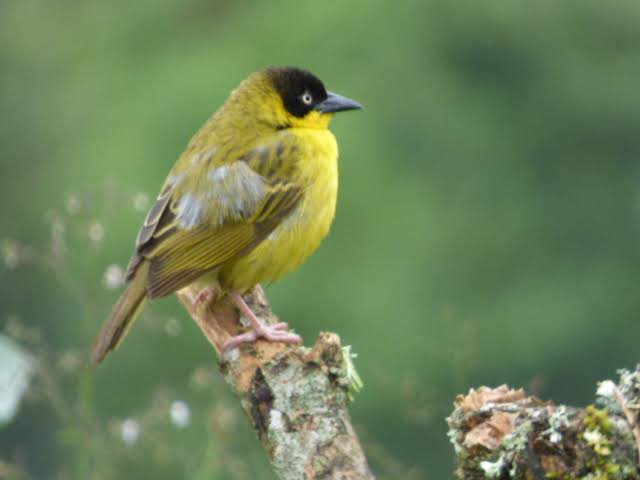
Uganda should be on every African birding plan. The mix of forests, wetlands, lakes, rivers, mountains and savannas gives a lot of experiences in a small country.
Queen Elizabeth National Park is an example of how good protected areas can be. The park has different environments that are home to waterbirds raptors, birds that live in woodlands birds that live in grasslands and birds that live at the edge of forests. A boat ride along the Kazinga Channel can give views of birds near the water while animals walk on the shore.
Kibale National Park is very good for birding in the forest. Even though the park is known for chimpanzees the birds there should get attention. With some patience you might see turacos, hornbills, barbets and many small forest birds.
Bwindi is another place. Its old forests have a lot of birds from the Albertine Rift. Birding here might take time and effort. The reward is seeing birds that are only found in this part of the world.
Kenya: Rift Valley Lakes and Open Landscapes
Kenya has places that’re easy to get to and some of the most famous wildlife areas in East Africa. The Great Rift Valley is very important because the lakes and the areas around them bring in a lot of waterbirds.
Lake Nakuru is famous for its birds, including flamingos and many other birds that live near water. Lake Naivasha is another place, especially for kingfishers, herons, fish eagles and other birds that live in fresh water.
The Maasai Mara has a type of landscape. Open grasslands let you see birds that live with a landscape of changes and big groups of animals. Raptors often watch the plains while birds that live on the ground and colorful birds live in grasslands and the edges of woodlands.
If you like forests in places Kenyas mountain areas give you a chance to look for birds that like cooler and higher places. The difference between these forests and the dry lowlands shows why Kenya is still a place for bird lovers.
Tanzania: Birding Among Iconic Wildlife
Tanzanias protected areas are known for elephants, lions, wildebeest and other animals. The birds there are also worth looking at. Serengeti National Park has types of birds across grasslands along rivers on rocky areas and in woodlands.
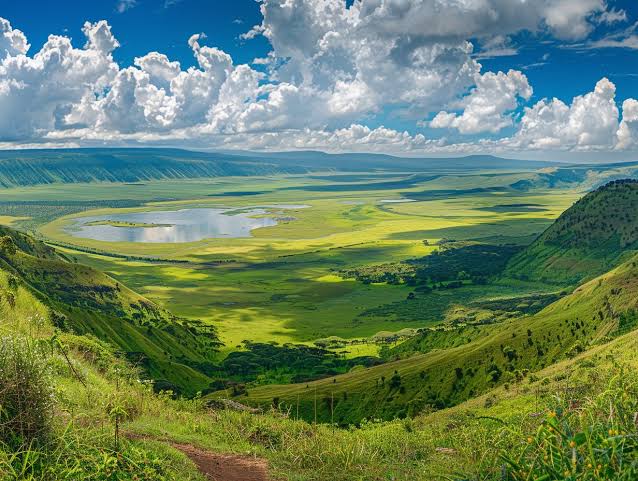
The Ngorongoro Conservation Area is very interesting because the different heights and environments create birding experiences in a small area. You can find waterbirds near lakes and wetlands raptors above areas and forest birds in higher places.
Tarangire National Park is another place. Its special baobab trees and rivers that change with the seasons bring birds all year round. Birds that live in areas can be very interesting for people who usually see birds in forests and wetlands.
Look Beyond the Big Five
One of the parts of birding in Tanzania is learning to look beyond the famous animals. Even though lions and elephants get a lot of attention birds are always moving around them. An African Fish Eagle might call from a tree by the lake. Vultures might fly above a dead animal. Bee-eaters might fly quickly across the sky. Rollers might sit on open branches.
This bigger view can change how you see a safari. Of waiting to see a certain animal you start to notice movement, sounds, colors and actions all around the place.
Rwanda: Compact Landscapes, Remarkable Birdlife
Rwanda is smaller than its neighbors. Its protected areas have a lot of different places. Nyungwe National Park is one of the important places to see birds, especially for people who like birds from the Albertine Rift. Its mountain rainforest has homes for forest birds, including bright turacos and special birds that are hard to find elsewhere.
Akagera National Park has a kind of place with savannas, wetlands, lakes and woodlands. The parks different environments have types of birds so its possible to see birds that live in the savanna and birds that live in wetlands.
Gishwati-Mukura National Park also helps Rwandas conservation by protecting forest areas. Visiting these places lets you see Rwandas effort to keep areas safe while exploring some of the most interesting places, for birds.
Planning Your East African Birding Journey
A birding trip needs more than picking well‑known parks. Think about the habitats you want to see the species you aim for, how long you travel the seasons and the speed you like. If you love forest endemics spend time in protected forests. If you want a list of birds mix forests with wetlands and savannas.
Early mornings are usually best because birds are active and the air is cooler. Bring binoculars that work well in light a field guide or a good identification app, clothes that fit the weather, water and a notebook to write down what you see.
A smart local guide can change how you feel about the trip. Guides often hear calls and know where specific birds are usually found. Their knowledge of lands can save time and help you spot birds you might otherwise miss.
Conservation Begins With Attention
Protected Areas of East Africa: A Birders Guide to National Parks is more than a list of birds. Every sighting reminds you that healthy ecosystems rely on protection, travel and local people.
When you go to a protected area you help conservation by paying park fees staying at lodges, hiring guides using transport and joining community tours. Pick operators and follow park rules so tourism truly supports the places you love.
You can also help by actions. Stay on marked paths do not disturb nests keep a distance from animals and never play bird calls too much to lure birds. Tell people facts about conservation and urge them to care for nature.
Let Every Sighting Inspire You
The best birding moments are not always the birds. Sometimes they are scenes: a sunbird eating flowers at sunrise a fish eagle calling over a lake a flock of flamingos moving over shallow water or a turaco slipping into a forest canopy.
These moments build a bond with the places you see. They make you want to come learn more and help keep those habitats healthy.
Protected Areas of East Africa: A Birders Guide to National Parks shows how much you can find in Uganda, Kenya, Tanzania and Rwanda. Every protected area has its flavor, birds, sounds and scenery. Together they make one of Africas places, for birdwatching.
Your next trip could start with one park, a pair of binoculars and a willingness to slow down. The forests, wetlands, mountains and plains already buzz with life. The more you look closely the more you see what needs protection.


No comment