
Rainy Season Birding: Pros, Cons and What to Pack
Rain can change the way a birding place looks. Feels completely. Forest paths get quieter plants look fresh streams start to run and the air often carries bird sounds farther than you expect. For people thinking about a trip through East Africa the wet months might seem less appealing because of muddy roads and uncertain weather.. Rainy weather can create some of the best birding experiences of the year.
Rainy Season Birding: Pros, Cons and What to Pack is a topic knowing before deciding when to go. The rainy season is not a time to avoid. It can bring breeding times, new plants, fewer people, exciting scenes and great chances to see birds in places. Still you need to have ideas and the right gear. With planning wet weather can be part of the adventure and not a reason to cancel your plans.
Why the Rainy Season Can Be Great for Birding
One of the things about going during the wet season is the amount of food available. Rain makes plants grow flowers, fruits, seeds and new leaves. Insects also become more active giving food for birds that eat insects. Birds that drink nectar might be easier to find near blooming plants while birds that hunt insects can be very active after rain.
This extra food can bring birds to places where they’re easier to see. Forest borders, wetlands, gardens, open spaces and grassy areas might all be full of bird activity. You might see birds moving from one place to another carrying things for nests showing off to partners or singing from thick plants.
The wet months can also match up with breeding times for birds. Birds may sing more as they protect their areas and talk to their partners. Their sounds can help you find birds that’re usually hard to see. A morning after rain can then be very useful especially if you take your time and listen closely.
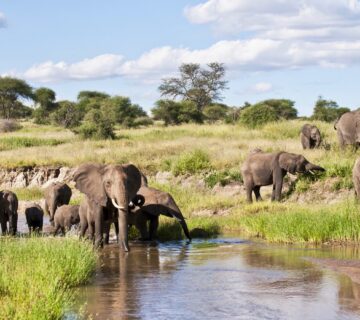
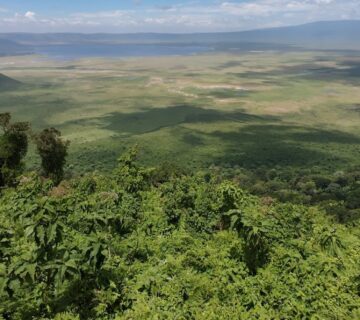
Another benefit is the look of the land. East Africas forests, wetlands, plains and lakes can look very different after rain. Roads that were dusty now look green small ponds. Plants give a rich background for bird watching. A place full of growth can make even familiar spots feel new.
Fewer People Can Mean Quiet Moments
Another reason to think about the rainy season is the chance of meeting fewer people. Popular places can be much quieter when not in the times. This means you have time to stop at a good spot listen for bird calls or watch a bird without feeling in a hurry.
Quiet times are especially good, in forest areas. Birds can react to noise and movement fewer cars and groups can make the experience calmer. You might spend minutes watching a turaco move between branches or listening to a forest robin without having to deal with a lot of visitors.
This slower way of going can also help you see more. Of just trying to count how many birds you see you can focus on how they act. Watch how a bird eats, how it moves through trees how it reacts to rain and where it decides to sit. These small things often become the memories you keep the longest.
The Challenges of Wet Weather
The season does have problems and you should get ready for them. Heavy rain can make roads hard to drive on on dirt roads. Some paths in the forest get muddy and small paths can become very slippery. A trip that usually takes one hour might take longer after a big storm.
The weather can also mess up your plans. Rain might come just before you want to go out in the morning or keep going for hours. In some places guides might change the path because of the roads or because of safety. Being open to change is therefore very important.
Seeing things can also be a problem. Thick plants get even thicker when they are growing fast. Birds might have lots of food and places to hide. That makes them harder to spot. A bird might call from deep in a tree. You might not get a good look at it.
Taking pictures can also be harder. Water drops on the camera lens not much light under the trees and sudden rain need a lot of patience. If taking pictures is important to you protect your gear and know that some of your times might be just watching and not getting perfect pictures.
What to Pack for Wet-Season Birding
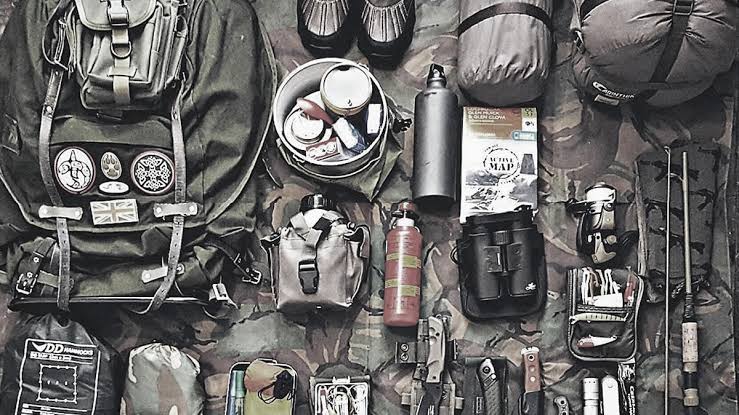
Being ready can make a difference. Start with clothes that keep you dry or resist water. A light rain jacket with a hood is one of the helpful things you can bring. Pick something that lets air in because walking in wet conditions while wearing heavy waterproof clothes can feel bad.
Your shoes need as much attention. Shoes or boots that keep water out and have grip can help you deal with muddy paths and wet ground. Bring socks because wet feet can turn a nice morning into a bad one.
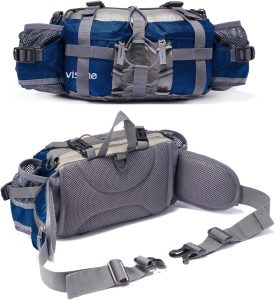
A cover for your backpack that keeps water out is also an idea. Even if your bag says it is water-resistant long rain can still get to your notebooks, phones, snacks and clothes. Small waterproof bags or dry bags add protection for important things.
Wet-Season Birding: Pros, Cons and What to Pack should always include protection for your binoculars and other equipment. Binoculars, cameras, phones and other electronics need care when the weather changes fast. Carry a cloth to clean the lenses and keep your gear safe in bags when the rain gets heavy.
A small umbrella can also be helpful in some places. It might be hard to use on tight paths in the forest. For walking a rain jacket, with a hood usually gives more freedom.
Choosing the Right Daily Strategy
Timing is key during wet-season trips. Rain does not always last all day. Many places have mornings and showers in the afternoon. Beginning lets you enjoy birding before the weather shifts.
Observe the sky. Talk to your guide. If dark clouds start to grow you can pick a spot instead of moving far. Flexibility helps you use the weather well of fighting it.
Bring plenty of water and food for delays. Roads may slow down. A two‑hour plan can last longer. A few snacks, water, a first‑aid kit insect repellent and basic supplies can ease unexpected waits.
Making Rain Part of the Experience
The best wet‑season trips start with a shift in attitude. Rather than expect every morning to be dry you must work with the weather. Rain can bring chances that dry months might not offer.
Some birds wake up right after rain falls. Others head to open places once the rain stops. Frogs, insects and small creatures appear often pulling in birds that eat them. A brief pause in clouds can spark activity.
The sounds can be just as rewarding. Rain on leaves gives a backdrop but when it stops bird calls become clear. Stand quietly for a few minutes. Listen. You might hear species before spotting one bird.
For anyone planning Rainy Season Birding: Pros, Cons and What to Pack the main lesson is preparation. You do not have to control the weather to enjoy the trip. You need clothing that keeps you comfortable gear that stays protected and a schedule that can change.
Preparing for East Africas Wet Landscapes
In Uganda, Kenya, Tanzania and Rwanda wet‑season conditions vary a lot. Some places get afternoon showers while others have long rain. Altitude, habitat and local climate all shape what you see.
Study the destination instead of guessing the rainy season. A forested mountain area can feel very different from a savanna or lakeside wetland. Ask your guide or tour operator about road conditions, trail access, typical rain and the best spots for the species you want to see.
Your packing should match the destination. Light clothes work well in lowlands but higher places may need warm layers. Waterproof gear stays useful for both. The mix of warmth, breathability and rain protection changes.
Turning Wet Weather Into Lasting Memories
Some of the best birding memories come from conditions. You may start a morning under grey clouds walk along a trail and suddenly hear a clear call from the forest. A few patient minutes can reveal a species you sought for years.
Rainy Season Birding: Pros, Cons and What to Pack is really about being ready for those moments. The wet season rewards patience, watching and flexibility. It may bring roads, soaked clothes, less clear sight and changed plans but it can also bring bright landscapes, lively birds, calm trails and unforgettable moments.
If you are ready to adapt rain does not have to limit the experience. Put binoculars in a protected case carry a jacket wear shoes with good grip and leave space in the schedule for changes. Then step outside. Listen.
The forest may sound different after rain. Wetlands may buzz with life. Grasslands may turn green quickly. Birds may speak louder move more or be easier to find. These moments show that nature does not follow a fixed timetable.
A successful wet‑season trip is less about finding weather and more about noticing what the weather brings. When you face the season with patience and practical preparation Rainy Season Birding: Pros, Cons and What to Pack is more, than a travel topic. It becomes an invitation to experience East Africa when its landscapes are fresh, active and full of life.



No comment