
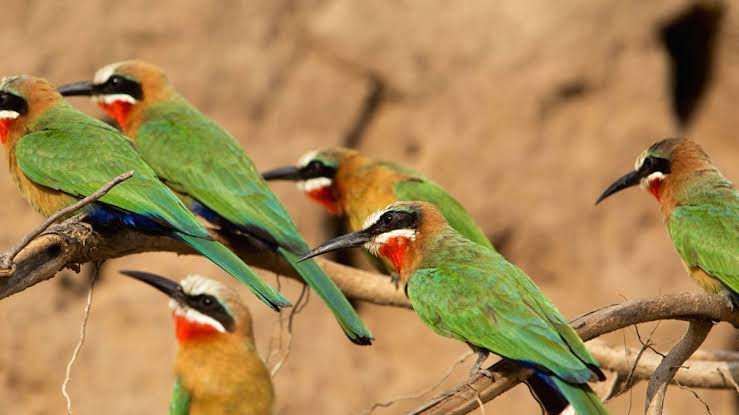
Combining Birding with Cultural Tourism in East Africa
East Africa gives you a kind of trip where wildlife, scenery, history and traditions all fit together easily. You can start the morning hearing birds sing in a forest spend the afternoon walking through a village and end the day eating a meal made with foods. This mix makes the travel experience better because you are not just watching nature. You are also learning about the people, their stories, their customs, their food, their music, their crafts and their traditions that make each place unique.
Combining Birding with Cultural Tourism in East Africa lets you see known places in a new way. Uganda, Kenya, Tanzania and Rwanda all have birds and also people with special cultural backgrounds. A good trip can put these experiences together without making one less important. Instead the nature and the human history become two parts of the adventure.
Why Birding and Culture Go Well Together
Birdwatching makes you slow down naturally. You take your time look around listen carefully and see things that you might miss if you are rushing between places. Cultural tourism can have the effect. When you go to a community in a way you learn to listen to stories understand traditions and enjoy ways of life that could be very different from your own.
This feeling of curiosity makes the two experiences fit perfectly. After a morning of birding you might go to a local workshop meet the people making things learn about old ways of farming or look at a place with history. Changing activities can also be a break after spending hours outside.
East Africas places make this mix especially good. Wetlands have birds like jacanas, kingfishers, herons and storks while the people nearby may use the same water for fishing growing crops and moving around. Forests are home to turacos, sunbirds, hornbills. More while local people might know a lot about plants, animals and the time of year.
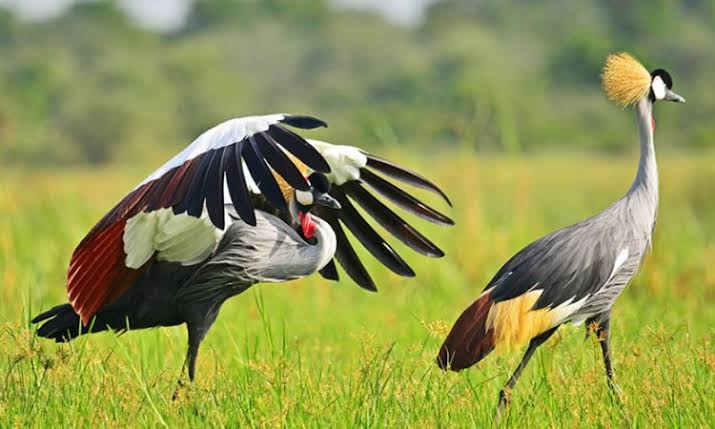
Uganda: Birds, Wetlands and Living Traditions
Uganda is a place for people who want to mix nature with cultural experiences. The different places there include wetlands, lakes, forests, grasslands and high areas. Each area has birds giving you many chances to see birds on a longer trip.
A trip to Mabamba Swamp for example can show you wetland birds and the people who live near the water. A boat ride through the paths becomes more interesting when you know how important the wetland is to the lives. Cultural activities can involve meeting the people learning about how they fish and seeing the things they make by hand.
Uganda also lets you go to places like markets, cultural centers and communities to big wildlife spots. You might go birding near Lake Mburo. Also learn about Ankole traditions or visit areas, near Bwindi and find out about local crafts, food and community projects. These experiences can make a trip focused on animals into a personal journey.
Kenya: Birding Alongside a Rich Cultural Heritage
Kenya has a range of environments from the Great Rift Valley and coastal forests to dry northern areas and grasslands. The countrys bird variety gives chances to watch birds while its cultural heritage adds another layer to a trip.
The lakes in the Rift Valley are very attractive for people who love birds. Lakes like Nakuru and Naivasha bring in waterbirds birds of prey wading birds and other types of birds. After spending the morning in these places you can take time to learn about communities and how they connect with the land.
Cultural visits need to be done with respect and real interest. Meeting people from communities like the Maasai can give a chance to learn about buildings how they take care of animals their clothes, crafts and life in the community. A proper visit should let local people choose what they want to share and should give them value for their time and knowledge.
Mixing birding with tourism in East Africa is especially good in Kenya because the places and people are often closely linked. Learning how people use and protect nature can help you understand the area you spent the morning looking at.
Tanzania: From Forest Birds to Traditional Communities
Tanzania is usually known for wildlife places but its birds are just as important. From the wetlands and woodlands near Tanzania to the forests of the Eastern Arc Mountains the country has a wide range of bird species.
Adding a part to a birding trip can make it more meaningful. Near natural areas you can learn about traditional farming, local food, handmade items, music and history of the community. In some places cultural guides can explain how people understand the seasons, rain, plants and animals.
The Eastern Arc Mountains are very interesting for travelers who like both nature and cultural areas. The forest areas have birds and the nearby communities have a long history of living with these environments. Visiting with guides who know the area well can help you see both the nature and the people of the place.
Rwanda: Forests, Lakes and Community Experiences
Rwanda gives another chance for travelers who want both nature and culture in a small trip. Nyungwe Forest is known for its bird variety, including birds from the Albertine Rift. Akagera has grasslands and wetlands while the areas around Lake Kivu offer nice views and ways to meet local people.
A morning in Nyungwe might involve looking for turacos, sunbirds or birds that live in the forest. Later you could visit a community project learn about things or try food made locally. Around Lake Kivu cultural experiences can include learning about people who fish how they farm and their traditions.
Rwandas cultural places can also help explain conservation work. When you learn how people depend on forests, wetlands, farms and lakes conservation becomes easier to see as something everyone shares.
Planning a Balanced East African Trip
The way to mix these experiences is to give enough time to both parts. Don’t make a trip too full of birding spots that cultural visits feel like afterthoughts. Instead plan your schedule around a well-chosen places.
A good two-week trip could include Uganda, Rwanda or Kenya of trying to see all the countries. For example you might spend days exploring forest and wetland areas then have cultural experiences, in nearby communities. Adding one or two days can let you visit markets, museums, craft centers, historical places or cultural villages without feeling rushed.
Work with guides who know both the wildlife and the community tourism. A good guide can help you find birds while explaining the area, local history and what the places mean. This helps make your trip feel connected and can also make your bird watching better.
Respecting Communities Along the Way
tourism must always start with respect. Ask before taking pictures of people follow what the locals say, dress in a way that fits the community and listen when people talk about their traditions. Do not think that cultural traditions are just for visitors to watch.
Supporting businesses that are owned by locals can make a difference. Choose guides whenever you can buy crafts directly from the people who make them eat at places that are run by the community and think about staying in places that work with nearby communities. These choices help keep the money from tourism in the place you are visiting.
The same idea is important when you are birding. Keep a distance from animals do not bother nests stay on the paths that are allowed and follow the rules for protecting nature. Your actions should help protect the environment and the people who live near it.
Making the Journey Personal
One of the best parts of mixing nature and culture is that your memories become more interesting. You may remember the sound of a turaco in the morning the way a canoe moves through an area the music from a traditional performance in the evening or the taste of a meal with new friends.
Combining birding with tourism in East Africa can also change how you think about conservation. Birds are not separate from the people who live in the area. Wetlands, forests, farms, lakes and grasslands are places where people and animals live together every day. Learning about these connections can make your time in the field more meaningful.
You do not have to know a lot about birds to enjoy this kind of travel. A person who is just starting can enjoy a colored sunbird just as much as someone who is very experienced can enjoy finding a rare bird in the forest. Cultural experiences also do not need knowledge. Being curious, patient and respectful can often be enough to create moments.
Leave With More Than a Bird List
A good trip to East Africa can give you a list of birds but the best memories often go beyond the names of the birds. You may come back remembering a talk with a guide, a walk through a village a meal, a basket made by hand or a story about how a community lives with wildlife.
Combining birding with tourism, in East Africa lets you travel with more understanding. You see the places where animals live. You also learn about the people who depend on them. You watch wildlife. You also meet people who know the land because they have lived there for many years. You visit places but you leave with a stronger sense of what they mean.
East Africa rewards travelers who take their time. Listen carefully in the forest watch the wetlands at sunrise ask questions in a way and make space for local voices. When birding and learning about culture become part of one trip every place can offer something new. The end result is a travel experience that stays with you long after the binoculars are put away and the trip home has started.




No comment