
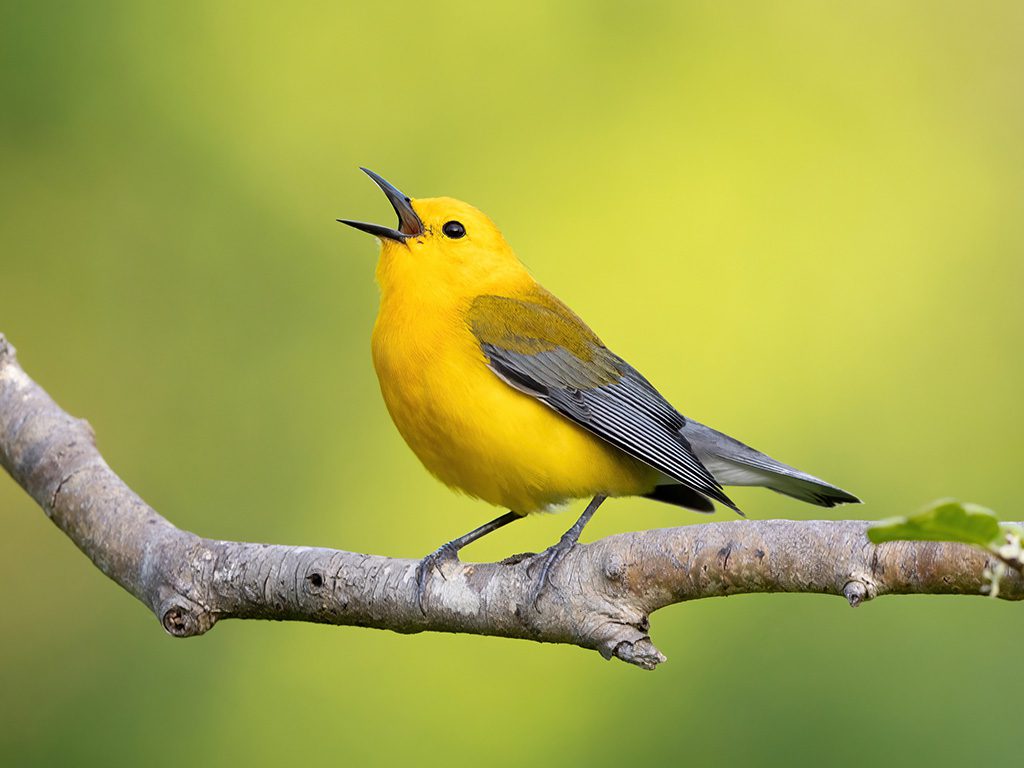
How to Identify Birds by Call in Dense Forest
forests can feel almost silent when you first arrive. Then as you slow down the forest starts to show itself through a group of sounds. A sharp whistle comes from up high. A soft group of notes rises from undergrowth. A faraway call bounces between trees before stopping. Even when you cannot see a bird you might be surrounded by many of them.
Learning How to Identify Birds by Call in Dense Forest changes the way you experience these places. Of relying completely on clear views you start to recognize birds through their voices, rhythms, pitches and calling patterns. This ability is very helpful in forests, where thick plants, tall canopies, vines, shadows and bad visibility can make seeing birds hard.
For anyone exploring Uganda, Rwanda, Kenya, Tanzania or other parts of East Africa paying attention can turn a forest walk into an exciting search for hidden birds. Every sound is a hint. Every correct identification builds confidence.
Why Bird Calls Matter in Dense Forests
forests create tough conditions for seeing birds. Birds might spend a lot of time in the top of the trees moving between branches that are covered by leaves. Some stay inside plants or quickly disappear when they are disturbed. You might hear a bird times without ever seeing it.
This is when sound becomes very useful. Birds talk all the time using calls for staying in touch marking territory giving warnings finding a mate eating and other social reasons. Their voices can go through plants when their bodies stay completely hidden.
When you start How to Identify Birds by Call in Dense Forest you are learning to notice things that many people miss. A call is not a noise. It has a pattern. You can listen for how notes it has, how fast those notes are said, whether the pitch goes up or down and whether the same pattern happens again.
With practice these details become known. You might eventually hear a call and immediately think of a certain bird or group of birds.
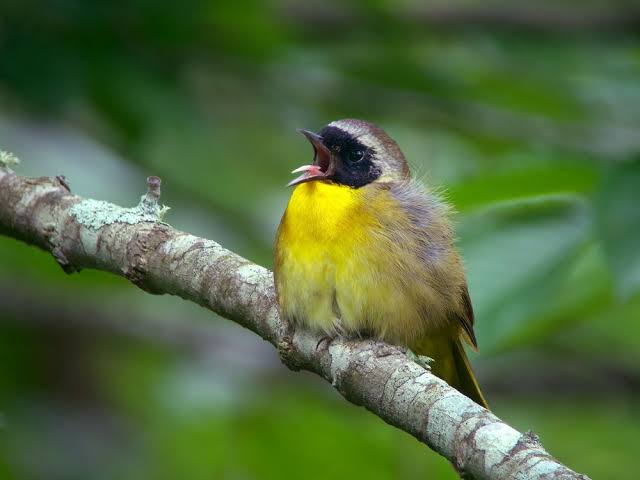
Start With the Easiest Sounds
Do not try to remember every bird call at once. Start with common and easy to recognize birds. Big forest birds, cuckoos, turacos, hornbills, barbets and some special songbirds often have sounds that’re easy to notice.
Pick three to five birds that you’re likely to find in your local forest. Spend some days listening to recordings of those birds before your trip. Focus, on the sound instead of trying to remember every single note.
This way of learning is easy to handle. Once you know a familiar calls you can slowly add more birds to your list in your mind.
Good bird identification begins with patience. When I step into a forest I resist the urge to immediately search the branches. I stand quietly for a few minutes. Listen.
I ask myself what I hear. Is the sound close or far? Does the sound come from the ground from vegetation or from the canopy? Is the sound a note, a repeated phrase or a long sequence? Does another bird respond?
These questions help me turn listening into a skill.
One of the useful techniques is sound direction. When a call begins I stop moving and identify where the sound seems to originate. I avoid turning my head quickly because movement can make it harder to locate the source. I keep listening until I can narrow the sound down to a tree, branch or section of vegetation.
Learn Rhythm and Repetition
Rhythm can be one of my clues. Some birds produce sequences while others call slowly with noticeable pauses. One species might give three notes followed by a longer whistle while another may repeat the same phrase every few seconds.
I try describing the call using words. I might think of it as “two whistles and a trill” or “a fast series followed by a pause.” I do not need musical knowledge.
I can also tap the rhythm quietly with my fingers while listening to a recording. This helps my brain remember the pattern.
Use Recordings as a Learning Tool
Bird call recordings are extremely valuable when learning forest species. Before traveling to a destination I research the birds I expect to encounter and listen to their calls repeatedly.
I do not simply listen once. Move on. Repetition is important. I play the call while doing another activity then return to it later and test whether I still recognize it.
When possible I listen to recordings of the same species. Individual birds can sound slightly different. Calls may vary depending on age, sex, location, behavior and situation. Learning the character of a species voice is more useful than memorizing one perfect recording.
During a forest walk I can also make personal recordings when appropriate. Later I compare those sounds with bird identification resources. Over time my own collection of recordings can become a study library.
Pay Attention to Habitat
Sound identification becomes much easier when combined with habitat knowledge. If I hear a call in an environment I consider which birds are likely to live there.
A wet forest near a stream may contain species from a dry woodland edge. High-elevation forest communities can also differ significantly from lowland rainforest habitats. Knowing the location altitude, vegetation and season can reduce the number of species.
This is a part of How to Identify Birds by Call in Dense Forest because sound should rarely be treated as my only clue. Habitat, behavior, appearance and distribution can all support an identification.
Combine Sound With Movement
When I cannot see the bird clearly movement can provide useful information. I listen for leaves shaking branches moving, wings beating or a bird flying between trees after calling.
Sometimes the sound leads me directly to a visual opportunity. I may catch a silhouette, a flash of color a distinctive wing shape or a particular feeding behavior.
I do not become discouraged if the bird disappears. Hearing it clearly is already information. I can record the location, time, habitat and call and investigate the identification later.
Improve Your Listening on Every Walk
The way to improve is to practice consistently. I do not need a full-day expedition. 20 Minutes of focused listening can make a difference.
I choose one forest trail and visit it regularly. I listen at times of day and during different weather conditions. Morning may produce a different soundscape from midday.
I keep notes about what I hear. I record the date, location, approximate time, weather, habitat and my identification. If I am uncertain I mark the species as a possibility, than treating the identification as confirmed.
This habit encourages accuracy. Gives me a record of my progress.
Make Patience Part of Your Birding
Forest birding rewards people who’re willing to wait. A bird that remains hidden for ten minutes may suddenly appear for three seconds. If I leave quickly I may miss the opportunity.
When I hear a call I pause before moving. I give the bird time to call. Sometimes the first sound is the beginning of a longer exchange.
Patience also prevents disturbance. Of chasing a bird through thick vegetation I can remain still and allow it to reveal itself naturally
Turn Every Call Into a Lesson
Making a wrong identification is a normal part of learning. Of getting frustrated use the uncertainty to start a new investigation. Ask yourself why you chose a species of Birds. Was it the pitch of its call the rhythm, the place it lives or the time of day? Which other species of Birds could make a sound? What extra evidence would confirm your choice of Birds? This process slowly sharpens your judgment about Birds.
As you get experience you may start to recognize specific forest areas by their sounds. Some trails will be linked with calls of Birds, seasonal visitors of Birds or breeding activity of Birds. The forest will feel familiar in a way.
Discover a New Side of the Forest
Learning to identify Birds by call in a forest can change a hard birding area into a place full of possibility. Of seeing thick plants as a problem you start treating every sound as useful information. A hidden bird can still give you an experience. You may never see the Bird. You can hear its voice learn its behavior and remember exactly where you heard it. Sometimes that moment can be more rewarding, than a sighting because it shows a skill you learned yourself.
The journey starts with listening. Spend a few minutes under the trees. Learn the voices of Birds around you. Pay attention to rhythm, repetition, the place where Birds live and direction of the call. Use recordings to strengthen your memory and keep practicing until sounds become familiar.
With time the forest will no longer feel quiet or confusing. You will hear layers of life moving through the canopy, understory and woodland floor. Every call of Birds will invite you to stop, listen and look a little closer. That is the reward of identifying Birds by call in a dense forest: discovering that even when the Birds stay hidden the forest is always speaking.



No comment