A Lesson That Started with a Simple Mistake
One of the greatest joys of an African safari is discovering that the more you learn about wildlife, the more fascinating every sighting becomes. At first glance, many animals appear easy to identify. An elephant is an elephant, a giraffe is a giraffe, and a zebra is simply a zebra. However, spending more time in the wild quickly teaches you that nature is filled with subtle differences that separate one species from another.
That lesson came to me during a morning game drive in northern Kenya. The sun had just begun to rise above the horizon, casting long shadows across the open grasslands. A small group of zebras grazed quietly near a patch of acacia trees, their striped coats glowing in the soft morning light. Without giving it much thought, I smiled and said, “There are some plains zebras.”
Our guide looked through his binoculars, smiled politely, and shook his head.
“Look again,” he said. “Those are Grévy’s zebras.”
At first, I thought he was joking. They looked like every other zebra I had seen during previous safaris in Uganda and Tanzania. They had black and white stripes, upright manes, and sturdy bodies. Yet the closer I looked, the more I realised how much I had overlooked.
That simple mistake became one of the most interesting wildlife lessons I have ever experienced.
Africa Is Home to More Than One Zebra Species
Many people are surprised to learn that Africa is home to three living zebra species. The one most travellers encounter is the plains zebra, also called the common zebra. It is widespread across eastern and southern Africa and is frequently seen in destinations such as the Serengeti, the Maasai Mara, Queen Elizabeth National Park, and other famous safari areas.
The second species is the Grévy’s zebra, which has a much smaller range. Today, it is found mainly in northern Kenya and small parts of southern Ethiopia. Unlike the plains zebra, the Grévy’s zebra is endangered, with only a few thousand individuals remaining in the wild. Habitat loss, competition with livestock, prolonged droughts, and reduced access to water have contributed to its declining population.
The third species is the mountain zebra, which lives in southern Africa and is divided into two subspecies. It occupies rocky hills and mountainous landscapes that are very different from the open grasslands preferred by the other zebra species.
Understanding these differences helps safari visitors appreciate the diversity of Africa’s wildlife and recognise that not every striped animal belongs to the same species.
The First Clue Was the Stripes
Our vehicle slowly approached the grazing herd, allowing us to observe the animals without disturbing them. From a distance, they still looked like ordinary zebras. As we stopped and watched quietly, the guide pointed toward one individual standing broadside.
“Look at the stripes,” he said.
The difference immediately became clear.
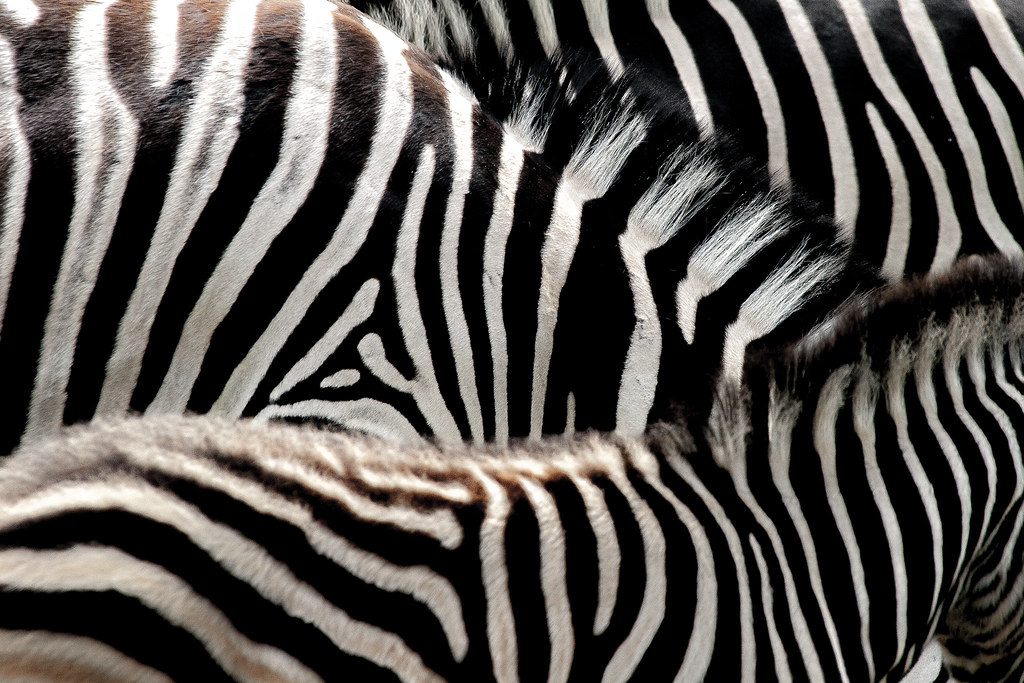
Grévy’s zebras have much narrower and more closely packed stripes than plains zebras. Instead of broad black bands separated by wide white spaces, the Grévy’s zebra appears covered in dozens of thin, crisp stripes that extend across almost the entire body.
The belly offered another clue. A plains zebra usually has stripes that continue underneath the body. The Grévy’s zebra has a bright white belly with no stripes crossing the centre.
Once you notice these features, telling the two species apart becomes much easier.
Bigger Than Most People Expect
The guide then explained another important difference.
Grévy’s zebras are the largest of all zebra species. Standing beside one in the wild, you quickly notice that they have longer legs, taller bodies, and a more mule-like appearance than plains zebras.
Their heads are longer and narrower, giving them a different profile when viewed from the side. Their necks also appear more elongated, adding to their distinctive appearance.
Adult Grévy’s zebras can weigh well over 400 kilograms, making them impressive animals despite often receiving less attention than lions, elephants, or giraffes during a safari.
As our guide compared photographs from previous game drives, the differences became impossible to ignore.
Those Remarkably Large Ears
Perhaps the easiest feature to identify was something I had completely overlooked.
Their ears.
Grévy’s zebras have noticeably larger, rounder ears than plains zebras. They resemble the ears of a mule and are constantly moving as the animal listens for approaching danger.
These oversized ears are more than just an identifying feature. They provide excellent hearing, allowing the zebras to detect predators across long distances. They also help release excess body heat, an important adaptation for surviving in the hot, dry environments of northern Kenya.
Watching the animals rotate their ears independently while grazing showed just how alert they remained, even during a peaceful morning.
Life in Dry Country
Unlike plains zebras that often inhabit open grasslands with seasonal rainfall, Grévy’s zebras have adapted to much drier landscapes.
Northern Kenya experiences harsh conditions where rainfall can be unpredictable. Water sources may be separated by many kilometres, requiring wildlife to travel significant distances in search of drinking water.
Grévy’s zebras have evolved to cope with these challenges. They can survive longer between visits to water than plains zebras, although lactating females still need frequent access to reliable water sources for their foals.
The vegetation also differs. Instead of feeding mainly on lush grasses, Grévy’s zebras often browse shrubs and tougher vegetation when necessary. Their flexible feeding habits increase their chances of surviving during prolonged dry periods.
Social Lives That Break the Rules
One of the biggest surprises during the discussion with our guide involved zebra family life.
Plains zebras usually live in stable family groups consisting of one dominant stallion, several mares, and their foals. These family units often remain together for years, travelling and grazing as a close-knit herd.
Grévy’s zebras behave differently.
Adult males often establish territories around valuable resources, particularly water sources. Females move freely between these territories rather than remaining permanently with one male. Their social structure is more flexible and changes depending on rainfall, food availability, and breeding opportunities.
This behaviour reflects the challenging environment they inhabit. When resources are scattered across vast landscapes, animals benefit from adapting their movements rather than remaining in fixed groups.
Survival Against Growing Challenges
Although Grévy’s zebras are perfectly adapted to life in dry landscapes, they face serious threats.
Human populations have expanded into many areas once occupied by wildlife. Livestock compete with zebras for grazing land and water, while fences and agricultural development reduce traditional migration routes.
Climate change has added further pressure. Longer droughts reduce vegetation growth and make reliable water even harder to find.
Conservation organisations, local communities, and wildlife authorities in Kenya are working together to protect remaining populations through habitat conservation, community education, veterinary support for livestock, and long-term monitoring programmes.
These efforts have provided hope, but the Grévy’s zebra remains one of Africa’s most threatened large mammals.
Why Correct Identification Matters
At first, confusing one zebra species with another may seem harmless.
However, accurate identification plays an important role in conservation. Safari guides, researchers, photographers, and tourists who understand the differences become more aware of the unique challenges facing endangered species.
Recognising a Grévy’s zebra also creates a deeper appreciation for Africa’s biodiversity. Instead of seeing “just another zebra,” visitors begin to understand that every species has evolved differently to survive within its own environment.
The experience also encourages travellers to pay closer attention to details they might otherwise overlook.
Wildlife watching becomes more rewarding when every sighting offers something new to discover.
Tips for Spotting a Grévy’s Zebra on Safari
If you are fortunate enough to visit northern Kenya, take your time when observing zebras. Look beyond the obvious stripes and study the finer details.
Notice whether the stripes are narrow or broad. Check if the belly is white or striped. Look at the size of the ears and the shape of the head. Compare the overall body size with nearby animals.
You may find yourself making the same mistake I did at first.
Fortunately, it is a mistake that often leads to a memorable wildlife lesson.
Every Safari Teaches Something New
One of the reasons people return to Africa again and again is that no safari is ever exactly the same. Each game drive offers new encounters, fresh questions, and unexpected discoveries.
That morning in northern Kenya began with what I believed was an ordinary zebra sighting. By the time we continued our drive, I had gained a completely new appreciation for one of Africa’s rarest and most remarkable animals.
Now, whenever I see a zebra on safari, I no longer assume I know what I am looking at. I pause, study the stripes, examine the ears, and remember the guide who encouraged me to look a little closer.
Sometimes the most valuable wildlife lessons begin with a simple mistake.