How the Greenspot Tree Planting Campaign Benefits Uganda: Environmental, Economic and Social Impact Explained
Understanding the Greenspot Tree Planting Campaign in Uganda
The Greenspot tree planting campaign represents a community-driven environmental initiative focused on restoring tree cover, improving ecosystems, and promoting sustainable land use practices. In Uganda, where environmental pressure from population growth, agriculture expansion, and urban development continues to increase, such campaigns are becoming essential tools for national sustainability.
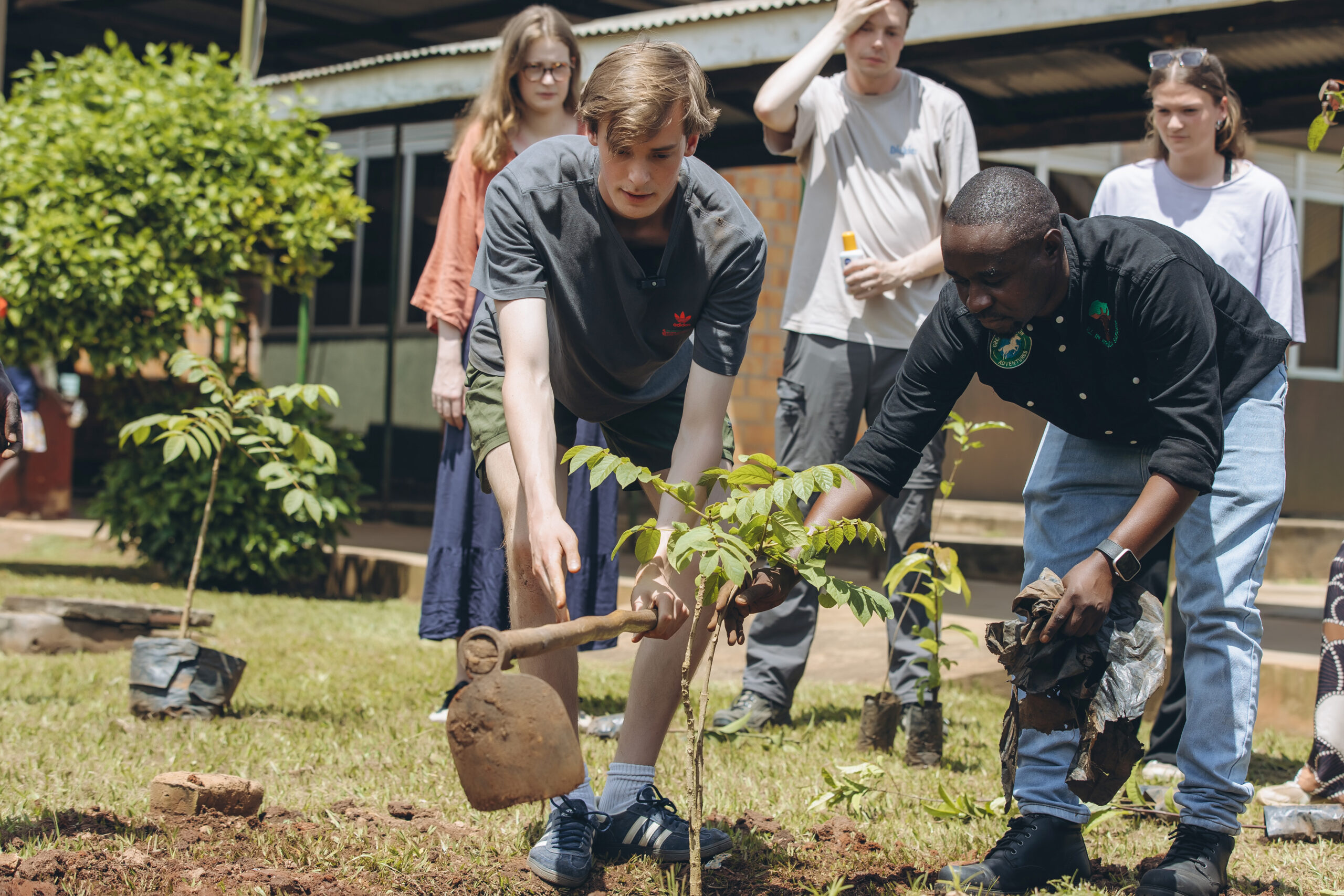
At its core, the campaign encourages individuals, schools, community groups, and institutions to actively participate in planting and caring for trees. However, its value goes far beyond planting seedlings. It creates a structured approach to environmental restoration while also integrating education, community engagement, and long-term ecological monitoring.
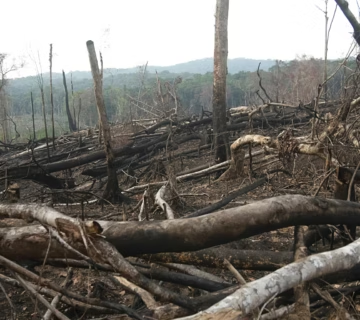
Uganda’s environment has faced significant stress over the years, especially due to deforestation for charcoal production, timber harvesting, and land conversion. As a result, tree planting initiatives like Greenspot are not just beneficial but necessary for ecological recovery and future resilience.
Restoring Uganda’s Forest Cover and Natural Ecosystems
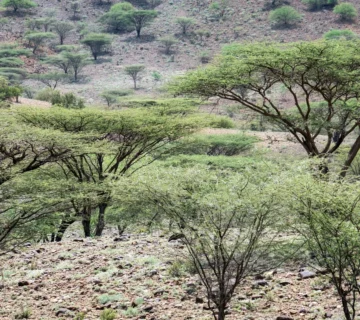
One of the most immediate and visible benefits of the Greenspot tree planting campaign is its contribution to restoring Uganda’s declining forest cover. Forests play a vital role in maintaining ecological balance, yet Uganda has experienced a steady reduction in tree density in many regions.
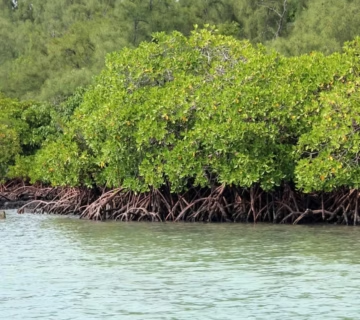
Through coordinated planting efforts, degraded landscapes can gradually be transformed into greener and more productive ecosystems. This restoration helps revive biodiversity by creating habitats for birds, insects, and wildlife that depend on trees for survival. Over time, reforested areas also regain their natural ability to regulate water cycles and maintain soil structure.
The impact is especially significant in rural areas where land degradation has affected both livelihoods and environmental stability. By reintroducing indigenous and fruit-bearing tree species, communities not only restore nature but also improve long-term land productivity.
Climate Change Mitigation and Environmental Protection
Uganda, like many countries in East Africa, is increasingly affected by climate change. Unpredictable rainfall patterns, prolonged droughts, and flooding events have become more frequent and disruptive. Tree planting plays a direct role in addressing these challenges.
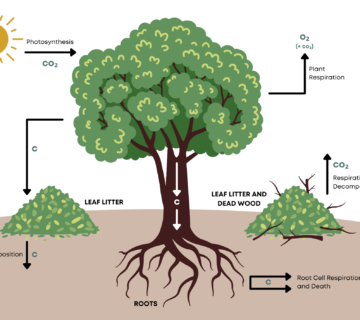
Trees absorb carbon dioxide from the atmosphere, acting as natural carbon sinks that reduce greenhouse gas concentrations. This process helps slow down global warming while also improving local air quality. In addition, trees influence microclimates by regulating temperature, increasing humidity, and supporting rainfall patterns through evapotranspiration.
The Greenspot campaign therefore contributes to both local and global climate action goals. While individual trees may seem small in impact, large-scale coordinated planting efforts create measurable environmental benefits over time.
Protecting Soil, Water Sources, and Agricultural Productivity
Another critical contribution of tree planting in Uganda is the protection of soil and water systems. Many parts of the country depend heavily on agriculture, which in turn relies on healthy soils and stable water availability.
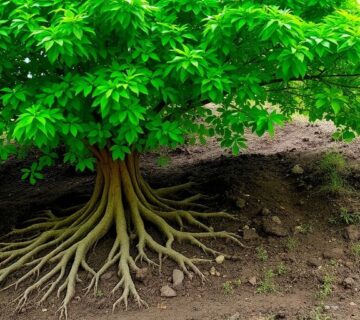
Tree roots help bind soil together, significantly reducing erosion caused by heavy rains and surface runoff. This is particularly important in hilly and highland regions where landslides and soil loss are common challenges. Trees also improve soil fertility by adding organic matter through leaf litter decomposition.
In terms of water protection, trees play a key role in safeguarding rivers, wetlands, and groundwater systems. They improve water infiltration into the soil, reduce evaporation, and help maintain steady water flow in streams and rivers throughout the year.
For farmers, this translates into improved agricultural stability, better crop yields, and reduced vulnerability to climate-related shocks.
Economic Opportunities and Green Livelihoods
Beyond environmental restoration, the Greenspot tree planting campaign also creates important economic opportunities. Tree planting activities generate demand for seedlings, nursery management, land preparation, and ongoing tree maintenance. This opens up income-generating opportunities for local communities.
Youth and women, in particular, benefit from involvement in tree nurseries and agroforestry projects. Fruit trees such as mangoes, avocados, and citrus not only support environmental goals but also provide long-term household income through fruit sales.
In urban areas, tree planting also supports landscaping, beautification projects, and carbon credit initiatives that can attract investment in green development.
By linking environmental restoration with economic incentives, the campaign ensures that conservation becomes a practical and rewarding activity rather than a purely voluntary effort.
Improving Urban Living Conditions and Public Health
In cities such as Kampala and other rapidly growing urban centers, tree planting has direct benefits for public health and quality of life. Urban trees reduce air pollution by filtering dust and harmful particles. They also provide shade, which lowers temperatures and reduces the urban heat island effect.
This cooling effect is especially important in densely populated areas where concrete structures absorb and retain heat. Trees help make urban environments more livable by improving comfort in public spaces, reducing heat stress, and enhancing overall well-being.
Additionally, greener urban environments have been linked to improved mental health, reduced stress levels, and increased community interaction. Parks, roadside trees, and green corridors all contribute to a healthier and more attractive city landscape.
Environmental Education and Community Awareness
A significant but often overlooked benefit of the Greenspot campaign is its role in environmental education. Through participation in tree planting activities, communities gain practical knowledge about environmental conservation, climate change, and sustainable land management.
Schools especially benefit from such initiatives as students learn through hands-on experience. They understand the importance of trees not just in theory but through direct involvement in planting and caring for them.
This educational aspect helps shape long-term environmental responsibility. As awareness increases, communities become more likely to protect existing trees and support future conservation efforts.
Strengthening Community Empowerment and Social Cohesion
Tree planting is also a powerful tool for community empowerment. It brings people together around a shared goal and encourages cooperation across different social groups. When communities collectively plant and care for trees, they develop a sense of ownership over their environment.
This shared responsibility strengthens local leadership and encourages participation in other development activities. It also builds trust among community members, as everyone contributes to a visible and meaningful outcome.
In the long term, this collective action fosters stronger, more resilient communities that are capable of addressing other social and environmental challenges together.
The Greenspot tree planting campaign plays a vital role in Uganda’s environmental and socio-economic development. Its impact extends far beyond planting trees, touching areas such as climate change mitigation, soil and water conservation, agricultural productivity, job creation, urban health, education, and community empowerment.
By encouraging widespread participation and long-term care of trees, the campaign helps build a greener and more sustainable Uganda. It demonstrates that environmental restoration is not just a government responsibility but a collective effort that involves individuals, schools, communities, and institutions working together toward a shared future.
How to travel and make arrangements for the Greenspot Campaign if coming from Foreign land?
All in Africa Safaris is here to make the Travel flexible and enjoyed towards every foreign visitor that would want this kind of opportunity of leaving a tree legacy behind in Africa for the improvement of the eco system and the children and grand children to visually prove that one person of the family has ever been a a strong pillar to the fresh air and greener environment on the earth.
After the Safari plan you will get the best experience of human life Travelling with ALL IN AFRICA SAFARIS ITS THE BEST LIFE ENJOYMENT ACTIVITY YOU CAN GIVE YOURSELF