Kenya Gorilla Trekking Physical Challenges
Kenya has no wild gorilla population of its own, mountain gorillas live only in a small stretch of the Albertine Rift shared by Uganda, Rwanda and the Democratic Republic of Congo, so any Kenya-based trip that includes gorilla trekking is really a combined itinerary: a Kenya safari plus a short add-on to one of those neighboring countries. Because Nairobi is such a well-connected regional hub, this combination is easier to arrange than many travelers expect.
The Real Physical Challenge: The Forest, Not Kenya
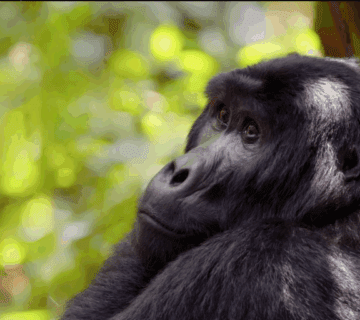
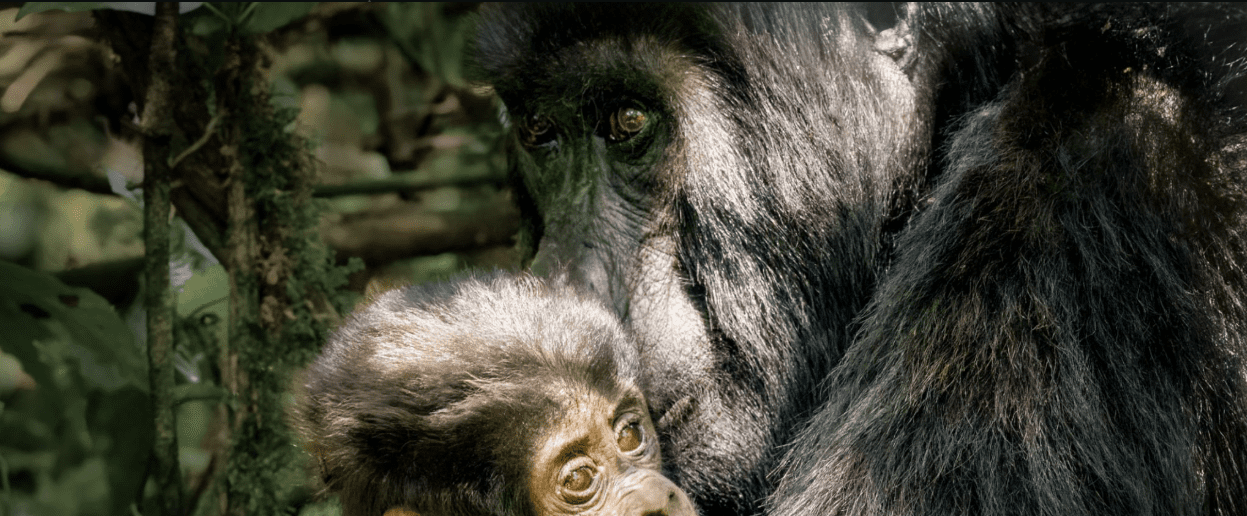
The demanding terrain associated with gorilla trekking belongs to Uganda’s Bwindi Impenetrable National Park and Rwanda’s Volcanoes National Park, not Kenya, since gorillas exist only in this stretch of the Albertine Rift. Trekkers hike through dense, often steep and muddy rainforest at altitudes generally between 1,500 and 2,600 meters, a genuine physical test that can take anywhere from thirty minutes to several hours depending on where the gorilla family is ranging that day.
What Makes the Terrain Demanding
Steep, slippery slopes, dense vegetation that sometimes needs to be cleared with a machete, and altitude that leaves even fit trekkers breathless are all part of the experience, and rainfall can make trails considerably more difficult with little warning given the rainforest setting. Porters are available at every trailhead and are strongly recommended for anyone unsure of their fitness level, since they can carry your pack and offer a steadying hand on the toughest sections.
Preparing Your Body Beforehand
Building general cardiovascular fitness through walking, jogging or hiking in the weeks before your trip, along with some leg and core strength work, makes a meaningful difference in how enjoyable the trek feels. You don’t need to be an elite athlete, but a baseline level of fitness turns a potentially exhausting slog into a manageable, memorable hike.
Combining This with a Kenya Safari
Because the trekking itself happens outside Kenya, a combined itinerary typically front-loads the more relaxed, vehicle-based game drives in Kenya before the physically demanding forest trek in Uganda or Rwanda, letting travelers ease into the trip before the most strenuous day.
Mental Preparation Matters Too
Beyond physical fitness, a realistic mindset going into the trek helps considerably: the walk to reach a gorilla family can take far longer than expected on a difficult day, and accepting that uncertainty upfront makes the eventual encounter feel like even more of an achievement. Guides and porters are experienced at pacing groups with mixed fitness levels, so falling behind isn’t something to be anxious about, everyone reaches the gorillas together regardless of pace.
Health Conditions Worth Discussing with a Doctor
Travelers with joint issues, respiratory conditions, or concerns about high-altitude exertion should discuss the physical demands of gorilla trekking with a doctor before booking, since the combination of altitude, uneven terrain and multi-hour hikes is genuinely strenuous. This is also worth mentioning to your tour operator in advance, since some parks can assign trekkers to gorilla families known to range closer to the trailhead on a given day.
Recovery After the Trek
Building a rest day into your itinerary immediately after the gorilla trek, rather than an early flight back to Kenya the same afternoon, gives tired muscles a chance to recover and lets you properly process what is, for most travelers, one of the most physically and emotionally intense days of the entire trip.
Comparing the Challenge to Other Popular Treks
Gorilla trekking is generally less technically demanding than climbing Kilimanjaro or Mount Kenya, since it involves no summit push or extended multi-day exertion, but the combination of unpredictable terrain, unclear trail duration, and forest humidity makes it feel harder, minute for minute, than many travelers expect from the trip descriptions they read beforehand. Comparing it to a demanding day-hike rather than a mountain expedition is a more accurate mental model.
What Happens If You Can’t Continue
If a trekker becomes too exhausted or unwell to continue partway through, rangers and porters are trained to assist, and in some circumstances a sedan chair carried by a small team can be arranged for a fee, though this should ideally be discussed with your operator in advance rather than assumed as a backup plan. Being upfront about your fitness level when booking helps your operator make sure a workable backup option is available if needed.
Building a Simple Training Plan
A basic eight-week plan, walking or hiking three times a week with gradually increasing distance and elevation, plus two sessions of leg and core strength work, is enough preparation for most reasonably healthy adults to handle the trek comfortably. Starting this routine well before your trip, rather than cramming fitness preparation into the final week, makes the biggest difference on trekking day itself.
Ultimately, the physical challenge is real but manageable for most reasonably fit travelers who prepare in advance, and the sense of accomplishment on reaching the gorillas makes the effort worthwhile.
Listening to Your Body on Trekking Day
Pacing yourself deliberately from the first step, rather than starting fast and burning out partway up a steep section, makes a noticeable difference over a multi-hour hike. Guides are used to setting a sustainable pace for mixed-fitness groups, and there’s no shame in asking to slow down; the goal is reaching the gorillas in reasonable shape to enjoy the encounter, not setting a speed record on the way there.
With realistic preparation and the right mindset, the physical challenge becomes part of what makes the achievement memorable.