Kenya Gorilla Trekking Family-Friendly Tours
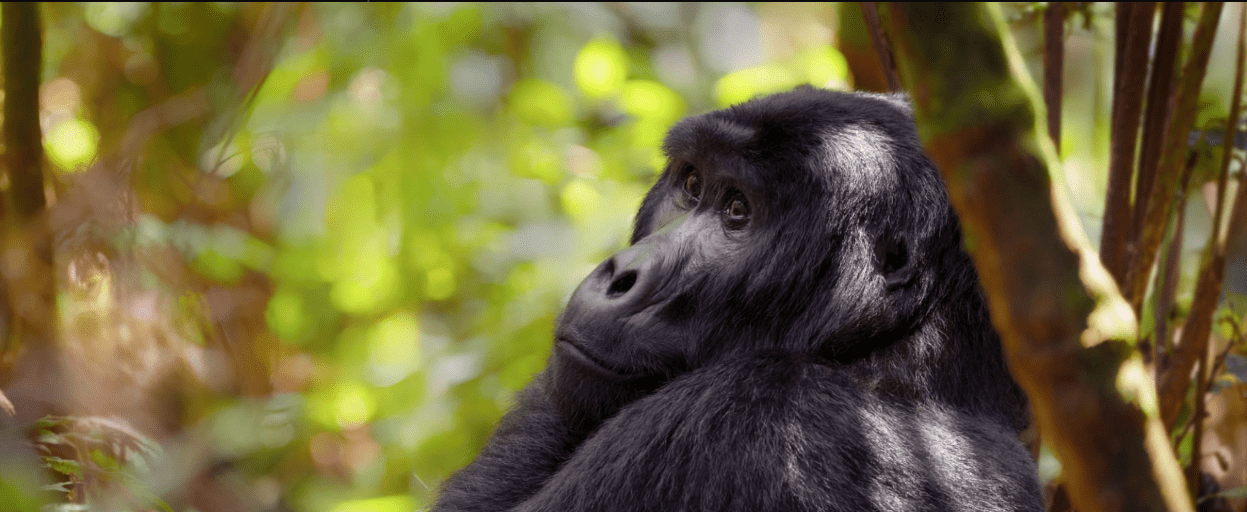
Kenya has no wild gorilla population of its own, mountain gorillas live only in a small stretch of the Albertine Rift shared by Uganda, Rwanda and the Democratic Republic of Congo, so any Kenya-based trip that includes gorilla trekking is really a combined itinerary: a Kenya safari plus a short add-on to one of those neighboring countries. Because Nairobi is such a well-connected regional hub, this combination is easier to arrange than many travelers expect.
The Age Rule Families Need to Know
Gorilla trekking in both Uganda and Rwanda has a strict minimum age of fifteen, a rule set by park authorities to protect the gorillas from human illnesses that younger children are statistically more likely to carry, so a family itinerary needs to plan around this restriction rather than assume the whole family can trek together. Families with younger children typically split the itinerary: parents and teens over fifteen join the trek, while younger children stay at the lodge with supervised activities, or the family skips the gorilla add-on entirely and focuses on Kenya’s family-friendly safari parks.
Making the Kenya Leg Family-Friendly
Kenya itself is an excellent choice for family safaris, with parks like Amboseli, Lake Nakuru and the Maasai Mara offering easy game viewing, shorter drive times between sightings, and lodges accustomed to catering to children with kids’ menus, family rooms and sometimes dedicated activity programs. Building most of the itinerary around Kenya, with the gorilla trek reserved for older teens or a couple traveling separately for a few days, is the most practical way to include everyone.
Alternative Primate Experiences for Younger Children
Families with children under fifteen can still include a primate experience by visiting chimpanzee tracking in Uganda’s Kibale Forest, which has no strict age minimum in most cases, or golden monkey trekking in Rwanda, both gentler alternatives to the full gorilla trek.
Planning the Logistics
A family itinerary combining Kenya and a gorilla add-on works best with a generous overall timeframe, ten days or more, so that flights, transfers and rest days don’t feel rushed with children in tow.
Choosing Family-Friendly Lodges for the Kenya Leg
Family-oriented lodges in Kenya’s Maasai Mara, Amboseli and Lake Nakuru commonly offer family rooms or adjoining tents, kids’ activity programs, and shorter, more flexible game drive schedules better suited to children’s attention spans than a full-day drive. Booking these family-oriented properties for the Kenya portion sets a good tone for the rest of the trip, even if the gorilla add-on is reserved for the adults or older teens in the group.
Keeping Younger Children Engaged
For the portion of the trip where younger children aren’t trekking, activities like a guided nature walk around the lodge grounds, a cultural village visit, or simply a swimming pool and children’s program at the property can keep them happily occupied while other family members are in the forest. Planning this in advance with your lodge, rather than assuming it will work itself out, avoids a frustrating gap in the itinerary.
Is It Worth Splitting the Group?
Many families find that splitting the group for just the trekking day, some members trek while others enjoy a relaxed day at the lodge, works better than trying to force a one-size-fits-all itinerary, since it lets everyone participate in the parts of the trip suited to their age and interests.
Talking to Kids About the Gorillas Beforehand
For children who won’t be old enough to trek, spending some time before the trip watching documentaries or reading about mountain gorillas together can make them feel included in the experience even if they’re not hiking into the forest themselves. Many lodges near the trekking parks also offer child-friendly conservation talks or short nature walks that give younger family members a taste of the environment without the demanding hike.
Balancing Excitement with Realistic Expectations
It’s worth preparing teenagers who are old enough to trek for the physical demands involved, since the reality of a multi-hour uphill hike can come as a surprise to a first-time trekker expecting a short, easy walk. Framing it honestly as a challenging but deeply rewarding day, rather than oversimplifying it, sets the right expectations for a positive family experience.
Travel Insurance Considerations for Families
Family travel insurance policies should be checked specifically for coverage of activities like gorilla trekking, since some standard policies exclude higher-risk adventure activities unless added as a rider. Confirming this detail before departure, rather than assuming standard family coverage applies, avoids an unpleasant surprise if a claim is ever needed.
With the right lodge choices and a realistic plan for who treks and who doesn’t, a combined Kenya and gorilla trekking trip can work well for families with a wide age range.
Sample Family Itinerary Structure
A typical successful family itinerary might run five to six days in Kenya covering two or three parks, followed by a three-day add-on to Uganda or Rwanda where trekking-eligible family members hike while younger children enjoy lodge-based activities, before everyone reunites for a final relaxed day together. Structuring the trip this way keeps travel days to a minimum while giving each family member an itinerary suited to their age.
With thoughtful planning, this kind of multi-generational itinerary has become an increasingly popular way for families to experience both Kenya and gorilla trekking together.
Discussing these details openly as a family before booking helps set expectations for everyone, adults and children alike, well before departure day.