How to Train for High-Altitude Hikes in East Africa
High-altitude hikes in East Africa are among the most rewarding adventures any trekker can experience. From the snow-capped peaks of Mount Kilimanjaro to the rugged trails of Mount Kenya and the breathtaking Simien Mountains, these treks offer unparalleled beauty and a profound sense of accomplishment. However, preparing for high-altitude hikes requires more than just physical endurance—it demands mental resilience, proper acclimatization, and strategic training.
If you’re dreaming of conquering these majestic peaks, this guide will provide you with a comprehensive training plan to ensure you’re fully prepared for the challenge. Whether you’re a seasoned hiker or a beginner, these tips will help you build the strength, stamina, and confidence needed to succeed.
Understanding the Challenges of High-Altitude Hikes
Before diving into training, it’s essential to understand what makes high-altitude hikes so demanding.
1. Altitude Sickness
As you ascend beyond 8,000 feet (2,400 meters), the air becomes thinner, reducing oxygen levels. This can lead to altitude sickness, with symptoms like headaches, nausea, dizziness, and fatigue. Proper acclimatization is crucial to avoid severe conditions like High Altitude Pulmonary Edema (HAPE) or High Altitude Cerebral Edema (HACE).
2. Extreme Weather Conditions
East Africa’s high-altitude hikes expose you to rapidly changing weather—freezing temperatures at night, strong winds, and even snow. Proper gear and physical conditioning are necessary to withstand these conditions.
3. Long, Steep Ascents
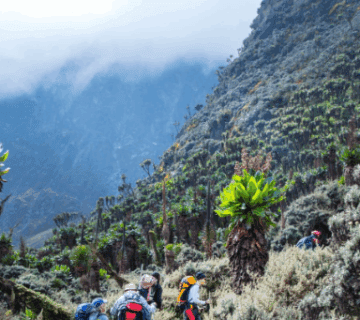
Trails like Kilimanjaro’s Barranco Wall or Mount Kenya’s Chogoria Route involve steep, rocky climbs that test your endurance and leg strength. Training should focus on building both cardiovascular fitness and muscular endurance.
Step-by-Step Training Plan for High-Altitude Hikes
1. Start Early (3-6 Months Before Your Hike)
High-altitude hikes require gradual preparation. Begin training at least three to six months before your trek to build endurance and strength progressively.
Cardiovascular Training
Running or Cycling: Aim for 3-4 sessions per week (30-60 minutes each) to improve heart and lung capacity.
Stair Climbing: Simulate uphill hiking by climbing stairs with a weighted backpack.
Swimming: Enhances lung efficiency, which is crucial for high-altitude oxygen adaptation.
Strength Training
Leg Workouts: Squats, lunges, and step-ups strengthen quads, hamstrings, and calves.
Core Exercises: Planks and Russian twists improve balance and stability on uneven terrain.
Back and Shoulder Strength: Deadlifts and shoulder presses help with carrying a backpack.
2. Simulate Hiking Conditions (2-3 Months Before)
As your hike approaches, shift to more specific training:
Weekend Hikes: Go on long hikes (6-8 hours) with a loaded backpack (10-15 kg) to mimic trekking conditions.
Hill Repeats: Find a steep hill and hike up and down repeatedly to build endurance.
Altitude Training (If Possible): If you live at low altitude, consider using an altitude mask or training at higher elevations.
3. Mental Preparation
High-altitude hikes are as much a mental challenge as a physical one.
Visualization: Picture yourself reaching the summit—this boosts motivation.
Breathing Techniques: Practice deep, rhythmic breathing to improve oxygen intake.
Positive Mindset: Prepare for discomfort and remind yourself why you’re doing this.
4. Acclimatization Strategies
Choose a Longer Route: Opt for routes with built-in acclimatization days (e.g., Kilimanjaro’s Lemosho Route).
Climb High, Sleep Low: This technique helps your body adjust to altitude.
Hydration and Nutrition: Drink 4-5 liters of water daily and eat high-carb meals for energy.
Essential Gear for High-Altitude Hikes
Having the right gear can make or break your trek. Here’s a checklist:
Layered Clothing: Moisture-wicking base layers, insulating mid-layers, and a waterproof outer shell.
Sturdy Hiking Boots: Break them in before the trek to avoid blisters.
Trekking Poles: Reduce knee strain on descents.
Sleeping Bag: Rated for sub-zero temperatures.
Headlamp: Essential for early summit attempts.
Final Tips for Success
Listen to Your Body: If you feel severe altitude sickness symptoms, descend immediately.
Pace Yourself: Slow and steady wins the race—don’t rush.
Train with a Partner: Hiking with a friend keeps you accountable.
Consult a Doctor: Get a medical check-up before attempting high-altitude hikes.
High-altitude hikes in East Africa are life-changing adventures, but they require dedication, preparation, and respect for the mountains. By following this training plan, you’ll build the physical and mental strength needed to conquer these peaks. Remember, every step you take in training brings you closer to standing on the summit, gazing at the breathtaking views that only high-altitude hikes can offer.
Start training today, stay disciplined, and soon, you’ll be ready to take on the majestic trails of East Africa. The mountains are calling—will you answer?
Why Choosing a Longer Acclimatization Route Genuinely Outperforms Rushing a Faster Itinerary
Routes like Kilimanjaro’s Lemosho, which build in extra acclimatization days, genuinely improve summit success rates far more than any single training regimen could on its own, since altitude adaptation simply takes time that no amount of pre-trip fitness can substitute for. Trekkers tempted to save a day or two by choosing a shorter route genuinely often regret it when altitude sickness forces a slower pace or an early turnaround anyway. All in Africa Safaris can recommend routes with acclimatization schedules suited to your experience level.
How the Climb-High-Sleep-Low Technique Genuinely Trains Your Body Before Summit Night
Ascending to a higher elevation during the day before descending to sleep at a lower one genuinely gives your body repeated, controlled exposure to thinner air, triggering physiological adaptations gradually rather than all at once. This technique, built into well-designed itineraries, genuinely reduces the shock of summit night compared to a route that pushes straight upward without these controlled exposures.
Why Stair Climbing With a Weighted Pack Genuinely Simulates Real Trekking Conditions Better Than Running Alone
Pure cardiovascular training like running genuinely builds heart and lung capacity, but it doesn’t replicate the specific muscular demand of repeated uphill steps under load, which is exactly what summit day requires. Combining both, genuinely running for cardio base and weighted stair climbing for trek-specific strength, prepares your body more completely than either alone. All in Africa Safaris can advise on training approaches suited to your specific chosen peak.
What Makes Breaking In Hiking Boots Genuinely Non-Negotiable Before a Multi-Day Trek
New boots worn for the first time on a multi-day summit attempt genuinely risk blisters severe enough to derail an entire trek, a completely avoidable problem that simply requires wearing them on training hikes weeks beforehand. This is one of the simplest preparation steps genuinely most likely to be overlooked by first-time high-altitude trekkers.
Why Mental Preparation Genuinely Matters as Much as Physical Training on Summit Night
Summit attempts typically begin around midnight, in freezing temperatures, after days of accumulated fatigue, conditions where mental resilience genuinely becomes the deciding factor between reaching the top and turning back. Trekkers who’ve practiced visualization and breathing techniques beforehand genuinely handle these demanding final hours better than those relying on physical fitness alone. All in Africa Safaris can help you prepare mentally as well as physically for your summit attempt.
How Recognizing Altitude Sickness Symptoms Early Genuinely Prevents Serious Medical Emergencies
HAPE and HACE develop from ignored early symptoms, meaning genuinely the difference between a manageable headache and a life-threatening emergency often comes down to whether a trekker descends promptly when warning signs appear. No summit is genuinely worth ignoring these signals, and reputable guides are trained to make this call decisively when necessary.
Why Starting Training Three to Six Months Out Genuinely Beats a Rushed Fitness Push
Cardiovascular and muscular adaptations genuinely take months to build properly, and cramming intense training into just a few weeks before departure genuinely risks injury rather than delivering the fitness gains a longer, progressive plan would provide. Trekkers who commit to the full three-to-six-month window genuinely arrive noticeably more prepared than those who scramble at the last minute.
How Hydration and High-Carb Nutrition Genuinely Support Your Body’s Altitude Adaptation
Drinking four to five liters of water daily and prioritizing carbohydrate-rich meals genuinely supports the increased metabolic demands altitude places on your body, helping offset some of the fatigue and appetite loss that commonly accompanies high-elevation trekking. Neglecting this aspect of preparation genuinely undermines even the strongest physical training beforehand. All in Africa Safaris can advise on nutrition and hydration strategies for your specific trek.
Why Training With a Partner Genuinely Improves Consistency Over a Multi-Month Plan
Accountability genuinely matters more over a three-to-six-month training window than most people expect, since motivation naturally dips partway through a long preparation period. A training partner, or even a group committed to the same trek, genuinely helps sustain the consistency that a solo training plan often struggles to maintain past the first few weeks.
Why a Pre-Trip Medical Check-Up Genuinely Catches Issues Training Alone Wouldn’t Reveal
A doctor can genuinely flag cardiovascular or respiratory concerns that might not surface during normal training but could become serious at altitude, making this simple step a genuinely worthwhile precaution before committing months to a training plan.
Planning Your High-Altitude East Africa Trek
From structured training to smart route selection, genuinely proper preparation transforms a high-altitude hike from a physical gamble into an achievable, unforgettable summit. All in Africa Safaris can turn this overview into a fully confirmed trekking itinerary tailored to your fitness level and travel dates.