Birding Checklist in Semuliki National Park.
Semuliki National Park Birding Checklist: Situated in the western arm of the Rift Valley, along the Ugandan border with the Democratic Republic of the Congo (DRC), Semuliki National Park is a veritable birding paradise. The park, which was created in 1993, includes 219 square kilometers of the only lowland tropical rainforest in East Africa.
In addition, Semuliki is home to a wide variety of bird and butterfly species, making it one of Africa’s most diverse regions in terms of floral and faunal species. The Uganda Wildlife Authority, or “UWA,” is in charge of overseeing Semuliki National Park.
The park is situated between 670 and 760 meters above sea level on a flat to undulating landform. Additionally, it receives 1,250 mm of rainfall on average, with the highest amounts occurring between March and May and between September and December.
With just minor daily fluctuations, the park’s temperature ranges from 18 to 30 degrees Celsius.
In addition to the birdlife, Semuliki National Park boasts two hot springs that serve as its main draws. One of these, Mumbuga Spring, is a geyser-like feature that forms a 0.5-meter-high fountain. It draws a lot of shorebirds and offers salt licks for a variety of animals.
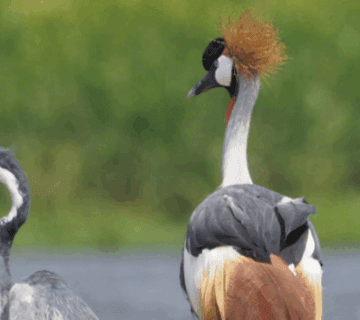
More than 400 bird species can be found in the park, including the Western Bronzo-napped Pigeon, the Piping Hornbill, the White-bellied Kingfisher, the Long-tailed Hawk, the Spot-breasted Ibis, the Lyre-tailed Honey Guide, and the Nkulengu Rail.
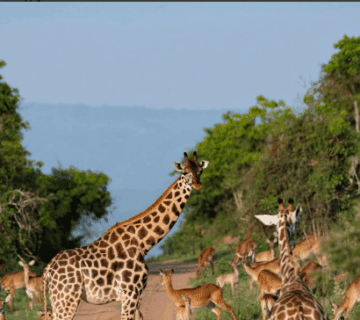
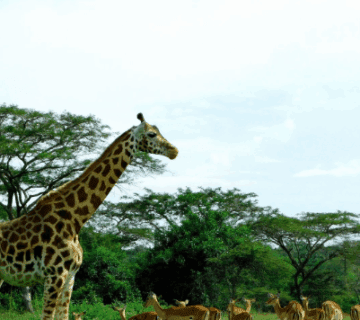
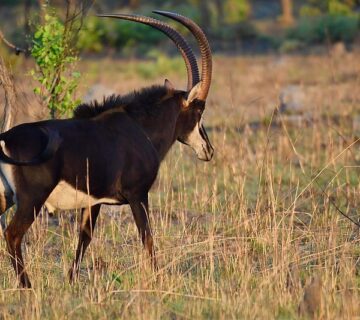
Hippopotamus, mona monkeys, water chevrotains, African civets, African buffalo, leopards, bush babies, Sitatunga, White-bellied duikers, Beecroft’s Anomalure, African elephants, and Pygmy scaly-tailed flying squirrels are among the more than 60 mammal species that call Semuliki National Park home. In addition, there are eight species of monkeys in the park, including nocturnal ones like Pottos and Galagos, and over 460 kinds of butterflies. Semuliki National Park Birding Checklist.
The Long-tailed Hawk, Congo Serpent Eagle, Lyre-tailed Honeyguide, Nkulengu rail, and Black-wattled Hornbill are just a few of the many primarily Central African species found in Semuliki National Park that are unique to East Africa.Unverified reports of the internationally endangered Lesser Kestrel exist.
Despite not being suitable for the Sudan-Guinea Savanna biome, the region is home to six biome species, including the Red-throated Bee-eater, Piapiac, and Purple Glossy-starling, which are found far south of their range. Four species of birds from the Lake Victoria Basin biome and sixteen species of birds from the Guinea Congo Forests biome are frequently seen in wildlife nature reserves.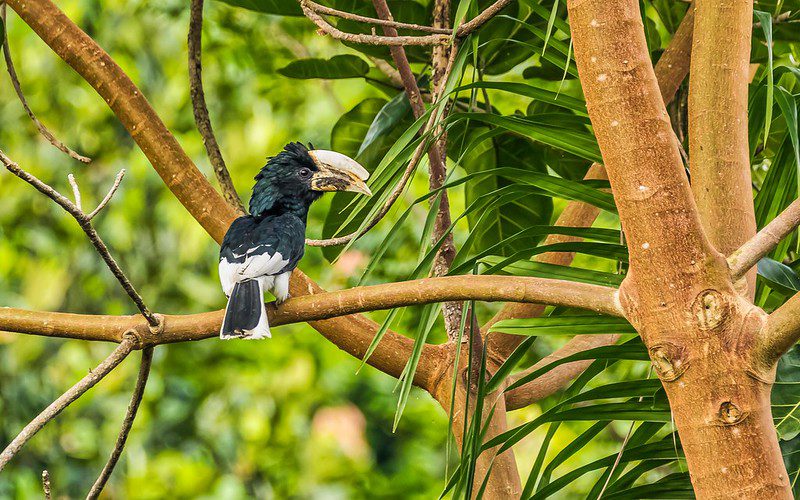
The Ituri woodlands are the finest places to see other bird species in Semuliki National Park, such as the Spotted Greenbul, White-throated Blue Swallow, Blue Swallow, and Swamp Palm Bulbul.Common Stonechat, Capped Wheatear, Red-eyed Puffback, Snowy-headed Robin-Chat, Blue-shouldered Robin-Chat, Northern Bearded Scrib-Robin,Little Grey Greenbul, Toro Olive Greenbul, Mountain Greenbul, Abyssinian Ground-Thrush, Grey Ground-Thrush, Western Nicator,The Red-thighed sparrowhawk, Grant’s Bluebill, Goshawk, Purple-throated Cuckoo-shrike, and Petite’s Cuckoo-shrikeBlue-headed Coucal, Afep pigeon, White-bellied Kingfisher, Shining-blue kingfisher, Gabon woodpecker, Cassin Spine tail, Bate’s Nightjar, Swamp Nightjar,Among them are the hairy-breasted, yellow-billed, double-toothed, and black-billed barbets.
Semuliki National Park’s Northern Bearded Scrib-Robin Birding Checklist
At least 235 species of moths have been classified here, and the park is home to over 46 species of forest swallowtail and charaxe butterflies, which make up “75% of Uganda’s total.” Additionally, 305 tree species have been identified, and roughly 125 bird species are Albertine.
You can visit the “Batwa people,” who lived near the Ntandi a few years ago, and other people in the park, such as Bwamba, Bakonzo, Babwitsi, Batooro, and Babutoku, while you’re in Semuliki National Park.
Accessibility: Visitors can reach Semuliki National Park by driving five to six hours from Kampala to the Fort gate via Mubende. Alternately, you can use the Kampala-Fort gateway through Masaka, Mbarara, and Kasese; however, the trip takes seven to eight hours by car.
Why Semuliki’s Rainforest Status Makes It Genuinely Unique
As East Africa’s only lowland tropical rainforest, Semuliki hosts species found nowhere else in Uganda’s other parks. This rarity is exactly why serious birders treat it as a genuine bucket-list destination. All in Africa Safaris can build a dedicated Semuliki birding trip around this specific ecosystem.
What Makes the Central African Species List So Valuable
Birds like the Nkulengu Rail and Long-tailed Hawk rarely appear anywhere else in East Africa. Spotting them here genuinely rewards travelers willing to venture beyond Uganda’s more standard birding circuits.
Why the Hot Springs Draw More Than Just Birds
Mumbuga Spring’s mineral-rich water attracts a genuine range of wildlife beyond birds, offering salt licks that pull mammals into the open for easier viewing alongside your birding walk.
How the Ituri Woodlands Sector Differs From the Main Trail
This specific area concentrates species like the Spotted Greenbul and Swamp Palm Bulbul that are genuinely harder to find elsewhere in the park. A dedicated guide familiar with this sector improves your odds considerably.
Why Early Morning Walks Genuinely Matter Here
Rainforest bird activity peaks in the cooler early hours before the canopy heats up. A dawn start genuinely improves your chances of spotting the park’s more elusive species.
What the Batwa Community Visit Adds to a Birding Trip
Beyond wildlife, learning about the Batwa’s historical connection to this forest offers genuine cultural context that rounds out a purely birding-focused visit.
Why This Park Suits Dedicated Birders More Than Casual Visitors
Semuliki’s appeal centers almost entirely on its exceptional bird and butterfly diversity rather than big-game viewing. Travelers specifically prioritizing birding get genuinely more out of a visit here than general wildlife tourists.
How to Prepare for Rainforest Walking Conditions
Humidity, occasional mud, and dense vegetation call for sturdy waterproof boots and quick-drying clothing. This differs meaningfully from packing for a standard savannah game drive.
Why the Long Drive From Kampala Is Worth the Effort
Five to eight hours by road sounds demanding, but the payoff, access to species found nowhere else in Uganda, genuinely justifies the journey for committed birders. All in Africa Safaris can arrange comfortable transport for this longer transfer.
What Butterfly Enthusiasts Should Know About This Park
With roughly seventy-five percent of Uganda’s forest swallowtail and charaxe species found here, Semuliki genuinely rewards travelers interested in butterflies as much as birds.
Why Combining Semuliki With Other Western Uganda Parks Makes Sense
Many birders pair Semuliki with Kibale Forest or Queen Elizabeth National Park, building a genuinely comprehensive western Uganda circuit around forest and savannah species alike. All in Africa Safaris can sequence this broader itinerary around your Semuliki visit.
How Seasonal Rainfall Affects Birding Conditions
Peak rainfall between March and May, and again September through December, can make trails genuinely muddier. Drier months between these windows offer more comfortable walking conditions.
Why a Knowledgeable Local Guide Is Genuinely Essential Here
Given the sheer number of similar-looking forest species, a guide skilled in call identification dramatically improves what you’re able to spot and confirm during your visit.
Why the Albertine Rift Endemics Matter So Much Here
Roughly 125 bird species found in Semuliki belong specifically to the Albertine Rift region. This concentration genuinely makes the park a priority stop for birders building a regional Albertine species list.
What Makes the Kestrel Reports Genuinely Intriguing
Unverified sightings of the internationally endangered Lesser Kestrel add a layer of genuine mystery for dedicated birders hoping to be among the first to confirm its presence here.
Why Temperature Consistency Genuinely Benefits Birding
With daily temperatures staying within a fairly narrow range year-round, bird activity patterns remain genuinely more predictable here than in parks with sharper seasonal temperature swings.
How the Park’s UWA Management Supports Conservation
Ongoing oversight by the Uganda Wildlife Authority protects this rare lowland rainforest ecosystem, work that directly sustains the exceptional biodiversity drawing birders here in the first place.
Why Visiting With a Small Group Genuinely Improves Sightings
Quiet, small groups move through dense forest with less disturbance, genuinely improving the odds of spotting shy species that larger, noisier groups tend to miss. All in Africa Safaris can arrange small, birding-focused group sizes for your visit.
Why Mammal Sightings Add a Genuine Bonus to a Birding Trip
With over sixty mammal species including elephants, buffalo, and leopards, Semuliki rewards birders who stay alert to more than just the canopy above them.
Why This Trip Rewards Travelers Willing to Go Off the Standard Circuit
Semuliki sits away from Uganda’s more heavily trafficked parks, and that relative obscurity is exactly what preserves its rare species and genuinely quiet, uncrowded birding experience.
Why Recording Your Sightings Genuinely Adds Value
Keeping a detailed log of species observed, alongside time and location, genuinely contributes useful data for ongoing park research while also building a meaningful personal record of your trip.
What to Bring Beyond Standard Birding Gear
Insect repellent, a wide-brimmed hat, and lightweight long sleeves genuinely help manage the humid rainforest environment alongside your binoculars and field guide.
Planning Your Semuliki Birding Safari
From rare Central African species to hot spring wildlife and rich butterfly diversity, Semuliki National Park offers a genuinely rewarding destination for dedicated birders. All in Africa Safaris can turn this overview into a fully confirmed itinerary tailored to your travel dates, bringing you face to face with one of Uganda’s most biodiverse corners.