
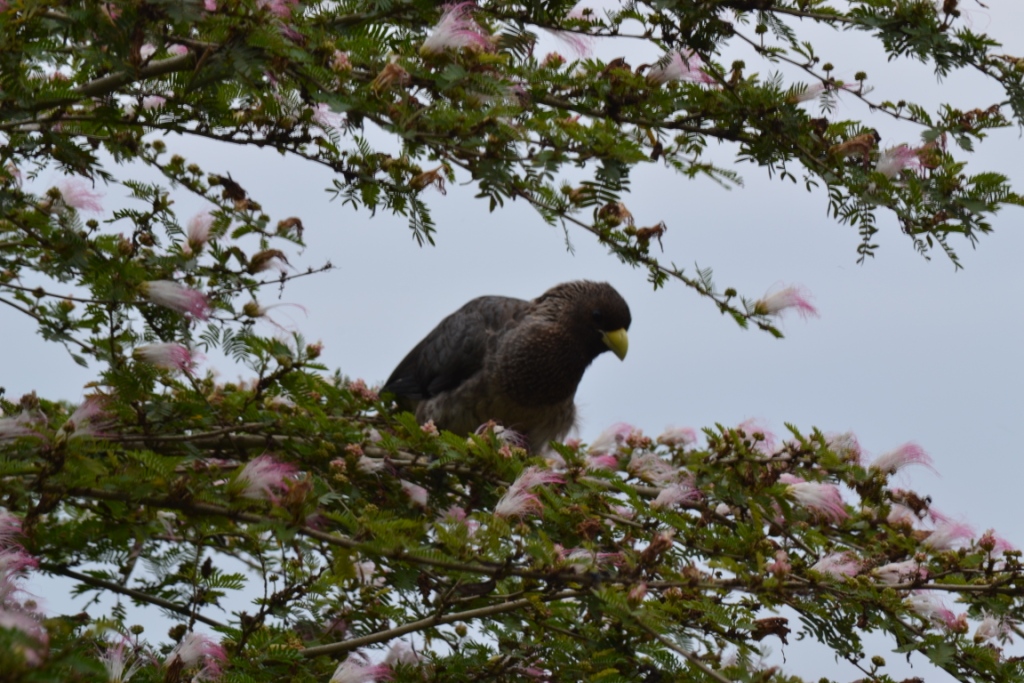
Why dawn is the best time for birdwatching on safari
Birdwatching on safari can be rewarding throughout the day, but the hours around sunrise often provide the greatest variety of activity. As the first light spreads across the savannah, forests, wetlands and riverbanks, birds begin calling, feeding, flying between roosting sites and searching for food. Some species sing from exposed branches, while others move through grass, reeds and tree canopies. For birdwatchers, this creates an excellent opportunity to hear and observe different species before the heat of the day changes their behaviour.
In East Africa, an early start can make a significant difference to your birdwatching experience. Uganda, Kenya, Tanzania and Rwanda support hundreds of resident and migratory bird species across different habitats. From colourful kingfishers along the Kazinga Channel to shoebills in Uganda’s wetlands, bee-eaters on open plains and forest birds in Kibale and Bwindi, many species become active during the early morning.
Dawn is especially valuable because several natural conditions work together. Temperatures are generally lower, birds are often vocal, feeding activity can be high, and the soft light makes observation and photography easier. However, not every bird follows the same daily routine. Understanding what happens during the first few hours of daylight helps you plan more productive birdwatching sessions.
The dawn chorus makes birds easier to locate
One of the most noticeable features of early morning birdwatching is the dawn chorus. This is the period when many birds sing and call around sunrise. The first sounds may begin before the sun appears, with individual calls gradually building into a mixture of whistles, chirps, trills and repeated notes.
Birds use calls and songs for several reasons. Some males sing to defend territories or attract potential mates. Others use vocalisations to maintain contact with partners, family groups or members of feeding flocks. Alarm calls can warn nearby birds about predators, while contact calls help individuals remain together when moving through thick vegetation.
For a birdwatcher, these sounds provide useful clues. You may hear a bird calling repeatedly from a tree without seeing it immediately. By identifying the direction and pattern of the call, you can narrow down the search area and watch the branches where the bird is likely to appear.
The dawn chorus also helps you identify species that remain difficult to see in dense habitats. Forest birds often call from the canopy or inside thick undergrowth. A patient observer can recognise their presence through sound before getting a clear view.
In Uganda’s Kibale Forest, for example, early morning walks can reveal the calls of forest-dwelling birds before the surrounding vegetation becomes busier with other sounds. In Bwindi Impenetrable National Park, listening carefully can help you locate different forest species moving through the trees. A knowledgeable bird guide can distinguish many calls and explain which birds are likely to be nearby.
The chorus does not continue at the same intensity throughout the day. Many species become quieter as the morning progresses, although some continue calling well into the afternoon.
Birds are often more active before temperatures rise
Temperature is another important reason to start birdwatching early. In many East African habitats, mornings are cooler than the middle of the day. As the sun rises, temperatures increase, particularly in open savannah, dry woodland and semi-arid areas.
Birds need to regulate their body temperature while maintaining enough energy for feeding, movement and other activities. During hot periods, some species reduce their movement, seek shade or remain in sheltered vegetation. Others continue feeding, but their activity may become less obvious to observers.
Early morning offers a more comfortable period for many birds to move between feeding areas. You may see weavers collecting nesting material, sunbirds visiting flowers, hornbills searching branches for fruit and ground-feeding species moving through grass.
Open habitats can become especially challenging for birdwatching later in the day. In places such as Murchison Falls National Park, Queen Elizabeth National Park and the Maasai Mara, the sun can become intense as the morning advances. Birds that were feeding in exposed grassland may move into trees or shrubs.
This does not mean that all birds stop feeding when the weather becomes hot. Waterbirds, raptors and species adapted to open environments may remain active. However, the early hours generally provide a useful period for observing a wider range of behaviour before heat influences movement.
Early morning is productive for observing feeding behaviour
Many birds begin their daily search for food during the first hours of daylight. After spending the night resting, they need to find insects, seeds, fruits, nectar, fish or other food depending on their diet.
This creates opportunities to observe natural feeding behaviour rather than simply seeing birds resting on branches. You might watch a kingfisher diving into water, a bee-eater catching an insect in flight or a sunbird feeding from a flowering plant.
In woodland and savannah habitats, insect-eating birds often become noticeable as they search leaves, branches and grass for prey. Flycatchers may launch from exposed perches to catch insects in the air. Cisticolas and other grassland birds move through vegetation, searching for small insects and other food.
Wetlands also become active in the morning. Herons, egrets, jacanas, storks and kingfishers may be seen feeding along shallow water, flooded grassland and papyrus edges. Some birds search for fish and aquatic invertebrates, while others probe wet soil for small prey.
At Mabamba Bay in Uganda, an early boat excursion offers opportunities to observe wetland birds moving through papyrus channels and open water. Shoebill sightings are never guaranteed, but an experienced local guide can help you search suitable feeding areas while avoiding unnecessary disturbance.
The same principle applies to the Kazinga Channel in Queen Elizabeth National Park. Early or morning boat trips can provide opportunities to observe kingfishers, fish eagles, herons and other water-associated birds. Feeding activity varies with water levels, weather and the availability of prey.
Soft morning light improves bird photography
Dawn is also a useful time for photographing birds. The light is generally softer than the strong sunlight experienced later in the day. This can help reduce harsh shadows, bright reflections and excessive contrast.
Birds often have intricate feather patterns and colours that become difficult to photograph under intense sunlight. A photograph taken in strong midday light may have bright highlights on the wings while darker parts of the body lose detail. Early morning light can provide more balanced exposure.
The low angle of sunlight can also bring out feather colours. This is particularly helpful when photographing species with iridescent or brightly coloured plumage. Sunbirds, kingfishers, bee-eaters and rollers can look different depending on the direction and quality of light.
However, low light can create technical challenges. Birds may move quickly while your camera struggles to maintain a fast shutter speed. You may need to increase the ISO setting, open the aperture or use a lens with image stabilisation.
For birds in flight, a shutter speed of around 1/2000 second or faster is a useful starting point. For a stationary bird, 1/1000 second may work in suitable light, although smaller or restless species may require faster settings. These are starting points rather than fixed rules.
Positioning is equally important. Try to place the rising sun behind you or slightly to one side so that it illuminates the bird. Avoid moving too close simply to improve the photograph. A longer telephoto lens allows you to capture useful details while maintaining a respectful distance.
Forest birds are easier to detect when the surroundings are quiet
Forest birdwatching presents different challenges from birding in open savannah. Dense vegetation can make it difficult to see birds, even when they are close. Branches, leaves and shadows frequently obstruct the view.
Early morning is valuable because many forest birds call before the surrounding environment becomes noisier. You can listen for individual species and follow their movements through the canopy.
Mixed-species feeding flocks are particularly interesting. These groups may contain several bird species moving together through the forest while searching for food. One bird may give a contact call, and others respond as the group moves between branches.
In Uganda’s Kibale Forest, birdwatchers can encounter forest species such as great blue turacos, African grey parrots, greenbuls, barbets and various flycatchers. The exact species you encounter depends on the trail, habitat and season.
Bwindi Impenetrable National Park also offers excellent forest birding. Its varied elevations and vegetation support many species, including Albertine Rift endemics that are difficult to find elsewhere. An early walk with a specialist bird guide can help you locate species by their calls and feeding movements.
Forest birding requires patience. Instead of walking continuously, stop at suitable points and listen. Look at different levels of the vegetation, from the forest floor to the middle canopy and upper branches. Birds may move above you without making much noise, so remember to scan the canopy as well as the undergrowth.
Wetland birds begin their daily activities early
Wetlands are among the most productive habitats for birdwatching in East Africa. Lakes, swamps, riverbanks and floodplains support birds that feed on fish, frogs, insects, molluscs, seeds and aquatic vegetation.
Early morning provides good opportunities to observe birds moving between feeding and resting areas. Waders may search shallow water, while herons and egrets stand near the edges of channels waiting for prey. Kingfishers often use exposed branches as hunting perches.
Uganda has several important wetland birdwatching destinations. Mabamba Bay is famous for shoebill searches, while the wetlands around Lake Victoria support many waterbirds. The Kazinga Channel offers opportunities to observe water-associated species from a boat, and the Nile around Murchison Falls supports fish eagles, kingfishers, cormorants and other birds.
In Kenya, Lake Nakuru, Lake Naivasha and the wetlands around the Great Rift Valley attract a wide range of waterbirds. Flamingo numbers at alkaline lakes can change considerably depending on water conditions and food availability. Lake Naivasha is known for African fish eagles, herons, cormorants and other water-associated species.
Tanzania also offers productive wetland birding around Lake Manyara, the Rufiji River system in Nyerere National Park and the lakes and seasonal wetlands of the northern circuit. Rwanda’s Akagera National Park has lakes, papyrus swamps and marshes that attract numerous waterbirds.
An early start is useful, but water levels, weather and seasonal changes can influence which birds are present. A good guide will help you select the most suitable wetland and viewing location for the day.
Raptors can be easier to observe as the morning develops
Although many birdwatchers associate dawn with small songbirds, larger birds of prey also benefit from morning observation. Eagles, hawks, kites and vultures may be seen perched, calling or moving between resting and hunting areas.
Some raptors rely on rising warm air currents to soar efficiently. These thermals generally become stronger after the ground has warmed, so certain species may be more active later in the morning rather than at first light.
This is an important distinction when planning a birdwatching safari. The earliest hours are excellent for many forest birds, songbirds and feeding species, but they are not automatically the best time for every bird.
African fish eagles may call from trees beside lakes and rivers throughout the day. Their activity depends on feeding opportunities and local conditions. Martial eagles, tawny eagles and bateleurs may become easier to observe as daylight increases and they begin moving over open country.
Vultures may remain perched early in the morning before taking advantage of rising air currents. As the day warms, they can begin soaring over savannah and open woodland.
If your main interest is raptors, ask your guide about local movement patterns. A morning that begins with forest birding can be followed by open-country observation later in the day.
Early morning gives you more time before safari activities become busy
Birdwatching on safari often takes place alongside other activities. Some visitors combine birding with game drives, boat trips, nature walks and visits to conservation areas.
Starting early allows you to spend time observing birds before the main safari activities become busy. You can leave your lodge shortly before sunrise, spend the first few hours searching for birds and then continue with a general wildlife drive.
This approach works particularly well in parks with varied habitats. In Queen Elizabeth National Park, you could begin with woodland and savannah birding before heading towards the Kazinga Channel for a boat trip. In Murchison Falls National Park, an early drive can focus on birds in open grassland and woodland before you visit the Nile or take a boat excursion.
A specialist birding safari may require a different schedule from a conventional wildlife tour. Birdwatchers often spend longer at individual locations, waiting for a particular species to emerge or listening for calls. A general game drive may cover more ground, but it may not provide enough time to identify difficult forest or wetland birds.
Discuss your birdwatching priorities with your guide before the trip. If you are targeting a particular species, the guide can help decide whether to begin in a forest, wetland, riverine area or open grassland.
The best dawn birdwatching period varies by habitat
There is no single exact time that works for every location. Sunrise changes with the season and latitude, while altitude, cloud cover and local weather affect how quickly a habitat becomes bright.
In many East African destinations, a practical approach is to begin birdwatching shortly before sunrise or around first light. The first two to three hours after sunrise are often productive for a wide range of species.
In forests, birds may start calling before the sun reaches the ground. In wetlands, visibility improves as daylight spreads across the water. In open savannah, birds may be visible from first light, although some species become more active as temperatures rise.
Your guide should adjust the schedule according to the target species. If you are searching for a nocturnal or crepuscular bird, the period just before sunrise may be especially useful. If you are looking for soaring raptors, continuing into the warmer morning hours may provide better opportunities.
Weather also affects activity. Light rain may encourage some birds to feed, while heavy rain and strong winds can reduce visibility and make listening difficult. Cloudy conditions can sometimes extend useful birdwatching hours because temperatures rise more slowly.
Which East African birds can you look for at dawn?
The species you encounter will depend on the country, habitat and season. However, several groups are particularly rewarding during early morning birdwatching.
In Uganda’s forests, look for turacos, greenbuls, barbets, sunbirds, flycatchers and forest hornbills. Kibale and Bwindi are especially useful for birders interested in forest species. The higher elevations of Bwindi are important for Albertine Rift endemics.
In wetlands, search for herons, egrets, jacanas, storks, kingfishers and weavers. Mabamba Bay is a major destination for shoebill searches, while the Kazinga Channel offers opportunities to see waterbirds at close range from a boat.
In Kenya’s savannah and dry-country habitats, look for hornbills, rollers, bee-eaters, bustards, larks, weavers and various raptors. Samburu and the surrounding reserves are particularly interesting for species adapted to dry landscapes.
In Tanzania, the Serengeti and Ngorongoro Conservation Area offer a mixture of grassland, woodland and wetland birds. Bee-eaters, secretarybirds, bustards, ostriches, vultures and numerous smaller species can be encountered in different habitats.
Akagera National Park in Rwanda is another rewarding destination. Its savannah, lakes and papyrus wetlands support waterbirds, raptors, woodland species and open-country birds. An early drive can provide opportunities to observe several habitat types before the day becomes hot.
Why midday can be less productive for some birds
Midday is not a wasted period for birdwatching, but it can be less productive in certain habitats. As temperatures increase, many small birds reduce their movement and seek shelter. Their calls may become less frequent, making them harder to locate.
Strong sunlight can also make observation difficult. Bright reflections from water, deep shadows under trees and heat shimmer across open ground can affect visibility. Photographers may struggle with harsh light and high contrast.
However, some birds remain active throughout the day. Waterbirds may continue feeding in suitable wetlands, while raptors can become more visible as thermals develop. Birds around shaded forest streams may also remain active when open areas become hot.
Use midday for activities that suit the conditions. You can review photographs, update your bird checklist, study field-guide illustrations, rest during the hottest hours or visit a habitat where bird activity continues.
A flexible schedule is usually more effective than assuming that every bird can only be seen at sunrise.
How to prepare for an early morning birdwatching safari
Preparation makes a major difference when you leave your lodge before sunrise. Pack your binoculars, camera, field guide, notebook and any other equipment the evening before. This saves time and prevents you from disturbing other guests while preparing in the morning.
Binoculars with 8×42 magnification are a practical choice for general birdwatching. They provide a useful balance between magnification, brightness and field of view. If you plan to photograph birds, carry a telephoto lens suitable for wildlife photography.
Wear comfortable clothing suitable for the habitat. Forest walks may require long trousers, closed walking shoes and a light waterproof jacket. Open-country drives may be cooler before sunrise, so a light fleece or jacket can be useful.
Carry drinking water, particularly if you expect to spend several hours outside. A small notebook helps you record species, locations, calls and behaviour. You can also use a bird identification application, but download the relevant resources before travelling if mobile coverage may be limited.
A local specialist bird guide is particularly valuable. Experienced guides can identify birds by sound, recognise seasonal visitors and understand where particular species are likely to feed or roost. They can also help you distinguish similar-looking species that may be difficult for beginners.
How to behave around birds during early morning observation
Birds can be particularly sensitive to disturbance when they are feeding, calling, nesting or caring for young. Early morning is an excellent time for observation, but it should not become an excuse to approach wildlife too closely.
Move slowly and avoid sudden movements. Keep your voice low, especially in forests and areas where birds are calling from nearby vegetation. If a bird stops feeding, gives repeated alarm calls, freezes or moves away because of your presence, increase your distance.
Do not approach nests or try to move branches to obtain a clearer photograph. Avoid playing recorded bird calls repeatedly to attract species. Playback can disrupt territorial behaviour and may cause birds to abandon normal activities.
When using a vehicle, remain on authorised tracks and avoid blocking the movement of birds or other wildlife. During boat trips, follow the guide’s instructions and do not ask the boat operator to move too close to nesting or resting birds.
Responsible birdwatching protects the very wildlife that makes an early morning safari worthwhile.
Is dawn always the best time for birdwatching?
Dawn is generally one of the most productive periods for birdwatching, particularly when you want to hear calls, observe feeding behaviour and search for active forest and woodland species. However, the best time depends on what you want to see.
Some waterbirds feed throughout the day. Raptors may become more active after the ground warms and rising air currents develop. Nocturnal birds are more likely to be encountered during evening or night excursions where these activities are permitted. Migratory species may also be present at different times depending on their movements and feeding needs.
The season matters too. Breeding activity can increase vocal behaviour, while migration can bring additional species into particular wetlands, forests and grasslands. Rainfall may change feeding areas and water levels, influencing where birds gather.
For a successful birdwatching safari, combine early starts with flexible planning. Spend the first hours of daylight searching for vocal and active species, continue observing during the morning and use the rest of the day according to the habitat and birds you are targeting.
Dawn offers a valuable opportunity to experience East Africa’s birdlife when many species are beginning their daily activities. Whether you are listening to forest calls in Bwindi, watching kingfishers along the Kazinga Channel, searching for shoebills at Mabamba or scanning the Serengeti plains for eagles and ground birds, an early start can give you more opportunities to observe birds behaving naturally. The most rewarding mornings are those when you arrive quietly, allow enough time to listen and watch, and follow the rhythm of the habitat rather than rushing from one sighting to another.




No comment