
Umuganda Day in Rwanda: What Travellers Should Know About Community Work Saturday
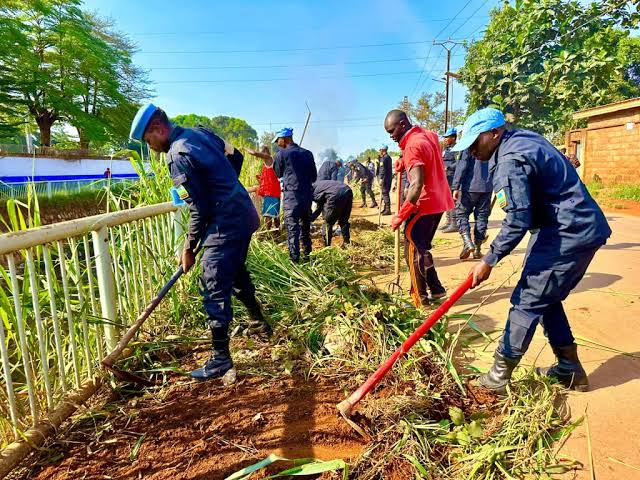
Arrive in Rwanda on the last Saturday of the month and plan your morning around it: between 8am and 11am, the entire country essentially pauses. Shops shutter, traffic thins, and communities across Rwanda take to their streets with hoes, shovels and brooms for Umuganda, a mandatory national community work day that has become one of the more distinctive, widely-cited examples of Rwanda’s post-genocide social rebuilding.
Key Highlights
- Umuganda takes place on the last Saturday of every month, from 8am to 11am nationwide
- The word roughly translates as “coming together in common purpose to achieve an outcome”
- Participation is mandatory for Rwandan citizens, and most businesses close during the three-hour window
- Activities typically include neighbourhood clean-up, infrastructure repair, tree planting and other community improvement projects
- Tourists and foreign visitors aren’t obligated to participate, but are often genuinely welcomed if they ask to join
- Roads and some services are affected during the window, worth planning around when scheduling activities or travel on that Saturday
A Tradition Rooted in Rwandan Culture, Made Mandatory
Communal work has deep roots in Rwandan culture predating any formal government policy, but Umuganda in its current, mandatory national form emerged as a deliberate part of Rwanda’s post-genocide rebuilding strategy, formalising a pre-existing cultural practice into scheduled monthly civic participation across the entire country. The practice has become one of the more widely cited examples internationally of how Rwanda has approached national rebuilding through structured, shared civic effort rather than leaving reconstruction purely to government infrastructure spending.
What Actually Happens During the Three Hours
Neighbourhood by neighbourhood, residents gather for tasks ranging from litter collection and general clean-up to more substantial infrastructure work, road repair, tree planting, drainage clearing and other community improvement projects identified as priorities by local leadership. The specific activity varies by location and by month, determined at a community level based on genuinely needed local projects rather than following a fixed national template.
Why Businesses Close and Traffic Stops
Because participation is treated as a civic obligation for citizens, normal commercial activity largely pauses during the designated window, and road traffic in many areas thins out considerably as people gather locally rather than travelling. Visitors arriving or moving around the country during this three-hour window should expect some services, shops and transport options to be unavailable or reduced until the period ends around 11am.
Can Tourists Actually Join In?
Yes, and many travellers who happen to be in Rwanda on the right Saturday find it a genuinely worthwhile, low-key way to engage directly with local community life rather than observing it from a safe tourist distance. Foreign visitors aren’t obligated to participate the way citizens are, but asking your hotel, guide or host about joining a local session is generally met with a warm welcome, particularly when the interest is genuine rather than purely photo-driven.
What to Bring If You Join
Practical clothing you don’t mind getting dirty, closed shoes, and gloves if you have them are worth bringing along, since the work itself, whether it’s clearing drainage channels or planting trees, is genuinely physical rather than symbolic. A positive, participatory attitude matters more than any specific skill or equipment.
Planning Your Rwanda Itinerary Around Umuganda
Given the predictable monthly timing, last Saturday of the month, checking your travel dates against the Umuganda calendar before finalising a Rwanda itinerary is worth doing regardless of whether you plan to participate, simply to avoid scheduling conflicts with shops, transport or activities that pause during the window. Most gorilla trekking and wildlife activities themselves aren’t affected, since they operate on their own separate schedules within national parks, but city-based errands, shopping or casual sightseeing in Kigali specifically should be planned around the pause.
The Scale of What Umuganda Has Actually Built
Multiplied across every community in the country, every month, for decades, Umuganda’s cumulative impact on Rwanda’s infrastructure and public spaces has been genuinely substantial — roads repaired, schools and health centres built or maintained, erosion control and reforestation projects completed, and countless smaller neighbourhood improvements that collectively account for a meaningful share of Rwanda’s visible public infrastructure. Government estimates have attributed significant economic value to the accumulated labour contributed through the program over the years, though the harder-to-measure social value, the shared civic habit it reinforces every single month, may matter just as much as the physical infrastructure itself.
Beyond Physical Labour: Community Meetings
Umuganda mornings often extend beyond pure manual labour into community meetings where local leaders and residents discuss neighbourhood issues, share information, and coordinate on matters affecting the immediate area, functioning as a genuine grassroots governance touchpoint alongside the physical work itself. This meeting component means Umuganda operates as both practical infrastructure maintenance and a recurring forum for local civic participation, a dual function that’s part of why the practice is often cited internationally as a distinctive model worth studying.
How Umuganda Fits Rwanda’s Broader National Identity
Rwanda has actively promoted Umuganda as part of its national identity and international reputation, and the practice regularly features in discussions of the country’s post-genocide development trajectory alongside other frequently cited achievements like Kigali’s cleanliness, low corruption rankings relative to regional neighbours, and rapid infrastructure development. Whether or not a visitor personally participates, encountering Umuganda in action offers a genuinely direct, unfiltered window into this broader national story, arguably more revealing than any museum exhibit or guided tour could provide on its own.
How Umuganda Has Adapted for Rwandans Living Abroad
Rwanda’s diaspora communities in various countries have organised their own periodic Umuganda-style volunteer events, a voluntary echo of the domestic practice that reflects how deeply the concept has become tied to Rwandan national identity even beyond the country’s own borders. While these diaspora events carry no legal obligation the way domestic participation does, their existence says something genuine about how thoroughly Umuganda has moved from pure government policy into a broader marker of Rwandan civic culture and identity.
What First-Time Participants Often Find Surprising
Visitors who do join a local Umuganda session for the first time frequently remark on how genuinely social and community-oriented the atmosphere feels, closer to a neighbourhood gathering than an obligatory chore, with conversation, shared effort and, often, a real sense of visible collective accomplishment by the time the three hours conclude. That social dimension, as much as the physical labour itself, is part of why the practice has proven so durable across decades rather than fading into token, minimally-observed compliance the way some mandatory civic programs elsewhere eventually do.
Why This Matters Beyond the Logistics
Umuganda offers genuine insight into modern Rwandan civic culture that goes well beyond a scheduling quirk to plan around — it’s a visible, monthly demonstration of the collective-effort ethos that has shaped much of the country’s rebuilding since 1994, connecting directly to the broader themes of unity and shared responsibility documented at sites like the Kigali Genocide Memorial. Understanding Umuganda adds real context to why modern Rwanda, and Kigali in particular, often surprises first-time visitors with how clean, organised and civically engaged it feels.
Comparisons Elsewhere in the Region
Rwanda isn’t the only country in the region with a history of communal work traditions, similar practices exist in various forms across East Africa, but Rwanda’s version stands out for how consistently and nationally it’s been implemented, formalised into a genuinely mandatory monthly schedule rather than remaining an occasional or purely voluntary local custom. That consistency, the same three-hour window, the same last Saturday, month after month, decade after decade, is arguably what has allowed the cumulative infrastructure and social impact to compound the way it has, rather than the underlying concept of communal labour being unique to Rwanda in the first place.
Frequently Asked Questions
Will Umuganda disrupt my gorilla trekking permit day?
Generally not — trekking activities in national parks operate independently of the Umuganda schedule, though transport logistics getting to or from a park on Umuganda Saturday morning specifically are worth confirming with your operator in advance.
Is it disrespectful to simply observe rather than join in?
No, observing respectfully from a reasonable distance is entirely acceptable if you’d rather not participate directly; the expectation for tourists is politeness and awareness of the pause, not mandatory participation.
Do government officials and dignitaries also participate?
Yes, participation genuinely spans Rwandan society, including senior government officials and, on occasion, the president, a visible detail that reinforces Umuganda’s status as a shared civic obligation rather than a burden falling disproportionately on any single social group.
Are restaurants and hotels also affected?
Larger hotels generally continue operating normally for guests, though some smaller restaurants and shops, particularly locally-run ones, may close or open later than usual during the window, so building in a slightly flexible morning schedule on that Saturday is a sensible default regardless of your specific plans.
Does Umuganda happen everywhere in Rwanda, including rural areas?
Yes, it’s a nationwide practice observed in cities and rural communities alike, though the specific projects undertaken vary considerably based on each community’s actual local needs, from urban Kigali neighbourhoods to remote villages near the national parks themselves.
Recommended Safaris
Understanding Rwanda’s civic culture, Umuganda included, adds real depth to a Rwanda trip built around gorilla trekking. Our piece on the Kigali Genocide Memorial covers the deeper historical context this civic culture grew from. Ready to plan a Rwanda itinerary that works around, or genuinely includes, Umuganda? Reach our team through our Book Now page and we’ll plan it around your dates and interests.


No comment