
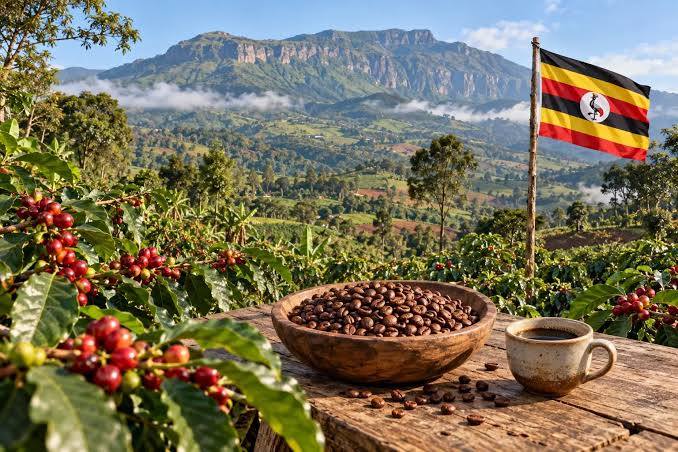
Ugandan Coffee From Bean to Cup: Bugisu, Rwenzori and Robusta Farms
Coffee didn’t arrive in Uganda through colonial introduction the way many visitors assume, wild robusta coffee actually grows naturally across parts of the country, making Uganda one of relatively few nations where this globally significant crop originated as a genuine indigenous plant rather than an imported commercial addition. Ugandan coffee, from Bugisu’s arabica slopes to Rwenzori’s volcanic soil and robusta’s native origins, represents a genuinely significant but often underappreciated chapter within the country’s broader agricultural and economic story.
Key Highlights
- Robusta coffee grows natively and wild across parts of Uganda, a genuinely rare indigenous origin
- Bugisu region on Mount Elgon’s slopes produces some of Uganda’s finest arabica coffee
- Rwenzori Mountains’ volcanic soil creates particularly favourable growing conditions for quality arabica
- Coffee remains one of Uganda’s most significant agricultural exports and smallholder farmer livelihoods
- Processing methods, including washed and natural techniques, significantly affect final flavour profiles
- Coffee tourism increasingly allows visitors to experience the full farm-to-cup journey directly
Uganda’s Rare Indigenous Coffee Origin
Unlike most major coffee-producing nations where the crop arrived through colonial-era introduction, robusta coffee actually grows natively and wild across parts of Uganda, making the country one of relatively few places globally where this significant commercial crop originated as a genuine indigenous plant rather than an imported agricultural addition. This indigenous origin gives Uganda genuine botanical and agricultural significance within the broader global coffee industry, the country’s deep historical relationship with coffee predating the commercial cultivation systems that now dominate production across most of the crop’s wider growing regions worldwide.
Why This Indigenous Status Matters
Uganda’s indigenous coffee heritage means local growing conditions have shaped robusta coffee’s genetic diversity over genuinely extensive evolutionary time, potentially offering valuable genetic resources for broader coffee industry resilience as climate change increasingly threatens coffee production in other established growing regions worldwide.
Bugisu: Uganda’s Premier Arabica Region
The Bugisu region, situated on Mount Elgon’s fertile volcanic slopes in eastern Uganda, produces some of the country’s finest arabica coffee, high altitude and rich volcanic soil combining to create genuinely favourable growing conditions that international coffee buyers and roasters increasingly recognise and specifically seek out. Bugisu arabica has developed a genuine reputation for bright acidity and complex flavour notes, qualities that reflect both the region’s specific growing conditions and generations of accumulated local farming expertise refined across considerable time.
Why Mount Elgon’s Slopes Suit Arabica So Well
Mount Elgon’s considerable elevation provides the cooler temperatures arabica coffee genuinely requires for optimal quality development, while the mountain’s volcanic soil contributes mineral richness that experienced growers believe directly contributes to Bugisu coffee’s distinctive, increasingly internationally recognised flavour profile.
Rwenzori’s Volcanic Advantage
The Rwenzori Mountains region similarly benefits from volcanic soil and favourable elevation, creating growing conditions that produce genuinely high-quality arabica coffee increasingly recognised within specialty coffee markets seeking distinctive, traceable origin coffees with genuine quality differentiation. This volcanic soil advantage, shared with several other world-renowned coffee growing regions globally, positions Rwenzori coffee for potentially significant growth within international specialty markets as quality recognition continues building momentum among discerning coffee buyers and roasters.
Growing International Recognition
Rwenzori coffee has begun attracting genuine attention from specialty coffee roasters internationally, quality-focused buyers increasingly willing to pay premium prices for distinctive, traceable origin coffee that distinguishes itself clearly from generic bulk commodity coffee production.
Coffee’s Economic Significance to Uganda
Coffee remains one of Uganda’s most economically significant agricultural exports, supporting considerable smallholder farmer livelihoods across multiple growing regions and contributing meaningfully to the country’s broader export earnings and rural economic development. This economic significance means coffee quality improvements and market access expansion carry genuine consequences extending well beyond simple product quality alone, directly affecting rural livelihoods and broader national economic development for considerable numbers of Ugandan farming families.
Smallholder Farmers as the Backbone of Production
The vast majority of Ugandan coffee production comes from smallholder farmers managing relatively modest plots, making farmer support programmes and fair pricing structures genuinely significant for ensuring coffee’s continued economic benefit reaches the considerable number of families depending on this crop for their livelihoods.
Processing Methods and Flavour Development
Coffee processing method significantly affects final flavour profile, washed processing generally producing cleaner, brighter flavour characteristics while natural processing, allowing cherries to dry with fruit intact, creates considerably fruitier, more complex flavour development that increasingly attracts specialty market interest. Understanding this processing distinction helps visitors and coffee enthusiasts appreciate genuine flavour variation across different Ugandan coffee offerings, processing method representing just as significant a flavour factor as growing region or specific variety alone.
Why Processing Choices Matter for Quality
Careful processing method selection, combined with meticulous execution, significantly influences whether Ugandan coffee reaches its full genuine quality potential, making processing infrastructure and farmer training genuinely important investments for continued quality improvement across the country’s coffee sector.
Experiencing Coffee Tourism in Uganda
Growing coffee tourism increasingly allows visitors to experience the full farm-to-cup journey directly, touring working coffee farms, observing processing methods firsthand, and sampling freshly roasted coffee at source rather than simply purchasing finished products without understanding their full production journey. These coffee tourism experiences offer genuinely valuable insight into agricultural practices and rural livelihoods, considerably enriching visitor understanding of Uganda’s broader economic and agricultural landscape beyond wildlife and cultural tourism alone.
Combining Coffee Tours With Broader Itineraries
Coffee farm visits near Mount Elgon or the Rwenzori region can be genuinely easily combined with broader eastern or western Uganda itineraries, offering a worthwhile agricultural and culinary dimension alongside more conventional wildlife and cultural tourism activities already planned for these regions.
Buying and Enjoying Ugandan Coffee
Visitors interested in purchasing genuine Ugandan coffee to take home should seek out specialty coffee shops or direct farm purchases where possible, ensuring genuine quality and supporting farmers more directly than purchasing generic, unlabelled coffee through less transparent supply chains. This direct purchasing approach, while sometimes requiring slightly more effort to arrange, typically rewards visitors with considerably better quality coffee while ensuring a more meaningful proportion of their purchase genuinely benefits the farmers who grew it.
Climate Challenges Facing Ugandan Coffee
Like coffee-growing regions globally, Ugandan coffee production faces genuine challenges from shifting climate patterns, changing rainfall timing and rising temperatures potentially affecting both yield and quality across traditional growing areas in ways that require active farmer adaptation and ongoing agricultural research investment. These climate pressures make continued investment in climate-resilient farming practices and potentially new growing areas at different elevations genuinely important for Uganda’s coffee sector’s long-term sustainability, an active area of ongoing agricultural research and farmer education.
Why Elevation Shifts May Become Necessary
As temperatures gradually rise, some coffee growing may need to shift toward higher elevations to maintain optimal growing conditions, a potential long-term adaptation that agricultural researchers and farmers are already beginning to consider as part of broader climate resilience planning for Uganda’s coffee sector.
Certification Programmes and Fair Trade
Various certification programmes, including organic and fair trade designations, have become increasingly significant within Uganda’s coffee export sector, these certifications helping connect Ugandan farmers with premium international markets willing to pay higher prices for verified sustainable and ethical production practices. Understanding these certification systems helps both farmers and consumers navigate the increasingly complex global coffee market, verified certifications providing genuine assurance regarding specific production standards that simple marketing claims alone cannot reliably guarantee.
Why Certification Matters for Farmer Income
Achieving recognised certifications can genuinely improve farmer income by accessing premium market segments willing to pay higher prices for verified ethical and sustainable production, though the certification process itself requires meaningful investment and ongoing compliance that smaller farmers sometimes find genuinely challenging to maintain independently.
Uganda’s Growing Domestic Coffee Culture
While historically focused primarily on export markets, Uganda has developed a genuinely growing domestic coffee culture, Kampala and other urban centres now hosting numerous specialty coffee shops serving quality locally grown coffee rather than the country’s harvest flowing almost entirely toward international export markets as occurred historically. This domestic market development represents genuinely positive diversification for Uganda’s coffee sector, local consumption providing additional market opportunities beyond export dependence while also building broader domestic appreciation for the country’s own quality coffee production.
Why Domestic Consumption Matters for the Industry
Growing domestic coffee consumption provides Uganda’s coffee sector with valuable market diversification beyond export dependence, local appreciation for quality coffee also potentially supporting continued quality improvement as domestic consumers develop increasingly sophisticated preferences and expectations.
Frequently Asked Questions
Is it true coffee originated naturally in Uganda?
Yes, robusta coffee grows wild and native across parts of the country, a genuinely rare indigenous origin among major coffee-producing nations.
What makes Bugisu coffee special?
Mount Elgon’s high altitude and volcanic soil produce arabica with bright acidity and complex flavour notes increasingly recognised internationally.
How does processing method affect coffee flavour?
Washed processing produces cleaner flavours, while natural processing creates fruitier, more complex taste profiles.
Can I actually visit coffee farms in Uganda?
Yes, growing coffee tourism allows visitors to tour farms, observe processing and sample coffee directly at source.
How important is coffee to Uganda’s economy?
It remains one of the country’s most significant agricultural exports, supporting considerable smallholder farmer livelihoods nationwide.
Recommended Safaris
Exploring Uganda’s coffee heritage adds genuine agricultural and culinary depth to any broader itinerary. Ready to discover this remarkable coffee culture for yourself? Reach our team through our Book Now page and we’ll plan it around your dates.





No comment