Top Wildlife Viewing Lodges Built on Waterholes in Uganda
Some of Uganda’s best wildlife encounters don’t require a game drive at all. A handful of lodges are positioned directly overlooking waterholes, channels, and riverbanks where animals come to drink, bathe, and gather throughout the day. For travelers who want to combine comfort with genuine wildlife viewing, these water-facing properties offer some of the most rewarding stays in the country.
Mweya Safari Lodge, Queen Elizabeth National Park
Perched on the Mweya Peninsula between Lake Edward and the Kazinga Channel, Mweya Safari Lodge is arguably Uganda’s most famous water-view property. The Kazinga Channel connects two Rift Valley lakes and draws enormous concentrations of hippos, buffalo, and elephants to its banks, especially in the dry months when water sources elsewhere shrink.
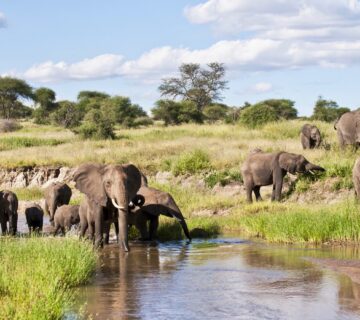
Guests can watch elephants filing down to drink and hippos wallowing in the shallows without leaving the lodge grounds. A sundowner on the terrace here regularly turns into an impromptu wildlife show, and the channel itself is also the venue for one of Uganda’s best boat safaris.
Elephant Plains Lodge
Also set within Queen Elizabeth National Park, Elephant Plains Lodge offers similarly close access to the Kazinga Channel corridor. Its elevated cottages give guests a clear vantage point over the surrounding plains, where elephant herds are frequently seen moving toward water in the early morning and late afternoon.
Semliki Safari Lodge and Its Dedicated Waterhole Hide
In the Toro-Semliki Wildlife Reserve, Semliki Safari Lodge takes the waterhole concept a step further with a purpose-built hide overlooking a natural water source. Guests can sit quietly at ground level, close to where buffalo, waterbuck, and a wide range of birds come to drink, without a vehicle or open plain between them and the animals.
This reserve sits in Uganda’s western Rift Valley, bordering the Semliki River and the foothills of the Rwenzori Mountains, giving it a noticeably different landscape and species mix compared to the more visited southern parks.
Why a Waterhole Hide Changes the Experience
Traditional game drives depend on finding animals as they move. A waterhole hide flips that logic: animals come to you, drawn by thirst rather than by the presence of a vehicle. Sessions can be slow at times, but the sightings that do happen tend to be closer, quieter, and less rushed than a typical drive-by encounter.
Nile-Front Lodges in Murchison Falls National Park
Murchison Falls National Park has several lodges built directly along the Victoria Nile, where the river itself functions as a year-round waterhole for the park’s wildlife.
Chobe Safari Lodge
Set on the northern bank of the Nile, Chobe Safari Lodge overlooks the river as it winds through the park. Hippos are a near-constant presence along this stretch, and elephants and buffalo regularly appear on the opposite bank during the cooler parts of the day.
Nile Safari Lodge
Positioned on the river’s southern side, Nile Safari Lodge offers a quieter, more intimate setting with private cottages facing the water. Boat cruises departing near the lodge combine river-based wildlife viewing with views of Murchison Falls itself further upstream.
Baker’s Lodge
Named after explorer Samuel Baker, this lodge sits above a bend in the Nile within the Buligi wildlife circuit. Its riverside position makes it a strong base for combining water-based sightings with game drives across the delta plains.
Ishasha’s River-Adjacent Camps
In the remote Ishasha sector of Queen Elizabeth National Park, several tented camps sit along the Ntungwe River. This area is best known for its tree-climbing lions, but the riverbanks themselves attract buffalo, antelope, and elephants, giving camps here a genuine waterside wildlife draw alongside the famous lion sightings in the surrounding fig trees.
Why Water-Facing Lodges Work So Well in Uganda’s Dry Season
Uganda’s dry months, roughly June through September and December through February, concentrate wildlife around dependable water sources as smaller seasonal pools disappear. Lodges built along channels, rivers, and waterholes benefit most during these months, when animal traffic past the property increases noticeably.
During the wetter months, water is more widely available across the parks, so sightings from these same lodges become less predictable, though the channel and river-front properties still perform reliably given how large and permanent their water sources are.
Combining a Waterhole Lodge With the Rest of Your Uganda Safari
Most travelers pair one of these water-facing stays with a broader itinerary covering gorilla trekking in Bwindi, chimpanzee tracking in Kibale, or further game drives across Queen Elizabeth and Murchison Falls. Because these lodges sit inside or beside major national parks, they slot naturally into a wider circuit rather than requiring a special detour.
What Makes a Genuine Waterhole Lodge Different From a Standard Safari Lodge
Not every lodge near water actually delivers reliable sightings. The properties worth prioritizing sit close enough that animals visible from the terrace, pool deck, or a dedicated hide are a realistic daily occurrence, not an occasional bonus. Elevation matters too — lodges built on a rise or peninsula, like Mweya, tend to offer wider sightlines across the water than those set at ground level along a narrow riverbank.
Buffalo Safari Lodge and Enganzi Game Lodge
Two further options within Queen Elizabeth National Park’s Mweya area, Buffalo Safari Lodge and Enganzi Game Lodge, both take advantage of the same Kazinga Channel wildlife corridor. Each offers a slightly different price point and style, giving travelers more flexibility in choosing a water-facing base without competing for space at the park’s flagship lodge.
Kyambura Gorge Lodge and Its Rift Valley Views
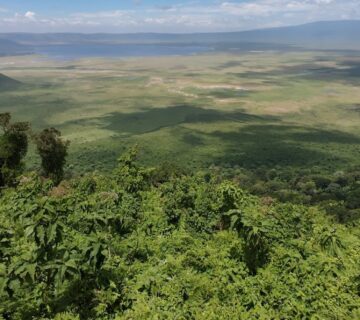
Set above the Kyambura Gorge rather than a conventional waterhole, this lodge looks down into a forested rift where a river runs along the gorge floor. Chimpanzees inhabit the gorge itself, while the surrounding plains above draw elephants and buffalo, giving guests two distinct wildlife zones visible from one property.
Apoka Safari Lodge and Kidepo’s Seasonal Water Sources
In the far north, Apoka Safari Lodge overlooks the Narus Valley in Kidepo Valley National Park. Water here is more seasonal than in Uganda’s southern parks, which means the dry-season concentration effect is even more pronounced — when the valley’s remaining water sources shrink, wildlife sightings from the lodge’s vantage point often intensify considerably.
Why Boat-Based Viewing Complements a Waterhole Lodge Stay
Most channel and river-front lodges sit near a launch point for boat cruises, extending the water-based wildlife viewing beyond what’s visible from the lodge itself. A Kazinga Channel cruise from Mweya, or a Nile cruise from one of the Murchison Falls lodges, typically reveals far more hippos, crocodiles, and waterbirds than land-based viewing alone.
Packing and Preparing for a Waterhole-Focused Stay
Binoculars matter more at these lodges than almost anywhere else on a Uganda itinerary, since much of the best viewing happens at a distance across open water. Guests should also expect early mornings and late afternoons to be the most productive viewing windows, mirroring when animals naturally move to drink.
How Waterhole Lodges Fit Different Travel Styles
Families and slower-paced travelers often appreciate waterhole lodges because meaningful wildlife viewing doesn’t depend on an early departure and a bumpy game drive. Sightings unfold from a chair on the terrace, which suits guests traveling with young children, older relatives, or anyone wanting a lower-intensity day between more active park activities.
Photographers and the Waterhole Advantage
For photographers, a stationary vantage point over water offers something game drives rarely do: time. Rather than a brief pass-by sighting, animals at a waterhole or channel bank often linger for extended periods drinking, wallowing, or interacting, giving photographers repeated opportunities to frame a shot without the pressure of a moving vehicle.
Seasonal Timing for the Best Waterhole Sightings
While these lodges deliver sightings throughout the year, the dry seasons — June to September and December to February — consistently produce the highest concentrations of animals at Uganda’s channels, rivers, and waterholes. Travelers with flexible dates should weight their planning toward these windows if waterhole viewing is a priority for the trip.
Choosing Between a Channel Lodge and a Dedicated Hide
Channel-front lodges like Mweya and Elephant Plains offer a broader, more panoramic style of water viewing, well suited to relaxed terrace watching and boat cruise access. A dedicated hide, like Semliki’s, offers a more intimate, ground-level encounter better suited to travelers specifically chasing close-range photography or a quieter, more immersive wildlife experience.
Why Local Guides Still Matter Even at a Waterhole Lodge
Even with wildlife visible from the property, an experienced guide adds real value by interpreting animal behavior, timing outings around peak activity, and connecting a waterhole stay to the wider park’s game drives, boat cruises, and trekking activities into one coherent itinerary.
Planning Your Stay at a Uganda Waterhole Lodge
From the Kazinga Channel’s hippo-lined banks to Semliki’s dedicated hide, Uganda’s water-facing lodges genuinely offer some of the country’s most reliable wildlife viewing without ever leaving the property grounds. All in Africa Safaris can build a full Uganda itinerary around these waterhole and riverfront lodges, matched to your travel dates and the specific parks you most want to see. Get in touch to start planning your stay.