Africa Faces Tree Shortage Needing Millions Planted
Africa s Environmental Future Hinges on Trees
Right now, a quiet shift is reshaping Africa’s natural landscape. From the west to the east, tree cover fades year after year, seasons arrive without rhythm, waterways grow thin, heat builds steadily, communities face deeper risks from failed crops, hunger spreads easier, weather feels less steady. Though causes vary and solutions seem tangled, researchers and land stewards point, again and again, toward one clear step with real impact: planting vast numbers of trees across worn lands.
Out in the open, trees do way more than just stand there. From deep roots to high branches, they shape weather patterns and hold rain cycles steady. Water sources stay safe because their presence keeps things balanced. Soil grows richer where trees grow, thanks to slow breakdowns of leaves and bark. Life thrives around them – animals, insects, tiny organisms finding shelter and food. Carbon slips into their wood instead of piling up in the air. People rely on these quiet giants without always noticing how much is owed.
Across Africa, planting vast numbers of trees feels more pressing now. Climate shifts pile onto fast-growing populations, pushing nature to its limits. Forests vanish while cities spread, layer after layer of damage building up. Soil loses strength under constant misuse of resources. When ecosystems stay broken, the years ahead could bring far harsher outcomes. Restoration on a wide scale might just shift that path.
Nowhere else does planting billions of trees feel less like a protest chant. Across Africa, it quietly shifts into something deeper – protection woven through soil, roots, breath. Not just greenery returning, yet lives held steady by bark and canopy. Forests rise not only for animals or land but because markets depend on them too. What grows upward also holds together villages once split by dust and drought.
Africa Loses Forests Beyond Natural Recovery Rates
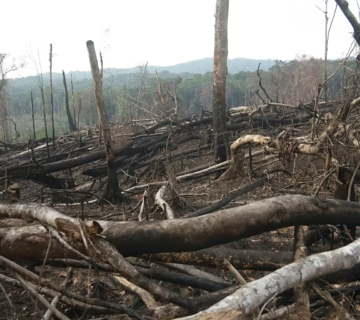
A major environmental challenge in Africa right now is the rapid loss of trees. Forests across numerous areas disappear because people need land to grow food, make charcoal, collect firewood, build homes, lay roads, dig mines, or support factories. In countless villages, families still rely on wood to cook meals and power daily life, which keeps nearby woodlands under constant strain.
Across parts of Africa, trees vanish quicker than nature replaces them. When tree cover shrinks, land weakens – exposed to washouts, dry spells, water surges, poor harvests. Soil fades under pressure once roots are gone.
Whole forests vanish, yet the damage goes deeper than lost trunks and branches. When tree cover fades, unseen threads of balance snap – water flows shift, weather patterns waver. What used to anchor rich life now gives way to cracked earth and thin air. Gone are the canopies that cooled valleys, fed rivers, held ground together. Empty stretches sit where complex webs once thrived quietly.
Facing down a future stripped of trees, entire regions might tip into irreversible damage – fixing it later would cost far more than acting now. Without bold tree-planting moves, nature’s balance teeters on vanishing completely.
Climate change impacts across Africa now
Africa sends up far fewer planet-warming gases than heavily developed areas. Still, it faces some of the sharpest blows from shifting climates. Heat climbs, seasons shift – farms feel the strain. Water grows harder to find in numerous nations. Health systems face new pressures. Nature’s balance tilts in subtle but steady ways.
Farming areas that rely on regular rains now face tougher conditions because dry spells happen more often. Heavy floods hit certain places as climate shifts mess with natural balance. When heat spikes grow stronger, crops struggle to survive under shifting rain cycles. Unpredictable downpours make growing food less steady, putting meals at risk for many.
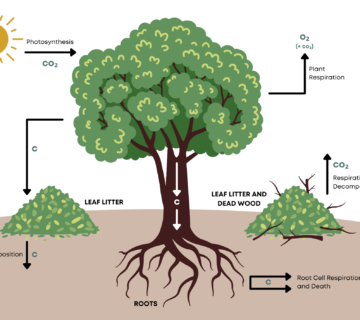
Out in the woods, trees pull carbon dioxide from the air using sunlight to grow. That gas, when it builds up, drives warmer planet temperatures. Instead of floating free, much of it gets locked away inside trunks, roots, leaves. Whole forests become quiet vaults holding back heat-trapping pollution. Without these leafy giants, the sky would trap even more warmth.
Across Africa, putting in countless trees could pull more carbon from the air while also balancing local weather patterns. Worldwide, bringing forests back has become seen as a straightforward way to fight climate shifts – without draining resources.
Forests Influence Africa’s Rain Patterns
It surprises some how much trees shape rain patterns. From deep underground, water rises into trunks, traveling upward without sound or signal. Moisture escapes slowly through small leaf pores, feeding the air with invisible mist. This steady outflow builds clouds over wooded areas more than many assume. Roots pull liquid from soil while the forest breathes outward all day long.
Deep woods act much like giant sponges, pulling moisture into the air and shaping how clouds grow. Because of this, rain keeps falling where plants, animals, and people need it most.
Heavy tree loss means less water rising into the air. As that happens, rain patterns start to stumble, losing strength and timing. Because of this shift, dry stretches grow longer. Droughts dig in deeper. The ground loses dampness.
Crops face tougher odds.
When rains fade in farming areas, lives unravel fast. Fields yield less as skies stay empty, so animals grow weak without grass to eat. Thirst spreads through villages, wells run low. Hard times settle where dirt meets sky.
Out in dry areas, putting millions upon millions of young trees into the ground could slowly bring back natural damp patterns. Where land has weakened, roots taking hold might steady how rain arrives over time.
Africa’s Water Relies on Forest Health
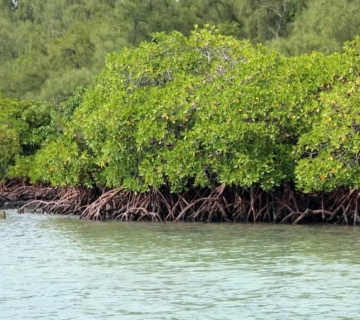
Deep roots of trees hold water close across African landscapes. Where forests thrive, rivers breathe easier throughout the year. Rain slips slowly into the ground when tree cover remains intact. Wetlands stay firm under pressure because roots bind soil together. Floods lose strength when woodlands stand in their path. Clean streams follow where leaves filter what falls from skies.
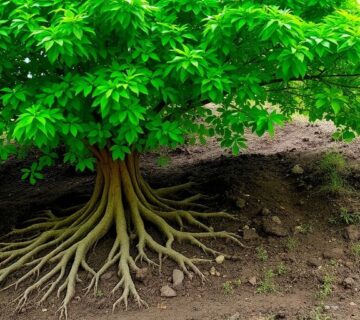
Roots of trees slow down how fast rain moves across land, letting it soak into the ground bit by bit. Because of this seepage, hidden water layers underneath refill over time, staying available when skies stay clear. When rains come hard, forests hold soil in place, so dirt does not wash away too easily. With less soil drifting off, rivers, lakes, and storage basins keep clearer.
Heavy rains rush across bare land when trees vanish. Without roots to slow flow, floods grow stronger downstream. Water slips away too fast to refill hidden reserves below ground. Dry months find streams shaky, thin, sometimes gone.
Across much of Africa, more people now struggle to find enough clean water, thanks in part to damaged ecosystems and fewer trees. Where rivers used to run all year, they now trickle only at certain times, disappearing when rains stop. Wetlands that held water steadily are drying up faster, leaving less behind when heat returns.
Farms need trees just as much as rivers do – so bringing back lost woodlands keeps water steady over time. When forests regrow, they hold moisture like a sponge, slowing runoff during storms while feeding streams later. Roots bind soil, stopping erosion that clogs waterways. Shade from canopies cuts evaporation so land stays damp longer. Without these layers, dry seasons hit harder and floods spread wider.
Trees Help Restore Degraded Land
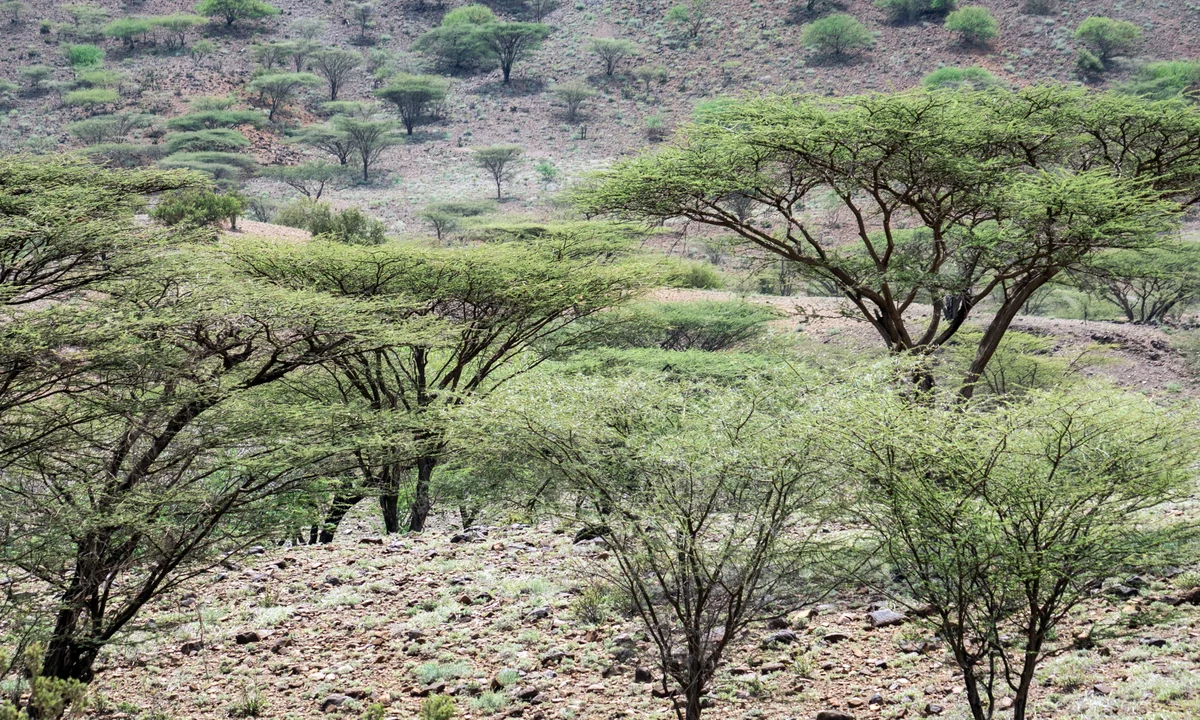
Once rich soils now crumble under poor harvests across much of Africa. Farming without rest, too many animals on fragile grasslands, wind sweeping dirt away, trees vanishing – each piece feeds the slow collapse beneath. What grew food before grows little now. Roots fail to hold, rain washes more each year, and forests thin into scattered patches. Life slips from earth that used to feed families.
When plants vanish, earth lies bare under gusts and downpours. Without cover, the fertile layer erodes bit by bit, weakening farm output while terrain grows more prone to turning barren.
Where roots spread, earth holds together better. Through time, those same roots add life to tired ground by trapping nutrients plus holding water deep below. As branches shed their leaves, decay sets in – this rot feeds tiny organisms that wake up the dirt. With each season, broken-down pieces mix into the soil, turning thin layers into richer ones slowly. Erosion loses its grip where trees take root, simply because cover grows thicker overhead.
Across Africa, efforts to replant trees now play a growing role in healing damaged land and strengthening natural systems. In arid zones like the Sahel, putting new trees into the ground helps hold back spreading deserts – bringing steadier conditions along with better harvests.
Agriculture Needs Trees to Survive
Farming still holds a central role in many African economies, feeding expanding communities while sustaining countless lives. Yet unpredictable weather patterns, worsening land erosion, shrinking water supplies, and broader ecological decline now challenge how crops are grown.
Under a tree’s reach, farms often thrive. Soil gains life when roots break deep, while leaves shield the ground – keeping it damp and steady. Where branches grow, rain slows down before hitting earth, less washing away than bare fields allow. Shade alters temperature just enough for certain plants to survive longer stretches of heat. Bees move more freely near wood lines, visiting blossoms they might skip otherwise.
When weather turns unpredictable, these green pockets hold balance better than open plots. Mixing trees into farmland isn’t new – but doing so with purpose is gaining attention across regions facing dry spells.
When plants and natural systems weaken, farming struggles to keep going year after year. As nature degrades, hunger grows alongside hardship in country areas.
Across the continent, growing vast numbers of trees could boost farming resilience. Food supplies might become more stable over time because of it.
Africa’s Wildlife Needs Restored Forests
Deep within Africa, life thrives in surprising forms. From dense forests to open grasslands, nature finds its rhythm. Elephants roam where mountains meet sky. Wetlands hum with birds, insects, reptiles – each playing a quiet part. Gorillas move through green canopies, while chimps watch from treetops. Countless creatures live beyond what eyes often see.
Still, tearing down forests chips away at nature’s balance in countless places. Without plants, clean water, or steady conditions, animals struggle to survive. Trees vanish – life follows.
Starting anew, patches of trees stitch broken landscapes back together. Because of these efforts, nature finds stronger footing amid change. Wildlife returns where meals grow on branches again. Homes reappear under leafy canopies. Nesting spots emerge quietly through regrowth. Pathways open up across stretches once cut off. Movement becomes possible where it had stopped.
Life on Earth matters, yet it’s also tied to travel businesses – those providing work for many people while boosting African countries’ earnings. Though nature comes first, its link to jobs can’t be ignored when forests, rivers, and animals draw visitors year after year.
More Trees Needed in Urban Africa
Out in Africa, city limits keep pushing outward as more people move in. When buildings replace trees, the land loses its breath slowly. Concrete spreads while parks vanish – heat builds up where grass once cooled the ground. Nature gets squeezed, leaving less room for balance inside crowded neighborhoods.
Heat builds up where trees are missing, making city zones burn under relentless sun. Roads of stone hold warmth like ovens, pushing air thick with trapped energy. When storms hit, water pools fast on hard ground instead of soaking into soil. Life struggles where shade once cooled both pavement and breath.
City trees bring down temperatures while cleaning the air at the same time. Rainwater flows less hard when parks and plantings slow it down. People breathe easier where leaves filter pollution throughout neighborhoods. Mood lifts happen near shaded paths under canopy cover. Healthier daily life shows up in areas filled with green instead of concrete. Life feels lighter where roots grow deep beside sidewalks and homes.
Planting more trees isn’t just about woods or countryside – it matters most where cities face tougher air, heat, and space limits. Trees fit where life gets harder, not just where nature still stands.
Trees Provide Lasting Economic Value
Out of empty fields jobs begin to grow when trees return. Where roots take hold, work follows – tending nurseries, mending damaged land, guiding water back into balance. People find tasks among saplings, managing farms with forests woven in. Pathways open toward tourism shaped by green cover. Forests managed well bring lasting trade, not just timber but livelihoods rooted deep.
Out here, when people team up to care for nature, jobs tend to follow. Not just any jobs – ones that tie back to healing land and water. Take women and young folks – they step into roles that pay a wage while mending forests or cleaning rivers. Their work? It lifts both wallets and wild spaces at once. Often, it is these very groups who shape how projects grow. What begins as planting trees can turn into steady effort across seasons. In return, trust in community-led choices deepens. Each restored patch becomes proof of what shared labor brings.
Because nature heals, communities find stronger footing. When ecosystems come back, livelihoods often follow. Not just trees regrow – jobs take root too.
indigenous trees support ecosystem health
Choosing the right kinds of trees matters a lot when planting forests again. Native types fit best since they’ve grown used to the area’s weather, soil, and living things around them.
When native trees grow, they link deeply with animals, insects, fungi, and weather nearby. Because they belong, these trees often live longer without much help from people instead of newcomers needing extra care.
When native woodlands return, nature finds balance again across African landscapes. Resilient ecosystems emerge as ancestral trees reclaim their place. Biodiversity thrives where forest cover once disappeared. Protection of natural legacy happens quietly through rooted recovery.
Heritage grows back leaf by leaf, season after season.
Africa’s Environment Needs Choices Now
Out of nowhere, rising temperatures begin to reshape lives in African communities. When forests shrink, animal species vanish faster than expected. Heavy rains stop coming on time, leaving soil cracked under relentless sun. Where rivers once flowed steadily, dust now spreads without warning. Plants struggle where roots can’t grip broken earth.
Yet forests grown widely stand among our simplest, strongest scientific answers. Because roots rebuild natural balance while boosting resistance to shifting weather patterns. When branches shield rivers and lakes below, soil gains stability too. Since deeper networks feed farms through tough seasons. Even quiet woodlands hold countless lives within them. Where people breathe easier, live stronger.
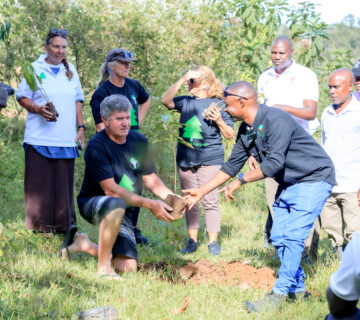
Planting millions upon millions of trees isn’t a gesture meant for show. Life across the land depends on safeguarding the living networks already at work.
Tomorrow’s green balance hinges on choices unfolding now. Forest care drives tomorrow’s survival chances across Africa. Resilient economies grow where trees return. Lives improve when land heals slowly. Today’s actions write the story of air, soil, and water later.
All In Africa Safaris on the plating of tree and having a great time traveling with it
Deep roots dig into African soil where life begins anew each season. When forests return, animals find shelter beneath leafy canopies that once vanished. Rain follows green corridors grown wide through patient years. People thrive near lands that hold moisture and strength. Whole regions shift toward balance because a single sapling takes root. Wild spaces breathe easier when trees stand tall again.
Out here, forests vanish faster every year. Because of that, weather patterns shift unpredictably across regions. Soil loses its strength when trees disappear. This means recovery must happen now. With travel choices that respect nature, people show they care. Awareness spreads through quiet efforts, not loud claims. Support flows into local projects slowly but steadily. These steps help bring back green cover where it’s needed most. Protection of habitats grows stronger when communities lead. Land begins healing under thoughtful stewardship. Across vast areas, small actions add up without notice.
From each new tree grows better air, cleaner water, tougher natural defenses against storms. Roots dig deep, holding soil together when rains come hard. Leaves breathe out freshness while soaking up what harms us. Over time, these quiet changes add up – more balance, less chaos in nature’s rhythm. Forests begin small, yet their reach spreads wider than we first see.
Local communities matter just as much as worldwide cooperation when protecting Africa’s wild places. Saving these landscapes means thinking ahead for those who come later. Stronger ecosystems help animals thrive, keep farms productive, support travel industries, and sustain people’s daily lives. Efforts rooted nearby gain power when linked with broader alliances. The land holds value far beyond borders. Together, shared work shapes lasting results.