
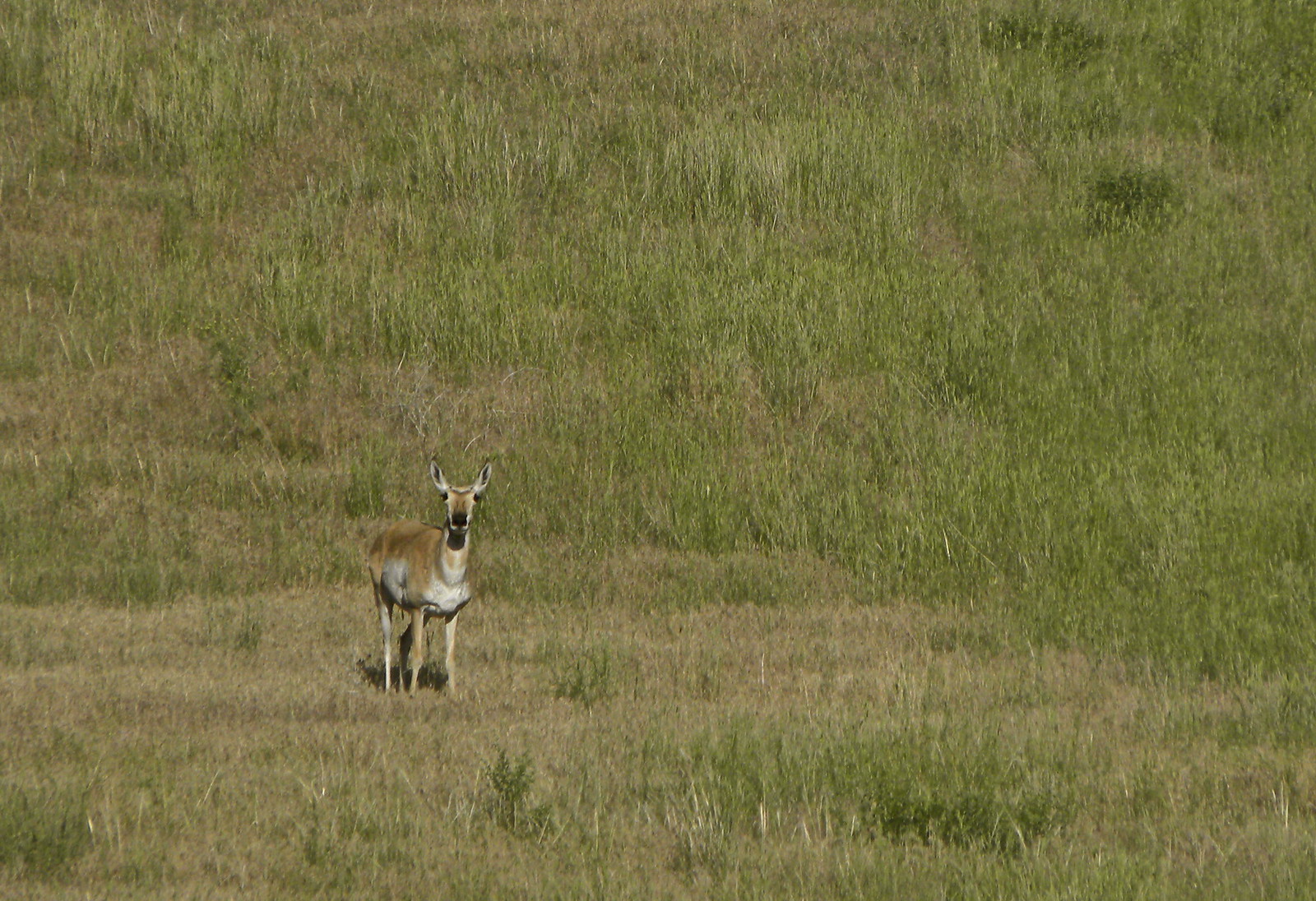
The eight most common antelope on safari and how to identify each one
Antelopes are among the most frequently encountered animals on an African safari. They inhabit open grasslands, savannahs, woodlands, wetlands and semi-arid landscapes, providing some of the most interesting wildlife sightings across the continent. From small, graceful gazelles grazing on open plains to large elands moving through woodland, each species has distinctive physical features and behaviour.
Antelopes also play an important role in African ecosystems. They feed on grasses, leaves, shrubs and other vegetation, helping shape the landscapes where they live. They are an important food source for predators such as lions, leopards, cheetahs, hyenas and African wild dogs.
Although many antelopes look similar at first, you can identify them by examining their body size, coat colour, facial markings, horns, rump patterns and movement. Some have long spiral horns, others have curved or lyre-shaped horns, while several species have no horns at all.
The eight antelopes discussed in this guide are impala, wildebeest, Thomson’s gazelle, Grant’s gazelle, waterbuck, topi, hartebeest and eland. These species are commonly encountered across several major safari destinations in East and southern Africa, although their distribution differs between countries and parks.
What is an antelope?
An antelope is a member of the Bovidae family, which also includes cattle, buffalo, sheep and goats. Africa supports a particularly rich variety of antelope species, ranging from tiny dik-diks to the enormous eland.
Most antelopes have slender legs, cloven hooves and bodies adapted for running. Many have horns, although horn shape and size vary considerably between species. Unlike deer, antelope horns are generally permanent and do not fall off every year.
Antelopes are herbivores and ruminants. They have specialised digestive systems that allow them to process plant material through fermentation. Many species spend significant periods grazing or browsing, depending on their preferred food.
Some antelopes live in large herds, while others remain in small family groups or spend much of their time alone. Their social behaviour is influenced by habitat, food availability, breeding patterns and predator pressure.
1. Impala
<PRIVATE_PERSON>
The impala is one of the most familiar antelopes on African safaris. It is a medium-sized, graceful animal known for its reddish-brown coat, white underparts and impressive jumping ability.
An adult impala usually stands around 75 to 95 centimetres at the shoulder and weighs approximately 40 to 75 kilograms. Males are generally larger than females and are the only ones that develop the characteristic lyre-shaped horns.
The easiest way to identify an impala is by looking at its hindquarters. It has a distinctive black marking on the rump and upper thighs, often described as an M-shaped pattern. The animal also has a white underside and a dark line running down the back of each hind leg.
Male impalas have long, ridged horns that curve backwards and then forwards towards the tips. Females do not have horns, making sex identification relatively easy when observing a herd.
Impala live in different habitats, including open savannah, woodland edges and areas close to water. They are highly adaptable and can survive in environments where grass and browsing vegetation are available.
Their diet includes grass, leaves, shoots and herbs. They adjust their feeding habits according to seasonal conditions, sometimes grazing more heavily when fresh grass is abundant and browsing when conditions become dry.
Impala are famous for their ability to jump. When alarmed, they can leap several metres in a single bound, sometimes clearing bushes or other obstacles. This behaviour helps them escape predators and can confuse animals pursuing them.
They commonly form three types of social groups: female herds with young, bachelor groups of males and territorial males that defend areas during the breeding season.
Impala are widely distributed across eastern and southern Africa. They are commonly seen in Kenya’s Maasai Mara, Tanzania’s Serengeti, South Africa’s Kruger National Park and Uganda’s Lake Mburo National Park. In Uganda, Lake Mburo is particularly important because it is the country’s main location for observing wild impala.
2. Wildebeest
<PRIVATE_PERSON>
The wildebeest, also called the gnu, is one of Africa’s most recognisable antelopes. It has a heavy front body, sloping back, large head, curved horns and a shaggy mane. Its appearance can seem unusual because it combines features that resemble several different animals.
There are two main wildebeest species: the blue wildebeest and the black wildebeest. The blue wildebeest is the species commonly encountered in East African safari destinations, especially during the Great Migration.
An adult blue wildebeest generally stands around 1.2 to 1.5 metres at the shoulder and weighs approximately 180 to 270 kilograms. Both males and females have horns, although males are often larger.
The easiest way to identify a wildebeest is by its broad head, beard, sloping back and buffalo-like horns. Its coat is usually greyish-brown, with a darker mane and facial markings.
Wildebeest are grazers and depend heavily on grass. They favour open plains where large herds can feed and move together. Their movements are closely connected to rainfall and the availability of fresh grazing.
The most famous wildebeest movement is the Great Migration, which takes place across the Serengeti ecosystem in Tanzania and the Maasai Mara in Kenya. More than a million wildebeest move through this wider ecosystem, accompanied by large numbers of zebras and gazelles.
The migration is not a single event that happens on fixed dates. Herd movements change with rainfall, grass growth and local conditions. Southern Serengeti and the Ndutu area are important during the calving season, usually around January to March. Herds move through the western corridor and towards the northern Serengeti later in the year, with river crossings often occurring between July and October.
Wildebeest usually live in large herds. Their numbers provide some protection against predators, although young calves and weaker individuals remain vulnerable to lions, hyenas, cheetahs and wild dogs.
You can see wildebeest in Tanzania’s Serengeti National Park, Kenya’s Maasai Mara, Ngorongoro Conservation Area and several southern African reserves. Their large herds make them particularly easy to recognise during game drives.
3. Thomson’s gazelle
<PRIVATE_PERSON>
Thomson’s gazelle is one of the smaller and faster antelopes found on East Africa’s open plains. It is commonly called a tommy and is particularly associated with the Serengeti and Maasai Mara ecosystems.
An adult usually stands around 55 to 65 centimetres at the shoulder and weighs approximately 15 to 30 kilograms. Both males and females can have horns, although males generally have longer and more developed horns.
The easiest way to identify Thomson’s gazelle is by its slender body, tan or reddish-brown upper coat, white belly and bold black stripe running along each side. Its rump is white, with a noticeable dark marking around the tail.
The horns are relatively short and curved, with ridges along their length. They usually form a slightly lyre-shaped outline when viewed from the front.
Thomson’s gazelles prefer open grassland and short-grass plains, where their speed helps them escape predators. They feed mainly on grasses, although they may also consume herbs and other vegetation.
Their ability to run quickly and change direction makes them difficult prey. They are frequently targeted by cheetahs, which depend on speed and acceleration when hunting smaller antelopes.
One behaviour associated with Thomson’s gazelles is pronking, also called stotting. During this movement, the animal jumps repeatedly with all four legs relatively stiff, lifting its body high into the air. This behaviour may communicate alertness and physical fitness to predators and other gazelles.
Thomson’s gazelles can form large herds, particularly when food is plentiful or during periods of migration. However, they also occur in smaller groups and territorial arrangements.
The Serengeti and Maasai Mara are among the best places to observe them. They are often seen grazing alongside wildebeest and zebras, particularly on open plains.
4. Grant’s gazelle
<PRIVATE_PERSON>
Grant’s gazelle is another familiar East African antelope. It resembles Thomson’s gazelle but is noticeably larger, with longer legs, a more upright body and less pronounced side markings.
An adult Grant’s gazelle usually stands around 80 to 95 centimetres at the shoulder and weighs approximately 35 to 80 kilograms. Males are generally larger and have stronger horns than females.
Its coat is usually light brown or sandy, with a white belly and a prominent white rump. The white marking extends higher towards the back than the rump pattern of Thomson’s gazelle.
Both sexes may have horns, although females sometimes have shorter or less developed ones. The horns are long, ridged and curved, often forming a lyre-like shape.
Grant’s gazelles are adapted to relatively dry environments. They occur in open savannah, semi-arid grasslands and areas with scattered shrubs. Their ability to survive with limited access to drinking water is an important adaptation to these habitats.
They feed on grasses, leaves, shoots and herbs. During dry periods, they may rely more heavily on browsing vegetation when fresh grass becomes scarce.
Grant’s gazelles are usually seen in small groups, although larger gatherings occur where food and suitable habitat are available. Males may defend territories during the breeding season, while females move through areas where food is accessible.
The species is commonly found in Kenya and Tanzania. The Maasai Mara, Serengeti and parts of the wider East African savannah provide good opportunities for observing Grant’s gazelles.
When comparing it with Thomson’s gazelle, focus on size and the rump. Grant’s gazelle is larger and has a more extensive white rump marking, while Thomson’s gazelle has a distinct dark stripe along the flank.
5. Waterbuck
<PRIVATE_PERSON>
The waterbuck is a large, sturdy antelope commonly found near rivers, lakes, swamps and other permanent water sources. Its heavy body, shaggy coat and impressive horns make it relatively easy to distinguish from smaller plains antelopes.
Adult waterbuck usually stand around 1.2 to 1.4 metres at the shoulder and weigh approximately 180 to 270 kilograms. Males are larger than females and develop long, curved horns that sweep backwards and upwards.
One of the easiest ways to identify a waterbuck is by the white marking on its rump. The common waterbuck has a distinctive white ring, while the Defassa waterbuck has a larger, more solid white patch. Both forms occur in different parts of Africa, and the exact markings can vary.
The coat is usually greyish-brown or dark brown, with a coarse appearance. The animal’s strong body and relatively long legs give it a heavier appearance than an impala or gazelle.
Waterbuck prefer habitats with access to water and nearby grazing areas. They are often found in riverine vegetation, floodplains, wet grasslands and woodland edges.
Their diet consists mainly of grass. They can feed on relatively coarse vegetation and often remain close to water, which provides drinking opportunities and a refuge when threatened.
Waterbuck usually form female groups with young, while adult males may occupy territories. Males use their horns when competing with rivals, particularly during breeding periods.
When threatened, waterbuck may run towards water or thick vegetation. Their association with wetlands makes them a familiar sight near rivers and lakes in several East African parks.
Good places to see waterbuck include Queen Elizabeth National Park and Murchison Falls National Park in Uganda, the Maasai Mara in Kenya, and Serengeti and other protected areas in Tanzania.
6. Topi
<PRIVATE_PERSON>
The topi is a medium-to-large antelope known for its reddish-brown coat, dark patches on the upper legs and face, and distinctive body shape. It is particularly associated with East Africa’s open grasslands.
An adult topi usually stands around 1.1 to 1.3 metres at the shoulder and weighs approximately 100 to 150 kilograms. Both males and females have horns, which are short, ridged and curved.
The easiest way to identify a topi is by its rich reddish-brown body and dark purplish or blackish patches on the thighs and upper legs. It also has a relatively long face and a sloping back.
Topi are fast runners and prefer open grasslands where they can detect approaching predators. They feed mainly on grass and are often seen grazing in herds.
One of their most interesting behaviours is standing on termite mounds or raised ground. These elevated positions provide a better view of the surrounding plains, allowing individuals to watch for predators and other approaching animals.
Topi are social antelopes. Females often move in groups with their young, while males may defend territories. During breeding periods, territorial males compete for access to females.
They are commonly found in Kenya’s Maasai Mara and Tanzania’s Serengeti ecosystem. In Uganda, topi can be observed in Queen Elizabeth National Park, particularly in the Ishasha sector, as well as other suitable savannah habitats.
When you see a reddish-brown antelope standing on a termite mound, examine its dark thigh patches and horn shape. These features can help distinguish a topi from a hartebeest or other similar-looking species.
7. Hartebeest
<PRIVATE_PERSON>
The hartebeest is a large African antelope with an unusual body shape. It has a long face, high shoulders, sloping back and distinctive curved horns. Its appearance may seem awkward compared with the graceful shape of an impala or gazelle, but it is well adapted to life on open grasslands.
There are several hartebeest species and regional forms across Africa. The exact appearance depends on the species. In East Africa, visitors may encounter Coke’s hartebeest in Kenya and Jackson’s hartebeest in Uganda.
An adult hartebeest generally stands around 1.1 to 1.5 metres at the shoulder and weighs approximately 100 to 200 kilograms, depending on the species and sex.
The most reliable identification feature is its long, narrow face combined with its high shoulders and sharply sloping back. Its horns usually rise from the head and curve outward before turning inward or backwards, creating an angular shape.
Hartebeest coats are commonly reddish-brown, sandy or greyish-brown. Their colour varies between species and populations.
They are primarily grazers and prefer open grasslands and savannah habitats. Their long legs allow them to cover considerable distances when searching for food or escaping predators.
Hartebeest often live in groups, although the size and organisation of these groups vary. Territorial males may defend areas where females gather, while other males move through the wider landscape.
They rely on speed and endurance to escape predators. Lions and hyenas may target them, particularly when young or weakened animals become separated from the group.
Hartebeest can be seen in several African safari destinations. Kenya’s Maasai Mara supports Coke’s hartebeest, while Uganda’s Murchison Falls National Park and Kidepo Valley National Park provide opportunities to observe Jackson’s hartebeest.
8. Eland
<PRIVATE_PERSON>
The eland is the largest antelope in Africa. It has a heavy, cattle-like body, a prominent dewlap beneath the neck and long, spiral-shaped horns.
There are two main species commonly recognised: the common eland and the giant eland. The common eland is widespread across eastern and southern Africa, while the giant eland occurs mainly in parts of Central and West Africa.
An adult male common eland can stand approximately 1.5 to 1.8 metres at the shoulder and weigh between 400 and 900 kilograms. Females are generally smaller. Exceptional males can exceed this weight range.
Both male and female common elands have spiral horns. The horns are relatively straight at the base before twisting into a spiral. Males also tend to have a heavier build, darker coat and more prominent dewlap.
The coat is usually tan, greyish or sandy-brown, sometimes with faint vertical white stripes along the sides. The animal has a large head, strong shoulders and a distinctive hanging fold of skin beneath the throat.
Elands are adaptable feeders. They graze on grass and browse on leaves, shrubs, fruits and other vegetation. This varied diet allows them to survive in different habitats, including woodland, savannah and semi-arid areas.
They usually live in herds, although group sizes can change according to food availability and environmental conditions. Elands are generally less aggressive than their size might suggest, but adult males can become competitive during breeding periods.
Despite their weight, elands can run surprisingly fast and jump over obstacles. They may also move long distances when searching for food and water.
The common eland can be seen in several East and southern African destinations, including parts of Uganda, Kenya, Tanzania, Botswana, Namibia and South Africa. Lake Mburo National Park and Kidepo Valley National Park in Uganda provide opportunities to observe them.
How to identify antelopes during a safari
Identifying antelopes becomes easier when you follow a few simple steps. You do not need to memorise every species before your first game drive. Start by examining the animal’s overall size, body shape and coat markings.
Look at the body size. Small, slender animals are more likely to be gazelles or impalas, while heavier animals may be waterbuck, hartebeest or eland. Wildebeest are recognisable by their stocky front body and sloping back.
Examine the horns. Horn shape is one of the most useful identification features. Impala have long lyre-shaped horns, waterbuck have curved horns, and eland have spiral horns. Wildebeest have broad, curved horns, while hartebeest have distinctive angular horns.
Check the rump and sides. Impala have a black M-shaped marking on the rump, while Thomson’s gazelles have a bold dark stripe along the flanks. Grant’s gazelles have a larger white rump area, and waterbuck have a noticeable white marking around the rear.
Study the face and body profile. Hartebeest have long faces and steeply sloping backs. Topi have dark patches on their thighs, while wildebeest have a broad head, beard and shaggy mane.
Observe where the animal is feeding. Habitat can provide useful clues. Waterbuck are commonly found near rivers and wetlands, while Thomson’s and Grant’s gazelles are strongly associated with open plains. Elands use a wider range of habitats, including woodland and grassland.
Binoculars can make a significant difference when identifying antelopes at a distance. They allow you to examine horn shape, facial markings and rump patterns without disturbing the animals.
Which African national parks are best for seeing antelopes?
East and southern Africa offer excellent opportunities to observe different antelope species. The variety you encounter depends on the park’s habitats, rainfall, vegetation and geographical location.
In Uganda, Queen Elizabeth National Park supports Uganda kob, waterbuck, topi and several smaller antelope species. Its open savannah and wetland habitats provide suitable feeding grounds for a wide range of wildlife.
Murchison Falls National Park is another important destination. Visitors may see Uganda kob, Jackson’s hartebeest, waterbuck and other antelopes during game drives across the northern savannah.
Lake Mburo National Park is particularly rewarding for antelope viewing in Uganda. It supports impala, eland, topi, waterbuck, bushbuck and other species. Its relatively open landscapes and woodland areas make it a good destination for observing smaller and medium-sized mammals.
Kenya’s Maasai Mara National Reserve is famous for wildebeest, topi, impala, Thomson’s gazelles, Grant’s gazelles and Coke’s hartebeest. During the Great Migration, the plains can support enormous concentrations of grazing animals.
Tanzania’s Serengeti National Park offers similar diversity, especially during the wildebeest migration. Visitors can encounter wildebeest, Thomson’s gazelles, Grant’s gazelles, impala, topi and eland across different sections of the ecosystem.
South Africa’s Kruger National Park supports a wide range of antelopes, including impala, kudu, waterbuck, blue wildebeest, eland, sable and several smaller species. Its varied vegetation makes it particularly interesting for wildlife enthusiasts who want to compare different antelope families.
Why antelopes are important to African wildlife
Antelopes are essential to the ecological balance of African savannahs, grasslands and woodlands. Their feeding habits influence vegetation, while their movements help distribute nutrients across different habitats.
Grazing species such as wildebeest and gazelles consume grasses, helping shape open plains. Browsing species feed on leaves, shoots and shrubs, influencing the growth of woody vegetation.
Antelopes are also an important food source for Africa’s major predators. Lions hunt larger species such as wildebeest, waterbuck and eland, while cheetahs often target smaller and medium-sized animals such as gazelles and young impalas. Leopards and wild dogs hunt a variety of antelope depending on their size and availability.
Their populations can also indicate changes in habitat conditions. When grazing areas deteriorate or water becomes scarce, antelope herds may move elsewhere. Monitoring their numbers and distribution can therefore help conservation teams understand the condition of an ecosystem.
Protecting antelopes requires conserving the habitats they depend on, controlling illegal hunting and maintaining healthy predator-prey relationships. National parks and wildlife corridors help ensure that herds can move between feeding areas and access water during different seasons.
Learning to recognise the antelopes you see on safari
The eight antelopes in this guide offer a useful starting point for understanding Africa’s plains wildlife. Impalas are recognised by their black rump markings and jumping ability. Wildebeest have heavy bodies and distinctive curved horns. Thomson’s and Grant’s gazelles can be separated by their size and markings, while waterbuck are identified by their white rump patterns.
Topi have dark patches on their thighs, hartebeest have long faces and sloping backs, and elands stand out because of their enormous size and spiral horns.
The next time you visit an African national park, spend time observing the animals grazing beside the road or moving across open grassland. Pay attention to their horns, coat patterns, body shapes and behaviour. With practice, you will begin recognising different antelope species during your game drives and understand the important role they play in Africa’s wildlife ecosystems.

No comment