
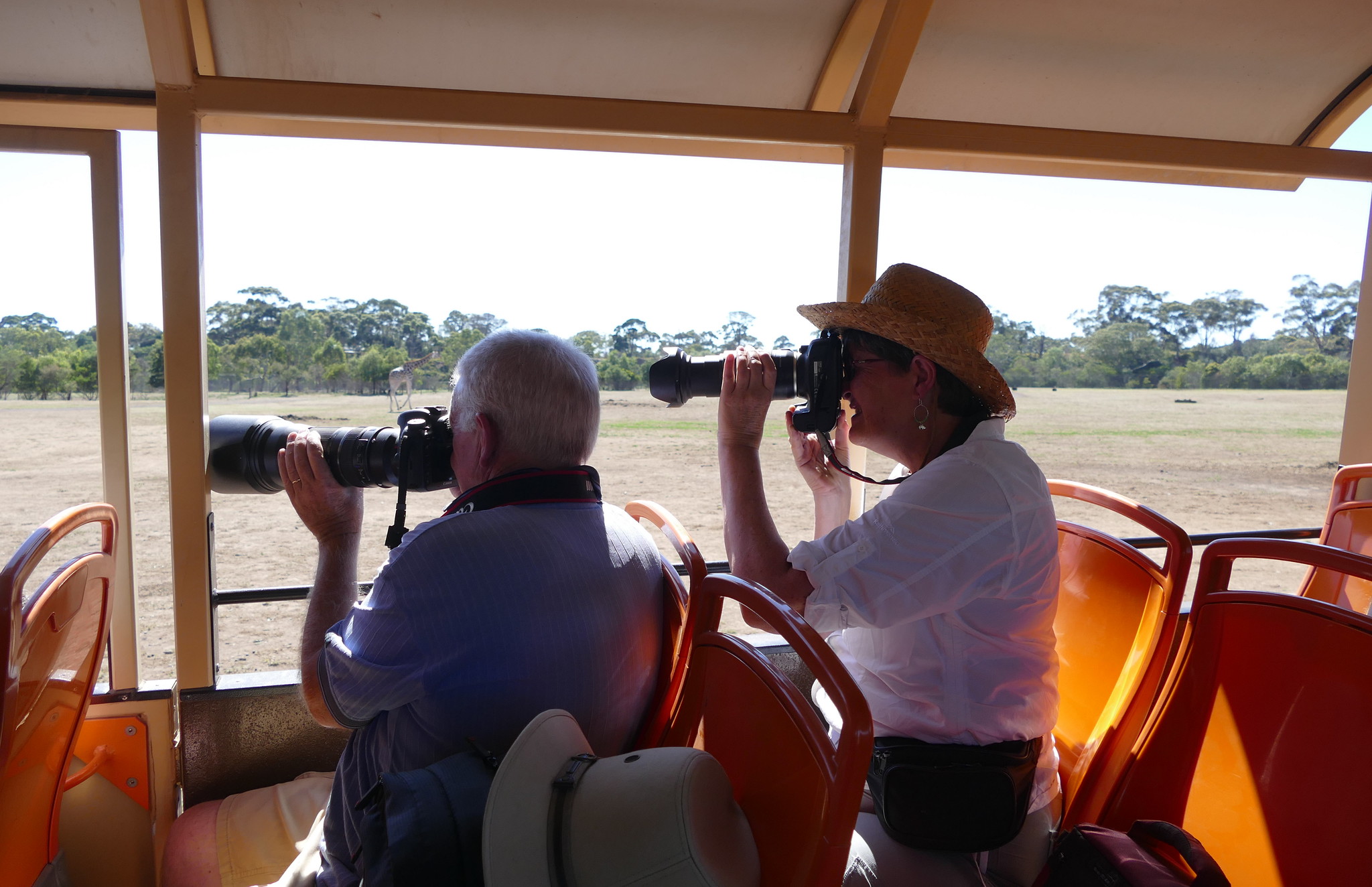
Equipment for birding: Beyond binoculars and a field guide
Binoculars and a good field guide are the starting points for birdwatching, but a well-prepared birder often needs several other items. A notebook helps you record unfamiliar species, a camera allows you to study details later, and a spotting scope makes it easier to observe birds across lakes and open grasslands. Suitable clothing, weather protection and a comfortable day bag can also make long birding sessions more enjoyable.
East Africa offers a wide range of birding environments, from Uganda’s papyrus wetlands and tropical forests to Kenya’s open savannas, Tanzania’s lakes and Rwanda’s mountain forests. Each habitat presents different practical challenges. A birdwatcher exploring Mabamba Bay may need waterproof protection for electronic equipment, while someone walking through Bwindi Impenetrable National Park will benefit from sturdy footwear and clothing suitable for damp forest trails.
You do not need to purchase every available accessory before your first birding trip. Some equipment is essential, while other items become useful as your experience and interests develop. The best approach is to choose equipment according to the habitats you visit, the birds you want to observe and whether you intend to record sightings, photograph wildlife or conduct more serious bird surveys.
A spotting scope for distant birds
A spotting scope is one of the most useful additions for birdwatchers who regularly visit wetlands, lakes, coastlines and open grasslands. It provides higher magnification than ordinary binoculars, allowing you to examine birds that are too far away for comfortable identification.
This is particularly useful when observing waders feeding along distant shorelines, ducks resting on open water or birds of prey perched on exposed trees. At Lake Victoria, for example, a spotting scope can help you examine waterbirds without approaching their feeding or resting areas.
A scope generally needs a tripod because its higher magnification makes even small movements noticeable. A stable tripod keeps the image steady and allows you to observe a bird for longer periods without holding the equipment by hand.
When choosing a spotting scope, consider its magnification range, objective lens size, weight and weather protection. A model with a 60mm to 80mm objective lens can provide useful brightness for outdoor birding. A zoom eyepiece offering approximately 20x to 60x magnification is a common option.
Higher magnification does not always produce better results. Atmospheric heat, haze and poor light can reduce image quality, particularly when viewing birds across large lakes or open plains. A clear, stable image at moderate magnification may be more useful than an extremely enlarged but distorted view.
A spotting scope is optional for general birdwatching. Many safari guides carry one that guests can share, so check with your tour operator before purchasing your own.
A camera for recording bird sightings
A camera is useful when you want to document birds, study identification details or build a personal collection of wildlife photographs. It can help you examine markings that were difficult to see through binoculars, particularly when a bird was distant or moving quickly.
You can begin with a smartphone camera, especially when photographing large birds at close range. Species such as African fish eagles, storks, cranes and pelicans can sometimes be photographed successfully with a modern phone when the distance and lighting are favourable.
For more serious bird photography, a mirrorless or DSLR camera with a telephoto lens offers greater flexibility. A lens between 300mm and 600mm is useful for many birding situations. A 100-400mm zoom lens provides a practical balance between reach and portability, while a 150-600mm lens offers additional magnification for distant subjects.
A camera with reliable autofocus and continuous shooting can help you photograph birds in flight. Image stabilisation is also useful when photographing handheld, although it does not replace good technique or a stable position.
You should consider the weight of the camera before taking it on a long forest walk. A large telephoto lens can become tiring after several hours, particularly on steep or muddy trails. Choose equipment that you can carry comfortably throughout the activity.
Extra camera batteries and memory cards
Bird photography can use considerable battery power, especially when you take continuous shots, record videos or use image stabilisation. Carrying spare batteries reduces the risk of missing an important sighting because your camera has run out of power.
Two fully charged batteries may be sufficient for a short outing, but a full day of photography can require more, depending on the camera and how frequently you use it. Keep spare batteries in a protective case and avoid exposing them to excessive heat or moisture.
Memory cards are equally important. A camera set to capture high-resolution images or rapid bursts can fill a card faster than expected. Carry at least one spare card and check available storage before leaving your accommodation.
For a longer birding holiday, consider backing up your photographs regularly. You can transfer images to a laptop, external storage device or another secure location. This reduces the risk of losing photographs if a memory card becomes damaged or misplaced.
A notebook and pencil for field observations
A notebook is a simple but valuable piece of birding equipment. It allows you to record observations while they are still fresh, especially when you encounter unfamiliar species or behaviour.
Write down the date, location, habitat and approximate time of each sighting. You can also record the bird’s size, colour, bill shape, feeding behaviour and calls.
For example, if you see a small kingfisher along the Kazinga Channel, you might record its size, bright plumage, preferred perch and whether it caught fish. These details can help you identify the species later.
A notebook also helps you build a personal bird list. Over several trips, you can compare the birds seen in wetlands, forests and savannas. You may discover that some species are regular visitors to particular locations while others appear only during migration.
Choose a notebook that fits comfortably inside your day bag. A small waterproof or weather-resistant notebook is useful during wet-season birding. A pencil is often more reliable than an ordinary pen when writing in damp conditions.
A smartphone with offline birding applications
A smartphone can perform several useful functions during a birding trip. You can use it to record sightings, check distribution information, photograph birds, consult maps and identify possible species.
Applications such as Merlin Bird ID can assist with bird identification through photographs and sound recordings, depending on the species and regional coverage available. eBird is useful for maintaining bird lists and checking recorded sightings from different locations.
Download the relevant bird identification packs, maps and other information before travelling. Mobile network coverage can be unreliable in national parks, remote wetlands and forest areas.
Do not rely entirely on automatic identification. Applications can suggest incorrect species, particularly when birds have similar calls or when the photograph is unclear. Compare the suggested identification with a regional field guide and examine the bird’s visible features.
Your smartphone can also serve as a digital notebook. However, keep a paper notebook as a backup if you are visiting areas where charging facilities and network access are limited.
A portable power bank and charging cables
Electronic equipment requires reliable power, particularly during multi-day birding trips. Cameras, smartphones, GPS devices and digital field guides all depend on batteries.
A portable power bank can keep your phone and other compatible devices charged during long outings. Choose one with enough capacity for your planned activities. A model around 10,000mAh to 20,000mAh is a practical starting point for many travellers, although the best capacity depends on the devices you carry.
Pack the correct charging cables and adapters for your equipment. Some cameras use dedicated battery chargers, while others support charging through USB connections.
Before travelling, check whether your accommodation provides suitable charging facilities. Remote lodges may have limited electricity hours or rely on solar power, so you should avoid assuming that every device can be charged at any time.
For longer trips, carry a small organiser for cables, batteries and memory cards. Keeping electronic accessories together makes it easier to find them when you need them.
A comfortable birding backpack
A suitable day bag keeps your equipment organised and protects it during outdoor activities. It should have enough space for your notebook, water, rain jacket, camera accessories, snacks and personal items.
A small backpack of approximately 15 to 25 litres is sufficient for many day outings. Specialist photographers may need a larger bag to carry camera bodies, lenses and other accessories.
Look for padded compartments if you are carrying expensive optical equipment. Separate pockets are useful for keeping water bottles away from cameras and notebooks.
A rain cover is particularly valuable in East Africa. Sudden showers can occur during birding activities, especially in forested and mountainous areas. Even when the weather appears clear, keep a waterproof cover available.
Avoid carrying unnecessary equipment. A heavy backpack can make long walks tiring and reduce your ability to move comfortably through forest trails or uneven ground.
A binocular harness or comfortable carrying strap
Although binoculars are essential equipment, the way you carry them can affect your comfort. A standard neck strap may become uncomfortable during long birding sessions, particularly when you also carry a camera.
A binocular harness distributes the weight across your shoulders and upper body. This reduces pressure on the neck and keeps the binoculars close to your chest when you are walking.
A simple padded strap can also improve comfort. Choose one that fits securely and allows you to raise the binoculars quickly when a bird appears.
For forest walks, a harness can prevent binoculars from swinging into tree branches or other obstacles. It also helps keep the equipment close to your body when walking through thick vegetation.
Check that the harness is compatible with your binoculars before purchasing it. Some systems require special connectors, while others use the existing strap attachment points.
Lens cloth, cleaning brush and protective covers
Dust, fingerprints, moisture and dirt can reduce the clarity of binoculars, spotting scopes and camera lenses. A small cleaning kit helps you maintain your equipment during a birding trip.
Carry a clean microfiber cloth for removing fingerprints and light marks from optical surfaces. A soft lens brush or air blower can help remove loose dust before wiping the lens.
Avoid cleaning optical equipment with ordinary clothing, tissues or rough materials. These can leave fibres or scratch lens coatings, especially when dust particles are rubbed across the surface.
Protective lens caps are also important. Keep them fitted when the equipment is not in use, particularly during dusty game drives in places such as Murchison Falls National Park, the Serengeti or Tsavo.
If you use a camera in wet conditions, dry the exterior carefully before opening battery or memory card compartments. Never store damp equipment in a closed bag for long periods.
Waterproof bags and dry storage
Water protection is essential for birding in wetlands, rainforests and coastal environments. A sudden shower or accidental splash can damage electronic equipment if it is not properly protected.
A waterproof dry bag is useful for boat trips at Mabamba Bay, Lake Naivasha and the Kazinga Channel. It can protect cameras, phones, notebooks and spare batteries from splashes.
Small waterproof pouches are suitable for phones, passports and other personal items. Resealable waterproof bags can provide an inexpensive extra layer of protection for memory cards and batteries.
For longer forest walks, a rain cover for your backpack is practical. You can also use individual protective covers for camera equipment.
Waterproof protection should not be confused with complete submersion protection. Unless a bag or case is specifically rated for submersion, do not assume that it will protect equipment if dropped into a lake or river.
A tripod or camera support
A tripod provides stability when using a spotting scope or taking photographs with a long telephoto lens. It is particularly useful when observing distant waterbirds, stationary raptors and birds resting in open areas.
For a spotting scope, choose a tripod that can support the combined weight of the scope and eyepiece. A stable head allows you to follow a bird smoothly without excessive movement.
For photography, a tripod is useful in some situations, but it is not always practical on a safari. A monopod can offer additional support while remaining easier to carry.
When photographing from a stationary safari vehicle, a padded beanbag or window support can help stabilise the camera. Always use equipment in a way that does not obstruct the guide, interfere with other passengers or create a safety risk.
In forests, a full tripod can become inconvenient when moving between locations. You may find that a lightweight monopod or handheld camera is more practical.
A GPS device or offline map
A GPS device or smartphone map can help you record where you found particular birds. Location information is useful when maintaining a bird list, revisiting a productive habitat or sharing observations with other birdwatchers.
Many birding applications allow users to record sightings with location information. You can also download offline maps before travelling.
A dedicated handheld GPS may be useful for serious field surveys or birding in remote areas where phone batteries and network coverage are unreliable. Most recreational birdwatchers can manage with a smartphone and an offline map.
When recording rare or sensitive species, be careful about sharing precise locations publicly. Some birds are vulnerable to disturbance, trapping or nest disturbance. General location information may be more appropriate than publishing exact coordinates.
A headlamp for early starts and night birding
Birding often begins before sunrise. A headlamp makes it easier to prepare equipment, walk around accommodation and reach an activity starting point safely when it is still dark.
Choose a lightweight model with adjustable brightness and a comfortable headband. A rechargeable option can reduce the need to carry spare disposable batteries.
A red-light setting can help preserve night vision and reduce the amount of bright light used around other people. However, even red light should be used carefully around wildlife.
A headlamp is particularly useful for birders interested in nocturnal species such as owls and nightjars. It should be used only where night activities are permitted and with guidance from an experienced local guide.
Avoid shining strong beams directly at birds or illuminating nests. Bright artificial light can disturb resting wildlife, and some nocturnal birds are particularly sensitive to disturbance.
Appropriate clothing for different habitats
Clothing is an important part of birding equipment because East Africa contains several different climates and landscapes. A birder exploring a lowland wetland may experience warm, humid conditions, while someone walking in Bwindi or the Rwenzori foothills may encounter cool temperatures and rain.
Choose lightweight clothing that allows you to move comfortably. Long-sleeved shirts and long trousers provide protection against sun exposure, insects and vegetation.
Neutral colours such as brown, olive, grey and khaki are practical for many birding environments. They help reduce visual disturbance and are suitable for general wildlife activities.
Carry a light fleece or jacket for early mornings and higher elevations. Temperatures can be cool before sunrise, particularly in mountain forests and around the Ngorongoro Highlands.
A lightweight rain jacket is useful throughout much of East Africa. It should be easy to pack and comfortable enough to wear while walking.
Avoid clothing that rustles excessively or makes unnecessary noise. Quiet movement is particularly important when observing shy forest birds.
Comfortable walking shoes and gaiters
Footwear should match the terrain you intend to explore. A birding trip may involve walking on muddy trails, rocky ground, grassland paths or wetland boardwalks.
Lightweight hiking shoes or boots with good grip are suitable for many forest and woodland walks. Waterproof footwear can be useful during wet conditions, although it may become uncomfortable in hot weather if it does not breathe well.
For longer walks in Bwindi, Kibale and other forest areas, shoes with good ankle support and a firm sole can improve comfort on uneven ground.
Gaiters can help prevent mud, water and small debris from entering your footwear. They are particularly useful when walking through wet grass, thick vegetation or muddy trails.
Carry an additional pair of socks during longer outings. If your feet become wet, changing into dry socks can make the rest of the day more comfortable.
Break in new walking shoes before travelling. Wearing unfamiliar boots for the first time during a long forest walk can cause blisters and discomfort.
Sun protection and insect repellent
Birding often involves spending several hours outdoors, sometimes without shade. A wide-brimmed hat, sunglasses and sunscreen help protect you from strong sunlight.
Choose sunscreen with an SPF of at least 30 and reapply according to the product instructions, especially after sweating or spending time near water.
Insect repellent is useful around wetlands, forests and other areas where biting insects are common. Follow the product instructions and local health guidance when choosing and applying it.
A small personal first-aid kit can also be useful. Include items appropriate for minor cuts, blisters and other common outdoor discomforts. Carry any personal medication you require and keep it accessible during activities.
A reusable water bottle and small snacks
Birding can involve long periods outdoors, especially when you are waiting for birds to become active or moving between several habitats. Drinking enough water helps you remain comfortable and focused.
A reusable water bottle is a practical addition to your day bag. A capacity of around one litre may be sufficient for a short outing in mild conditions, but longer walks and hot environments may require more.
Carry additional water when visiting remote areas, and follow your guide’s advice about safe drinking water. Do not assume that water from rivers, lakes or wetlands is safe to drink.
Small snacks can be useful during longer birding activities. Choose items that are easy to pack and do not create unnecessary litter. Take all packaging back to your accommodation or an appropriate waste disposal point.
Audio recording equipment for bird calls
Some birdwatchers enjoy recording bird calls to help identify species and study vocal behaviour. A dedicated digital audio recorder can capture clearer recordings than an ordinary smartphone, particularly when the bird is distant.
A recorder with an external microphone can provide greater control over sound quality. A directional microphone may help focus on a particular bird while reducing some surrounding noise.
However, good recordings depend on more than equipment. Wind, insects, vehicles, flowing water and other birds can affect the quality of a recording.
You should also consider the ethics of recording. Do not repeatedly play recorded calls to attract birds, especially near nests or during breeding periods. Playback can cause stress, interrupt feeding and encourage birds to leave protected locations.
Recording natural calls without disturbing the birds is the better approach. Always follow local park regulations and guidance from your birding guide.
A birding checklist and species recording tools
A checklist helps you track the birds you have observed during a trip. It can be a printed list, a notebook or a digital application.
For East African birding, a regional checklist is particularly useful because it covers species found in Uganda, Kenya, Tanzania and Rwanda. You can mark each confirmed sighting and record the location where it occurred.
Avoid adding a species simply because you think you heard or saw it. If identification is uncertain, record the observation as unidentified or make a note describing the bird.
Digital platforms such as eBird allow birdwatchers to maintain lists and contribute observations to wider bird records. Accurate sightings can help researchers and conservation organisations understand bird distribution and seasonal movements.
Record the date, location and habitat whenever possible. These details make your observations more useful than a species name alone.
Equipment for different East African birding habitats
The best equipment depends on where you intend to go birdwatching. A person exploring papyrus wetlands needs a different combination of accessories from someone walking through a montane forest.
In wetlands such as Mabamba Bay, Lutembe Bay and Mida Creek, a spotting scope, tripod and waterproof bag are particularly useful. Birds may remain far from the shoreline, and boat activities can expose equipment to splashes.
In forests such as Bwindi, Kibale and Nyungwe, a lightweight backpack, comfortable walking shoes, rain jacket and compact camera are practical. A spotting scope is less essential because dense vegetation often limits long-distance viewing.
In open savannas such as the Maasai Mara, Serengeti and Murchison Falls, a camera with a telephoto lens can be useful for recording birds in flight or perched in distant trees. A beanbag or window support may help stabilise equipment during vehicle-based birding.
For coastal birding around Watamu, Diani, Zanzibar and Mafia Island, binoculars and a spotting scope can help with distant seabirds and waders. A waterproof bag is useful when exploring beaches, tidal flats and estuaries.
How to protect equipment during a birding safari
Dust, moisture, heat and accidental knocks can damage expensive equipment. A few simple precautions can help keep your gear in good condition throughout the trip.
Keep cameras and binoculars in protective cases when they are not in use. Use lens caps to prevent dust and scratches, and clean optical surfaces with suitable materials.
During dusty game drives, avoid changing camera lenses unnecessarily. Dust can enter the camera body and affect the sensor. If you need to change lenses, do so in a sheltered location where possible.
Do not leave electronic equipment exposed to direct sunlight for long periods. Excessive heat can affect batteries, memory cards and electronic components.
After a wet outing, dry the outside of your equipment before storing it. Allow damp bags and protective covers to dry properly as well.
For flights involving small safari aircraft, check baggage weight and luggage dimensions before departure. Some operators have strict luggage limits, and heavy camera equipment can use a significant part of your allowance. Soft-sided bags are often easier to accommodate than rigid suitcases.
What equipment do you actually need?
You can enjoy birdwatching with a relatively small collection of equipment. The items below provide a practical starting point for different levels of experience.
Essential equipment: Binoculars, an East African field guide or offline bird identification application, a notebook, pencil, comfortable walking shoes, suitable clothing, a hat, sunscreen, drinking water and a small day bag.
Useful additional equipment: A camera, spare batteries, extra memory cards, a power bank, waterproof bags, a microfiber lens cloth, insect repellent and a lightweight rain jacket.
Specialist equipment: A spotting scope, tripod, audio recorder, GPS device, camera support and additional photographic accessories.
A beginner does not need every specialist item. If you are joining a guided birding trip, ask whether the guide or tour operator provides a spotting scope. This can save you the cost and inconvenience of carrying one.
Choosing equipment according to your budget
Birding equipment is available at different price levels, so you can build your kit gradually. Begin with equipment that improves your ability to observe and identify birds.
A comfortable pair of binoculars and a reliable regional field guide should take priority over expensive photographic accessories. A notebook, pencil and basic weather protection are inexpensive additions that can make a noticeable difference.
If you enjoy photography, consider purchasing a suitable camera and telephoto lens after gaining some experience. You may discover that you prefer observing birds rather than carrying heavy photographic equipment.
A spotting scope is worth considering if you regularly visit wetlands, lakes and open habitats. If you mostly explore dense forests, you may find that binoculars are sufficient.
Before buying expensive equipment, consider renting or borrowing it. This allows you to test its weight, handling and usefulness in real birding conditions.
Responsible equipment use in the field
Equipment should help you observe birds without disturbing them. A long camera lens, spotting scope or powerful microphone does not give you permission to approach sensitive wildlife.
Keep a respectful distance from feeding and resting birds. Avoid blocking their movement, surrounding them or causing them to fly away repeatedly. Never approach active nests to obtain photographs or recordings.
Use tripods and cameras in locations where they are permitted. In safari vehicles, follow the guide’s instructions and avoid leaning dangerously outside the vehicle or obstructing other passengers.
Do not use drones unless the relevant authorities have specifically authorised their use. Drones can disturb birds, particularly around breeding colonies and wetlands.
Your equipment should support responsible observation. Good birding depends on recognising when to watch, when to move away and when to leave a bird undisturbed.
Building a practical birding kit for East Africa
A good birding kit develops over time. You can begin with binoculars, a field guide, a notebook and suitable outdoor clothing. As you gain experience, you may decide to add a camera, spotting scope, tripod or digital recording equipment.
Think about the activities you plan to undertake. A short birding walk around Entebbe Botanical Gardens requires less equipment than a multi-day birding expedition through Bwindi, Murchison Falls and Kidepo Valley National Park.
For most travellers, a small backpack containing binoculars, a notebook, a phone, drinking water, sunscreen, insect repellent and rain protection is a practical starting point. Add photographic or specialist equipment only when it serves a clear purpose.
The most useful equipment is the equipment you can carry comfortably, operate confidently and maintain properly. With a well-planned kit, you can spend more time observing East Africa’s birds and less time worrying about missing accessories or damaged equipment.



No comment