Tarangire Baobabs, Elephants, and Endemic Birds
Tarangire National Park is a special place for animals. It is in Tanzania. This park is known for its trees, lots of elephants, and many different kinds of birds. When you visit Tarangire National Park, you should take your time. Look around. The park is famous for its elephants and big baobab trees. The birds in the park are also very beautiful. They make the park feel more special. Tarangire’s baobabs, elephants, and endemic birds are what make this park so unique.
The first thing you notice when you get to the park is the baobab trees. They are very big and old. Some of these trees are hundreds of years. They look like monuments in the dry landscape. Their branches go up into the air in shapes. When it is dry, the trees stand out because everything else is dusty and brown. When it rains, the grass and flowers make the landscape look completely different. The big trees are still there, looking the same.
The Ancient Beauty of Tarangire’s Baobabs
Baobab trees are easy to recognize. When you see them all over Tarangire National Park, you start to appreciate how important they are. These trees can store a lot of water in their trunks. This helps them survive when it is dry. The trees also provide food and shelter for animals. Birds like to nest in the holes of the trees. Small animals like to live in the trees because they’re safe and have food.
Tarangire National Park is a place for people who like to take pictures. The baobab trees look beautiful in the morning and afternoon. When an elephant stands next to a baobab tree it is a classic picture.. It is not just about taking pictures. When you stand under one of these trees you feel like you are a part of something very old. You realize how long the landscape has been there and how many animals have lived there.
Where Elephants Rule the Landscape
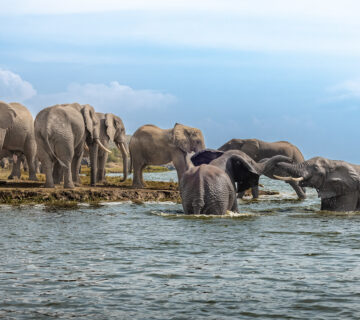
Elephants are the animals in Tarangire National Park. During the season many elephants come to the Tarangire River to drink water. The elephants move to places where they can find food and water. This makes Tarangire National Park a great place to see elephants.
To see the elephants you need to be patient and respectful. A family of elephants will slowly come out of the woods. The baby elephants will stay close to the adults. The older elephants will lead the family to water or food. The younger elephants are very curious and like to explore. The elephants look like they are moving slowly. They are very big and strong.
The elephants, in Tarangire National Park also show us how much animals need water and food. The elephants eat grass, leaves and bark. They move to places to find food. During the season many animals come to the park to find water. During the season the animals spread out across the landscape. Each season is different and fun to see.
Tarangire National Park has a look because of the elephants and baobab trees. When you see the elephants and trees it is very beautiful. You might see a group of elephants walking under the trees while birds are singing in the woods. This is what makes Tarangire National Park so special. Tarangires Baobabs Elephants and Endemic Birds are what make this park unique and fun to visit.
A Birding Destination Beyond the Big Animals
Tarangire deserves attention from anyone interested in African birds. Than 500 bird species have been recorded in the broader Tarangire ecosystem making the park an excellent destination for both dedicated birdwatchers and visitors who simply enjoy wildlife variety. The habitats range from riverine vegetation and wetlands to woodland, grassland and dry scrub creating opportunities for different species.
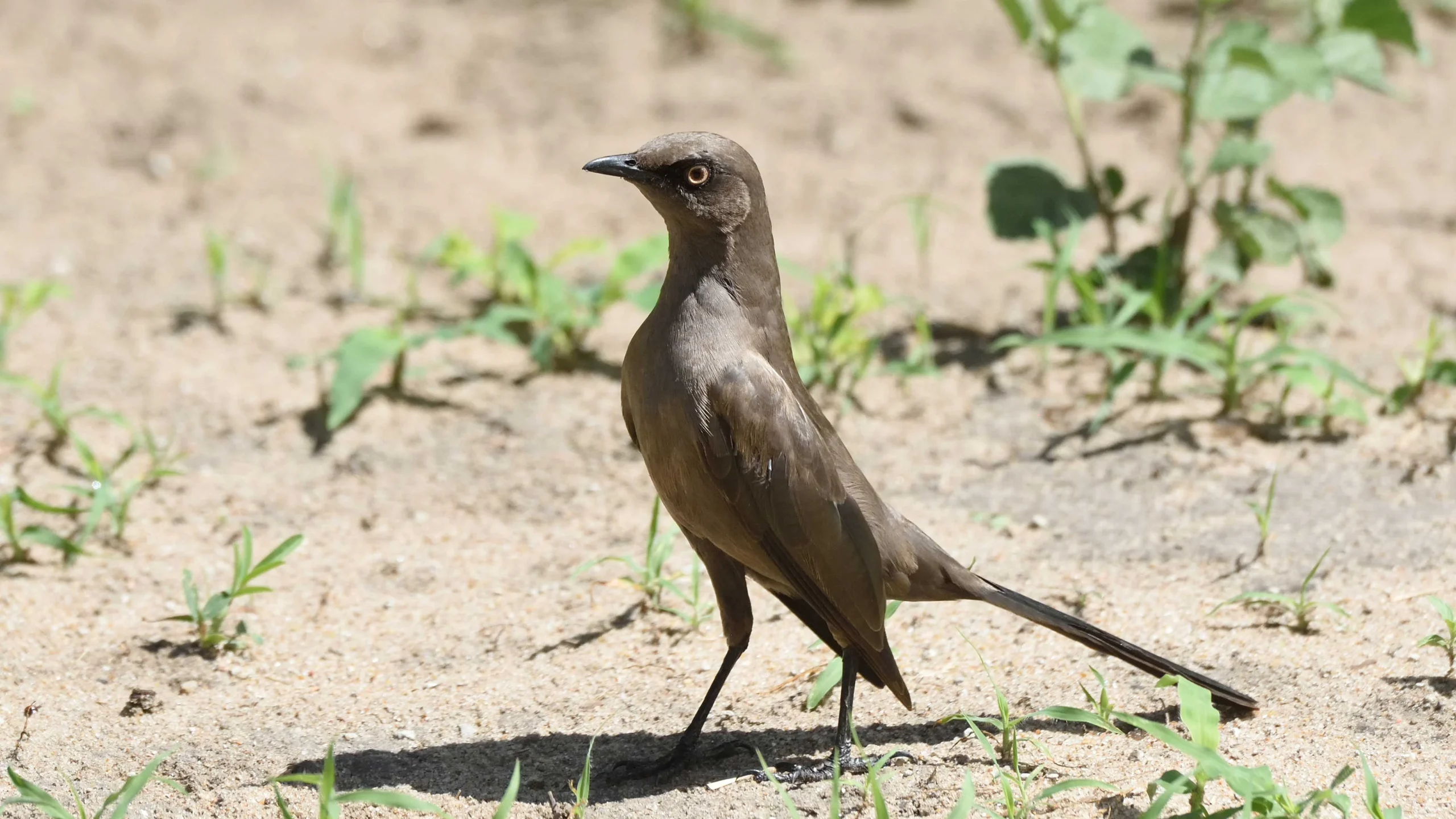
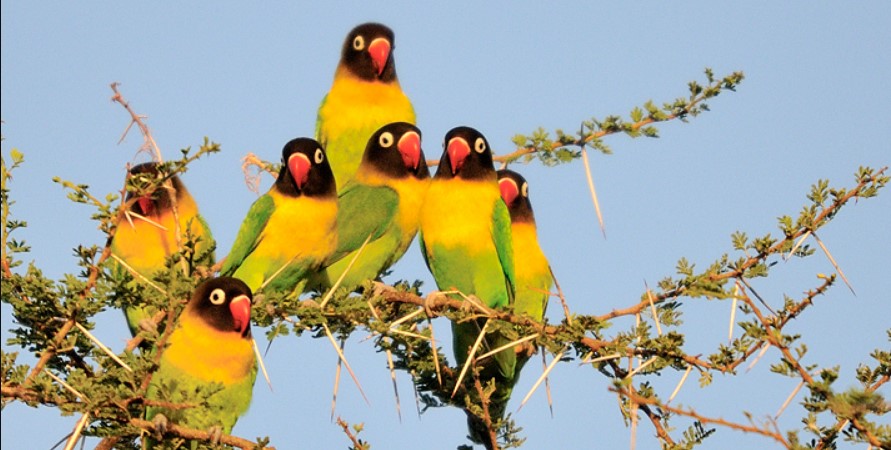
Among the birds that can attract attention are the colorful collared lovebird, northern pied babbler, ashy starling, rufous-tailed weaver and several species associated with the dry-country habitats of northern Tanzania. Some species are particularly associated with Tanzanian ecosystems giving visitors the chance to encounter birds that may be difficult to find elsewhere.
The collared lovebird is especially attractive with vivid green plumage and a distinctive yellow collar. Seeing a small flock moving quickly between trees can be exciting because these birds are active and sometimes difficult to follow with the eye. The ashy starling provides another sight particularly when its pale body contrasts with the darker woodland around it.
Birding in Tarangire becomes more rewarding when you learn to listen. Bird calls often reveal activity before you see the source. A guide who knows the calls and habitats can help identify species hidden inside foliage or moving quickly through the branches. Of focusing only on large animals you begin noticing movement everywhere.
The Changing Seasons Bring New Discoveries
Seasonality plays a role in Tarangire. The dry season is famous for wildlife around water but the rainy periods bring their own rewards. Fresh vegetation attracts insects resident birds become active and migratory species may add to the diversity. The landscape becomes greener and breeding activity can make birding particularly interesting.
For visitors interested in birds an early morning game drive is often ideal. Temperatures are cooler birds are active and the soft morning light makes observation easier. Carrying binoculars can transform the experience because many birds are small or remain high in trees. A field guide or bird identification app can also help you remember what you encounter.
The changing landscape means that no two visits need to feel identical. One trip may be dominated by elephants near the river while another may produce sightings of colorful woodland birds. This variety gives Tarangire lasting appeal.
Exploring Tarangire’s Diverse Habitats
The Tarangire River is one of the park’s defining features. The surrounding habitats deserve equal attention. Riverine woodland provides shade and food for wildlife while open grasslands support grazing animals. Seasonal swamps can attract water-associated species and dry woodland offers shelter, for birds and mammals adapted to conditions.
These habitats are connected. Water influences vegetation, vegetation supports insects and herbivores and those resources support predators and birds of prey. A single game drive can pass through ecological zones giving you a broad view of how wildlife survives in a seasonal environment.
The park also provides opportunities to see animals beyond elephants. Depending on the season and location visitors may encounter giraffes, zebras, wildebeest, buffaloes, impalas, gazelles, lions, leopards and many smaller species. The variety adds depth to every drive especially when you allow time to explore quieter areas than concentrating only on famous sightings.
A Different Kind of Safari Experience
The Tarangire park can feel really peaceful compared to some famous safari spots in Tanzania. The landscapes here make you want to slow down and take it all in than rushing from one place to another. You might spend a time watching a family of elephants eat and then notice a bird sitting on a branch nearby. A guide might show you animal tracks in the dirt. Tell you about how the animals use the water.
This slower pace can totally change how you experience a safari. You start to notice all the details that you might otherwise miss, like the texture of a baobab tree trunk or the sound of birds singing after sunrise. The wildlife becomes a part of a story about water, food, seasons and survival.
The Tarangire park is about its baobabs, elephants and birds. It is not about one big attraction. The park is special because of how all its different parts work the old trees, the seasonal waters, the elephants, the birds and the changing landscapes.
Planning a Memorable Visit
To have a time in Tarangire you need to choose the right time of year for what you want to see. If you want to see a lot of elephants and other animals near water the dry season is a time to go. If you prefer to see scenery lots of birds and not so many animals all together the wet season is better.
Make sure you have time to go on game drives and do not just treat Tarangire like a quick stop on your way to somewhere else. Two full days can be way better than a rushed visit. It is an idea to get up early because the animals and birds are usually more active before it gets too hot.
Bring some binoculars, comfortable clothes, sun protection, water to drink and a camera with lots of memory. The important thing is to be patient. Some of the things you will see happen after you have been waiting quietly for a while.
Tarangire also teaches us about how important it’s to protect the environment. To protect the animals we need to protect their homes and the routes they take when they move around. Elephants need water and food and birds need trees, grass and wetlands. If one part of the environment is not healthy it can affect all the parts.
For anyone planning a safari in Tanzania Tarangire is a great place to visit. The park has elephants, old baobabs and colorful birds. It is a place where you can see all these things living together in harmony.
The best memories you will make
are the ones you do not plan. Like when an elephant appears beside a baobab tree at sunrise or a flock of birds flies across the sky. You hear a bird calling from some bushes. These are the things you will remember for years to come. Tarangire is a place that rewards you for being curious and taking your time.
The Tarangire park is about how different and varied it is. It is a place where old trees are still standing elephants follow the seasons and birds live in homes shaped by water and weather. If you visit the park with time, patience and respect you will see way more than you expected. The landscapes will stay with you because they show you what it is like, for animals to live in their habitat.