
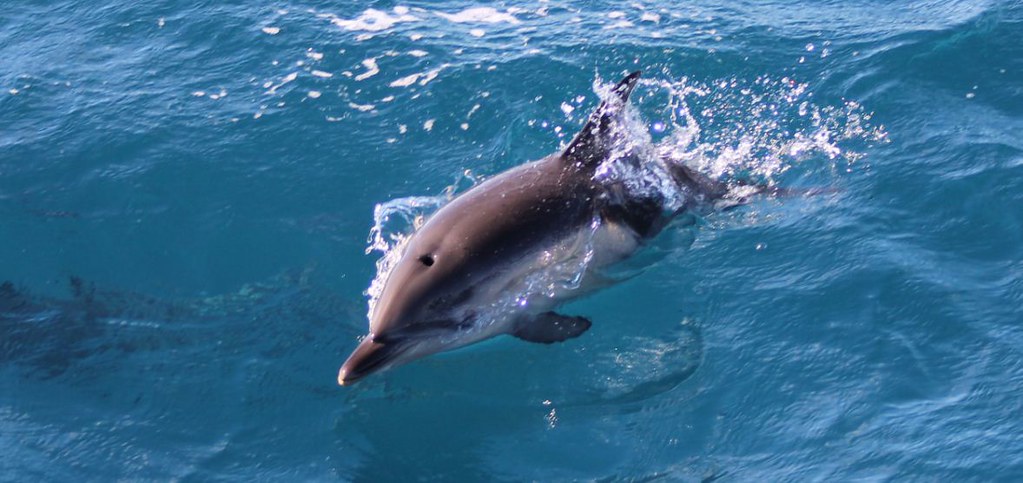
Swimming with dolphins in Kizimkazi: Ethical considerations and tips
Swimming with dolphins in Kizimkazi is one of the most popular marine activities in Zanzibar. Located along the island’s southern coast, Kizimkazi attracts visitors hoping to see wild dolphins swimming, feeding and moving through the warm waters of the Indian Ocean. Boat excursions usually depart early in the morning, taking visitors into areas where dolphins are regularly encountered.
The experience can be exciting, especially when a pod surfaces close to the boat. However, dolphin tourism in Kizimkazi raises important questions about animal welfare. Dolphins are wild marine mammals, not trained performers. Their natural activities include feeding, resting, communicating, caring for their young and travelling between different areas. Repeated boat approaches and swimmers entering the water can interrupt these activities.
A responsible excursion should put the dolphins’ welfare before the expectation of a close encounter. You can enjoy seeing these animals without chasing them, surrounding them or forcing an interaction. Before booking a trip, it is important to understand how the excursions work, what ethical practices look like and how your decisions can reduce disturbance to marine life.
Where is Kizimkazi?
Kizimkazi is located on the southern coast of Unguja, Zanzibar’s main island. It is made up of two main settlements, Kizimkazi Dimbani and Kizimkazi Mkunguni. The area is known for its fishing communities, coastal scenery, historic sites and dolphin-watching excursions.
Most dolphin trips depart from the coastal area around Kizimkazi Mkunguni. Local boat operators take visitors into nearby waters, particularly around Menai Bay, where dolphins are regularly seen.
The journey from Stone Town usually takes around one to one and a half hours by road, depending on traffic and your exact departure point. Visitors staying in Paje, Jambiani or other southern and eastern beach areas may have shorter transfers.
Kizimkazi is also associated with traditional fishing activities. Tourism provides another source of income for local residents, including boat operators, guides and people working in accommodation and hospitality. Responsible dolphin tourism can support these communities while protecting the wildlife that attracts visitors.
Which dolphins can you see in Kizimkazi?
Several dolphin species live in Zanzibar’s surrounding waters, but two are particularly associated with the Kizimkazi area.
Indo-Pacific bottlenose dolphins are among the species visitors may encounter. They have a relatively robust body, a distinct beak-like snout and a social lifestyle. They often travel in groups and use sound to communicate and locate prey.
Indian Ocean humpback dolphins are also found in the region. They generally have a more slender body and a noticeable hump below the dorsal fin, which helps distinguish them from bottlenose dolphins. They are coastal animals and can be found in relatively shallow waters.
Dolphins are intelligent, social mammals. They breathe air through a blowhole, give birth to live young and nurse their calves. They depend on sound for communication and navigation, making them particularly vulnerable to excessive underwater noise.
You may see dolphins travelling, feeding, resting or interacting with other members of their group. Their behaviour changes throughout the day, and the presence of boats can influence how they use the area.
What happens during a Kizimkazi dolphin excursion?
Most excursions begin early in the morning, when visitors travel by road to the departure point. After meeting the boat crew, you receive a short briefing before boarding a motorboat.
The crew then takes you towards areas where dolphins are commonly encountered. The journey may involve searching across different sections of the bay because the animals move freely and are not present in exactly the same place every day.
When dolphins are spotted, the boat may slow down so passengers can observe them. Depending on the operator and the conditions, some trips offer passengers the opportunity to enter the water.
The experience varies. You might see dolphins swimming near the surface, watch them moving through the water from the boat or have a brief opportunity to observe them while swimming nearby. Some excursions may include additional activities, such as snorkelling or a stop at another coastal location.
A sighting is never guaranteed. Dolphins can move away, remain underwater or spend time in areas where boats cannot easily follow them. A responsible operator accepts this rather than chasing the animals to satisfy visitors.
Is swimming with dolphins in Kizimkazi ethical?
This is an important question to consider before booking. Swimming with wild dolphins can create disturbance, particularly when several boats pursue the same group or passengers repeatedly enter the water in the dolphins’ path.
The problem is not simply that people are present. The way boats and swimmers behave makes a significant difference. Fast approaches, loud engines, repeated attempts to intercept dolphins and crowded encounters can interrupt natural activities.
Dolphins may change direction, swim faster, dive for longer periods or move away when boats approach too closely. These responses can indicate disturbance. Repeated interruptions may reduce the time available for feeding, resting, socialising and caring for young.
Zanzibar has official standards for tourism-related water sports, including requirements for dolphin and whale-watching operators. The 2024 Zanzibar standard addresses operator licensing, vessel conduct, approach procedures and signs of disturbance. It requires boats to approach slowly and avoid actions that disrupt normal dolphin behaviour.
The standard also specifies limits on the number of vessels around dolphin-watching areas and requires operators to leave animals undisturbed when they show signs of stress.
Swimming with dolphins should therefore never mean chasing them through the water or attempting to touch them. The animals should control whether an encounter happens and how long it lasts.
The main ethical problems with dolphin tourism
Chasing dolphins with boats
One of the most concerning practices occurs when boat operators accelerate towards a pod to get passengers closer. Some boats may follow dolphins repeatedly, changing direction whenever the animals move away.
This behaviour can cause unnecessary stress. Dolphins may be forced to alter their swimming patterns, abandon feeding areas or spend more time travelling to avoid boats.
A responsible captain maintains a controlled speed, approaches carefully and allows dolphins to decide whether to remain nearby. If the animals move away, the boat should not pursue them.
Crowding one group with several boats
Kizimkazi is a popular excursion destination, and several boats may search for dolphins at the same time. When too many vessels approach one pod, the animals can become surrounded by engine noise and movement.
Crowding also makes it difficult for dolphins to maintain their normal direction of travel. They may have fewer opportunities to move away without encountering another boat.
Zanzibar’s 2024 water-sports standard sets limits for dolphin-watching vessels in an area. It also states that only one watching vessel should be within 50 metres of a group at a time. Visitors should choose operators who understand and follow these requirements.
Jumping into the dolphins’ path
Some excursions encourage passengers to enter the water as soon as dolphins are spotted. If swimmers are dropped directly in front of a moving pod, the animals may have to change direction or dive to avoid them.
This can be stressful and may also create safety risks for visitors. Dolphins are powerful wild animals, and their movements can be unpredictable.
A responsible operator should never place swimmers directly in the path of a moving group. If swimming is permitted under the applicable rules and conditions, passengers should enter quietly and remain close to the boat or designated safety line. They should never swim after the dolphins.
Disturbing mothers and calves
Mother dolphins and their calves require particular care. Young dolphins depend on their mothers for protection, feeding and learning essential survival behaviours.
Approaching a mother and calf too closely can interrupt their activities and create unnecessary pressure. A responsible captain should avoid these groups and should not allow passengers to enter the water around them.
If you notice a calf swimming close to an adult, do not encourage the boat to move closer for photographs.
Touching or feeding dolphins
Dolphins should never be touched, held, fed or deliberately attracted with food. These actions can alter their natural behaviour and create risks for both animals and people.
Even if a dolphin swims close to your boat, resist the temptation to reach out. Allow it to move freely without interference.
How to identify a responsible dolphin tour operator
Choosing the right operator is one of the most important decisions you can make. Excursions may look similar in advertisements, but the behaviour of the captain and crew can vary considerably.
A responsible operator should understand dolphin behaviour and explain the rules before the boat leaves shore. The crew should also be willing to end an encounter when the animals show signs of disturbance.
Ask whether the company follows Zanzibar’s official dolphin-watching requirements. Confirm that its operator is appropriately licensed and that the crew understands how to approach dolphins safely.
A good operator will not promise that you will swim with dolphins. Sightings depend on the animals’ movements, and an ethical crew should accept that visitors may only observe them from the boat.
You should also check the condition of the boat and the availability of life jackets. The crew should have a clear safety procedure and enough equipment for everyone on board.
Pay attention to how the operator describes the experience. If the main selling point is guaranteed close contact, touching or chasing dolphins, consider choosing a different excursion.
Questions to ask before booking
Before paying for a Kizimkazi dolphin trip, ask the operator a few direct questions.
- Do you follow Zanzibar’s official dolphin-watching guidelines?
- Are your boat and dolphin-watching operations appropriately licensed?
- How do you approach a group of dolphins?
- What happens if the dolphins move away?
- Do you avoid groups containing mothers and calves?
- How many boats are allowed near one group?
- Are passengers ever encouraged to chase dolphins in the water?
- What safety equipment is available on board?
- Is swimming optional, and can I choose to remain on the boat?
The answers can help you understand whether the operator prioritises wildlife welfare. Be cautious if the crew dismisses your questions or insists that close contact is guaranteed.
Tips for swimming responsibly with dolphins
If you decide to join an excursion that permits swimming, your behaviour in the water matters. Follow the crew’s instructions and avoid actions that could frighten or disturb the animals.
Enter the water quietly
Avoid jumping, shouting or making unnecessary splashes. Sudden movements can startle dolphins, particularly when they are resting or feeding.
If the crew determines that entering the water is appropriate, follow its instructions and enter calmly. Do not rush towards the animals.
Never swim after dolphins
Dolphins can swim much faster than people. Attempting to follow them can exhaust you and disturb the animals.
Remain close to the boat or safety line, as instructed. If the dolphins move away, allow them to leave without following them.
Do not touch or feed them
Keep your hands to yourself, even if a dolphin approaches. Never attempt to grab a fin, hold an animal or offer food.
Wild dolphins have their own social behaviour and feeding patterns. Human contact can interfere with these activities and may expose both visitors and animals to injury.
Keep your distance from calves
If you see a young dolphin swimming beside an adult, do not approach. The mother and calf should be left undisturbed.
Tell your guide if you notice a calf and allow the crew to move away from the group.
Avoid loud noises
Shouting, playing loud music and making unnecessary noise can disturb dolphins. They depend heavily on sound for communication and orientation.
Keep conversations quiet and listen to the guide. A calm boat environment is better for wildlife observation.
Accept when the encounter ends
A dolphin may surface briefly and then disappear underwater. This does not mean the boat should follow it repeatedly.
If the animals move away or show signs of disturbance, the crew should leave them alone. Do not pressure the captain to make another attempt.
Signs that dolphins may be disturbed
Knowing basic dolphin behaviour can help you recognise when an encounter is becoming intrusive.
Watch for changes such as:
- Dolphins suddenly changing direction or swimming faster.
- Repeated diving or moving away from the boat.
- Changes in breathing or surfacing patterns.
- Groups separating or becoming less cohesive.
- Dolphins stopping activities such as feeding or socialising.
- Repeated tail slapping or other unusual surface behaviour.
These signs do not always mean that a dolphin is distressed, because natural behaviour varies. However, they are reasons for the crew to give the animals more space and stop the approach.
Zanzibar’s official 2024 standard identifies changes in swimming speed, direction, breathing, diving, group cohesion and surface behaviour as possible signs of disturbance. Operators are expected to leave animals undisturbed when these behaviours occur.
What should you bring for a Kizimkazi dolphin trip?
A few practical items can make your excursion more comfortable. Most trips take place in the morning, so prepare for a boat journey and time in the water.
Bring swimwear, a towel, sunscreen, drinking water and a change of clothes. A waterproof bag is useful for protecting your phone, camera and personal belongings.
If you plan to swim, bring a well-fitting mask and snorkel if you prefer using your own equipment. Confirm whether the operator provides fins and life jackets.
Wear suitable footwear for getting on and off the boat. Some departure points have sandy or uneven surfaces, so shoes that can get wet may be useful.
If you are prone to seasickness, consider suitable precautions before travelling. Boat movement can become uncomfortable when the sea is rough. Ask a healthcare professional or pharmacist about medication if you are unsure what to use.
A camera with a zoom lens can help you photograph dolphins from the boat without moving closer to them. Avoid using a flash or leaning dangerously over the side to capture pictures.
Best time to see dolphins in Kizimkazi
Dolphins can be encountered throughout the year in the waters around Kizimkazi. Early morning is generally preferred for excursions because the sea may be calmer and there is often less boat traffic than later in the day.
Many operators arrange departures around sunrise or shortly afterwards. The exact time depends on the season, tides, weather and departure arrangements.
The dry seasons, particularly June to October and January to February, are popular periods for visiting Zanzibar. These months generally offer favourable conditions for many outdoor activities, although sea conditions still vary.
November and the long rainy season from March to May can bring more unpredictable weather. Heavy rain, wind and rough water may affect boat departures and visibility.
There is no month when a dolphin sighting or swim is guaranteed. The animals move freely, and their behaviour should determine whether an encounter takes place.
How much does a Kizimkazi dolphin excursion cost?
The price depends on the operator, group size, departure location and services included. A basic shared boat trip is generally less expensive than a private excursion with hotel transfers and additional activities.
Some packages include transport from your accommodation, boat hire, a guide and snorkelling equipment. Others charge separately for transfers, meals or additional stops.
Before paying, ask whether the price is per person or for the entire boat. Confirm the duration, departure time, equipment provided and any additional charges.
Do not choose an operator simply because the price is low. The crew’s approach to wildlife and the safety arrangements on board are more important than saving a small amount of money.
Also avoid paying extra for a guaranteed swim or a promise that passengers will touch dolphins. Such promises encourage expectations that can lead to harmful interactions.
Is Kizimkazi suitable for families?
Kizimkazi can be an interesting family excursion, particularly for children who enjoy learning about marine animals. Watching dolphins from a boat can be educational and enjoyable without requiring anyone to enter the water.
Families should check whether the operator provides child-sized life jackets and suitable seating. Ask about the boat’s safety equipment, the expected journey time and whether the sea conditions are appropriate for younger passengers.
Children should remain seated when the boat is moving and follow the crew’s instructions. Parents should supervise them throughout the excursion, especially near the water.
For families with young children or anyone who is not a confident swimmer, observing dolphins from the boat may be the better choice. There is no need to enter the sea to appreciate the animals.
Alternatives to swimming with dolphins in Kizimkazi
You can enjoy Zanzibar’s marine environment without entering the water around wild dolphins. Several other activities offer opportunities to explore the coast and surrounding marine habitats.
Dolphin watching from the boat
A boat-based observation trip allows you to see dolphins surfacing, swimming and interacting without attempting to swim alongside them. This is a suitable option for visitors who want to observe marine life while reducing direct interaction.
Choose an operator that maintains appropriate distances and follows official vessel rules. Watching from the boat does not automatically make an excursion ethical, because boats can still disturb animals if they chase or surround them.
Snorkelling around Mnemba Atoll
Mnemba Atoll, off Zanzibar’s northeast coast, is known for its coral reefs and tropical fish. Snorkelling provides an opportunity to explore a different marine environment without pursuing dolphins.
Choose an operator that avoids damaging coral and follows responsible marine tourism practices. Never stand on the reef or touch marine animals.
Exploring Menai Bay
Menai Bay is a marine conservation area along Zanzibar’s southwest coast. It offers opportunities for boat trips, coastal scenery and marine wildlife observation.
Some excursions combine visits to sandbanks and snorkelling locations. Ask about the environmental practices of your operator before booking.
Visiting Jozani Forest
If you want an alternative to a marine excursion, Jozani Chwaka Bay National Park offers a chance to explore Zanzibar’s natural forest environment. Visitors can learn about the island’s wildlife and vegetation, including the Zanzibar red colobus monkey.
A guided forest walk can be a useful addition to a holiday, particularly when you want to balance beach activities with nature and conservation experiences.
Supporting local communities through responsible tourism
Dolphin tourism provides income for people living around Kizimkazi. Boat operators, guides, drivers, restaurants and accommodation providers all benefit from visitors travelling to the area.
Choosing a responsible operator helps support businesses that take wildlife protection seriously. You can also contribute to the local economy by using local guides, buying from community businesses and respecting the customs of the fishing villages.
However, community income should not depend on guaranteeing close contact with wild animals. A well-managed excursion can provide visitors with a worthwhile experience while allowing dolphins to continue their natural activities.
Visitors should also avoid leaving rubbish on beaches or throwing plastic into the sea. Marine pollution affects fish, turtles, dolphins and other wildlife. Take all waste back to shore and dispose of it properly.
Frequently asked questions about swimming with dolphins in Kizimkazi
Are dolphins guaranteed during a Kizimkazi tour?
No. Dolphins are wild animals, and their movements cannot be controlled. They are regularly encountered in the area, but sightings depend on where they are feeding, travelling or resting. A responsible operator will never promise a guaranteed encounter.
Can you touch dolphins in Kizimkazi?
No. You should never touch, hold, feed or chase wild dolphins. Allow them to move freely and maintain a respectful distance.
Is swimming with dolphins safe?
Swimming in open water always carries risks. Dolphins are powerful wild animals, and boat traffic, waves and currents can create additional hazards. Follow the crew’s safety instructions and do not enter the water if conditions are unsuitable.
What time do Kizimkazi dolphin tours start?
Many excursions depart early in the morning, often around sunrise. Exact departure times depend on the operator, tides, weather and your hotel location.
Can children join dolphin excursions?
Many operators accept families, but minimum ages and safety arrangements vary. Confirm whether suitable life jackets are available and whether the boat is appropriate for young children.
Can you see dolphins without swimming?
Yes. You can observe dolphins from the boat without entering the water. This is a good option for non-swimmers, families and visitors who prefer a less intrusive encounter.
Are Kizimkazi dolphin tours available throughout the year?
Excursions are offered throughout the year, but weather and sea conditions can affect departures. Operators may postpone trips when conditions are unsafe.
How long does a dolphin excursion take?
Many trips last around two to three hours, although the duration varies by operator, weather and location. Packages that include other activities can take longer.
Making a responsible choice in Kizimkazi
Swimming with dolphins in Kizimkazi can be an exciting wildlife experience, but it requires careful decisions. The dolphins should never be chased, surrounded or forced to interact with visitors. Their welfare must take priority over photographs or the expectation of swimming close to them.
Choose an operator that follows Zanzibar’s official dolphin-watching requirements, approaches animals slowly and leaves them alone when they show signs of disturbance. Be prepared to remain on the boat if swimming would interfere with their behaviour or create safety concerns.
A responsible encounter may be brief, and sometimes the best decision is to observe from a distance without entering the water. By choosing carefully and respecting the animals, you can support local tourism while helping protect Zanzibar’s marine wildlife for future visitors.







No comment