
Madagascar and East Africa: Can You Combine Them in One Trip?
Madagascar and East Africa can be combined in one African holiday, and the result can be an exceptional journey for travellers who want to experience very different landscapes, wildlife and cultures. Madagascar offers unusual wildlife found nowhere else on Earth, including lemurs, chameleons, fossas and several endemic bird species. East Africa, by comparison, is famous for its open savannahs, large mammals, mountain gorillas, chimpanzees and the Great Migration.
Although both destinations are part of the African travel experience, they are geographically and ecologically distinct. Madagascar is a large island in the Indian Ocean, separated from mainland Africa by the Mozambique Channel. East Africa includes destinations such as Uganda, Kenya, Tanzania and Rwanda. Travelling between them requires international flights and careful planning, but it is entirely possible.
The main question is how much time you have and what you want to experience. A short holiday may be better spent exploring one region properly. With two or three weeks, however, you can combine Madagascar’s forests and wildlife with an East African safari or gorilla trekking experience.
What makes Madagascar different from East Africa?
Madagascar has developed a remarkable natural environment because it remained isolated from mainland Africa for millions of years. Much of its wildlife evolved independently, creating species that cannot be found naturally anywhere else.
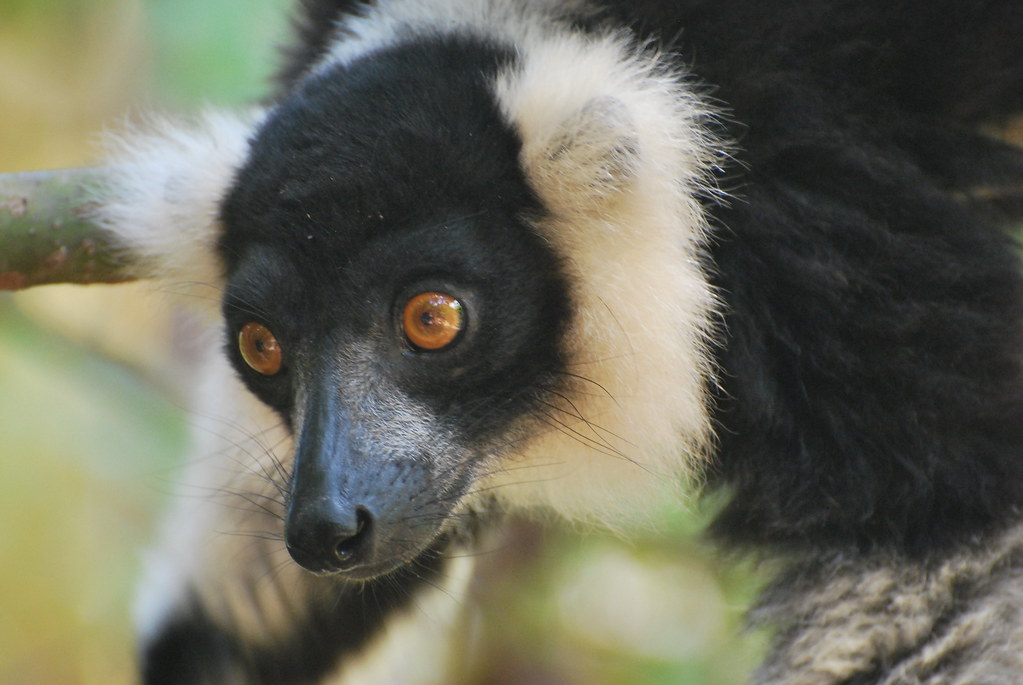
Lemurs are the island’s most recognisable animals. Visitors can encounter different species in national parks and forest reserves, from the small mouse lemurs to the larger indri, whose distinctive calls carry through the rainforest. Madagascar is also home to colourful chameleons, leaf-tailed geckos, frogs, endemic birds and the elusive fossa.
The landscapes are equally varied. Eastern Madagascar has humid rainforests, while the south contains dry forests, spiny vegetation and unusual plant species. The west is known for its baobab trees, dramatic limestone formations and dry deciduous forests.
East Africa offers a different wildlife experience. Kenya and Tanzania are famous for savannah ecosystems where elephants, lions, giraffes, zebras, buffaloes and other large mammals roam across open grasslands. Uganda and Rwanda add tropical forests, mountain gorillas, chimpanzees and volcanic landscapes.
Combining the two regions therefore gives you access to wildlife experiences that are difficult to compare. Madagascar is particularly rewarding for endemic species and forest exploration, while East Africa is stronger for traditional game drives, large mammals and some of the world’s best-known primate encounters.
Why combine Madagascar with East Africa?
The strongest reason to combine these destinations is the variety. You can spend several days walking through Madagascar’s rainforest in search of lemurs before travelling to Tanzania for a game drive across the Serengeti. Alternatively, you could visit Madagascar’s baobab landscapes before continuing to Uganda for gorilla trekking in Bwindi Impenetrable National Park.
The experiences complement each other. Madagascar offers wildlife encounters that are often close, quiet and guided on foot. East African safaris provide opportunities to observe large animals across extensive natural habitats, usually from a safari vehicle.
A combined journey also introduces you to different cultures, food, architecture and ways of life. Madagascar has a distinctive Malagasy culture with influences from African and Southeast Asian ancestry. East Africa has its own cultural diversity, including Maasai communities in Kenya and Tanzania, traditional kingdoms in Uganda, and Rwanda’s rich cultural heritage.
For photographers and nature enthusiasts, the combination can be particularly attractive. You can photograph lemurs in forest habitats, chameleons among vegetation, baobab trees at sunset, elephants on the savannah and mountain gorillas in dense tropical forests.
The best East African destinations to combine with Madagascar
You do not need to visit every East African country during the same trip. Choosing one or two destinations will make the journey easier to manage and leave more time for wildlife activities.
Madagascar and Uganda
<PRIVATE_PERSON>
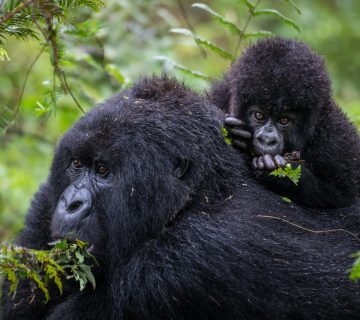
Uganda is one of the strongest choices for travellers who want to combine Madagascar with a primate-focused holiday. Madagascar provides lemurs, while Uganda offers mountain gorillas, chimpanzees and several other primate species.
Bwindi Impenetrable National Park is the main destination for mountain gorilla trekking. The experience involves hiking through dense forest with trained guides and trackers to locate a habituated gorilla family. Once the group is found, visitors are allowed a strictly regulated period to observe the gorillas.
Kibale National Park is another important stop. It is widely known for chimpanzee tracking and has a rich variety of other primates. Visitors may also consider Queen Elizabeth National Park for elephants, lions, buffaloes, hippos and boat trips along the Kazinga Channel.
A practical route could begin in Madagascar, continue to Entebbe, and then move west towards Kibale and Bwindi. This combination is particularly suitable for travellers who value primates and forest wildlife more than a traditional savannah safari.
Allow at least five to seven days for a focused Uganda visit, although a longer stay gives you time to include additional national parks.
Madagascar and Kenya
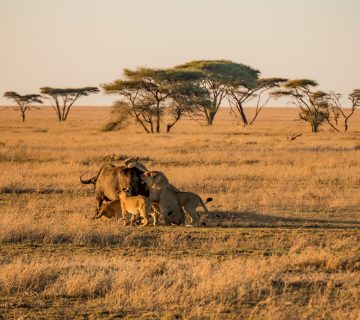
Kenya is an excellent option if your main interest is a classic African safari. The Maasai Mara is famous for lions, cheetahs, leopards, elephants and large herds of wildebeest and zebras. During the Great Migration season, the reserve can provide opportunities to witness enormous herds moving through the ecosystem.
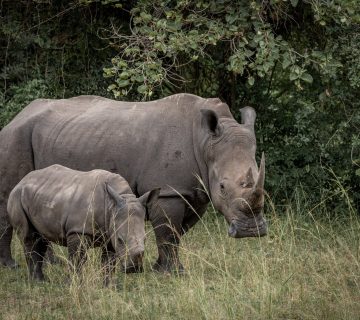
Amboseli National Park offers another experience, with large elephant herds and views of Mount Kilimanjaro when weather conditions are clear. Lake Nakuru National Park is known for its birdlife and rhino conservation, while Tsavo provides extensive wilderness and varied landscapes.
A journey combining Madagascar and Kenya works well for travellers who want to see unusual island wildlife before experiencing the open plains of East Africa.
Nairobi is an important international gateway for Kenya. Depending on flight schedules, it may also serve as a useful connection point between Madagascar and other East African destinations.
Madagascar and Tanzania
Tanzania offers some of the most famous safari destinations on the continent. The Serengeti National Park is known for its large predator populations and the annual movement of wildebeest and zebras. The Ngorongoro Crater provides excellent opportunities to see a variety of wildlife within a relatively compact area.
Tarangire National Park is another strong choice, particularly for elephant sightings and its distinctive baobab landscapes. Travellers with more time can continue to Zanzibar for beaches, historic Stone Town and coastal activities.
Madagascar and Tanzania are a particularly attractive combination for people interested in both wildlife and scenery. You could explore Madagascar’s rainforests and baobab avenues before travelling to the Serengeti for game drives.
If you want to include the Great Migration, your travel dates should determine which part of the Serengeti you visit. The herds move according to rainfall and grazing conditions, so their location changes throughout the year.
Madagascar and Rwanda
Rwanda is a good option for travellers interested in mountain gorilla trekking, volcanic landscapes and a relatively compact itinerary.
Volcanoes National Park is the country’s main destination for gorilla trekking. The park also offers golden monkey tracking, nature walks and views of the Virunga volcanoes. Kigali provides an opportunity to learn about Rwanda’s history and visit important cultural and memorial sites.
A Madagascar and Rwanda combination works especially well for travellers who want to focus on primates without adding several long safari transfers. You can explore lemurs in Madagascar and then travel to Rwanda for mountain gorillas and golden monkeys.
Rwanda can also be combined with Uganda if you want to experience gorilla trekking in one country and other wildlife destinations in the other.
How do you travel between Madagascar and East Africa?
The main logistical consideration is the international flight between Madagascar and mainland East Africa. Madagascar’s principal international gateway is Ivato International Airport in Antananarivo. East African connections may involve Nairobi, Addis Ababa or another regional hub, depending on the airline and travel dates.
Do not assume that a convenient direct flight will operate on your preferred date. Flight schedules and routes can change, and some journeys require a connection or an overnight stop. Check the available flights before confirming accommodation and safari activities.
For a trip involving Uganda, Entebbe International Airport is the main international gateway. For Kenya, most international travellers arrive through Jomo Kenyatta International Airport in Nairobi. Tanzania’s main international gateways include Kilimanjaro International Airport and Julius Nyerere International Airport in Dar es Salaam. Kigali International Airport serves Rwanda.
Your final route should depend on the available flights and the destinations you want to visit. In some cases, it may be easier to fly from Madagascar to Nairobi and continue to another East African country. In others, a connection through Addis Ababa may be more practical.
Allow a generous connection period, especially if your journey involves separate airline tickets. A delay on the first flight could affect the next part of your trip, and an overnight stop may be sensible when schedules are tight.
How much time do you need?
The length of your trip will determine how much of each destination you can realistically experience.
A two-week holiday can work if you keep the itinerary focused. You might spend seven or eight days in Madagascar and the remaining days in Kenya, Tanzania, Uganda or Rwanda. However, this leaves little room for several parks or long road transfers.
Three weeks is a more comfortable starting point. It allows around ten to twelve days in Madagascar and seven to nine days in East Africa, including time for international connections. You can explore one or two areas in Madagascar and still enjoy a meaningful safari or primate experience.
A four-week holiday gives you greater flexibility. You could spend two weeks exploring Madagascar, followed by a longer East African journey covering gorilla trekking, chimpanzee tracking and a savannah safari.
The island itself is large, and travelling between its regions can take longer than visitors expect. A route that looks short on a map may involve slow road journeys, difficult conditions or limited transport connections. Avoid trying to cover the entire island in a few days.
Sample 14-day Madagascar and East Africa itinerary
A two-week combination is possible, but it should remain selective. One practical option is to focus on eastern Madagascar and a short safari in Tanzania.
Days 1 to 2: Arrive in Antananarivo
Arrive in Madagascar’s capital and allow time to recover from the international journey. Depending on your arrival time, you can explore parts of the city, visit local markets or enjoy Malagasy food.
Days 3 to 5: Andasibe-Mantadia National Park
Travel east to the Andasibe area, one of Madagascar’s most accessible rainforest destinations. Explore the forest with a local guide and look for indri, other lemurs, chameleons and endemic birds. Night walks can provide opportunities to see nocturnal species.
Days 6 to 7: Return to Antananarivo and fly to Tanzania
Return to the capital and take your onward international flight. Depending on the available schedule, you may need to connect through another airport or spend a night in transit.
Days 8 to 10: Serengeti National Park
Continue to the Serengeti for game drives in search of lions, elephants, cheetahs, giraffes, zebras and other wildlife. Your chosen area should reflect the season and the location of the Great Migration if that is a priority.
Days 11 to 12: Ngorongoro Conservation Area
Travel towards the Ngorongoro Conservation Area and enjoy a crater game drive. The crater’s varied habitats support a high concentration of wildlife, making it a rewarding addition to a short northern Tanzania safari.
Days 13 to 14: Return to Arusha or Kilimanjaro
Travel back towards Arusha or Kilimanjaro International Airport for your departure. Keep the final day flexible enough to accommodate flight connections.
This itinerary is an example rather than a fixed schedule. The international flight connection is the part that needs the most attention, and the order may need to change according to the available services.
A longer itinerary combining Madagascar and Uganda
Travellers with three weeks can consider a more primate-focused journey.
Spend the first ten to twelve days in Madagascar, visiting Andasibe for rainforest wildlife and adding another region if transport schedules allow. The west coast, for example, offers the Avenue of the Baobabs near Morondava and opportunities to explore dry forest habitats.
After Madagascar, fly to Entebbe and allow time for the journey into western Uganda. Visit Kibale National Park for chimpanzee tracking before continuing to Bwindi Impenetrable National Park for gorilla trekking. If time permits, add Queen Elizabeth National Park for savannah wildlife and a boat trip along the Kazinga Channel.
This route offers a strong contrast between Madagascar’s endemic species and Uganda’s forest and savannah wildlife. It also requires careful planning because the distances within Uganda can be substantial.
When is the best time to combine Madagascar and East Africa?
Choosing the right travel period is important because the two regions have different weather patterns.
Madagascar generally has a warmer, wetter season from around November to April and a cooler, drier season from May to October. The wet season can bring heavy rainfall, particularly in eastern areas, and tropical cyclones can affect the island during the cyclone season. Road conditions may also deteriorate in some regions.
The dry season, especially from May to October, is often the most practical period for exploring many parts of Madagascar. Forest walks can be more comfortable, and travel between destinations may be easier. Wildlife viewing remains seasonal, however, and certain species are more active or visible at particular times.
East Africa also has regional variations. Kenya, Tanzania, Uganda and Rwanda generally experience periods of drier weather, but rainfall patterns differ between countries and habitats. June to September is often a useful period for savannah safaris and gorilla trekking, while December to February can also provide favourable conditions in several destinations.
For a combined trip, June to September is a sensible period to consider because it generally offers good conditions in many popular areas of both regions. However, it is not a guarantee of dry weather everywhere. Madagascar’s eastern forests can still experience rain, and conditions in East Africa vary by altitude and location.
If your priority is the Great Migration, choose your Tanzania or Kenya safari area according to the expected herd movements. If gorilla trekking is the main priority, secure the relevant permit before finalising the rest of the itinerary.
What wildlife can you expect to see?
The wildlife difference is one of the strongest reasons to visit both destinations.
In Madagascar, lemurs are the main attraction. Different parks protect different species, so your choice of location affects what you can see. Andasibe is well known for indri, while other forests offer opportunities to encounter sifakas, bamboo lemurs and other species.
Chameleons are another major attraction. Madagascar has an extraordinary range of chameleon species, from tiny varieties to larger, more colourful animals. The island also supports unusual frogs, geckos, reptiles and endemic birds.
In East Africa, the wildlife experience depends on the country and park. The Serengeti and Maasai Mara are famous for lions, leopards, cheetahs, elephants, giraffes, zebras and wildebeest. Uganda and Rwanda provide opportunities to see mountain gorillas, while Uganda’s Kibale Forest is one of the leading destinations for chimpanzee tracking.
The two regions should not be judged by the same wildlife checklist. Madagascar is not a destination for the traditional Big Five safari, and East Africa does not offer the same concentration of lemur species. Each has its own ecological strengths.
Budget considerations for a combined trip
Combining Madagascar with East Africa will generally cost more than visiting one destination alone. You need to account for an additional international flight, possible overnight connections, accommodation in two regions and transport within each destination.
Madagascar’s costs depend heavily on the route. Guided forest visits, park entry fees, local guides, private vehicles and domestic flights can all affect the budget. Some areas require long road transfers, and hiring a vehicle with a driver can make travel more practical.
East African safari costs vary according to the country, park, accommodation level and transport arrangements. A self-drive trip in Kenya or Tanzania can be more affordable than a fully guided luxury safari, while private fly-in safaris and high-end lodges can increase the overall cost considerably.
Gorilla trekking in Uganda or Rwanda adds another significant expense because permits are limited and priced separately from many ordinary park activities. Chimpanzee permits, conservation fees and private transfers should also be included when calculating the total.
The best way to control costs is to limit unnecessary flights and avoid adding destinations that require complicated transfers. Choose a clear priority for each region and build the route around it.
Visas, entry requirements and travel health
A combined trip involves separate entry requirements for Madagascar and whichever East African countries you visit. Do not assume that one visa covers the entire journey.
Madagascar has its own visa arrangements, while Kenya, Uganda, Tanzania and Rwanda each have specific entry rules. The East Africa Tourist Visa covers eligible travel between Kenya, Uganda and Rwanda, but it does not include Tanzania or Madagascar. Confirm the latest visa conditions, permitted activities and entry requirements before departure.
Yellow fever vaccination requirements need particular attention. Depending on your itinerary and travel history, you may be asked to present an International Certificate of Vaccination or Prophylaxis when entering a country. Requirements can depend on where you have travelled before arriving, so check the rules for every country on your route.
Malaria prevention is another important consideration. Both Madagascar and several East African destinations have malaria transmission, although the level of risk varies by location and season. Speak to a travel-health professional about preventive medication, vaccinations and other precautions before travelling.
Carry suitable insect repellent, wear clothing that covers your arms and legs during evening hours, and use accommodation with appropriate mosquito protection. Keep copies of your travel documents and confirm any domestic flight baggage restrictions before departure.
What should you pack?
Packing for Madagascar and East Africa requires preparation for different environments.
For Madagascar’s rainforest areas, bring lightweight long-sleeved clothing, comfortable walking trousers, a waterproof jacket and sturdy walking shoes. Humid conditions can make forest walks uncomfortable, so breathable clothing is useful. A small torch or headlamp can also help during night walks.
For East African safaris, neutral-coloured clothing is practical. Pack layers for early morning game drives, when temperatures can be cool, and warmer clothing if you are visiting high-altitude areas.
Gorilla trekking requires more specific equipment. Waterproof hiking boots, long trousers, long-sleeved shirts and gardening gloves can help protect you from vegetation and rough terrain. A lightweight rain jacket is useful even during the drier months.
If you are taking regional light aircraft, check luggage restrictions carefully. Some operators require soft-sided bags and impose strict weight limits. A small daypack is useful for carrying water, cameras, documents and other essentials during activities.
Is combining Madagascar and East Africa suitable for families?
It can work well for families, particularly those travelling with older children and teenagers who enjoy wildlife, nature and outdoor activities. Madagascar offers unusual animals and forest walks, while East Africa provides game drives, cultural visits and, where age requirements permit, primate trekking.
However, the travel distances and logistics need careful consideration. Madagascar’s road journeys can be long, and some forest walks may be tiring for younger children. East African safari drives can also involve early starts and several hours in a vehicle.
Gorilla trekking has strict minimum-age rules. Uganda and Rwanda generally require visitors to be at least 15 years old to participate in mountain gorilla trekking. Chimpanzee tracking also has age restrictions that should be checked with the relevant park authority.
For families with younger children, a Madagascar and Kenya or Tanzania combination based around shorter game drives may be more practical. Choose accommodation with suitable family facilities and avoid scheduling too many travel days in succession.
Common mistakes to avoid
One common mistake is trying to see too much of Madagascar in a short period. The island’s size and road conditions make it difficult to move quickly between distant regions. Choose a manageable route instead of trying to visit every major attraction.
Another mistake is assuming that Madagascar and East Africa have identical seasons. Their weather patterns overlap in some months, but conditions vary by location. Research the specific parks and regions you intend to visit rather than relying on a single regional weather guide.
Do not book international flights before checking how they connect with domestic travel and safari arrangements. An arrival late at night may require an overnight stay before continuing to a park. A missed connection can disrupt a carefully planned itinerary, particularly when separate tickets are involved.
Finally, avoid treating every transfer day as a sightseeing day. International flights, airport procedures and road journeys take time. A realistic itinerary gives you enough time to enjoy each destination rather than spending most of the holiday in transit.
Is Madagascar and East Africa worth combining?
Madagascar and East Africa make a worthwhile combination for travellers who have enough time and want a varied African holiday. Madagascar offers wildlife and landscapes that are difficult to find elsewhere, while East Africa provides some of the continent’s strongest safari and primate experiences.
The combination works best when you choose one main focus in each region. Madagascar can provide the rainforest and endemic wildlife experience, while Uganda, Kenya, Tanzania or Rwanda can deliver the safari or gorilla trekking experience.
For most travellers, three weeks is a more comfortable target than two. It gives you time to explore Madagascar without rushing and still enjoy a meaningful East African experience. If you have less time, choose fewer destinations and make the international flight connections the foundation of your plan.




No comment