
Where to stay in Zanzibar: Stone Town, east coast or the north?
Choosing where to stay in Zanzibar can shape your entire holiday. Although the island is relatively compact, its different coastal areas offer distinct experiences. Stone Town is known for its history, architecture, markets and Swahili culture. The east coast attracts visitors looking for long beaches, water sports, quiet resorts and traditional fishing villages. The north is popular for swimming, sunset views, restaurants and a lively beach atmosphere.
Each location has advantages, but they suit different travel styles. A couple planning a relaxed beach holiday may prefer Kendwa or Matemwe, while a traveller interested in local culture and historical attractions may enjoy staying in Stone Town. Visitors interested in kitesurfing often choose Paje, while those seeking a quieter coastal village may prefer Jambiani.
Your choice should also consider Zanzibar’s tides, hotel facilities, travel distances and the activities you want to enjoy. A beachfront hotel on the east coast, for example, can have a very different swimming experience from one in the north because the sea retreats significantly during low tide.
This guide compares Stone Town, the east coast and the north to help you choose the right base for your Zanzibar holiday.
Understanding Zanzibar’s main accommodation areas
Zanzibar’s main island, Unguja, has several established tourist areas. Most visitors choose between Stone Town, the northern beaches and the east or northeast coast.
Stone Town is on the western side of the island. It is the historic centre and a convenient base for cultural sightseeing, restaurants, markets and excursions. It is also relatively close to the airport and ferry terminal.
The north includes Nungwi and Kendwa, two of Zanzibar’s best-known beach destinations. These areas have attractive sandy beaches, hotels, restaurants and opportunities for swimming throughout much of the tidal cycle.
The east coast includes Paje, Jambiani, Bwejuu and nearby villages. It is known for long stretches of white sand, shallow lagoons, kitesurfing and a slower coastal atmosphere. The northeast includes Matemwe, Kiwengwa, Pongwe and Pwani Mchangani, with a mixture of quiet beach properties and larger resorts.
The southern coast, including Kizimkazi, offers a quieter experience and access to dolphin-watching excursions and Menai Bay. Although it is not one of the three main choices in this comparison, it can suit travellers who prefer less-developed coastal surroundings.
Staying in Stone Town
<text> </text>
Stone Town is the cultural heart of Zanzibar. Its narrow streets, carved wooden doors, historic buildings, traditional markets and waterfront restaurants make it different from the island’s beach resorts.
The town reflects centuries of trade and cultural exchange involving East Africa, Arabia, India and other parts of the Indian Ocean. Visitors can explore historic sites, visit museums, shop for spices and crafts, and enjoy local food.
Accommodation ranges from traditional Swahili townhouses and guesthouses to boutique hotels and luxury properties. Many hotels occupy restored historic buildings, offering courtyards, rooftop terraces and rooms with traditional architectural details.
What makes Stone Town a good place to stay?
Stone Town is particularly suitable for travellers who want to explore Zanzibar beyond its beaches. You can visit several attractions on foot, which makes it convenient for short stays.
Forodhani Gardens is a popular waterfront meeting place, especially in the evening when food vendors sell local dishes and snacks. The Old Fort, House of Wonders area, former slave market site and Darajani Market are among the places visitors commonly explore.
You can also arrange excursions from Stone Town to Prison Island, spice farms and other locations around the island. Its position makes it a practical starting point for travellers who want to explore different parts of Zanzibar.
Stone Town is also useful for arrival or departure nights. The airport is generally around 15 to 30 minutes away by road, depending on traffic and your hotel’s location. This can make an overnight stay convenient if you arrive late or have an early flight.
What type of accommodation can you find?
Stone Town has a broad selection of accommodation.
Budget guesthouses provide simple rooms, often within traditional buildings. They can suit backpackers and independent travellers who want to spend more on activities and food than on accommodation.
Mid-range boutique hotels offer air-conditioned rooms, breakfast, rooftop spaces and convenient access to the historic centre. Some occupy restored Swahili houses, giving guests a sense of the town’s architectural character.
Luxury hotels provide larger rooms, swimming pools, restaurants, spas and waterfront settings. They are suitable for travellers who want historic surroundings with more extensive hotel facilities.
What are the disadvantages of staying in Stone Town?
Stone Town is not a traditional beach resort destination. Although it has a waterfront, it does not offer the same sandy beach experience as Nungwi, Kendwa, Paje or Jambiani.
The town can also be busy, particularly around markets and popular attractions. Streets are narrow, and vehicle access to some hotels is limited. You may need to walk the final section with your luggage.
If your main purpose is swimming, sunbathing and relaxing beside the Indian Ocean, staying in Stone Town for your entire holiday may not suit you.
Who should stay in Stone Town?
Stone Town is a good choice for:
- Travellers interested in history and Swahili culture.
- Visitors who enjoy markets, architecture and local food.
- People spending one or two nights in Zanzibar.
- Travellers arriving late or departing early.
- Visitors who want to combine cultural sightseeing with a beach stay elsewhere.
For most beach-focused holidays, one or two nights in Stone Town is usually enough to experience its main attractions before moving to the coast.
Staying on Zanzibar’s east coast
<text> </text>
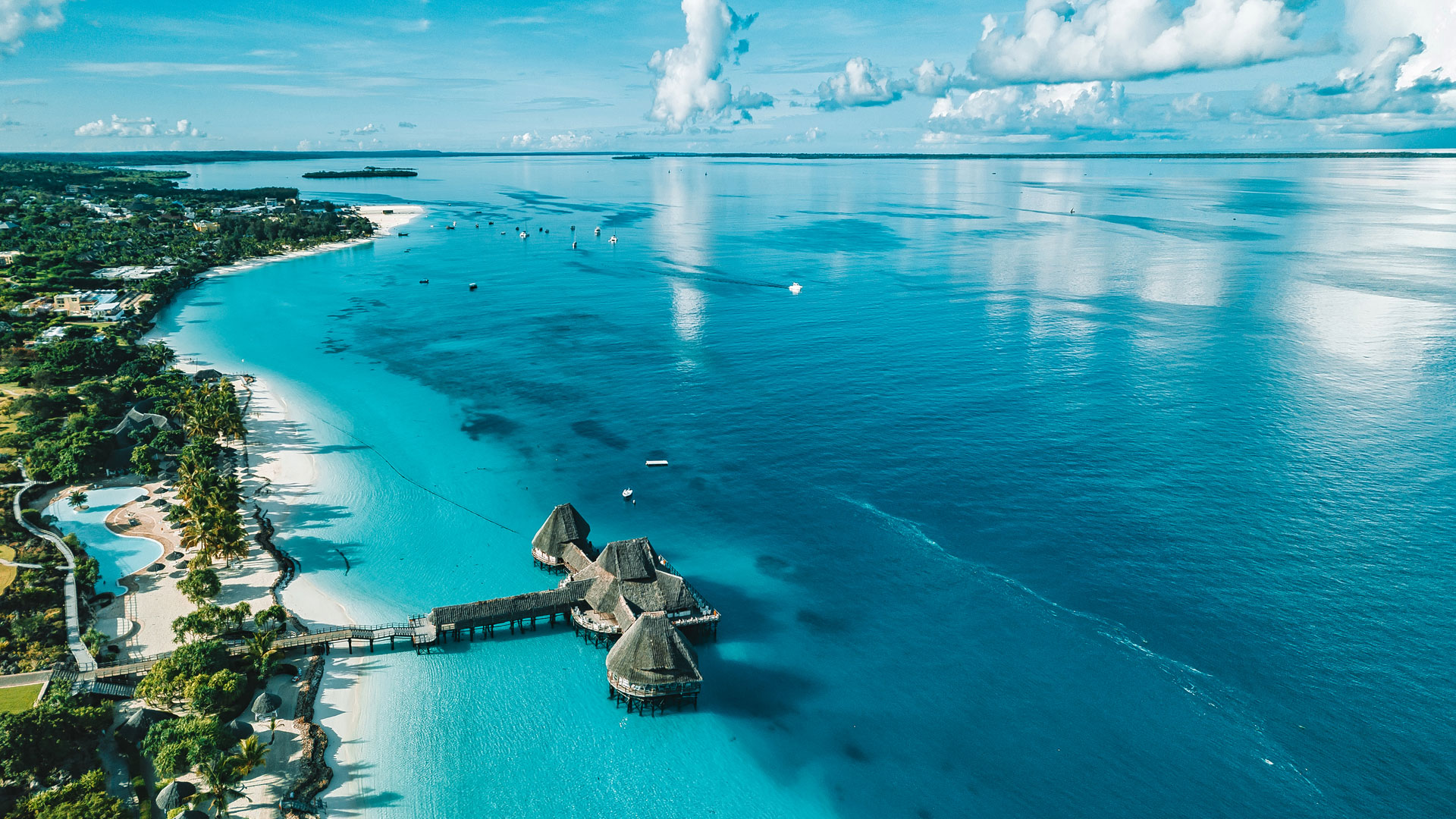
Zanzibar’s east coast is known for long white-sand beaches, turquoise lagoons, palm trees and a more relaxed atmosphere than the northern beach resorts. It includes several destinations, each with its own character.
Paje is popular with kitesurfers, independent travellers and visitors who enjoy beach cafés and social activities. Jambiani offers a quieter village atmosphere, while Bwejuu is suitable for travellers looking for a peaceful beach setting. Further north, Matemwe is known for its quieter coastline and access to Mnemba Atoll.
Kiwengwa and Pongwe have a mixture of resorts, boutique hotels and larger beachfront properties. These areas can suit families and couples who want comfortable accommodation away from the busiest tourist centres.
Paje: For kitesurfing and a lively atmosphere
Paje is one of Zanzibar’s best-known destinations for kitesurfing. Its shallow lagoon and seasonal wind conditions attract beginners and experienced water-sports enthusiasts.
The village has a lively atmosphere, with beach restaurants, cafés, kitesurfing schools, guesthouses and boutique hotels. It attracts international travellers, including backpackers, couples and people staying for several weeks.
Paje is a good choice if you want more activity than a quiet resort can provide. You can take kitesurfing lessons, enjoy beach restaurants, explore nearby villages and arrange excursions to Jozani Forest or other attractions.
However, the beach experiences substantial tidal changes. At low tide, the sea can retreat far from the shoreline, leaving exposed sand flats and shallow pools. Swimming directly from the beach may therefore be difficult at certain times.
Jambiani: For a quieter coastal holiday
Jambiani is a coastal village south of Paje. It offers a slower atmosphere, with traditional homes, small hotels, guesthouses and beachfront restaurants.
The beach stretches along the village, creating opportunities for long walks and quiet afternoons. You can observe local fishing activities and seaweed farming, which remains an important part of the coastal economy.
Accommodation includes simple guesthouses, mid-range boutique hotels and private villas. Many properties are suitable for couples and independent travellers who prefer a relaxed environment.
Like Paje, Jambiani experiences strong tidal changes. At low tide, the water can move a considerable distance from the beach. This makes it more suitable for visitors who enjoy walking, exploring tidal pools and watching coastal activities than for those who want to swim at every hour.
Bwejuu: For peace and privacy
Bwejuu lies between Paje and other southeast coastal destinations. It is generally quieter than Paje and has a selection of small hotels, beach lodges and private accommodation.
The area suits couples, families and travellers who want to spend time away from busy beach bars and nightlife. You can enjoy quiet beach walks, relax at your hotel and arrange excursions to nearby attractions.
The tidal pattern is similar to other parts of the east coast. Check the hotel’s exact beachfront location and tide information before booking if swimming is important to you.
Matemwe: For quiet beaches and Mnemba excursions
Matemwe is located on Zanzibar’s northeast coast, overlooking the waters towards Mnemba Atoll. It is particularly attractive to visitors interested in snorkelling, diving and quiet coastal accommodation.
The area has boutique hotels, private villas and upscale beach properties. Some are designed for couples seeking privacy, while others provide access to diving centres and organised marine excursions.
Matemwe is a convenient base for trips to Mnemba’s surrounding reefs. However, access to Mnemba Island itself is restricted because it is privately managed. Visitors generally explore the surrounding marine area through authorised excursions.
The beach experiences tidal changes, so swimming conditions vary throughout the day. Some properties have swimming pools, which provide an alternative when the sea retreats.
Kiwengwa and Pongwe: For resort holidays
Kiwengwa has a range of beachfront resorts, including larger properties with swimming pools, restaurants, entertainment and organised excursions. It is a practical choice for families and travellers who prefer having several facilities within their hotel.
Pongwe is quieter and has a more secluded atmosphere. It offers smaller resorts and boutique properties, making it suitable for couples and visitors who want a slower holiday.
Both areas experience noticeable tidal changes. Before booking, check whether the hotel offers convenient swimming access at different tide levels and whether it has a pool.
Advantages of staying on the east coast
The east coast provides several benefits for visitors who prefer a quieter beach holiday.
You can enjoy long coastal walks, explore traditional villages, visit local restaurants and take part in water sports. Accommodation is available at different price levels, although prices vary considerably between villages and individual properties.
The east coast also offers a wider choice of quiet boutique hotels and private accommodation. Travellers who want to avoid busy beach centres may find it more suitable than Nungwi.
Disadvantages of staying on the east coast
The main consideration is the tide. At low tide, the sea can retreat hundreds of metres in some locations. This affects swimming and changes the appearance of the beach.
Some areas also have fewer restaurants and nightlife options than Nungwi. If you stay in a secluded resort, you may depend on the hotel’s restaurant or arrange transport to nearby villages.
The east coast can also experience seasonal winds, particularly in areas popular for kitesurfing. This is attractive to water-sports enthusiasts but may be less comfortable for visitors who prefer calm beach conditions.
Who should stay on the east coast?
The east coast is suitable for:
- Kitesurfers and other water-sports enthusiasts.
- Couples seeking quiet beach accommodation.
- Independent travellers and long-stay visitors.
- Visitors interested in village life and local culture.
- Travellers who enjoy long beach walks and changing tidal landscapes.
- Divers and snorkellers staying near Matemwe.
Staying in northern Zanzibar
<text> </text>
The north coast is one of Zanzibar’s most popular accommodation areas. Nungwi and Kendwa attract visitors looking for white-sand beaches, easier swimming conditions, sunset views and a wide range of hotels and restaurants.
Unlike much of the east coast, the northern beaches are less affected by tidal changes. This makes them convenient for visitors who want to swim throughout much of the day without planning around low tide.
The north also has a more developed tourism scene, with beach bars, restaurants, diving centres, boat excursions and evening entertainment.
Nungwi: For swimming, restaurants and nightlife
Nungwi is located at the northern tip of Unguja. It has a lively atmosphere and a wide selection of accommodation, from budget guesthouses to luxury resorts.
The beach is one of its main attractions. Visitors can swim, sunbathe, take boat trips and enjoy sunset views over the Indian Ocean.
Nungwi also has several restaurants, bars, shops and excursion operators. You can arrange snorkelling trips, diving activities, traditional dhow cruises and other marine experiences.
The village has a strong connection to Zanzibar’s fishing and boat-building traditions. Visitors may see local craftspeople working on wooden boats along the coast.
Nungwi is particularly suitable for travellers who want their hotel, restaurants and entertainment close together. It is also a practical base for people who enjoy socialising in the evenings.
The main disadvantage is that some parts can become busy, especially during peak travel periods. Hotels near popular beach sections may experience more noise and activity.
Kendwa: For swimming and a relaxed beach holiday
Kendwa is located south of Nungwi and is known for its broad sandy beach and convenient swimming conditions.
It offers a mixture of luxury resorts, boutique hotels and smaller accommodation properties. The beach is generally more spacious than some sections of Nungwi, creating a relaxed setting for couples and families.
Kendwa is also known for sunset views. Its west-facing coastline provides a good position for watching the sun disappear over the Indian Ocean.
Although Kendwa has beach bars and occasional events, its atmosphere is generally more relaxed than Nungwi. Visitors can spend the day swimming, enjoying hotel facilities or taking boat excursions.
One well-known event is the Full Moon Party, held at selected times of the year. However, most of the time Kendwa offers a balance between a social beach atmosphere and a quieter resort experience.
Advantages of staying in the north
The northern coast is particularly convenient for swimming. The beaches around Nungwi and Kendwa are less affected by the dramatic tidal retreat experienced along much of the east coast.
There is also a good choice of accommodation, restaurants, bars and organised activities. This makes the north suitable for visitors who prefer to have several services nearby.
Couples, families and first-time visitors often find the area convenient because they can enjoy the beach without arranging every activity in advance.
Disadvantages of staying in the north
Nungwi and Kendwa are among Zanzibar’s more established tourist destinations. Some sections can be busy, especially during school holidays and the main dry season.
Popular beachfront resorts may also be more expensive than accommodation in quieter villages. If you want an isolated setting with limited tourist activity, the north may not provide the atmosphere you are looking for.
Travellers interested mainly in kitesurfing may also prefer Paje, where there is a larger concentration of water-sports schools.
Who should stay in the north?
The north is suitable for:
- First-time visitors to Zanzibar.
- Families who want convenient swimming conditions.
- Couples planning a beach holiday.
- Travellers interested in restaurants and nightlife.
- Visitors who enjoy sunset views.
- People who prefer a wide selection of hotels and excursions.
Stone Town vs east coast vs north: Main differences
The three areas offer different accommodation experiences. The following comparison can help you identify which location matches your priorities.
| Feature | Stone Town | East coast | North coast |
|---|---|---|---|
| Main atmosphere | Historic and cultural | Relaxed and coastal | Lively beach destination |
| Best-known locations | Stone Town | Paje, Jambiani, Bwejuu, Matemwe | Nungwi, Kendwa |
| Swimming | Limited beach swimming | Strongly affected by tides | Generally easier throughout the day |
| Nightlife | Restaurants and rooftop venues | More active in Paje | More developed in Nungwi |
| Water sports | Excursions arranged elsewhere | Kitesurfing, snorkelling and diving | Swimming, diving and boat trips |
| Accommodation | Guesthouses, townhouses and boutique hotels | Beach lodges, villas and resorts | Guesthouses, hotels and luxury resorts |
| Best for | Culture and short stays | Quiet beaches and water sports | Swimming and resort holidays |
| Main drawback | No traditional beach resort setting | Significant tidal changes | Busier tourist areas |
Which area is best for different types of travellers?
For first-time visitors
If this is your first visit to Zanzibar, consider combining Stone Town with a beach destination. You can spend one or two nights exploring the historic centre before moving to the north or east coast.
Nungwi and Kendwa are convenient if swimming, restaurants and beach activities are your main priorities. Paje and Jambiani are suitable if you prefer a quieter atmosphere and do not mind the tides.
For couples and honeymooners
Couples have several options depending on the atmosphere they prefer.
Kendwa offers attractive beaches, convenient swimming and upscale accommodation. Matemwe is suitable for couples who want privacy and access to marine activities. Pongwe and Michamvi provide quieter settings, while Nungwi suits couples who enjoy restaurants and evening entertainment.
If your honeymoon involves mostly relaxing at the hotel, compare the privacy of the rooms, beach access, dining arrangements and available facilities rather than choosing solely by the destination name.
For families
Families may find Kendwa, Nungwi and Kiwengwa convenient. These areas have hotels with swimming pools, restaurants and organised activities.
Kendwa and Nungwi are particularly useful if children want to swim regularly because the beaches are less affected by tidal changes. Kiwengwa may suit families who prefer larger resorts with organised entertainment and family facilities.
Before booking, check whether the hotel has family rooms, children’s menus, suitable swimming areas and childcare services if needed.
For backpackers and budget travellers
Paje, Jambiani and Stone Town offer several budget accommodation options. You can find guesthouses, hostels and smaller hotels at different prices.
Paje is suitable for travellers who want a social atmosphere and water sports. Jambiani offers a quieter village environment, while Stone Town is useful for cultural sightseeing and convenient transport connections.
Nungwi also has budget accommodation, although prices can vary depending on proximity to the beach and the season.
For divers and snorkellers
Matemwe is a practical choice for visitors interested in Mnemba Atoll. It provides convenient access to marine excursions and a quieter accommodation environment.
Nungwi also has diving centres and boat excursions, making it a good option for visitors who want marine activities alongside restaurants and nightlife.
Your choice should depend on the dive centre, the type of excursions available and the amount of time you want to spend travelling to the departure point.
For nightlife and social activities
Nungwi and Paje are among the more active areas for evening entertainment.
Nungwi has beach bars, restaurants and social venues, while Paje attracts travellers interested in kitesurfing, beach cafés and informal nightlife.
Kendwa offers occasional beach events and a more relaxed atmosphere outside those occasions. Stone Town has rooftop restaurants and evening food markets rather than the typical beach-party scene.
How Zanzibar’s tides affect where you stay
Tides are one of the most important factors when choosing accommodation in Zanzibar. They affect how close the sea comes to the beach, how easy it is to swim and what the coastline looks like at different times of the day.
On much of the east coast, including Paje, Jambiani and parts of Matemwe, the water can retreat far from the shore during low tide. You may see exposed sand flats, tidal pools and seaweed farms.
At high tide, the water returns closer to the beach, creating better swimming conditions in many locations. The exact timing changes daily, so check local tide tables when planning your activities.
Nungwi and Kendwa are less affected by these dramatic tidal changes. This is one reason they are popular with visitors who want convenient access to swimming.
Before booking an east-coast hotel, ask about the beach at low tide. Check recent photographs and read guest feedback about swimming access. A property described as beachfront may still have a long stretch of exposed sand between the hotel and the water during certain hours.
How long should you stay in each area?
Your length of stay determines whether it is worth moving between different parts of Zanzibar.
For a three- to four-night holiday, staying in one beach area is often more practical. You can arrange a day trip to Stone Town or another attraction without changing hotels.
For a five- to seven-night holiday, consider spending one or two nights in Stone Town and the remaining nights at a beach destination. This gives you time to explore the island’s cultural centre and enjoy the coast.
For a holiday of eight to ten nights, you may have enough time to combine Stone Town, the north and the east coast. However, avoid moving hotels every two nights because transfers can take time away from your holiday.
The following combinations work well for different travel styles:
Stone Town and Kendwa: Suitable for visitors who want cultural sightseeing followed by convenient swimming and relaxed beach time.
Stone Town and Nungwi: Good for travellers interested in history, restaurants, boat excursions and nightlife.
Stone Town and Paje: Suitable for visitors who want to explore the historic town before spending time around kitesurfing schools and beach cafés.
Stone Town and Matemwe: A good combination for travellers interested in culture, privacy, snorkelling and diving.
Paje and Kendwa: Suitable for longer holidays when you want to experience the east coast’s water-sports atmosphere and the north’s easier swimming conditions.
How far are the main areas from Zanzibar Airport?
Zanzibar’s Abeid Amani Karume International Airport is located near Stone Town. Road transfers to the main tourist areas vary according to traffic, road conditions and the exact hotel location.
| Destination | Approximate road transfer |
|---|---|
| Stone Town | 15 to 30 minutes |
| Paje | 1 to 1.5 hours |
| Jambiani | 1 to 1.5 hours |
| Bwejuu | 1 to 1.5 hours |
| Matemwe | 1 to 1.5 hours |
| Kiwengwa | Around 1 to 1.5 hours |
| Nungwi | Around 1.5 hours |
| Kendwa | Around 1.5 hours |
| Kizimkazi | Around 1 to 1.5 hours |
These are planning estimates rather than guaranteed journey times. Traffic, roadworks, weather and hotel access can affect the actual transfer.
If you arrive late at night, staying in Stone Town for the first night may be convenient. You can continue to your beach hotel the following morning without travelling across the island after a long flight.
What should you consider before booking a Zanzibar hotel?
The location should come before the hotel’s appearance or advertised star rating. A beautiful property may not provide the experience you expect if it is far from restaurants, difficult to reach or located on a beach with tidal conditions that do not suit your plans.
Check the following details before making a reservation.
Beach access: Confirm whether the hotel has direct beach access and whether the sea remains close enough for swimming at low tide.
Swimming facilities: If you are staying on the east coast, check whether the property has a swimming pool.
Restaurant access: Some secluded hotels have limited dining options nearby. Find out whether meals are included and whether you can easily visit local restaurants.
Room facilities: Confirm air conditioning, hot water, Wi-Fi, mosquito protection and the room type you are booking.
Transport: Ask whether airport transfers are available and how much they cost. Also check the availability of transport to nearby villages and attractions.
Hotel operations: If travelling during the rainy seasons, confirm that the hotel will be open and operating its usual facilities.
Excursion access: Choose a location that makes it convenient to reach the activities you want to enjoy. For example, Matemwe is useful for Mnemba excursions, while Paje is popular for kitesurfing.
When should you stay in each area?
Zanzibar can be visited throughout much of the year, but weather conditions influence the experience.
June to October is generally a popular dry-season period. These months suit beach holidays, sightseeing and marine excursions, although some areas become busier and accommodation prices may rise.
January and February are also generally warm and dry, making them suitable for swimming, diving and relaxing on the beach.
March to May is the long rainy season, with April usually receiving the heaviest rainfall. Some hotels may close temporarily or reduce their services. If you travel during this period, confirm hotel operations and allow flexibility in your plans.
November brings the short rains. Showers are generally less persistent than in April, but weather conditions remain variable.
The north and east coast both offer attractive accommodation during the drier months. Your decision should still depend on the activities you prefer and the tidal conditions at your chosen hotel.
Frequently asked questions about where to stay in Zanzibar
Is Stone Town or the beach better for accommodation?
Stone Town is better for history, culture, markets and restaurants. The beach areas are better for swimming, sunbathing and marine activities. Many visitors combine both by spending one or two nights in Stone Town before moving to a beach hotel.
Is the north or east coast better?
The north is generally more convenient for swimming throughout the day, sunsets and nightlife. The east coast offers long beaches, quieter accommodation, kitesurfing and a more relaxed atmosphere. Your preferred activities should determine the choice.
Which area is best for swimming?
Kendwa and Nungwi are popular choices because their beaches are less affected by tidal changes. On much of the east coast, the sea retreats considerably at low tide.
Where should couples stay in Zanzibar?
Couples can consider Kendwa, Matemwe, Pongwe or Michamvi. Kendwa offers convenient swimming and resort facilities, while Matemwe, Pongwe and Michamvi provide quieter settings. The right choice depends on whether you prefer activity or privacy.
Where should families stay in Zanzibar?
Kendwa, Nungwi and Kiwengwa are practical options for families. Look for hotels with family rooms, swimming pools, suitable beaches and convenient dining facilities.
Where should budget travellers stay?
Paje, Jambiani and Stone Town have a range of guesthouses and smaller accommodation properties. Nungwi also has budget options, although prices can vary by season and proximity to the beach.
Is it worth staying in two different areas?
Yes, particularly if you have seven nights or more. Combining Stone Town with a beach destination gives you a chance to experience Zanzibar’s cultural history and coastline. Longer holidays can include both the north and east coast, provided you are comfortable with additional transfers.
Is Zanzibar’s east coast good for swimming?
Yes, but swimming depends more on the tide than in the north. At high tide, many east-coast beaches offer suitable swimming conditions. At low tide, the water can retreat a considerable distance from the shoreline.
Choosing the right place for your Zanzibar holiday
Stone Town, the east coast and the north each provide a different experience. Stone Town is the right choice for travellers interested in Zanzibar’s history, architecture and local food. The east coast suits visitors who enjoy long beaches, kitesurfing, quieter resorts and village life. The north is convenient for swimming, restaurants, sunsets and a more developed beach holiday.
If you have enough time, combine Stone Town with one beach destination rather than trying to stay everywhere. For a week-long holiday, one or two nights in Stone Town followed by five or six nights on the coast is a practical arrangement.
Choose your hotel after deciding which area suits your activities. Check the tides, beach access, restaurant facilities and transfer arrangements before confirming your booking. These details will help you select accommodation that matches the Zanzibar holiday you actually want.







No comment