
Zanzibar’s rainy seasons: What really happens in April and November
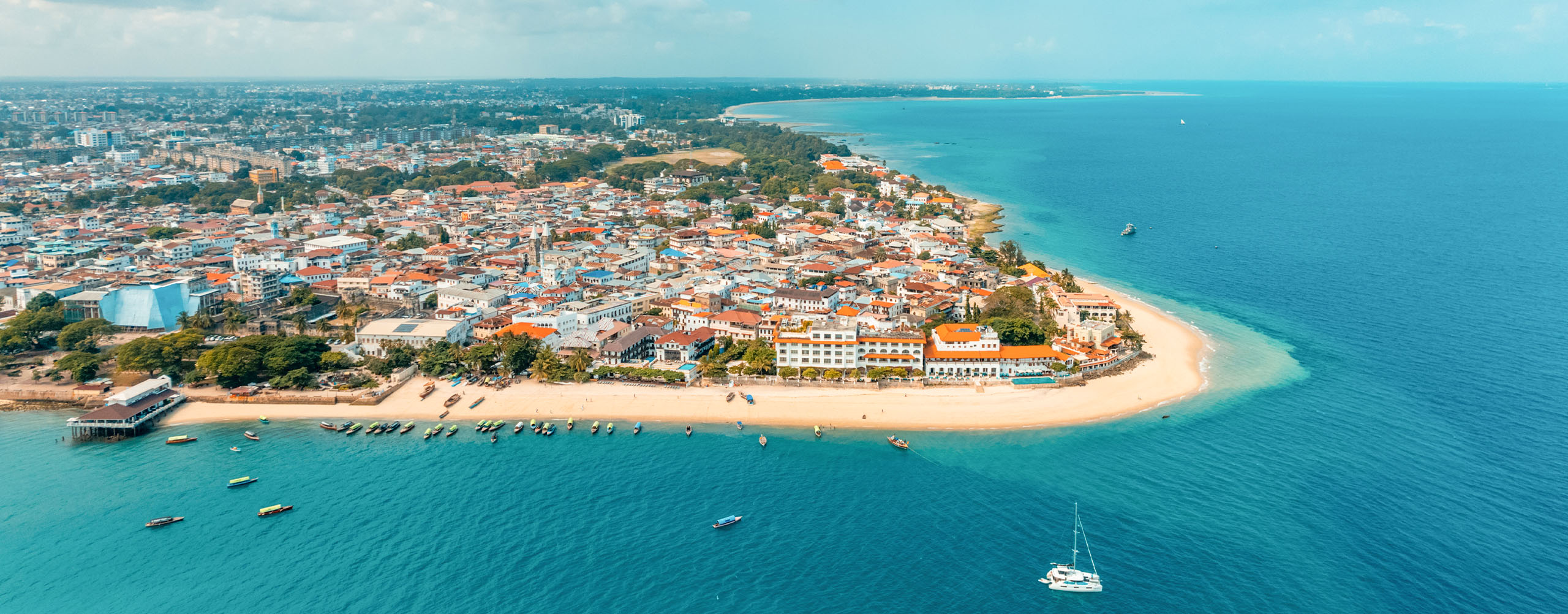
Zanzibar is known for warm Indian Ocean water, white-sand beaches, palm-lined shores and sunny tropical weather. However, the island does not enjoy dry conditions throughout the year. It experiences two main rainy seasons, and April and November are among the months when visitors are most likely to encounter rainfall.
These months are quite different. April falls within the long rainy season, locally known as Masika. It usually brings heavier and more persistent rain, high humidity and occasional disruption to outdoor activities. November belongs to the short rainy season, known as Vuli. Showers are generally less continuous, and many days still offer periods of sunshine.
Understanding this difference can help you decide when to visit, which coastal area to choose, what activities to plan and how much flexibility to leave in your itinerary. A rainy-season holiday in Zanzibar can still be enjoyable, but your expectations should match the conditions.
Understanding Zanzibar’s two rainy seasons
Zanzibar has a tropical climate, with warm temperatures throughout the year. Rainfall changes more noticeably than temperature, creating two main wet periods separated by drier months.
The long rains generally occur from March to May, with April usually receiving the heaviest rainfall. Some rain can begin in March, while May often remains wet before conditions gradually improve towards June.
The short rains usually arrive between October and December, with November commonly experiencing a noticeable increase in showers. These rains are generally lighter and less persistent than the long rains.
The distinction is important when planning a beach holiday. During April, several hours of rain or a succession of wet days can affect your plans. In November, you may experience a heavy shower followed by sunshine on the same day. However, neither pattern is guaranteed. Tropical weather varies from year to year, and a November day can sometimes be very wet.
What really happens in Zanzibar during April?
April is usually the wettest month of the year in Zanzibar. It falls near the middle of the long rainy season, when moist ocean air and seasonal weather patterns bring substantial rainfall to Unguja, Pemba and the surrounding islands.
You should expect a mixture of cloudy skies, heavy showers, thunderstorms and occasional periods of sunshine. Rain can fall during the morning, afternoon or night. Some days remain wet for several hours, while others have breaks that allow you to go outside.
April is different from a typical dry-season day with a brief tropical shower. Rain can be strong enough to affect road conditions, boat excursions, beach activities and outdoor sightseeing. If you are travelling for a short beach holiday with a fixed schedule, this uncertainty needs serious consideration.
Temperatures remain warm, although cloud cover and rain can make some days feel less hot than February or March. Humidity is usually high, so the air can feel heavy, particularly when the rain stops.
Does it rain every day in April?
Rainfall is frequent in April, but it does not necessarily rain continuously throughout every day. You may experience a wet morning followed by a clearer afternoon, or several hours of rain followed by another shower later.
The problem is predictability. You cannot reliably plan every beach activity around a morning or afternoon weather window. A boat trip scheduled for one day may be postponed, while another day may offer enough sunshine for swimming or sightseeing.
If you are visiting during April, avoid building your entire holiday around activities that require calm weather. Leave room to change the order of excursions or spend more time at your accommodation when conditions are unsuitable.
How does April affect Zanzibar’s beaches?
Zanzibar’s beaches remain beautiful during April, but the experience can be different from what you see in dry-season travel photographs. Cloud cover may reduce the bright turquoise appearance of the water, while rainfall and changing sea conditions can affect swimming.
Heavy rain can also wash sediment and other material from the land into coastal waters, reducing visibility in some locations. The sea may become rougher, particularly when wind and rain affect boat routes.
The island’s tidal patterns continue throughout the rainy season. On the east coast, low tide can expose large areas of sand and seaweed, while high tide brings water closer to the beach. This happens throughout the year, although weather conditions can influence how comfortable the beach feels on a particular day.
You can still enjoy coastal walks, photography and time at the beach when the weather allows. However, April is not the month to assume that every day will provide uninterrupted swimming and sunbathing.
Are hotels and resorts open in April?
Some Zanzibar hotels remain open throughout April, while others close temporarily for maintenance, renovations or seasonal breaks. Smaller beach properties and businesses that depend heavily on dry-season tourism may reduce their operations.
Larger resorts may continue receiving guests, but they may operate with fewer facilities or activities than during peak season. Restaurants, beach bars, excursion desks and water-sports services can also have reduced schedules.
Before booking, confirm that your chosen hotel will be fully operational during your dates. Ask whether its restaurant, swimming pool, spa and other facilities will be available. If you are travelling to a remote beach property, check whether transport and nearby restaurants will operate normally.
A lower room rate does not always represent good value if the facilities you expect are unavailable.
What really happens in Zanzibar during November?
November brings the short rainy season, or Vuli. It is generally more manageable than April because rainfall tends to be less persistent. Showers can be heavy, but they often pass more quickly, leaving periods of sunshine.
The month is also warm and humid. Daytime temperatures commonly reach around 30°C or slightly higher, and the sea remains warm enough for swimming. You can enjoy beach time, sightseeing and some boat excursions, provided you remain flexible about the weather.
November is a transition period between the long dry season and the wetter months towards the end of the year. Rainfall patterns can vary considerably. Some years bring frequent showers, while others have many sunny days interrupted by occasional rain.
For travellers who want to avoid the busiest holiday periods, November can offer a quieter atmosphere and potentially lower accommodation prices than the main dry-season months.
Does November rain last all day?
Usually, November rain is less continuous than April rain. You might wake up to cloudy skies, experience a morning shower and enjoy sunshine later in the day. In other cases, rain may arrive in the afternoon or overnight.
However, you should not assume that every shower will be brief. Some days can be wet for several hours, and occasional heavier rainfall can affect outdoor plans.
The practical approach is to plan your most weather-sensitive activities with some flexibility. If a boat trip is important to you, avoid scheduling it as the only major activity of your holiday. Having another possible day available gives you more options if the weather changes.
Is November still a good month for swimming?
Yes, swimming is possible in November when local sea conditions are safe. The water remains warm, and many beaches continue to attract visitors.
The main consideration is not temperature but wind, waves, currents and water quality. Heavy rain can temporarily reduce visibility or affect conditions near river outlets and drainage areas. Follow local advice before swimming, especially after substantial rainfall.
The east coast experiences significant tidal changes, so check the tide times if you want to swim close to shore. Areas around Nungwi and Kendwa are generally less affected by extreme tidal exposure than some eastern beaches, although conditions still vary with the weather and tide.
April vs November: What is the difference?
Both months fall within Zanzibar’s rainy seasons, but they offer different travel conditions.
| Travel factor | April | November |
|---|---|---|
| Rainy season | Long rains | Short rains |
| Rainfall | Usually very heavy | Generally lighter and less persistent |
| Sunshine | More limited and unpredictable | Often appears between showers |
| Humidity | High | High |
| Beach conditions | More likely to be disrupted | Often suitable between showers |
| Boat excursions | Greater chance of postponements | More opportunities when the sea is calm |
| Hotel operations | More seasonal closures possible | Most tourist services generally operate |
| Visitor numbers | Usually low | Generally lower than peak season |
| Accommodation prices | Often among the lowest | Can be more affordable than peak season |
The table describes typical seasonal patterns, not a guarantee for a particular year. A wet November can still disrupt a holiday, while April can occasionally bring pleasant intervals of sunshine.
Which parts of Zanzibar are affected by the rain?
Rainfall affects the whole Zanzibar archipelago, including Unguja, Pemba and smaller surrounding islands. However, your experience may differ depending on where you stay and what you plan to do.
Nungwi and Kendwa
<text> </text>
The northern beaches of Nungwi and Kendwa are popular because they offer swimming opportunities across a wider range of tidal conditions than many eastern beaches. During April and November, rain can still interrupt beach activities, and rough seas may affect boat excursions.
These areas have hotels, restaurants, bars and other visitor services, giving you more options when you cannot spend the entire day outdoors. If you visit during the rainy season, staying somewhere with a good restaurant, swimming pool and indoor facilities can make your holiday more comfortable.
Matemwe and the northeast coast
Matemwe is known for its quieter beaches and access to Mnemba Atoll. Snorkelling and diving excursions depend on visibility, wind and sea conditions. During April, trips are more vulnerable to disruption because of heavier rain and rougher water.
November may provide more opportunities for marine excursions, but operators still need to assess the conditions before departure. Do not assume that a trip will operate simply because the sky looks clear at your hotel.
Paje and Jambiani
Paje and Jambiani attract visitors interested in kitesurfing, beach walks and coastal accommodation. These areas experience the same seasonal rainfall patterns, although wind conditions are also important for water sports.
Rain can interrupt kitesurfing lessons and other outdoor activities. Strong winds or rough water may affect conditions even when rainfall is limited. If you are visiting for a specific water sport, ask your school or operator about its seasonal schedule and cancellation policy.
Stone Town
Stone Town offers more opportunities for cultural sightseeing when beach weather is poor. You can explore its historic streets, markets, museums and architectural landmarks between showers.
April rain can make walking uncomfortable, particularly when streets become wet or water collects in low-lying areas. November showers may be easier to work around, but carrying an umbrella or light rain jacket remains sensible.
How rainy seasons affect Zanzibar activities
Rain does not affect every activity in the same way. Some experiences can continue during light showers, while others depend heavily on visibility, wind and sea conditions.
Snorkelling and diving
Snorkelling and diving around Mnemba Atoll and other marine areas depend on underwater visibility and sea conditions. Rainfall itself does not automatically make diving impossible, but heavy rain, runoff, wind and waves can reduce visibility or make boat journeys uncomfortable.
April presents a greater risk of cancellations or rescheduling. November can provide more suitable days, although conditions remain variable.
If diving is a major reason for your visit, book with a qualified dive centre that can assess conditions and explain its cancellation arrangements. Avoid insisting on a trip when the operator considers the sea unsafe.
Dolphin excursions
Dolphin trips around Kizimkazi and other coastal locations depend on sea conditions and the behaviour of wild dolphins. Rough water can make the boat journey uncomfortable and reduce the chances of a suitable wildlife encounter.
November may offer more opportunities for excursions than April, but sightings are never guaranteed. Choose operators that observe dolphins responsibly and do not chase or surround them.
Spice tours
Spice farms can be visited during both rainy seasons. Rain may make paths muddy, but it can also make the vegetation look fresh and green. You can learn about cloves, cinnamon, nutmeg, vanilla, black pepper and other crops grown on the island.
April may require more flexible scheduling because of heavy showers. In November, a short rain interruption may be easier to accommodate.
Stone Town sightseeing
Cultural activities are among the easier experiences to organise during rainy weather. Museums, historic buildings, local markets and restaurants provide alternatives when swimming or boat trips are not practical.
You should still carry comfortable footwear and rain protection. Heavy showers can make some streets slippery, and outdoor walking tours may need to change their route.
Kitesurfing and other water sports
Paje is one of Zanzibar’s best-known kitesurfing destinations. The activity depends on wind direction, wind strength and water conditions, rather than rainfall alone.
A rainy day may still have suitable wind, while a sunny day may not. If you are travelling specifically for kitesurfing, ask a local school about seasonal wind patterns and the conditions expected during your dates.
Are rainy-season prices cheaper?
April is generally one of the least expensive periods to visit Zanzibar. Many hotels reduce their rates because demand is lower, and some properties offer seasonal promotions. You may find attractive prices at accommodation that would cost considerably more during July, August or the Christmas holiday period.
November can also provide good-value accommodation, particularly before the December festive season. However, prices vary by property, location, availability and travel dates.
Not every service becomes cheaper. International flights, private transfers and certain excursions may maintain relatively high prices. Some operators may also have limited schedules during quieter months.
When comparing prices, look at the complete holiday cost. Consider accommodation, transfers, meals, excursions and the possibility that a planned activity may need to be changed. A cheaper room can become less attractive if it is far from restaurants or if the property has limited facilities during the rainy season.
What should you pack for April and November?
Packing for Zanzibar’s rainy seasons requires a balance between warm-weather clothing and practical rain protection.
Lightweight clothing made from breathable fabrics is suitable for the warm and humid conditions. Pack swimwear, sandals, comfortable walking shoes and clothes that dry quickly.
A compact umbrella or lightweight rain jacket can be useful, particularly in April. Waterproof bags help protect phones, cameras, documents and other valuables during boat transfers or sudden showers.
Bring insect repellent because mosquitoes can be more noticeable in humid conditions and around areas with standing water. Use suitable sun protection even when the sky is cloudy. Tropical sun exposure remains possible between showers.
If you plan to snorkel or dive, confirm whether your operator supplies equipment. A rash vest can protect you from the sun while swimming, and a waterproof bag can keep personal belongings dry during boat trips.
For April, pack a few extra changes of clothing because wet weather can make it difficult for items to dry quickly. Accommodation with laundry facilities or a reliable drying area can be useful.
How to plan a Zanzibar holiday in April
If April is your only available travel month, you can still visit Zanzibar, but you should approach the trip differently from a dry-season beach holiday.
Choose accommodation with facilities that you can enjoy when the weather is poor. A hotel with a swimming pool, restaurant, comfortable common areas and spa services gives you alternatives when outdoor activities are cancelled.
Avoid planning several important boat excursions on consecutive days without any flexibility. If one trip is postponed, you may need another available day to reschedule it.
Consider spending part of your holiday in Stone Town, where cultural activities provide alternatives to beach time. You can also arrange a spice farm visit or explore local food and history when conditions allow.
Check hotel opening dates before paying a deposit. Ask whether the property operates its normal restaurant and excursion services during April. If you are booking a package, understand what happens when bad weather prevents a planned activity.
April can suit travellers who are comfortable with unpredictable weather, prefer quieter surroundings and want to take advantage of lower accommodation rates. It is less suitable if you have only a few days and expect guaranteed sunshine.
How to plan a Zanzibar holiday in November
November offers more flexibility for a beach holiday because showers are generally less persistent than during April. You can plan swimming, sightseeing and marine excursions while keeping alternative arrangements available.
A stay of five to seven nights gives you more opportunities to adjust your activities if one day becomes wet. You can arrange a boat excursion early in your stay, leaving room to reschedule if necessary.
Choose a hotel that provides easy access to restaurants and activities. This reduces the need for long transfers when the weather changes.
If your main goal is snorkelling, diving or dolphin watching, confirm the operator’s weather policy before booking. Some companies allow rescheduling when conditions are unsuitable, while others may have different cancellation terms.
November is a practical option for travellers seeking a quieter holiday than the peak dry-season months. However, it is still a rainy-season month, so you should not book expecting guaranteed sunshine every day.
Should you visit Zanzibar in April or November?
Your choice depends on how much weather uncertainty you can accept and what you want to do.
April is generally better suited to travellers who have flexible schedules, are interested in lower accommodation prices and do not mind spending some time indoors. It can also appeal to visitors who enjoy green landscapes and quieter destinations. However, the long rains can affect beach activities, boat excursions and hotel operations.
November offers a different balance. Rainfall is generally less persistent, and there are often useful periods of sunshine between showers. Hotels and tourist services are more likely to operate normally, making it easier to arrange a varied holiday.
If your priority is a traditional beach holiday with dependable sunshine, consider travelling between June and October or during January and February. These periods are generally drier, although occasional showers can occur at any time of year.
Frequently asked questions about Zanzibar’s rainy seasons
Is April the worst month to visit Zanzibar?
April is usually the wettest month and one of the least predictable periods for a beach holiday. Heavy rainfall can affect swimming, boat trips and outdoor sightseeing. However, the island remains accessible, and travellers who are flexible may still enjoy their stay.
Is November a good time to visit Zanzibar?
November can be a suitable month for visiting Zanzibar if you are comfortable with occasional tropical showers. It is generally less wet than April, and many days include periods of sunshine. You should still allow flexibility for outdoor activities.
Is Zanzibar hot during April and November?
Yes. Zanzibar remains warm throughout both months. Daytime temperatures commonly reach around 28°C to 32°C, although cloud cover and rainfall can affect how hot a particular day feels. Humidity is generally high during the rainy seasons.
Can you swim in Zanzibar in April?
Swimming may be possible when local conditions are safe, but heavy rain, rough seas and changing water quality can affect some beaches. Follow local advice and avoid swimming when waves or currents are dangerous.
Can you go to Mnemba Atoll in November?
Yes, if sea conditions permit. Snorkelling and diving trips operate when visibility, wind and waves are suitable. Confirm the departure with your operator because weather can change quickly.
Do Zanzibar hotels close in April?
Some hotels close temporarily or reduce their services during the long rainy season. Others remain open throughout the month. Confirm the operating schedule and available facilities before booking.
Does it rain all day in November?
Usually not. November showers are generally more intermittent than April rainfall, and sunshine often returns between showers. However, some days can still experience prolonged or heavy rain.
Which month is cheaper, April or November?
April is generally cheaper because it falls within the main rainy season, when tourist demand is lower. November can also offer attractive accommodation rates, but prices may rise as December approaches.
Making the most of Zanzibar during the rainy season
April and November should not be treated as identical travel months. April brings the more demanding long rains, with a greater chance of prolonged wet weather and disruption to beach activities. November usually has shorter, less persistent showers, allowing more opportunities to enjoy the coast and arrange excursions.
Your choice should depend on your travel dates, budget and preferred activities. If you want reliable beach weather, choose a drier period. If you have flexibility and are comfortable adjusting your plans, November can offer a pleasant tropical holiday, while April may suit travellers prioritising lower accommodation costs and quieter surroundings.






No comment