
Safari for Solo Travellers Who Want to Meet People
Travelling alone does not mean spending an entire holiday by yourself. For many visitors, a safari in East Africa offers an excellent opportunity to discover wildlife, explore unfamiliar places and meet people who share similar interests. From conversations during game drives to shared dinners at safari lodges, there are plenty of opportunities to make connections while enjoying an unforgettable journey.
A solo safari gives you the freedom to choose your destinations, activities and travel dates without waiting for friends or family to become available. At the same time, joining a small group or staying at a sociable lodge can help you enjoy the benefits of travelling with others. You can spend your mornings watching elephants, your afternoons exploring a new destination and your evenings exchanging stories with fellow travellers.
The secret is to choose the right type of safari. Some trips are designed around private vehicles and personalised itineraries, while others bring several travellers together for shared wildlife experiences. Understanding these options can help you find a safari that balances independence, companionship, comfort and cost.
Why a Safari Is a Good Choice for Solo Travellers
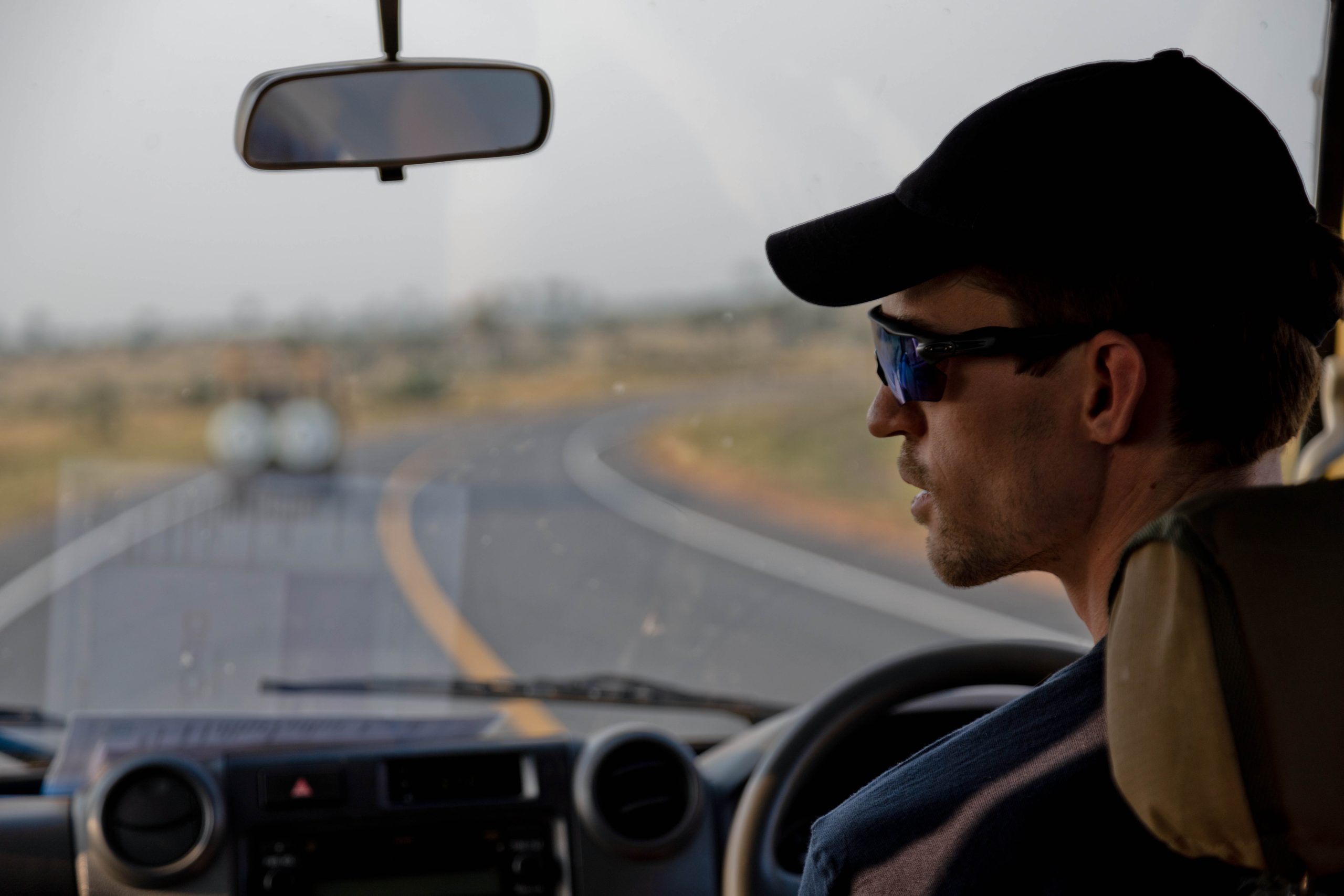
A safari offers a natural setting for meeting people because many activities are shared. Travellers often spend several hours together in a vehicle, observing wildlife, listening to a guide and discussing the day’s sightings. These shared experiences can make conversations feel natural, even when everyone arrives as a stranger.
Unlike a holiday that involves moving between unfamiliar restaurants and attractions independently, a guided safari usually provides a planned structure. Your tour operator can arrange transport, accommodation, park activities and other essential details. This allows you to concentrate on enjoying the destination rather than managing every logistical detail alone.
Safari lodges also provide opportunities for social interaction. Some have communal dining tables, shared lounges, outdoor fire areas and organised activities where guests can talk about their experiences. Smaller properties may offer a more intimate atmosphere, although the social environment depends on the lodge, the number of guests and its usual arrangements.
Another advantage is that solo travellers meet people with a shared interest in wildlife, nature, photography or adventure. A conversation may begin with a sighting of a leopard or a question about a bird, then continue over dinner or during the next day’s activities.
However, social interaction should never feel compulsory. A well-planned solo safari allows you to enjoy company when you want it and spend time alone when you need a break. The aim is not to fill every moment with conversation but to create opportunities for meaningful connections.
Join a Small-Group Safari
A small-group safari is one of the best options for solo travellers who want to meet people during their holiday. Instead of travelling with a private vehicle and guide, you join a scheduled trip with other guests who have booked the same departure.
The group usually follows a shared itinerary, visiting selected parks and staying at arranged accommodation. Depending on the tour, the group may travel together throughout the trip or join other guests for particular activities.
The main advantage is that you have company from the beginning. You can share wildlife sightings, compare photographs, discuss the places you visit and get to know people over several days. Travelling together for an extended period can create stronger connections than meeting someone briefly at a hotel or attraction.
Small-group safaris can also be more affordable than private trips because transport and guiding costs are shared among participants. However, the actual price depends on the itinerary, accommodation category, group size, travel season and whether a single-room supplement applies.
Before booking, confirm the maximum group size, departure date, accommodation arrangements and activities included. Ask whether the group will remain together throughout the trip and whether you can share a room with another traveller if you are comfortable doing so. Room-sharing is not always available, so the arrangements should be confirmed in advance.
It is also worth checking the expected pace of the tour. Some itineraries involve long driving days and frequent accommodation changes, while others allow more time in each destination. Choose a programme that matches your interests and energy levels rather than selecting a trip solely because it promises a social atmosphere.
Choose Safari Lodges With Communal Spaces
Your accommodation can make a significant difference to how easily you meet other travellers. A lodge with welcoming communal spaces may provide more opportunities for conversation than a property where most guests spend their time in separate rooms.
Look for lodges with shared lounges, outdoor seating areas, communal dining arrangements or evening gathering spaces. These facilities make it easier to speak with other guests without having to organise a separate activity.
Smaller safari camps can be particularly appealing because guests may encounter one another repeatedly throughout the day. You might meet someone during breakfast, share a vehicle on a game drive and continue the conversation around the dinner table.
Some lodges organise guided walks, birdwatching activities, cultural visits or talks about wildlife conservation. These experiences provide a shared focus and can help people connect without feeling pressured to make conversation.
However, not every lodge operates in the same way. Some properties offer private dining, individual game drives or a quiet atmosphere suited to guests seeking solitude. Before booking, ask the accommodation provider or tour operator about its facilities and typical activities.
The location of the lodge also matters. A property near a national park entrance or within a wildlife conservancy may provide convenient access to shared activities, while a remote camp may offer a quieter experience. Your ideal choice depends on whether you prioritise social interaction, wildlife viewing, comfort or a combination of these factors.
Meet People During Shared Game Drives
Game drives are among the easiest places to meet fellow safari travellers. When several guests share a vehicle, they experience wildlife encounters together and often have plenty to discuss during the journey.
A sighting of lions resting in the grass, elephants crossing a track or giraffes feeding beside an acacia tree can quickly become a shared memory. Travellers may exchange camera tips, ask one another about previous trips or discuss the animals they hope to see next.
Your guide also plays an important role in creating an engaging experience. A knowledgeable guide explains animal behaviour, identifies species and answers questions about the ecosystem. These explanations give everyone something to talk about and help turn a simple wildlife drive into a more rewarding activity.
When booking a safari, ask whether game drives are shared or private. In a shared vehicle, you may meet different people depending on the lodge and the tour arrangements. On a scheduled group safari, you are more likely to spend several days with the same travellers.
It is useful to confirm the maximum number of passengers in the vehicle and whether everyone will have a suitable seat for viewing and photography. A smaller group may provide more space for conversation and observation, although vehicle layouts differ between operators.
Remember that wildlife viewing requires patience. There may be long periods between major sightings, and everyone should respect the guide’s instructions and the needs of other passengers. Being considerate of other guests helps create a positive atmosphere throughout the trip.
Take Part in Cultural Experiences
Cultural activities can add another social dimension to a solo safari. Depending on the destination and the itinerary, you may visit a local community, learn about traditional crafts, explore a market or participate in a guided cultural experience.
These activities provide opportunities to learn about local ways of life while sharing an experience with other travellers. You might discuss a demonstration afterwards, compare impressions of a town or continue the conversation during a meal.
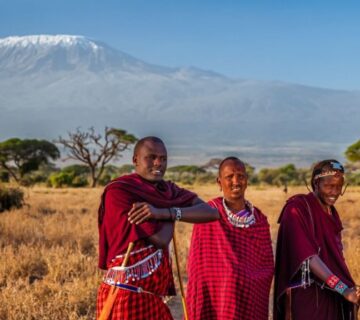
In Kenya and Tanzania, some itineraries include visits arranged with Maasai communities. In Uganda and Rwanda, travellers may encounter local cultural performances, craft workshops and community-based tourism projects. The activities available depend on the location and the arrangements made by the operator.
Choose experiences that are organised respectfully and provide genuine value to the people involved. Ask your tour operator how visits are arranged, whether community members participate voluntarily and whether fees support the hosts or local initiatives.
Cultural visits should not be treated simply as opportunities for photographs. Listen to your hosts, follow guidance about photography and ask permission before taking pictures of individuals. A respectful approach makes the experience more rewarding for everyone.
You can also meet people by exploring local markets, taking a cooking class or joining a guided city tour before or after your safari. These activities are particularly useful if you want to spend more time interacting with people outside the safari vehicle.
Best East African Destinations for Social Solo Safaris
East Africa offers several destinations where solo travellers can combine wildlife experiences with shared activities and opportunities to meet people. The best choice depends on the animals you want to see, your available time, your budget and the kind of social experience you prefer.
Kenya: The Maasai Mara and Nairobi
Kenya is an excellent option for travellers interested in classic savannah safaris. The Maasai Mara is known for its lions, elephants, cheetahs and other wildlife, while the Great Migration attracts visitors during particular periods of the year.
Joining a scheduled safari can make it easier to share game drives and meals with other travellers. Some itineraries combine the Maasai Mara with Lake Nakuru or Amboseli National Park, depending on the length of the trip and the wildlife experiences included.
Nairobi also offers opportunities to meet other visitors through guided city tours, food experiences and organised excursions. Spending a night or two in the city before joining a safari can provide time to settle in and connect with fellow travellers.
When comparing options, confirm whether the safari is a genuine scheduled group departure or a private itinerary. Some companies advertise group-friendly trips but arrange private vehicles unless enough guests book the same dates.
Tanzania: The Serengeti and Ngorongoro
Tanzania is well suited to solo travellers who want extensive wildlife viewing. The Serengeti offers opportunities to see large herds of grazing animals and predators, while the Ngorongoro Conservation Area is known for its dramatic crater landscape and varied wildlife.
Shared safari departures allow travellers to explore these destinations together and exchange experiences over several days. A multi-day itinerary can be particularly useful for building friendships because the same group travels, eats and explores together.
The length of the journey should be considered carefully. The distances between some destinations can be substantial, and the itinerary may involve long drives or domestic flights. Ask about transfer times, accommodation and the balance between travel and wildlife viewing before booking.
Travellers interested in combining a safari with a beach holiday can also consider Zanzibar. However, the island is a separate part of the trip with different activities and accommodation choices, so it is worth planning enough time to enjoy it without rushing.
Uganda: Gorillas, Chimpanzees and Wildlife
Uganda offers a varied safari experience that combines forests, primates, lakes and savannah wildlife. Solo travellers can visit Bwindi Impenetrable National Park for mountain gorilla trekking, Kibale National Park for chimpanzee tracking, or Queen Elizabeth National Park for game drives and boat trips.
Gorilla trekking is naturally social because visitors attend a briefing and join a ranger-led trekking group. The experience is shared with other permit holders, although the composition of the group depends on the day’s arrangements and park regulations.
Travellers can also combine primate experiences with wildlife viewing in Queen Elizabeth National Park or a visit to Murchison Falls National Park. A guided itinerary helps manage transport between destinations, which can be especially useful when travelling alone.
Before booking, confirm permit availability, what the package includes, the expected trekking difficulty and the accommodation arrangements. Gorilla and chimpanzee permits are subject to availability and should be arranged well in advance when possible.
Rwanda: Gorilla Trekking and Small-Group Adventures
Rwanda is another option for solo travellers interested in mountain gorillas and nature-based experiences. Volcanoes National Park is the main destination for gorilla trekking, while Nyungwe National Park offers forest experiences and chimpanzee tracking. Akagera National Park provides a different landscape, with savannah wildlife and boat trips available in suitable areas.
A solo traveller can join a scheduled group safari or arrange a private itinerary and meet other guests during shared activities. Gorilla trekking offers a particularly memorable experience because participants share the excitement of reaching the gorillas under the guidance of park staff.
Kigali can also be a useful starting point for a trip. Travellers may join a guided city tour, visit cultural sites or arrange a shared excursion before continuing to the national parks.
As with any destination, research current travel advice and the practical requirements for each activity before confirming your plans.
How to Start Conversations With Fellow Travellers
You do not need to be extremely outgoing to make friends on safari. Shared activities create natural opportunities to start conversations, and a simple question can be enough to begin.
You could ask someone whether they have visited East Africa before, which animals they hope to see or what brought them to the destination. If another guest is using a camera, asking about their photography equipment may also open up a conversation.
Be interested in other people’s experiences without feeling that you need to keep a discussion going constantly. Some travellers enjoy talking throughout the day, while others prefer quiet moments to observe wildlife or take photographs.
Meals can be another easy opportunity to connect. If the lodge offers communal dining, ask whether you can join a shared table. You may find that other guests are also travelling alone and are pleased to have company.
You can also suggest a simple shared activity, such as watching the sunset from a lodge’s common area or discussing the day’s wildlife sightings over dinner. If the group gets along well, people may choose to stay in touch after the safari.
At the same time, respect personal boundaries. Not everyone travels to make friends, and a quiet guest may simply want to relax. Friendly conversation works best when everyone feels comfortable participating.
Use Group Activities Beyond the Game Drive
A safari does not have to revolve entirely around wildlife viewing. Depending on the destination, you may be able to join boat trips, guided nature walks, birdwatching excursions, cultural activities or organised photography sessions.
These activities provide additional opportunities to meet people with similar interests. A birdwatching excursion, for example, may attract travellers who enjoy identifying species and sharing observations. A photography-focused activity can bring together people who want more time to capture wildlife and landscapes.
Boat trips are another option in places such as the Kazinga Channel in Uganda or selected waterways within East African parks. Travellers share the experience while observing birds, hippos, crocodiles and other wildlife from the water, where permitted.
Before booking optional activities, check whether they are shared, how many people can participate and whether additional charges apply. Some experiences require advance reservations or have restrictions based on weather, safety or conservation rules.
You can also arrange social activities before or after the safari. Guided walking tours, cooking classes, food tours and organised excursions can help you meet people in towns and cities. These activities are useful if you arrive a day early or remain in the region after the main safari ends.
Understand the Cost of Travelling Alone
One of the biggest concerns for solo safari travellers is the price. Many safari costs are shared between guests, so travelling alone can be more expensive per person than travelling as a couple or a group.
A private vehicle, driver-guide and some accommodation arrangements may cost nearly the same whether one person or two people use them. Lodges may also charge a single supplement when one guest occupies a room designed for two people.
The additional cost varies by property, season, room category and booking conditions. Some lodges offer reduced or waived single supplements during selected periods, but availability is limited and should be confirmed before paying.
Joining a scheduled group safari is often a practical way to manage costs. Sharing transport and guiding expenses can reduce the price per person while providing opportunities to meet fellow travellers.
Another option is to combine a private section with shared activities. You could arrange a private transfer to a destination, join shared game drives at a lodge and participate in group excursions during your stay. This approach provides flexibility without requiring every part of the trip to be private.
Travelling during quieter periods may also provide better value, depending on the destination and the season. However, compare the weather, wildlife conditions and activity availability before choosing dates solely because they are cheaper.
Request a detailed quotation that identifies accommodation, park fees, permits, transport, meals and optional activities. Check whether the price includes airport transfers and whether any single supplement applies. A clear quotation makes it easier to compare operators and avoid unexpected expenses.
Safety Tips for Solo Safari Travellers
Travelling alone requires sensible preparation, especially when visiting unfamiliar destinations. A well-organised safari can simplify many practical details, but travellers should still understand the arrangements and take responsibility for their personal safety.
Book through a reputable tour operator with verifiable contact details, clear terms and reliable communication. Confirm who will meet you on arrival, how transfers will work and who to contact if plans change. Keep emergency contact details accessible throughout the journey.
Choose established accommodation with clear check-in procedures and appropriate security arrangements. Follow lodge instructions about moving around the property, particularly at night in wildlife areas. Animals may move close to camps, so never walk outside designated areas without following staff guidance.
Share your itinerary with a trusted person at home and let them know how to contact your tour operator. Keep copies of important documents securely stored and ensure that your travel insurance covers the activities you plan to undertake.
Be cautious about sharing your room number, travel documents or detailed itinerary with people you have just met. Friendliness is part of the travel experience, but it is still sensible to maintain personal boundaries and protect sensitive information.
If you meet people during your trip and decide to explore independently, choose appropriate public settings and arrange reliable transport. Follow local advice about neighbourhoods, transport and evening activities rather than assuming that every location is suitable for independent exploration.
Safety considerations vary between countries and destinations. Read current official travel advice before departure, and pay attention to the guidance provided by experienced local guides and accommodation staff.
What to Pack for a Social Safari
Packing for a safari involves preparing for changing weather, wildlife activities and time spent at the lodge. Travelling alone does not require a completely different packing list, but carrying the right essentials can make the experience more comfortable.
Bring comfortable clothing suitable for game drives, walking and evenings at your accommodation. Neutral-coloured clothing is often practical for wildlife activities, while a warm layer can be useful during early-morning drives or cool evenings.
A pair of binoculars can improve wildlife viewing, particularly when animals are far from the vehicle. A camera or smartphone can help you record memories and provide an easy conversation starter with other guests who enjoy photography.
Carry personal medication, sun protection, insect repellent and any necessary travel documents. Check the requirements for your destination, including rules relating to medication, luggage limits and any specialist equipment you intend to bring.
A small day bag is useful for carrying water, a hat, a camera and other essentials during excursions. Keep valuables secure and avoid bringing unnecessary items that make transfers between destinations more difficult.
If you plan to meet other travellers, consider bringing a simple card game or another compact activity for downtime at the lodge. These items are optional, but they can provide an easy way to spend time together when the day’s activities are finished.
How to Choose the Right Safari for Your Personality
The best safari for a solo traveller depends on the kind of social experience they want. Someone who enjoys meeting new people every day may prefer a scheduled group tour, while a traveller who values flexibility may prefer a private itinerary with shared activities along the way.
If you are naturally sociable, look for small-group departures, communal dining and lodges that organise shared excursions. These arrangements provide repeated opportunities to meet the same people and build friendships throughout the trip.
If you are more reserved, consider a lodge where you can join shared game drives and meals when you feel comfortable while still having a private room and quiet spaces. You do not need to be constantly social to enjoy a solo safari.
Travellers with specific interests should choose activities that match those interests. Birdwatching, wildlife photography, primate tracking and guided nature walks can bring together people who enjoy similar experiences. Shared interests often provide a more natural foundation for conversation than simply being part of the same tour.
It is also important to think about the pace of the itinerary. A fast-moving trip may provide more destinations but less time to build connections. A slower itinerary with several nights in one lodge can offer more opportunities to get to know fellow guests and enjoy the surrounding area.
Before making a booking, discuss your expectations with the tour operator. Explain whether meeting people is a priority, whether you are comfortable sharing transport and meals, and how much independence you would like. The more clearly you communicate your preferences, the easier it will be to select an itinerary that suits you.
Making Your Solo Safari a Memorable Experience
A solo safari can be an opportunity to discover new places while meeting people from different backgrounds. Shared game drives, lodge dinners, cultural visits and group excursions all provide natural ways to connect with other travellers without giving up the freedom of travelling alone.
East Africa offers a range of possibilities, from the wildlife-rich plains of Kenya and Tanzania to the primate forests of Uganda and Rwanda. The right destination depends on your interests, available time, budget and preferred style of travel.
For travellers who want company, a small-group departure is often a practical starting point. A sociable lodge and a few shared activities can also make a private itinerary feel less solitary. By checking the arrangements in advance, you can balance social opportunities with the comfort and independence that make solo travel appealing.
The most rewarding connections often begin with ordinary moments: watching elephants at sunrise, sharing a meal after a long day outdoors or exchanging stories about a memorable wildlife sighting. You may arrive on your own, but with the right itinerary, you can leave with new friendships, lasting memories and a fresh appreciation for travelling independently.




No comment