
Photography Tips for Capturing Canopy Walks in Samburu National Reserve
If you’ve searched for a canopy walk inside Samburu National Reserve itself, it’s worth clarifying upfront: Samburu is an arid, semi-desert savannah reserve in northern Kenya, known for its rugged landscape, the Ewaso Ng’iro River, and unique wildlife like the Grevy’s zebra and reticulated giraffe, and it does not offer a canopy walkway. Kenya’s canopy walk experiences exist instead in forest environments, most notably at Kakamega Forest in western Kenya, quite far from Samburu. That said, if your Kenya itinerary combines Samburu’s savannah photography with a forest canopy walk elsewhere, the tips below cover both, giving you a complete photography approach for whichever combination you’re planning.
Photographing Samburu’s Distinctive Landscape
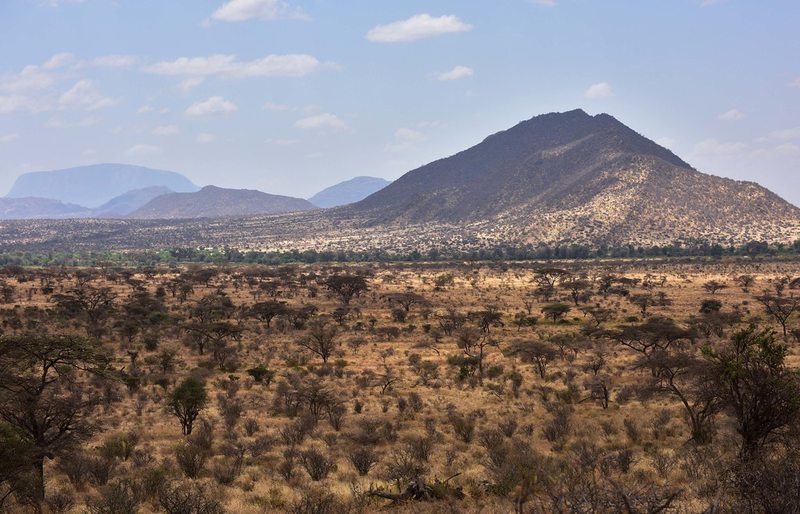
Samburu’s arid terrain, dotted with doum palms along the Ewaso Ng’iro River and backed by rugged, sun-baked hills, offers a photographic character distinct from Kenya’s more famous grassland parks, and a wide-angle lens capturing this dramatic, textured landscape alongside wildlife in the foreground produces some of the reserve’s most compelling images. The stark contrast between the river’s green corridor and the surrounding dry savannah is worth composing around deliberately.
Camera Settings for Samburu’s Bright, Open Conditions
Unlike a dim forest canopy environment, Samburu’s open terrain offers abundant light through most of the day, allowing lower ISO settings, typically 100 to 400, while maintaining fast shutter speeds for action shots of the reserve’s wildlife. A mid-range aperture around f/5.6 to f/8 works well for balancing sharp wildlife subjects with enough background context to convey Samburu’s distinctive setting.
Photographing Samburu’s Signature “Special Five”
Samburu is known for hosting species found in few other Kenyan reserves, including Grevy’s zebra, reticulated giraffe, Somali ostrich, gerenuk, and beisa oryx, collectively nicknamed the Special Five, and a telephoto lens in the 200-400mm range suits photographing these often more skittish, arid-adapted species from an appropriate distance. Patience and a knowledgeable guide familiar with these species’ specific behavior patterns considerably improve your odds of strong images.
Golden Hour Light in an Arid Landscape
Samburu’s dry, dusty air often produces spectacularly warm, saturated golden hour light, particularly during the early morning and late afternoon game drives, and this lighting flatters both the landscape’s earthy tones and the reserve’s wildlife in ways the harsher midday sun cannot match. Scheduling your most important photography sessions around these golden hour windows makes a genuine difference in Samburu specifically.
Managing Dust in Your Photography
Samburu’s arid terrain means dust is a constant companion on game drives, and while this can degrade image clarity during the hottest, driest parts of the day, it can also be used creatively, backlit dust kicked up by moving wildlife adds a dramatic, atmospheric quality to action shots when photographed with the sun behind the subject. Protecting your camera gear from dust infiltration with a rain cover or dry bag remains essential regardless of how you choose to use it creatively.
Where to Actually Find a Canopy Walk in Kenya
Kakamega Forest, Kenya’s last remaining fragment of the Guineo-Congolian rainforest that once stretched across the region, offers the country’s most notable canopy walk experience, giving visitors an elevated forest perspective entirely different from Samburu’s open savannah. Travelers specifically seeking this activity should plan a separate visit to Kakamega, recognizing it sits a considerable distance from Samburu and typically requires treating it as a distinct leg of a broader Kenya itinerary.
Photography Tips for Kakamega’s Canopy Walk
Kakamega’s forest canopy shares much in common photographically with other East African rainforest environments, demanding higher ISO settings, wider apertures, and careful autofocus management to handle the dim, dappled light beneath a dense tree canopy. A wide-angle lens capturing the walkway itself against the forest canopy, combined with a longer lens for the forest’s rich birdlife, covers the range of subjects this distinctive environment offers.
Combining Samburu and Kakamega in One Kenya Trip
Travelers wanting both experiences within a single Kenya itinerary should plan for meaningful travel time between the two, since Samburu sits in the country’s arid north while Kakamega lies to the west near the Ugandan border, making this combination better suited to travelers with two weeks or more rather than a shorter, single-week trip. Routing through Nairobi between the two legs is typically the most practical approach.
Alternative Elevated Perspectives Within Samburu Itself
While Samburu lacks a canopy walkway, certain lodges within the reserve offer elevated viewing decks and hides overlooking the river or waterholes, providing a different kind of elevated vantage point for photography without requiring the specific forest canopy structure found elsewhere. These lodge-based elevated positions are worth asking about specifically when booking accommodation if elevated wildlife photography angles interest you.
River Photography Along the Ewaso Ng’iro
The Ewaso Ng’iro River, Samburu’s lifeline running through otherwise arid terrain, offers some of the reserve’s most reliable wildlife photography, with elephants, crocodiles, and numerous bird species congregating along its banks, particularly during the drier months when this water source becomes even more critical to local wildlife. A mid-range zoom lens works well here, given the varied distances involved in riverside photography.
Night Photography and Stargazing Opportunities
Samburu’s remote location and minimal light pollution make it a genuinely rewarding destination for night sky photography, and travelers with a sturdy tripod and some astrophotography experience can capture striking images of the Milky Way against the reserve’s distinctive silhouetted landscape. This is a worthwhile addition to a Samburu photography itinerary that many visitors overlook in favor of daytime wildlife shots alone.
Building a Complete Kenya Photography Itinerary
Rather than searching for a single activity in the wrong location, building a Kenya photography itinerary around what each specific destination genuinely offers, Samburu’s arid wildlife and dramatic light, Kakamega’s forest canopy and birdlife, produces a far more rewarding and accurately planned trip than assuming any one destination offers every activity. This destination-specific approach consistently serves photographers better than a generic, one-size-fits-all itinerary.
Working With Local Guides on Both Legs of Your Trip
Samburu’s specialist guides carry deep knowledge of the reserve’s arid-adapted wildlife behavior patterns, while Kakamega’s forest guides bring an entirely different expertise around primates and forest birdlife, and leaning on this local knowledge at each destination genuinely improves your photographic results beyond what technical settings alone can achieve. Asking your guide directly about recent wildlife activity and optimal shooting positions consistently pays off at both locations.
Equipment Considerations for Two Very Different Environments
Traveling between Samburu’s dusty, bright savannah and Kakamega’s humid, dim forest canopy means your camera gear faces genuinely different environmental stresses, and packing versatile protective gear, a dust-resistant bag for Samburu and a rain cover for Kakamega, rather than assuming one setup suits both, prepares you properly for this contrast. A cleaning kit for your lens and sensor is worth carrying regardless of which environment you’re currently shooting in.
Why Researching Your Specific Itinerary Pays Off
This mismatch between search terms and actual on-the-ground offerings is common enough across East African travel planning that researching your specific itinerary’s actual activities, rather than assuming a search result accurately reflects what a destination offers, consistently saves travelers from disappointment. A knowledgeable tour operator can clarify these details early in your planning process, well before you’ve committed to a specific date or booking.
The Bottom Line for Photographers Planning This Trip
Samburu and Kakamega each reward photographers who arrive prepared for their specific, genuinely different conditions, and understanding this distinction before you travel, rather than discovering it on arrival, lets you pack, plan, and shoot with confidence at both destinations. The extra planning effort involved in combining two such different environments pays off in a far more varied, satisfying photography portfolio than either location alone would provide.
A Note on Search Terms Versus Real Itineraries
Search engines often surface content built around exact keyword phrases regardless of factual accuracy, and travelers genuinely planning a Kenya photography trip are better served by consulting operators with firsthand destination knowledge than trusting every search result at face value. This guide’s honest reframing reflects that priority, giving you accurate information over content simply optimized to match your original search phrase.
Considering Uganda and Rwanda Alternatives for Canopy Walks
Travelers whose broader itinerary already includes Uganda or Rwanda might find it more efficient to experience a canopy walk at Kibale Forest or Nyungwe Forest National Park rather than adding a separate Kakamega leg purely for this activity, since both offer well-established canopy walkways alongside primate trekking opportunities. This regional flexibility is worth discussing with your tour operator if your trip spans multiple East African countries.
Final Gear Checklist for a Two-Environment Trip
A practical checklist for this combined journey includes a wide-angle lens for landscapes, a telephoto for wildlife and forest birds, spare batteries and memory cards for both legs, dust and rain protection appropriate to each environment, and a sturdy tripod if night photography in Samburu interests you. Packing methodically against this list before departure prevents scrambling to find gear once you’re already on the ground.
Planning Your Kenya Photography Trip
Whether you’re chasing Samburu’s arid-adapted wildlife or Kakamega’s forest canopy, understanding what each destination actually offers makes all the difference. All in Africa Safaris can build a Kenya itinerary combining Samburu’s wildlife photography with other destinations suited to your interests, or you can get in touch to plan the details of your trip.

No comment