
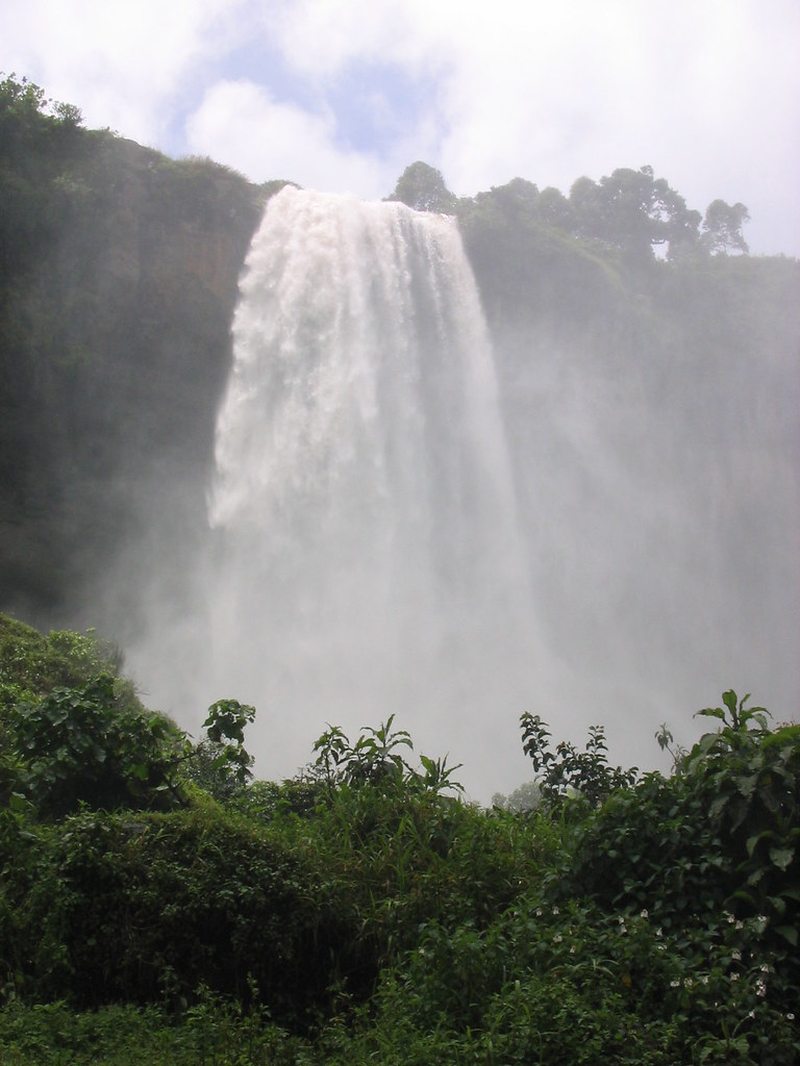
Weather in Sipi Falls: When to Visit for the Best Experience
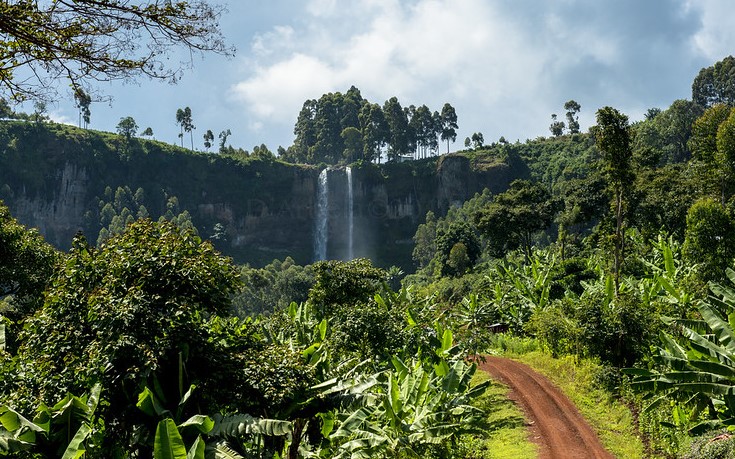
Sipi Falls, a series of three dramatic waterfalls cascading down the slopes of Mount Elgon in eastern Uganda, draws hikers, coffee tour enthusiasts, and travelers seeking a scenic break from savannah-focused safari circuits. Understanding the area’s weather patterns before you visit helps you plan hiking, photography, and coffee tours around the conditions that will actually make your trip most enjoyable.
Sipi Falls’ General Climate Pattern
Sitting on the slopes of Mount Elgon at a moderate elevation, Sipi Falls enjoys a notably cooler, fresher climate than Uganda’s lower-lying savannah parks, with daytime temperatures typically ranging from the low twenties to high twenties Celsius and cooler evenings that often surprise travelers expecting uniformly tropical heat throughout the country. This elevation-driven climate is part of what makes Sipi such a refreshing stop on a broader Uganda itinerary.
The Dry Season: December Through February
The December-to-February dry season generally offers Sipi’s clearest skies and most reliable hiking conditions, with reduced rainfall making trails to the falls’ various viewpoints firmer and more manageable underfoot. This period also tends to reward photographers with the clearest views of the falls against the surrounding Mount Elgon landscape, unobstructed by the heavier cloud cover more common during wetter months.
The Second Dry Window: June Through August
A second, generally reliable drier period runs from June through August, coinciding with one of Uganda’s broader national dry seasons, and offers similarly favorable hiking and photography conditions to the December-February window. Travelers combining Sipi Falls with gorilla trekking or other activities scheduled during Uganda’s main dry seasons often find their Sipi visit naturally aligns well with this broader travel timing.
Rainy Season Considerations: March Through May
The March-to-May rainy season brings Sipi’s most dramatic waterfall flow, since the falls themselves are fed by rainfall higher up Mount Elgon, meaning visitors specifically hoping to see the falls at their most powerful and voluminous should actually consider this wetter period rather than avoiding it entirely. The trade-off is muddier hiking trails and a higher chance of rain disrupting outdoor activities during any given day.
The Second Rainy Window: September Through November
Uganda’s second rainy season, running roughly September through November, brings similar trade-offs to the March-May period, with lush, dramatically flowing falls balanced against wetter, more challenging trail conditions. Travelers who don’t mind adjusting their schedule around afternoon showers often find this shoulder season offers a worthwhile combination of dramatic scenery and lighter crowds.
Why the Falls Themselves Look Different by Season
Sipi’s three waterfalls carry noticeably more water volume and dramatic spray during the rainy seasons compared to the gentler, clearer flow typical of drier months, meaning your priority, whether it’s a powerful, roaring waterfall for photography or drier, easier hiking conditions, should genuinely guide which season you choose rather than defaulting automatically to “dry season is always best.”
Hiking Trail Conditions Across Seasons
The network of trails connecting Sipi’s three falls and various viewpoints becomes considerably more slippery and challenging during rainy periods, and hikers visiting during wetter months should budget extra time and wear proper grip-soled footwear rather than casual shoes. Dry season hikers face a much more straightforward, faster trail experience across the same routes.
Coffee Tours and Weather
Sipi’s renowned Arabica coffee tours, walking through local farms and learning traditional processing methods, proceed reasonably well regardless of season, though dry season conditions offer more comfortable walking between farm plots and processing stations. Rainy season coffee tours remain worthwhile but may require more flexible scheduling around sudden showers.
Photography Considerations by Season
Dry season generally offers clearer skies and better long-distance visibility across the Mount Elgon landscape and toward the Karamoja plains visible from certain Sipi viewpoints, while rainy season’s dramatic cloud formations and more powerful waterfall flow appeal to photographers seeking a moodier, more atmospheric aesthetic. Neither season is objectively superior for photography, simply different in character.
Temperature Variation Throughout the Year
Sipi’s temperature remains relatively consistent year-round given its elevation and equatorial location, meaning seasonal choice affects rainfall and trail conditions far more than temperature comfort, though travelers should still pack a light jacket or fleece for cool mountain evenings regardless of which season they visit. This consistency makes Sipi a genuinely comfortable destination throughout the year from a pure temperature standpoint.
Crowds and Seasonal Visitor Patterns
Sipi Falls sees noticeably fewer visitors during the rainy season shoulder periods compared to the busier dry season months, and travelers prioritizing a quieter, less crowded experience at the falls’ various viewpoints may find the trade-off of occasional rain worthwhile for the more solitary atmosphere. Dry season visits, while offering easier conditions, mean sharing popular viewpoints with more fellow travelers.
Combining Sipi Falls With a Broader Uganda Itinerary
Sipi Falls works well as a stop on the route toward or from Kidepo Valley National Park in Uganda’s remote northeast, or as a standalone eastern Uganda excursion from Kampala, and timing your Sipi visit to align with the broader dry or rainy season patterns affecting the rest of your itinerary simplifies overall trip planning. This regional consistency across eastern Uganda makes coordinated seasonal planning considerably easier than mixing destinations with very different climate patterns.
A Practical Recommendation for First-Time Visitors
First-time visitors prioritizing straightforward hiking conditions and reliable weather for photography should target the December-through-February or June-through-August dry windows, while travelers specifically drawn to dramatic, powerful waterfalls and willing to navigate muddier trails should consider the rainy season periods instead. Neither choice is wrong, and the right answer depends entirely on what you most want from your Sipi Falls visit.
Checking Real-Time Forecasts Before You Travel
Given how localized mountain weather patterns around Mount Elgon can be, checking a specific short-term forecast for the Sipi area in the days immediately before your visit offers more accurate guidance than general seasonal patterns alone, since conditions can shift meaningfully from the broader regional forecast. Your accommodation or tour operator often has useful, current local knowledge beyond what a generic weather app provides.
How Sipi’s Microclimate Differs From Nearby Lowlands
Because Sipi sits at meaningfully higher elevation than the surrounding Karamoja plains and much of eastern Uganda, its weather can differ noticeably from forecasts for nearby lower-elevation towns, sometimes receiving rain when surrounding areas stay dry, or vice versa. Travelers should specifically seek Sipi or Mount Elgon-focused forecasts rather than relying on general eastern Uganda weather predictions.
Planning Multi-Day Stays Around Variable Weather
Given weather’s genuine variability at Sipi regardless of season, travelers planning a multi-day stay build in natural flexibility to shift hiking days around whatever conditions actually materialize, rather than committing every activity to a single fixed day. This approach works particularly well for Sipi given its manageable size and the relatively short distances between its main attractions.
Bringing It All Together
Sipi Falls rewards visitors year-round, and understanding these seasonal trade-offs, rather than assuming one single “best” time applies universally, lets you choose the timing that actually matches what you want from your visit, whether that’s easy hiking, dramatic waterfalls, or a quieter, less crowded experience. This kind of informed, priority-based planning consistently produces the most satisfying Sipi Falls visits.
What Local Guides Say About Reading Sipi’s Weather
Guides who work at Sipi year-round often describe the area’s weather as genuinely more predictable within a given day than travelers expect, with mornings typically offering the clearest conditions regardless of season, and afternoon cloud buildup being the more variable, harder-to-predict factor. Scheduling hikes and photography sessions for the morning hours, and treating afternoons as more flexible, reflects this local wisdom well.
Packing Recommendations Regardless of Season
Regardless of when you visit, packing a light rain jacket, layered clothing for cool mountain evenings, and sturdy, grippy footwear covers Sipi’s genuine year-round weather variability far better than assuming any single season guarantees perfectly predictable conditions. This kind of flexible packing approach serves travelers well across virtually any Sipi Falls visit.
Sipi as Part of a Longer Eastern Uganda Adventure
Travelers extending their eastern Uganda circuit beyond Sipi toward Mount Elgon National Park’s higher trails or onward to Kidepo Valley should expect weather patterns to shift somewhat with elevation and location, meaning the seasonal guidance here applies most directly to Sipi itself rather than the entire wider region.
A Closing Thought on Chasing the “Perfect” Weather Window
Rather than chasing a single mythical perfect weather window, most experienced Sipi visitors recommend simply choosing the season that matches your actual priorities and packing appropriately for whatever conditions arise, since even a rainy afternoon at Sipi Falls, spent watching the waterfall’s mist rise through the clouds, tends to leave a memorable impression of its own.
Planning Your Sipi Falls Visit
Understanding Sipi’s seasonal weather patterns helps you choose the timing that matches your hiking, photography, and coffee tour priorities. All in Africa Safaris can time your Sipi Falls visit to the conditions that matter most to you, or you can get in touch to plan the rest of your eastern Uganda itinerary.



No comment