
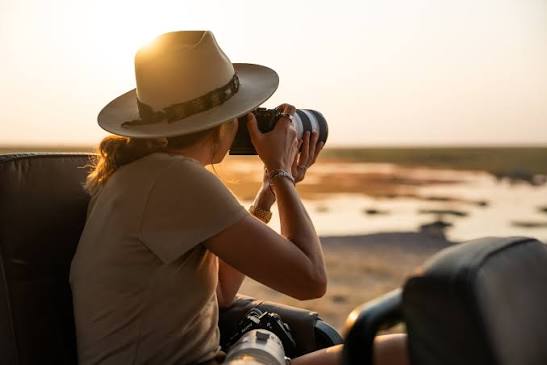
Photographing People Respectfully on Safari
A striking portrait of a Maasai elder or a Batwa craftsperson can become one of a safari’s most treasured images, yet capturing that photograph without genuine consent or cultural awareness can transform a potentially meaningful moment into a genuinely uncomfortable, disrespectful encounter. Photographing people respectfully on safari requires a handful of straightforward principles that protect both the dignity of those photographed and the genuine quality of the resulting images themselves.
Key Highlights
- Always ask permission before photographing individuals, even when a scene seems candid or incidental
- Some communities and individuals maintain specific cultural or personal objections to being photographed
- Offering to share photographs afterward, where practical, demonstrates genuine respect and reciprocity
- Monetary expectations around photography vary considerably and should be clarified beforehand
- Candid street photography requires particular sensitivity compared to posed cultural tourism portraits
- Respectful photography often produces genuinely better images than rushed, uninvited shots
Always Ask Before Photographing
The single most important principle in respectful people photography involves genuinely asking permission before taking someone’s picture, a simple courtesy that respects individual autonomy and dignity regardless of how incidental or candid a particular photo opportunity might initially appear to the photographer. This permission-asking approach applies considerably more broadly than many visitors initially assume, extending beyond formal portraits to include candid street scenes, market photography and any situation where identifiable individuals would appear clearly within the resulting image.
Why Candid Shots Still Require Consent
Even seemingly candid, unposed photography opportunities should generally involve at least acknowledgment or implicit consent from identifiable subjects, the spontaneous nature of a shot not eliminating the basic respect owed to someone’s choice about whether they wish to be photographed at all.
Respecting Specific Cultural and Personal Objections
Certain individuals and communities maintain specific cultural, religious or personal objections to being photographed, beliefs that deserve genuine respect regardless of whether the underlying reasoning aligns with a visitor’s own cultural assumptions about photography’s generally neutral or positive nature. Visitors should accept a declined photography request graciously and without argument or visible disappointment, recognising that the decision belongs entirely to the individual being asked rather than representing something requiring justification or negotiation on the photographer’s part.
Why Some Communities Hold Specific Beliefs About Photography
Various cultural and spiritual beliefs about photography, including concerns about image capture’s spiritual implications, deserve genuine respect even when they differ considerably from a photographer’s own cultural assumptions, these beliefs reflecting genuinely held values rather than simple unfamiliarity with cameras or technology.
Sharing Photographs as Genuine Reciprocity
Where practically possible, offering to share resulting photographs with the people photographed represents a genuinely meaningful gesture of reciprocity, instant printing options or digital sharing through WhatsApp increasingly making this kind of follow-through considerably more practical than in previous years of film photography. This sharing practice transforms photography from a purely extractive transaction, visitor taking something away, into a genuinely more mutual exchange, subjects receiving something tangible in return for their willingness to be photographed.
Instant Printing as a Practical Solution
Portable instant printers have become increasingly popular among thoughtful safari photographers specifically because they allow immediate, tangible photo sharing with subjects, a genuinely appreciated gesture that instant digital sharing alone, dependent on phone ownership and connectivity, cannot always practically replicate.
Navigating Monetary Expectations
Monetary expectations around photography vary considerably across different contexts and communities, some cultural tourism settings maintaining established, transparent payment structures for photography while other situations involve no monetary expectation at all, making upfront clarification through your guide genuinely valuable before any photography occurs. Understanding and respecting whatever specific payment norms apply within a given context avoids both inadvertently underpaying in contexts where compensation is genuinely expected and unnecessarily over-formalising casual interactions where no such expectation actually exists.
Why Guides Provide Essential Context
Local guides possess genuinely valuable practical knowledge about specific community norms around photography payment, their guidance helping visitors navigate this potentially awkward terrain considerably more smoothly than attempting to guess appropriate norms independently.
Street and Market Photography Considerations
Candid street and market photography requires particular sensitivity compared to more formal, arranged cultural tourism portrait opportunities, bustling public settings sometimes creating situations where individuals appear incidentally within broader scene photography without clear opportunity for direct consent conversation. In these situations, photographers should exercise genuine discretion, avoiding close-up shots of clearly identifiable individuals without consent while recognising that broader scene photography capturing general atmosphere raises somewhat different considerations than images specifically focused on particular identifiable people.
Distinguishing Scene Photography From Portrait Photography
Broader scene photography capturing general market atmosphere or street activity generally raises fewer consent concerns than images specifically focused on clearly identifiable individuals, a useful distinction for photographers navigating busy public spaces where individual consent conversations aren’t always practically feasible.
Why Respectful Photography Produces Better Images
Beyond pure ethical consideration, taking time to properly request permission and build genuine rapport before photographing someone typically produces considerably better images than rushed, uninvited shots, subjects generally appearing more relaxed, genuine and engaged when photography occurs through mutual, respectful agreement rather than hurried, uninvited capture. This practical photography benefit means respectful approach and image quality genuinely align, ethical photography practice producing better artistic results rather than requiring any meaningful trade-off between respect and photographic quality.
Learning From Your Guide’s Example
Observing how experienced local guides approach photography requests and interactions with community members offers visitors genuinely valuable practical education, guides typically modelling appropriate greeting customs, permission requests and general interaction styles that visitors can learn from and apply independently during their own photography attempts. This observational learning approach helps visitors develop genuine cultural sensitivity beyond simply following written guidelines, absorbing practical social cues that written advice alone cannot fully convey.
Photographing Children Specifically
Photographing children warrants particular additional care, genuine parental or guardian consent mattering considerably more than a child’s own momentary enthusiasm about being photographed, since children may not fully understand or consider the broader implications of having their image captured and potentially shared widely afterward. Visitors should specifically seek adult consent before photographing children, even when children themselves seem eager or unbothered by the camera’s presence, recognising that responsible photography practice places this protective responsibility on the adult photographer rather than relying on a child’s own judgment about appropriate boundaries.
Why Children Require Extra Protective Consideration
Children’s enthusiasm about cameras shouldn’t be mistaken for meaningful consent, genuine protective responsibility resting with photographers to seek appropriate adult permission rather than treating a child’s momentary excitement as sufficient justification for photography.
Understanding How Images Might Be Used Afterward
Visitors should also consider genuinely how photographed images might be used after the safari concludes, social media sharing in particular potentially exposing subjects to considerably wider audiences than they anticipated when initially agreeing to a photograph taken during a brief in-person encounter. Being transparent about intended image use, including potential social media sharing, when requesting permission helps ensure subjects can make genuinely informed decisions about consent rather than agreeing to photography without understanding its potential broader reach and audience.
Transparency About Social Media Use
Mentioning specifically that a photograph might be shared on social media, rather than simply asking generically to take a picture, gives subjects genuinely more complete information for making an informed consent decision about a request that could have considerably broader implications than they might otherwise assume.
Approaching Photography as Relationship, Not Transaction
The most genuinely successful and respectful people photography tends to emerge from actual relationship building, however brief, conversation and genuine interest in the person photographed generally producing both more ethically sound and more artistically compelling results than treating photography as a quick, transactional exchange disconnected from authentic human connection. Visitors willing to invest a few minutes in genuine conversation before raising a camera often find the resulting experience considerably more rewarding for both parties than a rushed photographic transaction ever could provide.
Why Slowing Down Improves Everything
Taking time to genuinely connect before photographing someone transforms the entire interaction’s character, subjects generally responding with greater warmth and authenticity when they sense genuine interest rather than simply being treated as a photographic subject to capture and move on from quickly.
Carrying These Principles Beyond Safari
The respectful photography principles developed during an East Africa safari translate genuinely well to travel photography anywhere in the world, the fundamental emphasis on consent, dignity and genuine human connection representing sound practice regardless of specific destination or cultural context encountered.
Frequently Asked Questions
Should I always ask before photographing someone?
Yes, even in candid or incidental situations, genuine consent respects individual autonomy regardless of how spontaneous the photo opportunity seems.
What should I do if someone declines to be photographed?
Accept the decision graciously without argument, recognising it belongs entirely to the individual rather than requiring justification.
Is it appropriate to pay people for photographs?
Expectations vary by context; ask your guide beforehand to understand whether payment is customary in a specific situation.
How can I reciprocate when someone allows me to photograph them?
Offering to share the photo digitally or through instant printing represents a genuinely meaningful gesture of reciprocity.
Does candid street photography require the same consent approach?
Broader scene photography raises fewer concerns than close-up images of clearly identifiable individuals, which still warrant discretion.
Recommended Safaris
Practising respectful photography adds genuine depth and dignity to any safari’s cultural encounters. Ready to plan a safari with thoughtful cultural engagement? Reach our team through our Book Now page and we’ll plan it around your dates.

No comment