
One Week in Rwanda: Kigali, Gorillas, Lake Kivu and Akagera on a Short Trip
Rwanda is one of the most rewarding destinations in East Africa for travellers who want to experience wildlife, culture, dramatic landscapes, and relaxing lakeside scenery within a limited amount of time. Despite its relatively small size, the country offers remarkable variety. You can explore the history and modern development of Kigali, trek through the rainforest to see endangered mountain gorillas, relax beside Lake Kivu, and search for elephants, lions, giraffes, zebras, and other wildlife in Akagera National Park.
A seven-day Rwanda itinerary makes these experiences possible, provided the route is planned carefully. Each destination offers something different, but travelling between them still takes time. Gorilla trekking requires a permit and an early start, while Akagera needs enough time for game drives across its extensive savannah landscapes. Lake Kivu is best enjoyed when you have time to slow down rather than treating it as another overnight stop.
This itinerary is designed for travellers who want to experience Rwanda’s major highlights in one week without spending every day rushing from one attraction to another. It combines Kigali, Volcanoes National Park, Lake Kivu, and Akagera National Park in a practical route, with accommodation options, meals, optional activities, and important travel considerations.
Overview
This seven-day Rwanda safari begins in Kigali, the country’s capital, where travellers can learn about Rwandan history, explore local culture, and prepare for the journey. From Kigali, the itinerary continues to Volcanoes National Park in the north, home to the endangered mountain gorillas that make Rwanda famous among wildlife enthusiasts.
After gorilla trekking, the journey heads west towards Lake Kivu, one of the Great Lakes of Africa. Its scenic shoreline, peaceful beaches, fishing communities, and opportunities for boat excursions provide a welcome change from the physically demanding forest trek.
The final major destination is Akagera National Park in eastern Rwanda. The park protects a mixture of savannah, woodland, lakes, and wetlands, making it one of the country’s leading destinations for traditional game viewing. Travellers can enjoy guided game drives and explore landscapes that contrast sharply with the volcanic mountains and forested slopes of northern Rwanda.
The route requires careful coordination because Volcanoes National Park, Lake Kivu, and Akagera lie in different parts of the country. A private vehicle and experienced local driver-guide can make the journey easier, while advance reservations help secure the gorilla permit and suitable accommodation.
Trip duration: 7 days and 6 nights.
Main destinations: Kigali, Volcanoes National Park, Lake Kivu, and Akagera National Park.
Main experiences: Kigali city sightseeing, mountain gorilla trekking, lakeside relaxation, cultural encounters, and savannah wildlife viewing.
Best suited for: First-time visitors to Rwanda, couples, wildlife enthusiasts, photographers, and travellers looking for a compact combination of primates and traditional safari experiences.
Recommended travel style: Private guided safari with prearranged accommodation and activities.
Safari Highlights
The most memorable experience for many visitors is mountain gorilla trekking in Volcanoes National Park. Accompanied by authorised park guides and trackers, you walk through montane forest in search of a habituated gorilla family. Once the group is located, visitors are generally allowed a strictly controlled period with the gorillas under park rules. The trek can be physically demanding, but the opportunity to observe these endangered primates in their natural habitat is exceptional.
Kigali provides a cultural and historical introduction to Rwanda. Visitors can explore selected city attractions, learn about the country’s past, and experience its modern urban atmosphere. The Kigali Genocide Memorial is an important place of remembrance and education, while local markets and cultural spaces provide different perspectives on contemporary Rwandan life.
Lake Kivu introduces a slower pace. Travellers can enjoy views of the lake, visit lakeside communities, take a boat excursion where available, or simply relax at their accommodation. The landscape of green hills descending towards the water makes this region particularly appealing to photographers.
Akagera National Park provides the classic safari experience. Game drives offer opportunities to search for elephants, buffaloes, giraffes, zebras, antelopes, and predators. The park is also known for its conservation work and wetland habitats, which support a rich variety of birdlife.
The combination of these four destinations is what makes a week in Rwanda distinctive. Rather than focusing on only one type of attraction, the itinerary brings together wildlife conservation, mountain scenery, cultural history, lakeside relaxation, and savannah exploration.
Detailed Itinerary
Day 1: Arrival in Kigali and City Exploration
Arrive at Kigali International Airport, where you will complete the arrival formalities and meet your driver-guide. After collecting your luggage, transfer to your hotel in Kigali. Depending on your arrival time, you can begin sightseeing immediately or take time to rest after your journey.
Kigali is known for its green hills, organised neighbourhoods, and expanding urban landscape. The city provides a useful introduction to Rwanda before travelling into the countryside. During a guided city tour, you can explore selected landmarks, learn about the country’s history, and observe everyday life in the capital.
One of the most important places to visit is the Kigali Genocide Memorial. The memorial commemorates the victims of the 1994 Genocide against the Tutsi and serves as a centre for remembrance, education, and reflection. Allow sufficient time for the visit, and approach the exhibitions with respect for the victims and survivors. Depending on your interests and schedule, the tour may also include selected city viewpoints, local markets, craft shops, or cultural spaces.
For lunch, consider a restaurant serving Rwandan dishes or regional East African cuisine. You may encounter meals based on beans, plantains, potatoes, rice, vegetables, grilled meat, or fish. Kigali also offers international dining options for travellers with different preferences.
In the afternoon, continue exploring the city if time permits. A visit to a craft centre can provide an opportunity to see locally made baskets, textiles, artwork, and souvenirs. Ask about the origins of products and buy from reputable sellers if you wish to support local artisans.
Return to your hotel for dinner and an overnight stay. If you are arriving late, keep the first day flexible and move sightseeing to the following morning where possible. Gorilla trekking begins early, so a good night’s rest is useful before travelling north.
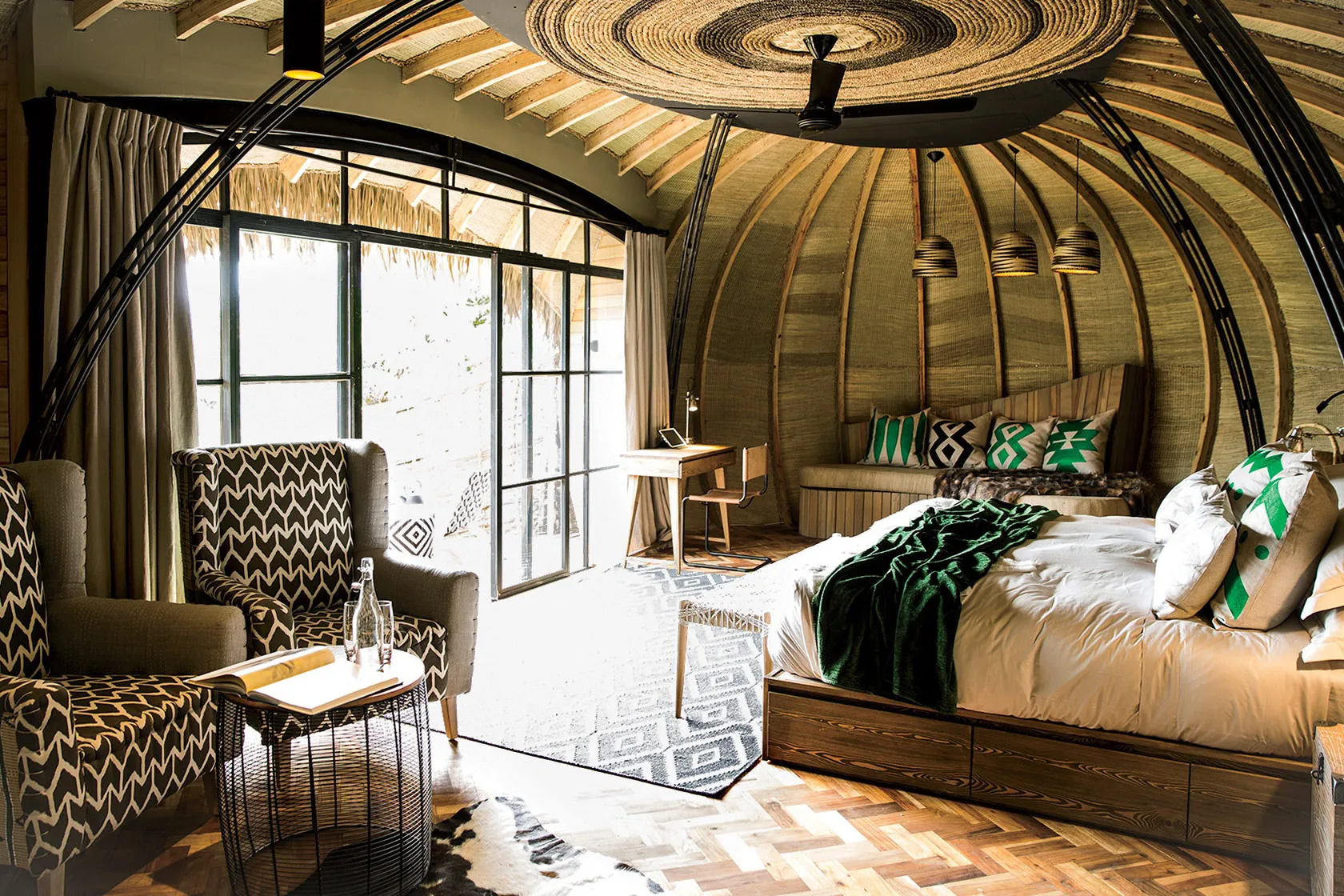
Accommodation options: Budget: selected guesthouses in Kigali; Mid-range: Hotel Chez Lando, Five to Five Hotel; Luxury: Kigali Serena Hotel, The Retreat by Heaven.
Meals included: Dinner, depending on arrival time and the booked package.
Optional activities: Guided Kigali city tour, local craft shopping, additional cultural visits, or a restaurant experience featuring Rwandan cuisine.
Day 2: Kigali to Volcanoes National Park
After breakfast, depart Kigali and travel north towards Volcanoes National Park. The drive usually takes around two to three hours, depending on the starting point, traffic, weather, and road conditions. The journey passes through Rwanda’s characteristic rolling hills, cultivated countryside, and rural settlements.
As you approach the Musanze area, the volcanic peaks of the Virunga Mountains become increasingly prominent. The scenery is a major attraction in its own right, with steep green slopes, agricultural terraces, and views towards the mountains that extend across Rwanda, Uganda, and the Democratic Republic of the Congo.
Volcanoes National Park protects a section of the Virunga mountain range and is one of the world’s best-known destinations for mountain gorilla trekking. The park also supports golden monkeys and other forest wildlife, while its high-altitude landscapes provide habitat for numerous plant and bird species.
After arriving in the Musanze region, check in at your lodge and enjoy lunch. Depending on your arrival time and energy level, you can spend the afternoon relaxing or arrange a suitable activity around the park. Options may include a guided community visit, a cultural experience, or a nature walk offered by an authorised local provider.
If you are interested in Rwanda’s gorilla conservation history, ask your guide about the work of local conservation organisations and the role surrounding communities play in protecting wildlife habitat. Tourism can contribute to conservation and local livelihoods, although the benefits depend on how tourism activities and revenues are managed.
Prepare for the following day’s gorilla trek by checking your clothing, footwear, water, and personal items. Forest conditions can be wet and muddy, even when the weather in the lodge area appears dry. Sturdy hiking boots, long trousers, gardening gloves, and a waterproof jacket are useful.
Enjoy dinner at the lodge and rest early. Your guide will confirm the following morning’s departure arrangements and the meeting point for the park briefing.
Accommodation options: Budget: selected guesthouses in Musanze; Mid-range: Da Vinci Gorilla Lodge, Le Bambou Gorilla Lodge; Luxury: Five Volcanoes Boutique Hotel, Virunga Lodge.
Meals included: Breakfast, lunch, and dinner, depending on the package selected.
Optional activities: Community visit, cultural performance, guided nature walk where available, or a visit to local craft shops.
Day 3: Mountain Gorilla Trekking in Volcanoes National Park
Today is the main highlight for many travellers: mountain gorilla trekking in Volcanoes National Park.
Wake up early and have breakfast before transferring to the designated park briefing location. The exact meeting time and arrangements should be confirmed with your operator and the park authorities before travel. Bring your passport or other required identification, permit details, drinking water, and the equipment recommended for the trek.
At the briefing, park staff explain trekking procedures, safety guidelines, conservation rules, and the expected conduct around gorillas. Visitors are allocated to available habituated gorilla groups according to the park’s procedures. The length and difficulty of the trek vary because gorillas move freely through the forest and may be found at different elevations.
Once the trek begins, you will walk with authorised guides and trackers through montane vegetation, uneven terrain, and sometimes steep or muddy sections. The journey may take a few hours or considerably longer, depending on the location of the gorilla family. A reasonable level of fitness is helpful, but travellers should also communicate any mobility concerns to their operator before booking.
When the gorillas are located, follow the instructions of the guides carefully. Maintain the required distance, keep your voice low, avoid sudden movements, and never touch or feed the animals. Visitors are generally permitted a strictly limited viewing period, commonly one hour, subject to the applicable park rules and circumstances. This restriction helps reduce disturbance and protects the gorillas from human-related risks.
Observing a gorilla family can be a powerful experience. You may see adults feeding, juveniles playing, mothers caring for infants, or a dominant silverback monitoring the group. The behaviour you witness depends on the individuals present and their activities at that moment. Wildlife encounters are never identical, and the experience should be appreciated without expecting a particular scene.
After the trek, return to the park area and travel back to your lodge. Enjoy lunch and spend the remainder of the day resting. Depending on your energy and the lodge’s location, you may take a short walk or enjoy the mountain views from the property.
Gorilla trekking can be physically demanding, so avoid scheduling a long transfer immediately afterwards. Hydrate, change out of wet clothing if necessary, and allow your body time to recover.
In the evening, enjoy dinner and reflect on the experience. Your guide can explain more about mountain gorilla conservation, habitat protection, and the importance of responsible tourism.
Accommodation options: Budget: selected guesthouses in Musanze; Mid-range: Da Vinci Gorilla Lodge, Le Bambou Gorilla Lodge; Luxury: Five Volcanoes Boutique Hotel, Virunga Lodge.
Meals included: Breakfast, lunch, and dinner, depending on the booked package.
Optional activities: A separate golden monkey trekking permit and excursion, subject to availability and your fitness level. This should only be added if the timing and recovery requirements are suitable.
Day 4: Volcanoes National Park to Lake Kivu
After breakfast, leave the Musanze region and travel towards Lake Kivu. The precise journey time depends on which lakeside town you choose, such as Rubavu near Gisenyi or Karongi farther south. For a one-week itinerary, Rubavu is generally a practical option because it is accessible from Volcanoes National Park and provides a convenient base for lakeside relaxation.
The drive offers more views of Rwanda’s hills, farms, and rural settlements. On arrival, check in at your accommodation and enjoy lunch before exploring the lakefront.
Lake Kivu is one of Africa’s Great Lakes and forms part of the border between Rwanda and the Democratic Republic of the Congo. Its shoreline is dotted with towns, fishing communities, beaches, and green hills. The lake provides a striking contrast to the misty forests of Volcanoes National Park.
Spend the afternoon relaxing by the water or taking a walk through the nearby town. If conditions and arrangements permit, you may book a boat excursion with a reputable local operator. Before boarding, confirm the duration, price, safety equipment, weather conditions, and return time.
A guided boat trip can provide views of the shoreline and an opportunity to learn about local fishing practices and life around the lake. Some excursions visit nearby islands or other points of interest, depending on the departure location and operating conditions. Activities should be selected according to the available time rather than assuming every option can be completed in one afternoon.
Lake Kivu is also an excellent place to slow down after the early start and strenuous walk associated with gorilla trekking. You can enjoy a drink overlooking the water, photograph the changing light, or simply relax at your lodge.
Swimming should only be considered in locations where it is permitted and local guidance confirms suitable conditions. Water quality and safety can vary, so ask your accommodation or a knowledgeable local provider before entering the lake.
In the evening, enjoy dinner at your hotel or a local restaurant. Fish, vegetables, beans, plantains, and other regional dishes may be available, depending on the establishment.
Accommodation options: Budget: selected guesthouses in Rubavu; Mid-range: Paradise Malahide, Kivu Park Hotel; Luxury: Lake Kivu Serena Hotel.
Meals included: Breakfast, lunch, and dinner, depending on the package selected.
Optional activities: Guided boat excursion, lakeside walk, local fishing-community experience, or a relaxed café visit.
Day 5: Lake Kivu to Akagera National Park
Day five involves a substantial road journey from the Lake Kivu region to Akagera National Park in eastern Rwanda. This is one of the longest transfers in the itinerary, so an early departure is recommended. Actual travel time depends on the lakeside town, route, traffic, road conditions, and stops.
Have breakfast, check out, and begin the drive across Rwanda. The journey provides an opportunity to observe how the landscape changes from the western highlands towards the eastern savannah. You will pass through rural areas and cultivated hills before reaching the region around Akagera.
Because this transfer can take much of the day, avoid planning a full game drive immediately after arrival unless the departure time and route genuinely allow it. Arrive at your lodge, check in, and enjoy a meal or a short rest.
Akagera National Park protects a diverse landscape of open grasslands, woodland, lakes, swamps, and rolling hills along Rwanda’s eastern border. Its habitats support a wide range of wildlife and bird species, making it a very different experience from the mountain rainforest of Volcanoes National Park.
The park is particularly significant for Rwanda’s wildlife conservation story. Conservation efforts have supported the recovery and management of important species, while tourism provides opportunities for visitors to learn about protected landscapes and wildlife management.
If you arrive with enough daylight, you may enjoy a short activity near your lodge or a brief drive where the schedule and park arrangements permit. Otherwise, save your main wildlife viewing for the following day, when you can start early and spend more time exploring.
Dinner and overnight at your accommodation near Akagera. Confirm your game-drive departure time, park access arrangements, and any packed breakfast requirements with your guide.
Accommodation options: Budget: selected campsites or basic accommodation options around Akagera, subject to availability; Mid-range: Akagera Rhino Lodge; Luxury: Ruzizi Tented Lodge, Magashi Camp.
Meals included: Breakfast, lunch, and dinner, depending on the booked package.
Optional activities: Short lodge-area nature experience or a sunset activity if available and compatible with the arrival schedule.
Day 6: Game Drive and Wildlife Viewing in Akagera National Park
Start early with breakfast or a packed meal before entering Akagera National Park for a guided game drive. Early morning is often a productive period for wildlife viewing because temperatures are cooler and some animals are active before the day becomes hot.
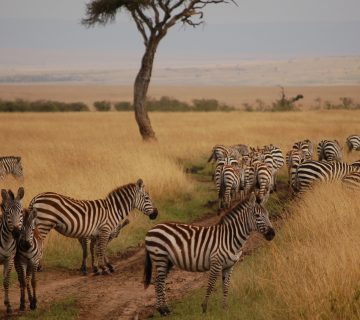
Akagera offers a classic savannah safari experience with a mixture of grasslands, woodlands, wetlands, and lakes. During the game drive, you may encounter elephants, buffaloes, giraffes, zebras, antelopes, and a variety of bird species. Lions and leopards are also present, but sightings depend on location, movement, and luck.
Your guide will select the route according to current conditions, park rules, available time, and the types of wildlife you hope to see. The park is extensive, so a single drive cannot cover every habitat. Remaining patient and observing the landscape carefully can be just as rewarding as searching for individual animals.
Akagera is also known for its wetlands and lakes, which provide habitat for waterbirds and other wildlife. Depending on the selected route and activity availability, your safari may include viewpoints overlooking the water or a guided boat excursion on Lake Ihema. Boat activities are subject to operational arrangements, weather, and availability, so they should be confirmed in advance.
After the morning drive, take a break for lunch. Depending on the schedule, you may return to your lodge or enjoy a suitable picnic arrangement in an authorised area. Follow park guidance about food, waste disposal, and safe behaviour around wildlife.
In the afternoon, continue exploring the park if your package includes a full-day game drive. Different routes and habitats can produce different sightings, and the afternoon offers another opportunity to observe animals as temperatures begin to ease.
Wildlife viewing should always remain respectful. Keep an appropriate distance from animals, follow the guide’s instructions, and avoid shouting or encouraging a driver to approach too closely. Predators and other animals may be difficult to locate, and no responsible guide can guarantee that every species will be seen.
Return to your lodge in the evening. Enjoy dinner and an overnight stay near Akagera, taking time to appreciate the contrast between Rwanda’s eastern savannah and the forested mountains visited earlier in the week.
Accommodation options: Budget: selected campsites or basic accommodation options around Akagera, subject to availability; Mid-range: Akagera Rhino Lodge; Luxury: Ruzizi Tented Lodge, Magashi Camp.
Meals included: Breakfast, lunch, and dinner, depending on the booked package.
Optional activities: Guided boat excursion on Lake Ihema, additional game drive, or a birdwatching experience, subject to park arrangements and availability.
Day 7: Morning Wildlife Viewing and Return to Kigali
Wake up early for breakfast and, if your flight schedule permits, a final morning game drive or short wildlife-viewing activity. A last drive can provide another opportunity to see animals you missed the previous day, although sightings remain unpredictable.
If you have an early flight or need to reach Kigali by a fixed time, skip the extra activity and depart directly after breakfast. The road journey from Akagera to Kigali takes several hours, depending on the park exit, route, traffic, and weather. Build a substantial buffer into the schedule rather than relying on the shortest estimated driving time.
If your flight departs late in the evening, you may have time for lunch in Kigali or a short visit to a selected attraction, provided you arrive with enough time to spare. Travellers who want to visit the Kigali Genocide Memorial should allow sufficient time for a respectful visit and avoid scheduling it too close to departure.
Your driver-guide will transfer you to Kigali International Airport or to your chosen hotel, depending on your onward plans. Before leaving the lodge, check that you have collected all luggage and personal belongings.
If your flight leaves the following morning, staying overnight in Kigali is often more comfortable than attempting a late return and early airport transfer on the same day. This may require extending the itinerary by one night, but it can make the end of the trip much less stressful.
Accommodation options: If departing the same day, no additional accommodation is required. If staying overnight, Budget: selected Kigali guesthouses; Mid-range: Hotel Chez Lando, Five to Five Hotel; Luxury: Kigali Serena Hotel, The Retreat by Heaven.
Meals included: Breakfast and lunch, depending on the booked package and departure arrangements.
Optional activities: Final game drive, lunch in Kigali, craft shopping, or an additional city visit if time allows.
Tour Includes
The standard package for this seven-day Rwanda itinerary can include airport pickup and drop-off, private ground transportation, the services of an experienced English-speaking driver-guide, six nights of accommodation, meals specified in the itinerary, Kigali sightseeing, and game drives in Akagera National Park.
The package should also include the mountain gorilla trekking permit if this has been agreed in writing and secured for your travel date. Permit availability must be confirmed before the itinerary is treated as final. The precise inclusions for park entry, boat activities, and guided excursions should be listed clearly in the booking confirmation.
Accommodation, transport, and activities should be arranged to match the chosen budget category. Travellers should also confirm whether drinking water, fuel, parking fees, and driver accommodation are included in the quotation.
Tour Excludes
Unless specifically included in your quotation, the package may exclude international flights, visa fees, travel insurance, personal expenses, laundry, alcoholic drinks, tips, optional activities, and any accommodation required beyond the six nights described.
Additional charges may apply for activities not listed in the final programme, private boat excursions, special cultural experiences, or changes requested after booking. Any domestic or regional flights added to the route should also be clearly itemised.
Travellers should confirm the exact inclusions and exclusions with their tour operator before paying a deposit. A written quotation should state the accommodation category, number of nights, transport arrangements, park fees, gorilla permit arrangements, meals, and cancellation terms.
Practical Information for a One-Week Rwanda Trip
Gorilla Trekking Permits and Preparation
The gorilla permit is one of the most important arrangements to secure before travel. Permits are limited, and the itinerary depends on availability for your preferred date. Confirm the current permit price, eligibility requirements, booking conditions, and cancellation rules through the relevant official authorities or a reputable operator.
Gorilla trekking can involve steep slopes, muddy trails, dense vegetation, and changing weather. Wear sturdy hiking boots, long trousers, and a waterproof jacket. Gardening gloves can help protect your hands when moving through vegetation, while a small daypack can carry water, snacks where permitted, and essential personal items.
Follow the instructions of park staff throughout the trek. Do not touch, feed, or crowd the gorillas, and do not trek when you are unwell in a way that could expose them to infection. Park rules are designed to protect both visitors and these endangered animals.
Transport and Driving Times
A private vehicle is the most convenient way to connect Kigali, Volcanoes National Park, Lake Kivu, and Akagera in one week. It provides flexibility for stops and makes it easier to carry luggage between accommodation locations.
Driving times can vary because of traffic, weather, roadworks, and the precise locations of hotels and park entrances. The journey from Kigali to Volcanoes National Park is generally relatively short, while travel between Lake Kivu and Akagera is considerably longer. Avoid booking important activities immediately after the longest transfers.
If you prefer a more relaxed trip, consider spending less time travelling between regions. For example, you could remove Lake Kivu or Akagera and use the extra day to explore the remaining destinations in greater depth.
Weather and Clothing
Rwanda has a relatively mild climate because of its elevation, but temperatures and rainfall vary by region. Kigali may feel warm during the day, while the high-altitude areas around Volcanoes National Park can be cool, especially in the morning and evening.
Pack lightweight clothing for Kigali and Akagera, along with warmer layers for the mountains. A waterproof jacket, comfortable walking shoes, sun protection, insect repellent, and a small daypack are useful throughout the trip.
Lake Kivu can be warm during the day, making light clothing suitable for lakeside activities. However, boat excursions and evenings beside the water may feel cooler, so carry an additional layer.
Money, Payments and Personal Expenses
Rwanda uses the Rwandan franc. Some hotels and tourism operators may quote prices in foreign currencies, but the accepted payment methods vary. Confirm whether your accommodation, activity providers, and tour operator accept cards, cash, or mobile payments.
Carry a practical payment option for smaller purchases, tips, and personal expenses. Keep cash secure and avoid exchanging money with unverified individuals.
Your personal budget should account for drinks, souvenirs, optional excursions, tips, and meals not covered by the package. If your itinerary includes a boat trip on Lake Kivu or Lake Ihema, confirm whether the activity is included or charged separately.
Health, Safety and Travel Documents
Check Rwanda’s current entry requirements before departure, including visa eligibility, passport validity, and any health documentation applicable to your circumstances. Requirements may vary by nationality and can change.
Travel insurance is strongly recommended, particularly for a trip involving forest trekking and several long road transfers. Confirm that your policy covers the activities you intend to undertake and any medical evacuation requirements relevant to your travel plans.
Follow local guidance on drinking water, food safety, road travel, and wildlife activities. Use reputable transport providers and keep your passport and essential documents secure. Your operator should provide current advice about park regulations and any changes to the planned route.
Best Time to Visit Rwanda
Rwanda can be visited throughout the year, but the weather may influence trekking conditions, wildlife viewing, road travel, and the comfort of outdoor activities.
The drier periods are commonly associated with easier hiking conditions in Volcanoes National Park, although trails can remain muddy because the gorillas live in a rainforest environment. These periods are popular for trekking, so permits and accommodation should be arranged well in advance.
The wetter periods can bring greener landscapes and rewarding birdwatching opportunities, but trails and rural roads may be more challenging. Travellers should pack suitable waterproof clothing and allow additional flexibility for transfers.
Akagera’s wildlife viewing conditions vary with rainfall, vegetation, and the distribution of water. Your guide can adjust game-drive routes to current conditions, but animal sightings cannot be guaranteed. Birdwatchers may find different seasonal opportunities depending on the species they hope to observe.
Lake Kivu remains attractive throughout the year, although the weather influences boat excursions and lakeside conditions. Confirm water-based activities with a reputable operator shortly before the planned departure.
Rather than choosing dates based on weather alone, consider gorilla permit availability, accommodation, flight schedules, and the amount of time you want to spend in each destination.
Is Seven Days Enough for Kigali, Gorillas, Lake Kivu and Akagera?
Seven days is enough to experience all four destinations, but it is a compact itinerary that requires sensible planning. You will see Kigali, take part in gorilla trekking, enjoy time beside Lake Kivu, and spend time searching for wildlife in Akagera. The main compromise is that the long transfer between western Rwanda and the eastern savannah limits the amount of time available for additional activities.
If gorilla trekking is your main priority, protect that day and avoid adding unnecessary excursions around it. If traditional wildlife viewing matters most, consider extending your stay in Akagera or removing one of the other destinations. If you prefer a slower holiday, two nights beside Lake Kivu may be more rewarding than adding another activity.
For travellers who can extend the trip to eight or nine days, an extra night in Akagera or Kigali can provide useful flexibility. It may allow another game drive, a more relaxed lakeside experience, or a final overnight stay near the airport before departure.
A successful Rwanda itinerary is not measured only by the number of places visited. It is measured by whether you have enough time to enjoy each experience, travel safely between destinations, and appreciate the country’s remarkable variety.
With the right arrangements, one week in Rwanda can combine an extraordinary encounter with mountain gorillas, the cultural and historical character of Kigali, the peaceful scenery of Lake Kivu, and the wildlife-rich landscapes of Akagera National Park. It is a compact introduction to a country where conservation, community life, and natural beauty are closely connected.
Total word count: approximately 4,400 words.



No comment