
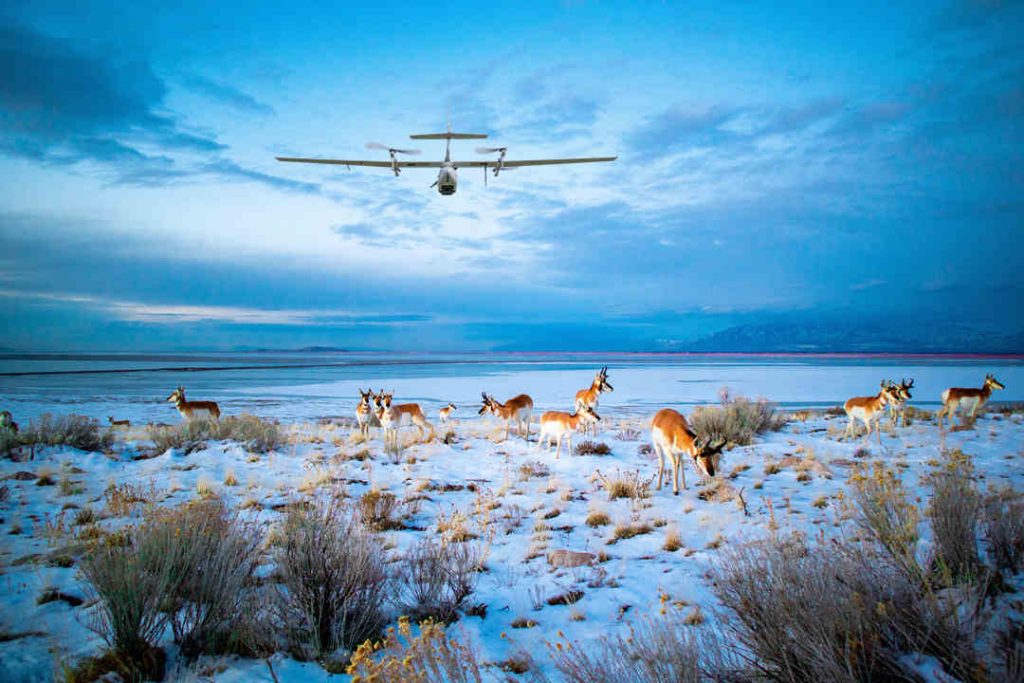
Drone Photography Ethics at Wildlife Sites
Drone photography has changed how travellers capture landscapes and wildlife. From the open plains of Tanzania’s Serengeti to Uganda’s forests and Kenya’s Maasai Mara, aerial photographs can reveal remarkable views of Africa’s natural environments. However, flying a drone near wild animals raises important questions about safety, conservation and responsible tourism.
Understanding drone photography ethics at wildlife sites is essential before bringing a drone on an African safari. Although drones can capture impressive footage, their movement and noise may frighten animals, disturb breeding activities or interfere with other visitors.
Many East African national parks restrict drone operations and require special authorisation. Responsible photographers must therefore consider both wildlife welfare and local regulations before flying.
This guide explains how to approach drone photography responsibly in Uganda, Kenya, Tanzania and Rwanda.
1. Understand Why Drones Can Disturb Wildlife
Wild animals react differently to unfamiliar objects and sounds.
A drone flying overhead may resemble a threat, particularly to birds or mammals unfamiliar with aircraft.
Some animals may flee, stop feeding or move away from their young.
Others may become defensive or display signs of stress.
These reactions depend on the species, flight altitude, noise level and previous exposure to drones.
For example, a herd of elephants may respond differently from a group of antelopes.
A photograph showing animals running away from a drone may look dramatic, but the disturbance can create unnecessary risks.
Responsible wildlife photography should avoid causing animals to change their natural behaviour.
2. Check Drone Regulations Before Visiting National Parks
One of the most important rules is to obtain the necessary permissions before operating a drone.
National parks have different regulations, and ordinary visitor entry fees do not automatically authorise drone photography.
In East Africa, drone operations may require permission from aviation authorities, wildlife management agencies and other government institutions.
| Country | Authorities to Consult | Important Consideration |
|---|---|---|
| Uganda | Uganda Civil Aviation Authority and Uganda Wildlife Authority | Wildlife sites require specific authorisation |
| Kenya | Kenya Civil Aviation Authority and relevant protected-area management | Additional park and filming approvals may apply |
| Tanzania | Tanzania Civil Aviation Authority and Tanzania National Parks | National park drone operations are tightly restricted |
| Rwanda | Rwanda Civil Aviation Authority and relevant park authorities | Aviation authorisation does not automatically permit park flights |
Regulations can change, so confirm current requirements before travelling.
Never assume a drone is permitted simply because you have seen aerial photographs of a particular park online.
3. Never Fly Directly Above Wild Animals
Flying directly over wildlife can cause disturbance, even when animals appear calm.
Animals may notice drone sounds or movements before photographers recognise their reactions.
Birds may abandon feeding areas, while mammals may become alert or retreat.
Avoid positioning drones directly above elephants, giraffes, buffaloes, lions or other wildlife.
Do not follow animals as they move through vegetation.
If an animal changes its behaviour because of your drone, that is a warning that the activity may be causing disturbance.
The safest ethical approach is to avoid wildlife overflights entirely unless specifically authorised for a properly assessed conservation or research activity.
4. Respect Nesting Birds and Breeding Areas
Birds can be particularly sensitive to aerial disturbances.
Many species defend nesting territories, protect eggs or care for vulnerable chicks.
A drone approaching a nest may trigger defensive behaviour or cause adults to leave temporarily.
Repeated disturbance can affect breeding success.
Avoid operating drones near:
- Active bird nests.
- Breeding colonies.
- Wetland nesting areas.
- Birds feeding dependent chicks.
- Known wildlife breeding grounds.
Do not use a drone to obtain close-up footage of birds defending their nests.
A telephoto camera used from an appropriate distance is generally a better option.
5. Avoid Chasing Wildlife for Dramatic Footage
Wildlife documentaries sometimes feature remarkable aerial scenes of animals running across grasslands.
However, responsible photographers should never chase wildlife with drones.
Following an animal at close range may increase stress and cause unnecessary energy expenditure.
This is particularly concerning when animals are already affected by heat, injury, pregnancy or limited food availability.
During the Great Migration, wildebeest and zebras encounter natural challenges while moving between grazing areas.
Adding drone disturbance can make these situations more dangerous.
Tanzania National Parks has specific restrictions on drone operations, and unauthorised tourist flights are not permitted.
Capturing dramatic footage should never take priority over animal welfare.
6. Keep a Safe Distance From Wildlife
There is no single flight distance that guarantees wildlife will remain undisturbed.
Different species respond differently to drones, and local regulations may impose specific altitude and operational requirements.
A small bird may react strongly to an aircraft that larger mammals appear to ignore.
Wind conditions, terrain and drone noise can also influence disturbance.
For permitted operations, follow the approved flight plan, maintain the required separation and observe instructions from authorised wildlife personnel.
Never interpret a minimum legal flying altitude as proof that an activity is harmless to wildlife.
If animal disturbance is possible, do not proceed.
7. Respect Other Safari Visitors
National parks are shared spaces where visitors expect opportunities to observe wildlife in relatively peaceful surroundings.
Drone noise can interrupt game drives, birdwatching activities and guided nature walks.
It may also interfere with wildlife photographers using traditional cameras.
Before any authorised drone activity, consider whether other visitors are present.
Avoid launching aircraft near viewing areas, safari vehicles or accommodation unless the activity has been approved.
Safari guides and park officials should be informed of permitted operations where required.
Respecting other visitors contributes to a better experience for everyone.
8. Protect Local Communities and Personal Privacy
Drone photography ethics also apply beyond wildlife.
Communities living near national parks deserve privacy and respect.
Do not fly over homes, schools, farms or private accommodation without appropriate permission.
Avoid photographing people without their knowledge or consent.
In some communities, aerial filming may raise legitimate concerns about privacy, security and cultural sensitivity.
If you want to document a community tourism project, discuss your plans with local representatives beforehand.
Explain how the footage will be used and obtain the necessary permissions.
9. Consider the Environmental Impact of Drone Equipment
Drone photography involves more than flying an aircraft.
Equipment transport, batteries and electronic waste also create environmental considerations.
Damaged batteries can pose safety and disposal problems.
Always transport lithium batteries according to airline requirements and manufacturer instructions.
Avoid leaving damaged equipment or packaging in natural environments.
Never attempt to recover a crashed drone by entering a restricted wildlife area without permission.
Contact park authorities for assistance instead.
Responsible photography includes protecting the environment before, during and after your activity.
10. Understand Commercial Drone Photography Rules
Travellers producing content for businesses, advertising campaigns or documentaries may face additional requirements.
Commercial filming permissions are often different from ordinary recreational photography arrangements.
For example, Kenya Wildlife Service provides an approval process for filming and photography within parks under its management, including special requests involving unmanned aircraft.
Tanzania also requires aviation authorisation and separate national park approvals for eligible drone operations.
A general filming permit does not necessarily grant permission to fly a drone.
Before organising a commercial project, confirm the permitted activities, locations, dates and any required supervision.
11. Can You Fly Drones in Uganda’s National Parks?
Uganda protects important wildlife destinations such as Bwindi Impenetrable, Queen Elizabeth, Murchison Falls and Kidepo Valley national parks.
Visitors should not assume recreational drone flights are permitted inside these protected areas.
Drone operations require applicable aviation permissions and approval from the relevant wildlife authorities.
Restrictions are particularly important around sensitive habitats, including mountain gorilla territories.
For ordinary gorilla trekking and game drives, use handheld cameras or suitable telephoto lenses instead of attempting aerial filming.
If you require drone footage for an authorised project, begin the approval process well before travelling.
12. Ethical Alternatives to Drone Photography
You can create memorable safari photographs without flying a drone.
Consider these alternatives:
- Use a telephoto lens for distant wildlife.
- Photograph landscapes from authorised viewpoints.
- Capture wide scenes using a suitable wide-angle lens.
- Visit established observation points overlooking valleys or lakes.
- Photograph animals from designated game-viewing tracks.
- Use panoramic camera features for landscape images.
For example, visitors to Murchison Falls National Park can photograph impressive scenery from authorised viewing locations.
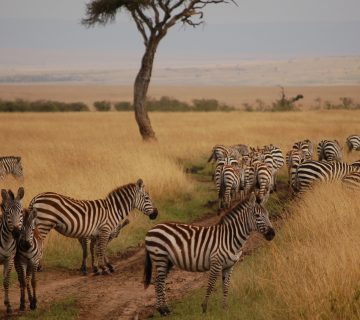
In the Serengeti, carefully composed ground-level photographs can capture wildlife against expansive grassland backgrounds.
Good photography depends on planning, patience and understanding natural light rather than relying entirely on aerial equipment.
13. Questions to Ask Before Flying a Drone
Before any proposed drone operation, consider the following questions:
- Do I have written permission to fly here?
- Does my approval cover this particular location?
- Could the drone disturb wildlife?
- Are nesting or breeding animals nearby?
- Could other visitors be affected?
- Am I respecting local community privacy?
- What happens if the drone crashes?
- Is a ground-based photograph a safer alternative?
If you cannot answer these questions confidently, avoid launching the drone.
Wildlife Comes Before Photography
Drone photography ethics at wildlife sites require careful consideration of animal welfare, visitor safety, privacy and conservation regulations.
Although aerial cameras can capture remarkable African landscapes, their use should never disturb wildlife or interfere with protected-area management.
When visiting Uganda, Kenya, Tanzania or Rwanda, check the relevant permissions and respect instructions from park authorities.
For most ordinary safari travellers, ground-based wildlife photography remains the simpler and more responsible option.
A memorable wildlife photograph should never come at the expense of the animal being photographed.


No comment