
What to Do With a Day in Nairobi Before or After Your Safari
Nairobi is more than a gateway to Kenya’s famous national parks. It is a lively capital where wildlife conservation, modern city life, Kenyan history, traditional crafts, and excellent food come together. For travellers arriving before a safari or returning from the bush before an international flight, spending a day in Nairobi can add a valuable experience to the journey.
You do not need a full week to appreciate the city. With a carefully planned route, one day can include a morning game drive, an encounter with giraffes, a visit to a cultural attraction, or a meal featuring Kenyan cuisine. You can also explore museums, shop for locally made crafts, or enjoy a quiet afternoon in one of Nairobi’s green spaces.
The main challenge is time management. Nairobi traffic can be unpredictable, and attractions are spread across different neighbourhoods. A plan that looks simple on a map may involve long transfers, particularly during busy commuting periods. The best approach is to select two or three experiences that complement each other and leave enough time to return to your hotel, safari lodge, or airport.
Whether you are visiting Kenya for the first time or returning after a memorable wildlife adventure, this guide explains how to make the most of one day in Nairobi.
Why Spend a Day in Nairobi Before or After a Safari?
Many safari travellers treat Nairobi as a place to sleep before heading to the Maasai Mara, Amboseli, Samburu, or another wildlife destination. While these parks deserve plenty of attention, the capital offers experiences that are different from those found in the countryside.
Nairobi National Park is the city’s most distinctive attraction. It offers the opportunity to see free-ranging wildlife in a protected area with the urban skyline visible beyond the plains. Few major capitals offer such a combination of wildlife and city scenery.
The city also provides access to important conservation initiatives, including the Giraffe Centre and the David Sheldrick Wildlife Trust’s elephant nursery, subject to their visitor arrangements. Travellers can learn about wildlife protection before entering Kenya’s national parks or gain a deeper understanding of conservation after their safari.
Beyond wildlife, Nairobi has museums, historic sites, craft markets, restaurants, shopping centres, and cultural venues. These attractions help visitors understand Kenya as a country with diverse communities, changing urban lifestyles, rich artistic traditions, and a complex history.
A day in Nairobi can also be practical. If your safari ends the day before an international departure, staying in the city gives you time to rest, organise your luggage, buy souvenirs, and enjoy a final Kenyan meal without rushing directly from a remote park to the airport.
Start Early With a Safari in Nairobi National Park
Nairobi National Park is one of the best choices for travellers who want a wildlife experience without leaving the city. The park lies close to Nairobi’s urban areas and protects a mixture of open grassland, wooded areas, wetlands, and other habitats.
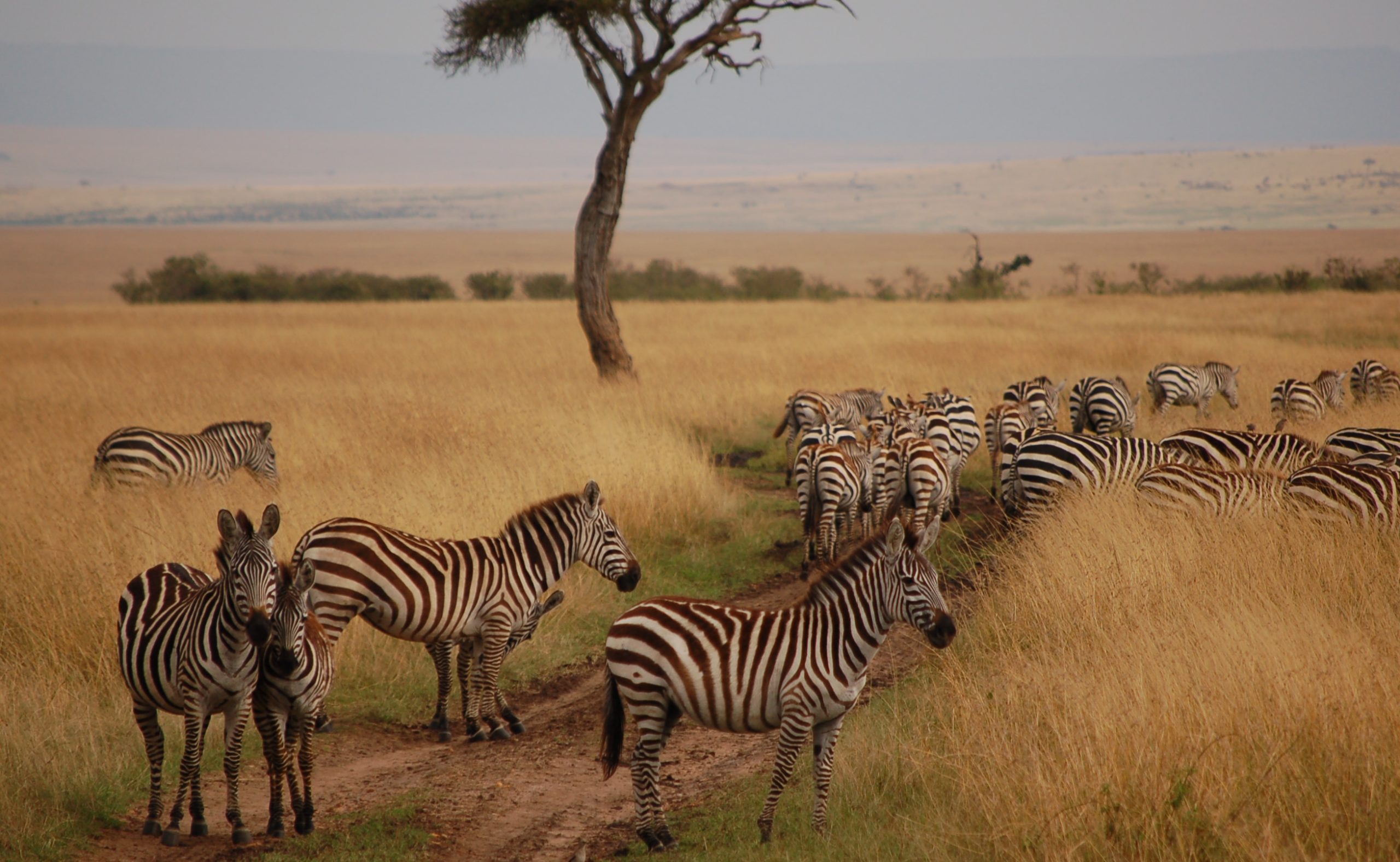
A morning game drive is an excellent way to begin your day. Early hours often provide comfortable temperatures and useful wildlife-viewing conditions. Animals move through the landscape at their own pace, so sightings vary, but visitors may encounter giraffes, zebras, buffaloes, antelopes, rhinos, and, with luck, lions or other predators.
The contrast between wildlife and the city skyline makes the park especially interesting for photography. You can capture images of animals in their natural habitat while modern buildings appear in the distance. The experience also demonstrates the challenges of protecting wildlife near a rapidly expanding city.
Allow approximately four to five hours for a typical half-day game drive, including entry and driving time within the park. A private safari vehicle can provide flexibility, while a shared tour may suit travellers who want to manage costs. Confirm what the price includes, including park entry, transport, guide services, and any additional fees.
Do not expect to see every major species during one visit. Nairobi National Park is a real ecosystem, not a wildlife exhibition. Animal sightings depend on location, season, weather, and luck.
If wildlife is your main priority, make the park your first activity rather than trying to fit it in after a long city tour. After the game drive, you can choose one nearby attraction or head to lunch before continuing your day.
Visit the Giraffe Centre for a Conservation Experience
The Giraffe Centre in the Lang’ata area is one of Nairobi’s best-known wildlife attractions. It introduces visitors to the conservation of the endangered Rothschild’s giraffe and offers an opportunity to observe these animals at close range under the centre’s visitor guidelines.
The experience is suitable for couples, families, and travellers who want a wildlife activity that does not require a full-day safari. Visitors can learn about giraffe conservation, observe their behaviour, and use the designated viewing areas to take photographs.
Allow around one to two hours, depending on visitor numbers and how much time you spend learning about the centre’s work. Check current opening arrangements before your visit, especially if you are travelling during a busy holiday period.
The Giraffe Centre is located in the southern part of Nairobi, so it works particularly well with other attractions in the Karen and Lang’ata areas. You can combine it with the Karen Blixen Museum, a local craft stop, or lunch nearby without repeatedly crossing the city.
If you have already visited several national parks, this stop can still be worthwhile because it focuses on a particular conservation story rather than offering another conventional game drive.
Learn About Elephant Conservation at the David Sheldrick Wildlife Trust
The David Sheldrick Wildlife Trust is widely known for its work with orphaned elephants and other wildlife conservation projects. Its elephant nursery has become one of Nairobi’s most popular visitor experiences.
Visitors may learn about the rescue and care of young elephants, the challenges they face after losing their mothers, and the long-term work involved in rehabilitation. The experience can be particularly moving for travellers who have seen elephants in the wild and want to understand more about the threats they face.
Public access is subject to specific arrangements, and the visitor session has traditionally operated during a limited daily window with advance booking requirements. Confirm the current visiting schedule, admission conditions, and booking instructions directly with the Trust before building your itinerary around it.
Because the visit has a fixed time, it requires more planning than attractions where you can arrive throughout the day. Avoid booking a game drive or another activity that might cause you to miss the session.
If you are spending only one day in Nairobi, the elephant nursery can be paired with the Giraffe Centre and other attractions in the same general area, provided the timings work. However, do not attempt to combine every conservation attraction with a long game drive unless your transport schedule genuinely allows it.
The value of the visit lies in learning about animal welfare and conservation, not simply taking photographs. Follow the staff’s instructions, respect restricted areas, and avoid disturbing the animals.
Explore the Karen Blixen Museum
Travellers interested in literature, history, and Kenya’s colonial past may enjoy the Karen Blixen Museum. The museum occupies the former home of Danish author Karen Blixen, whose experiences in Kenya were associated with her memoir Out of Africa.
The house and grounds provide a window into a particular period of Kenyan history. A visit can help travellers understand the historical setting behind Blixen’s writing, the former coffee-farming landscape, and the social conditions of the era.
Allow approximately one to two hours, depending on the guided tour and how much time you spend exploring the grounds. The museum is located in the Karen area, making it convenient to combine with the Giraffe Centre or a meal nearby.
The museum is not a substitute for a broader account of Kenyan history. Visitors should approach the site as one perspective on the country’s past and consider how colonial farming, land ownership, and social relationships affected Kenyan communities.
For travellers arriving before a safari, the museum offers a calmer alternative to a busy city tour. After a morning game drive, it can provide a change of pace, especially if you want to combine wildlife with culture.
Discover Kenyan History at the Nairobi National Museum
The National Museum of Kenya is a strong option for travellers who want to understand the country beyond its wildlife. The museum presents material related to Kenya’s natural history, cultural diversity, archaeology, and heritage.
Visitors can learn about the country’s ecosystems, the development of human societies, and the cultural traditions of different communities. The museum is particularly useful for people who have limited time in Kenya but want context for the landscapes and communities they will encounter during their safari.
Allow around two to three hours for a comfortable visit, although the time required depends on your interests and the exhibitions available. It can be a good choice during wet weather because much of the experience takes place indoors.
The museum also works well for travellers who are not particularly interested in another wildlife attraction. If your safari has already included several days of game drives, spending part of your final day learning about Kenyan history and culture can add variety to the holiday.
Check opening arrangements and current exhibition information before setting out. If you are staying in the city centre or Westlands, the museum may fit more naturally into your route than attractions farther south.
Experience Kenyan Culture at Bomas of Kenya
Bomas of Kenya offers an introduction to the country’s cultural diversity through traditional architecture, music, dance, and performances representing different communities.
For travellers who want to learn about Kenyan cultural traditions, a visit can provide a useful starting point. Music and dance performances may demonstrate different rhythms, costumes, instruments, and movement styles. The traditional homesteads and cultural displays also offer insight into the variety of building styles and domestic arrangements found across the country.
The experience is best approached with curiosity rather than as a complete representation of every Kenyan community. Kenya has many ethnic and linguistic groups, and cultural traditions vary within and between regions.
Allow enough time for the scheduled performance and any additional exhibits you want to explore. Confirm the current performance timetable before travelling because show times may determine whether the attraction fits into your day.
Bomas can work well for visitors who prefer a cultural activity to another wildlife encounter. It may also be suitable for families, although the ideal duration depends on the programme and children’s interests.
If you plan to visit Bomas after a morning safari, ensure that you have enough time for lunch and the transfer between locations. A tightly packed schedule can reduce the value of both experiences.
Shop for Local Crafts and Souvenirs
A day in Nairobi provides a good opportunity to purchase souvenirs before leaving Kenya. The city has craft centres, markets, galleries, and shops selling textiles, beadwork, carvings, jewellery, paintings, and other locally made products.
The Maasai Market is well known among visitors for colourful handicrafts, although its location and operating day can vary. Confirm where it is operating before making a special trip. Other craft shops and artisan centres may provide a more predictable shopping experience.
When buying souvenirs, take time to examine the quality of the item and ask about the materials used. Handmade products may vary in finish, and prices can depend on the time required to make them, the materials, and the seller’s costs.
Bargaining may be customary in some markets, but it should remain respectful. Agree on a price before completing the purchase, and carry small amounts of Kenyan shillings for transactions where card payments are not accepted.
Travellers should avoid buying products made from protected wildlife, ivory, tortoiseshell, or other restricted materials. Such purchases may violate conservation laws or international wildlife-trade rules. If you are uncertain about an item’s origin or legality, do not buy it.
Shopping can also support artisans and small businesses when you purchase directly from reputable makers. If you want to support a particular community or craft tradition, ask sellers about the product’s origin rather than assuming every item sold in a market was made locally.
Enjoy a Kenyan Lunch in Nairobi
Food is an important part of experiencing Nairobi. The city offers traditional Kenyan meals, regional East African dishes, international restaurants, cafés, and modern dining venues.
For a local meal, consider nyama choma, a popular style of grilled meat often served with vegetables, ugali, or other accompaniments. Ugali is a firm maize-based staple that is commonly eaten with meat, fish, or vegetables. Sukuma wiki, a leafy vegetable dish, is another familiar part of Kenyan meals.
You may also find githeri, a dish traditionally made with maize and beans, as well as chapati, stews, rice dishes, and various snacks. Menus differ by restaurant, so ask what is available rather than expecting every establishment to serve the same dishes.
If you are travelling with children or have dietary restrictions, choose a restaurant that can clearly explain its ingredients and preparation methods. Vegetarians can usually find vegetable dishes, beans, lentils, rice, and other suitable meals, but it is worth confirming whether sauces or broths contain meat.
For a day focused on wildlife and conservation, the Karen area offers convenient lunch options near several attractions. If you are exploring the National Museum or the city centre, choose a restaurant closer to your next stop to reduce travel time.
Avoid scheduling a long lunch far from your planned afternoon activity. Nairobi traffic can turn a short journey into a significant delay, particularly during peak hours.
Take a Walk in Karura Forest or the Nairobi Arboretum
Travellers who want a quieter experience can explore one of Nairobi’s green spaces. Karura Forest and the Nairobi Arboretum provide opportunities for walking, observing birds, enjoying fresh air, and taking a break from the city’s busy streets.
Karura Forest offers established trails and a range of natural features, while the Nairobi Arboretum provides a more central green space with tree collections and walking paths. Both can be appealing after several days of early safari starts and long drives.
Choose the location that best fits your accommodation and other activities. Karura may suit travellers staying in the northern part of the city, while the Arboretum can be more convenient for visitors based around central Nairobi or nearby neighbourhoods.
Allow one to three hours depending on the walk you choose. Wear comfortable shoes, carry drinking water, and follow posted guidance about trails, opening times, and safety.
These green spaces are particularly useful for travellers who have already experienced enough wildlife viewing and want a gentle outdoor activity. They also provide a good alternative when you do not want to spend the entire day moving between ticketed attractions.
If you plan to walk alone, follow local safety advice, stay on permitted trails, and avoid carrying unnecessary valuables. Use an established transport provider when travelling to and from the entrance.
What Does a Realistic One-Day Nairobi Itinerary Look Like?
The best itinerary depends on whether wildlife, culture, or city life is your priority. Rather than trying to visit every attraction, choose a route that groups nearby places together.
Option One: Wildlife and Conservation
Start early with a game drive in Nairobi National Park. After the safari, visit the David Sheldrick Wildlife Trust if your booking and timing allow. Continue to the Giraffe Centre or have lunch in the Karen area before returning to your hotel.
This itinerary is best for travellers who want to experience Nairobi’s wildlife identity. It requires advance planning because the game drive and elephant nursery have different timing requirements. If the schedule feels too tight, choose the park and one conservation attraction rather than all three.
Option Two: Culture, History and Crafts
Begin at the National Museum of Kenya, where you can explore natural history and cultural exhibitions. Enjoy lunch nearby, then visit a craft centre or market before spending the late afternoon at a café or restaurant.
This route suits travellers who prefer history, shopping, and local culture over a second safari experience. It is also a useful option during wet weather, although outdoor shopping and transport may still be affected by rain.
Option Three: Karen and Lang’ata
Spend the morning at the Giraffe Centre, then visit the Karen Blixen Museum or a local artisan centre. Have lunch in the Karen area and use the afternoon for a relaxed coffee stop or another nearby activity.
This is one of the more manageable options because several attractions are located in the same general part of the city. It works particularly well for couples, families, and visitors who want a combination of wildlife, history, and shopping without travelling across Nairobi repeatedly.
Option Four: A Relaxed City Day
If you have arrived after a long international flight or returned from a demanding safari, do not feel obliged to start at dawn. Enjoy a leisurely breakfast, visit the Nairobi Arboretum or a museum, have lunch, and spend the afternoon shopping or relaxing at your hotel.
This option may be the best choice if you have an evening flight the following day and want to recover before travelling home. A relaxed itinerary can be more rewarding than filling every hour with sightseeing.
Where Should You Stay for a One-Day Visit?
Your accommodation should match your next journey. If you are departing for a safari from Wilson Airport or meeting a tour operator early the following morning, ask where the pickup will take place before selecting a hotel. If your international flight leaves from Jomo Kenyatta International Airport, consider your departure time and the road journey required to reach the terminal.
Travellers who want access to restaurants, shopping, and museums may prefer accommodation in or around central Nairobi or Westlands. Visitors focusing on the Giraffe Centre, Karen Blixen Museum, and other southern attractions may find accommodation in Karen or Lang’ata convenient.
Budget hotels and guesthouses can be suitable for travellers who prioritise a clean room, secure luggage storage, and reliable transport. Mid-range properties may offer more facilities, while higher-end hotels can provide additional comfort and help arrange transfers.
Before booking, confirm whether airport transfers are included, whether early check-in or late check-out is available, and whether the property can store your luggage while you explore the city. If your safari operator collects guests from a specific hotel, make sure your chosen accommodation fits the pickup plan.
How to Get Around Nairobi in One Day
Nairobi’s traffic is one of the most important factors in planning a short visit. A destination that appears close on a map may take considerably longer to reach during busy periods.
A private driver is useful when you have several scheduled attractions, especially if you are travelling with luggage or have an international departure later in the day. A reputable taxi or ride-hailing service may be suitable for individual trips, depending on availability and the route.
Public transport can be economical, but travellers with only one day should consider the time needed to understand routes, make transfers, and reach attractions. If you are unfamiliar with the city, prearranged transport may reduce stress.
Ask whether your safari package includes a Nairobi city tour or transfer services. Some operators can combine a morning game drive with selected city attractions, but you should confirm whether park fees, entrance fees, vehicle charges, and guide services are included.
Avoid planning a long cross-city journey immediately before a flight. Always leave a generous buffer for traffic, airport procedures, and airline check-in requirements. The final schedule should follow your airline’s instructions, not an optimistic estimate of how long the drive might take.
How Much Money Do You Need for a Day in Nairobi?
The cost of your day depends on your chosen attractions, transport, meals, and accommodation. A traveller who visits one museum and eats at a local restaurant will spend less than someone booking a private game drive, several paid conservation experiences, and an upscale lunch.
Park entry, conservation visits, museum tickets, and guided tours may have separate charges. Confirm current rates and any booking requirements before travelling. Some activities require advance reservations, and the advertised price may not include transport or other fees.
Transport can be a significant expense if you move between several distant locations. Grouping attractions by neighbourhood can reduce both cost and wasted time. If you are travelling with friends or family, sharing a vehicle may make a private day tour more economical per person.
Food budgets vary widely. Local restaurants and casual eateries generally provide lower-cost choices than premium dining venues. You can experience Kenyan cuisine without choosing an expensive restaurant, although the final cost depends on the dishes and drinks you order.
Remember to account for tips where appropriate, small purchases, bottled water, and souvenirs. If your safari package includes accommodation or transfers, confirm which services are already covered to avoid paying twice.
Practical Tips for Visiting Nairobi Before or After a Safari
Book essential activities before arrival, especially those with restricted visitor times or limited capacity. The elephant nursery is a good example of an experience that should not be treated as a walk-in stop without checking the current arrangements.
Check the weather forecast and pack clothing suited to the day’s activities. Comfortable walking shoes, sunscreen, a light jacket, and drinking water are useful for outdoor sightseeing. If you are going on a game drive, follow your operator’s advice about suitable clothing and camera equipment.
Keep your passport, phone, wallet, and travel documents secure. Carry only the valuables you need, and ask your hotel or guide about local safety recommendations. Use reputable transport providers and agree on fares before travelling where prices are not fixed.
Respect wildlife and conservation rules. Do not feed animals, cross barriers, or attempt to touch wildlife outside authorised interactions. Follow instructions from rangers and staff, and treat local communities and cultural sites respectfully.
If you are arriving from a long flight, allow time to rest. Jet lag, tiredness, and dehydration can affect your enjoyment of the day. You do not need to begin sightseeing immediately after landing to make the visit worthwhile.
Most importantly, keep your itinerary flexible. If traffic is heavier than expected or an attraction takes longer than planned, skip an optional stop rather than rushing through the rest of the day.
Should You Visit Nairobi Before or After Your Safari?
Both options work well, but the best choice depends on your flight schedule and the type of safari you have booked.
Visiting Nairobi before your safari can help you adjust to the local time zone, recover from a long journey, and learn about Kenya’s wildlife and culture before travelling to the parks. It can also reduce the risk of trying to connect an international arrival directly with a demanding road transfer.
Visiting after your safari allows you to relax, buy souvenirs, enjoy a final Kenyan meal, and reflect on the wildlife experiences you have had. It may also provide a useful buffer before your international flight, particularly if your safari finishes far from Nairobi.
If you are arriving late at night or departing early the following morning, prioritise rest and airport logistics. A short visit should never jeopardise your onward flight or the start of your safari.
Making One Day in Nairobi Count
One day in Nairobi can provide a rewarding combination of wildlife, conservation, culture, and city life. A morning game drive in Nairobi National Park offers an unusual wildlife experience, while the Giraffe Centre and elephant conservation programmes reveal different sides of Kenya’s conservation work. Museums, historic homes, craft centres, and local restaurants provide a deeper understanding of the country beyond its national parks.
The most effective itinerary is built around your interests and the time available. Choose one main experience, add one or two nearby attractions, and leave enough time for meals, traffic, and your next journey. If you are tired after a safari or international flight, a slower day can be just as valuable as a packed sightseeing schedule.
Nairobi deserves more than a rushed transfer between the airport and the wilderness. Even with only a few hours, thoughtful planning can turn a travel day into a meaningful part of your Kenya holiday.




No comment