
Lake Nakuru vs Lake Naivasha: Which Rift Valley Lake Suits You?
Kenya’s Great Rift Valley is home to some of East Africa’s most scenic landscapes, including freshwater lakes, alkaline lakes, dramatic escarpments, volcanic hills and wildlife-rich wetlands. Among its most popular destinations are Lake Nakuru and Lake Naivasha. Although these two lakes lie relatively close to each other, they offer different experiences for visitors planning a holiday in Kenya.
Lake Nakuru is best known for its protected wildlife, rhinos, Rothschild’s giraffes, seasonal flamingo gatherings and traditional game drives. Lake Naivasha offers a more relaxed lakeside experience, with boat trips, hippos, African fish eagles, walking safaris and access to the adventurous landscapes of Hell’s Gate National Park.
Choosing between the two depends on your interests, available time, budget and preferred activities. Some travellers want to spend their days tracking wildlife from a safari vehicle, while others prefer exploring the lake by boat, walking through a wildlife sanctuary or cycling beneath towering cliffs. Both destinations can deliver memorable experiences, but each suits a different style of travel.
Understanding the Difference Between Lake Nakuru and Lake Naivasha
Lake Nakuru is an alkaline lake situated within Lake Nakuru National Park, a protected area managed by the Kenya Wildlife Service. The park includes grasslands, acacia woodland, rocky viewpoints and lakeshore habitats that support a variety of wildlife. Visitors generally explore the area through guided or self-driven game drives, following designated roads in search of animals.
Lake Naivasha is a freshwater lake surrounded by papyrus beds, farms, woodland, private conservancies and accommodation establishments. It is not enclosed within a single national park. Visitors can arrange boat rides, birdwatching excursions and guided walks in designated wildlife areas. The nearby Hell’s Gate National Park adds opportunities for hiking, cycling and exploring striking geological formations.
The difference in water chemistry also influences their environments. Lake Nakuru’s alkaline waters support aquatic organisms that attract flamingos when conditions are suitable. Lake Naivasha’s freshwater environment supports a different mixture of fish, aquatic vegetation and waterbirds.
For visitors, the main distinction is straightforward. Nakuru focuses on wildlife viewing within a national park, while Naivasha combines lakeside scenery with several outdoor activities.
Wildlife Viewing at Lake Nakuru
Lake Nakuru National Park is a strong choice for travellers who want to see large mammals in a relatively compact protected area. Its rhino sanctuary is one of its most important attractions, providing habitat for both black and white rhinos.
Rhinos are often a major reason visitors choose Nakuru over Naivasha. Although sightings are never guaranteed, the park offers worthwhile opportunities to observe these animals during game drives. Black rhinos tend to favour areas with thicker vegetation, while white rhinos are frequently associated with more open grassland habitats.
The park also protects Rothschild’s giraffes, a threatened giraffe subspecies known for its pale lower legs. Seeing these giraffes feeding among acacia trees can be a memorable part of a visit, particularly for photographers interested in wildlife portraits.
Lions and leopards also inhabit the park. Lions may be spotted resting in the grass or moving through open areas, while leopards are more elusive and often remain concealed in woodland. Buffaloes, zebras, waterbucks, baboons and other mammals add to the variety of wildlife encountered along the park’s roads.
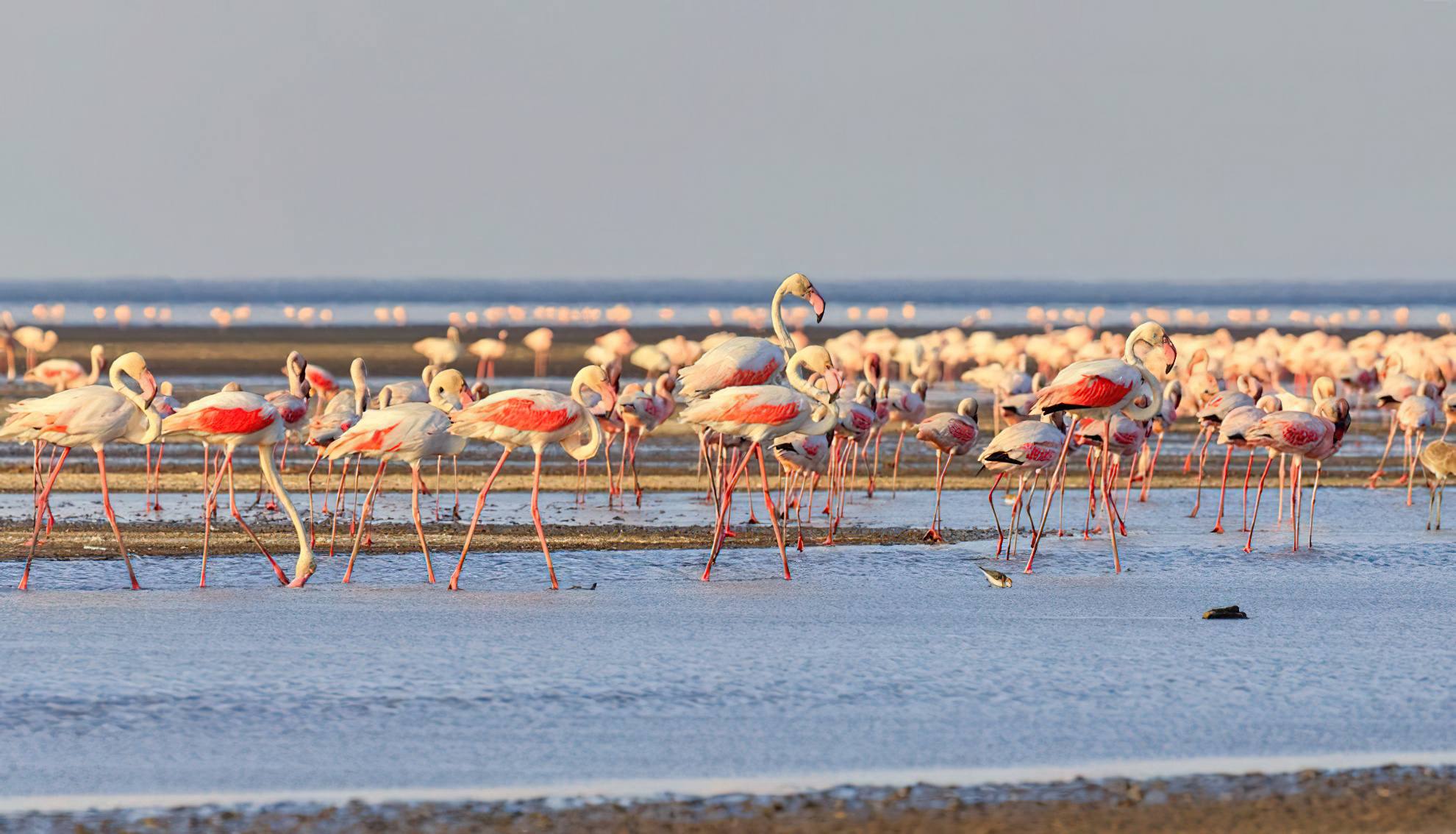
Birdlife is another important attraction. Lake Nakuru has a long association with flamingos, whose numbers can change considerably according to water levels, food availability and other ecological conditions. Visitors should avoid assuming that the shoreline will always be covered with pink birds. When conditions are favourable, however, flamingos can create an impressive spectacle.
The park also supports pelicans, herons, cormorants, eagles and numerous other bird species. This makes Nakuru appealing to birdwatchers who want to combine waterbirds with opportunities to see larger wildlife.
If your main objective is to photograph rhinos, search for lions or enjoy a traditional game drive, Lake Nakuru is generally the stronger choice.
Wildlife Viewing at Lake Naivasha
Lake Naivasha offers a different wildlife experience. Rather than concentrating on a conventional game drive, visitors often explore the water and surrounding habitats by boat, on foot or through activities organised by nearby conservancies.
Hippos are among the lake’s best-known animals. They spend much of the day in the water and may emerge to graze after dark. Boat trips can provide excellent opportunities to observe them from a safe distance, although operators must follow appropriate safety practices because hippos can be dangerous.
African fish eagles are another major attraction. These powerful birds frequently perch near the shoreline, watch for fish and call across the water. Their hunting behaviour can provide excellent photographic opportunities, particularly during morning excursions.
Other birds include pelicans, kingfishers, herons, cormorants and various waterbirds. The vegetation along the shore also provides habitat for species that appeal to birdwatchers interested in freshwater ecosystems.
On land, visitors can encounter giraffes, zebras, antelopes and other wildlife in designated areas around the lake. Crescent Island is particularly popular for guided walking safaris, where visitors can walk among free-roaming herbivores in an area without the usual presence of large predators. Conditions and access arrangements should be confirmed before visiting.
Lake Naivasha is also a useful destination for travellers who want to spend time outdoors without sitting in a vehicle for most of the day. Its combination of boating, birdwatching and walking activities makes it suitable for couples, families and visitors seeking a varied itinerary.
However, Lake Naivasha should not be treated as a substitute for a major national park if your priority is seeing rhinos or a broad range of large predators. Its strengths lie in freshwater wildlife, scenery and activity-based exploration.
Boat Safaris or Traditional Game Drives?
The type of wildlife experience you prefer may determine which lake suits you best.
At Lake Nakuru, the main activity is the game drive. You travel through the national park in a vehicle while a guide helps locate animals, explains their behaviour and identifies interesting features of the landscape. The vehicle provides access to different habitats, allowing you to search for rhinos, giraffes, buffaloes, lions and other wildlife during a single outing.
Game drives are particularly useful for travellers who want to cover more ground and photograph mammals from different angles. Early morning and late afternoon are often productive periods because wildlife may be more active during cooler conditions.
Lake Naivasha offers the opportunity to see wildlife from the water. A typical boat trip follows sections of the shoreline, passing aquatic vegetation and areas where hippos gather. Guides may point out fish eagles, pelicans and other birds while explaining the lake’s ecology.
The experience is generally quieter and more focused on the relationship between wildlife and the freshwater environment. It also gives photographers a different perspective, with reflections, birds in flight and distant hills forming part of the scenery.
Boat trips are subject to weather, water conditions and operator arrangements. Visitors should follow the guide’s instructions, maintain a safe distance from hippos and avoid attempting to approach or feed wildlife.
If you enjoy searching for large mammals across open terrain, choose Nakuru. If you prefer observing birds and hippos from the water, Naivasha is likely to suit you better.
Scenery and Photography Opportunities
Both lakes offer attractive landscapes, but the photographic opportunities differ.
Lake Nakuru combines open grassland, woodland, rocky ridges and the changing colours of the lake. Baboon Cliff and other designated viewpoints provide broad views across the park and surrounding Rift Valley scenery. These locations can be particularly rewarding for landscape photography.
Wildlife photography is another major reason to visit Nakuru. Rhinos grazing in open areas, giraffes moving between trees and buffaloes gathering near the water can produce strong images. Flamingos may also provide excellent opportunities when substantial flocks are present.
Lake Naivasha is especially appealing for photographs that combine water, birds and vegetation. Early morning light can create attractive reflections across the lake, while fish eagles and pelicans offer opportunities for bird photography. Hippos emerging from the water can also make striking subjects when observed safely.
The surrounding landscape includes green vegetation, lakeside gardens, distant hills and dramatic cliffs in nearby Hell’s Gate National Park. This variety gives photographers more options beyond wildlife portraits.
For travellers who prefer broad landscape views and traditional safari photography, Nakuru has the advantage. For bird photography, water reflections and outdoor adventure scenes, Naivasha offers a wider range of settings.
Activities Beyond Wildlife Viewing
Lake Naivasha has a clear advantage for visitors who want several activities within the same destination.
Boat rides are among the most popular experiences, but they can be combined with guided walks at Crescent Island, birdwatching and visits to nearby attractions. Depending on your interests and travel arrangements, you can also explore local farms, relax at a lakeside lodge or visit Hell’s Gate National Park.
Hell’s Gate is particularly attractive to active travellers. The park is known for its cliffs, gorges, geothermal features and open landscapes. Visitors can explore designated routes on foot or by bicycle, subject to park rules, safety advice and current access conditions. Wildlife may be seen along the way, although sightings vary.
The combination of cycling or hiking with a boat excursion makes Naivasha suitable for travellers who want a more physically active holiday. Families travelling with older children and teenagers may also appreciate the variety.
Lake Nakuru has fewer activity options outside the national park experience. Most visitors spend their time on game drives, birdwatching, photography and visits to designated viewpoints. The park’s landscape provides plenty to explore, but activities are more closely tied to wildlife observation.
This difference matters when planning a multi-day holiday. If you have already spent several days on game drives elsewhere in Kenya, Naivasha can add a welcome change of pace. If you have limited time and still want to see rhinos and other large mammals, Nakuru may offer greater value for your interests.
Which Lake Is Better for Families?
Both destinations can work well for families, but the best choice depends on the ages of the children and the activities they enjoy.
Lake Naivasha is often attractive to families because a boat trip introduces children to hippos and waterbirds without requiring a full day in a safari vehicle. Walking experiences in designated wildlife areas can add variety, while Hell’s Gate offers opportunities for older children who enjoy hiking and cycling.
Parents should confirm age restrictions, life-jacket arrangements and safety procedures before booking boat excursions. Children must remain under close supervision near the water and during wildlife encounters.
Lake Nakuru is a good option for families interested in wildlife education. Children can learn about rhino conservation, giraffe ecology and the importance of protected habitats. Game drives also allow families to observe several species during one outing.
However, children may need to remain in the vehicle for extended periods, depending on wildlife movements and the route taken. Families should plan rest breaks where permitted and carry drinking water, snacks and suitable clothing.
For younger children or families seeking a shorter outdoor excursion, Naivasha may be easier to adapt. For children who are enthusiastic about rhinos and classic wildlife safaris, Nakuru can be more rewarding.
Accommodation at Lake Nakuru and Lake Naivasha
Both destinations offer accommodation for different budgets, although their settings and surrounding environments differ.
Around Lake Nakuru, visitors can choose from lodges within or near the national park, safari camps and hotels in Nakuru town. Staying inside or close to the park can reduce the time needed to reach game-drive routes. This is particularly useful if you want to start early or spend a full day searching for wildlife.
Some lodges offer views of the park or surrounding landscapes, while town-based accommodation may appeal to travellers looking for practical facilities and access to other services.
Lake Naivasha has a broad selection of lakeside lodges, resorts, cottages, tented camps and smaller guesthouses. Some properties have gardens and views of the water, while others sit farther inland among farmland and woodland.
A lakeside property can make it easier to arrange morning boat trips and enjoy the scenery without travelling far. Some establishments also provide restaurants, swimming pools and recreational facilities, making them suitable for travellers who want time to relax between activities.
Prices at both destinations vary according to season, room category, meal arrangements and the level of service. Before booking, check whether park fees, boat rides, guided walks, transfers and meals are included in the quoted rate.
If you want a stay centred on game drives, consider accommodation near Lake Nakuru National Park. If you prefer a relaxed lakeside setting with several activities nearby, Naivasha may be the better fit.
Comparing Travel Time and Accessibility
Both lakes are accessible by road from Nairobi, making them practical additions to a Kenya holiday.
Lake Naivasha is generally the closer destination, with the journey often taking around two hours in reasonable traffic. Lake Nakuru usually requires roughly three hours or more, depending on your starting point, traffic, road conditions and stops along the way.
These are planning estimates rather than guaranteed journey times. Congestion around Nairobi, weather and delays on the highway can affect the schedule.
The drive into the Rift Valley is itself an attraction. Visitors can stop at suitable viewpoints to appreciate the escarpment and surrounding landscape, provided the stop is safe and permitted.
Naivasha is often convenient for a short break from Nairobi, including a weekend trip. Nakuru may benefit from a longer stay, particularly if you want enough time for morning and afternoon game drives.
The two destinations can also fit into a longer road itinerary. Travellers heading towards the Maasai Mara may include one or both lakes, depending on their schedule. Visiting both allows you to experience different environments without adding an entirely separate region to the trip.
Costs and Budget Considerations
The overall cost of visiting either lake depends on accommodation, transport, entry fees and planned activities.
Lake Nakuru National Park has a formal park entry fee. Visitors should check the current Kenya Wildlife Service rates for their residency category and travel date before finalising a budget. Vehicle charges, accommodation and guiding arrangements may add to the total cost.
The advantage is that the main activity is relatively straightforward to plan. Once you have arranged entry and transport, you can spend much of the day exploring the park on game drives.
Lake Naivasha offers more flexibility because the lake itself does not have a single national park entry fee covering every activity. Instead, visitors generally pay for the experiences they select, such as boat rides, entry to Crescent Island or access to Hell’s Gate National Park.
This can make a simple visit affordable, particularly if you choose one or two activities. However, costs can increase if you add several paid excursions, private transfers and premium accommodation.
Group size also affects the budget. Sharing a vehicle or boat may reduce the per-person cost, depending on the operator’s pricing structure. Families should compare the full price for their group rather than relying only on advertised individual rates.
For accurate planning, request an itemised quotation that separates accommodation, transport, park fees, activities and meals. Confirm which charges are included before making a payment.
Best Time to Visit Lake Nakuru and Lake Naivasha
Both lakes can be visited throughout the year, although weather conditions influence wildlife viewing, photography and outdoor activities.
The drier periods, commonly from June to October and January to February, often provide favourable conditions for game drives and walking excursions. Roads and trails may be easier to navigate, and visitors can generally plan outdoor activities with greater confidence. Rainfall patterns vary, so these months should not be treated as a guarantee of dry weather.
The wetter periods can bring greener landscapes and excellent birdwatching opportunities. Migratory birds are present seasonally, and the variety of species may appeal to visitors interested in observing different birds throughout the day. However, rain can affect road conditions, visibility and walking or cycling plans.
Flamingo numbers at Lake Nakuru are especially difficult to predict. They respond to changes in water levels, food availability and environmental conditions. If flamingos are the main reason for your visit, seek recent information rather than choosing a travel date based on old photographs.
Lake Naivasha’s boat trips also depend on weather and water conditions. Early morning outings can provide attractive light and productive birdwatching, although the exact timing should be arranged with a reliable local operator.
For a trip focused on rhinos and general game viewing, choose a period when road conditions are favourable and allow enough time for more than one game drive if possible. For boating, walking and cycling, check the forecast and confirm that planned activities are operating.
Can You Visit Both Lakes on One Trip?
Yes. Visiting both Lake Nakuru and Lake Naivasha is an excellent option if your schedule allows at least two or three days in the Rift Valley.
A practical itinerary can begin at Lake Naivasha, where you spend the first day enjoying a boat trip, observing hippos and birds, and exploring Crescent Island or Hell’s Gate. You can then travel towards Lake Nakuru and spend the following day on game drives.
This order works well for travellers leaving Nairobi because Naivasha is generally encountered first on the route towards Nakuru. However, the itinerary can be reversed to suit accommodation availability, onward travel and other destinations.
If you have three days, you could spend one day around Naivasha, another exploring Hell’s Gate or enjoying additional lakeside activities, and the final day on game drives in Lake Nakuru National Park. Travellers with only two days can select one main activity at Naivasha and dedicate a full day to Nakuru.
If you are continuing to the Maasai Mara, coordinate the itinerary with your driver or tour operator to avoid unnecessary backtracking and long travel days. The best arrangement depends on your arrival time in Nairobi, the location of your accommodation and your onward departure plans.
Lake Nakuru vs Lake Naivasha: Which One Should You Choose?
Choose Lake Nakuru if your priority is seeing rhinos, searching for lions and leopards, photographing Rothschild’s giraffes or enjoying a traditional national park safari. It is particularly suitable for travellers who want a concentrated wildlife experience and are comfortable spending several hours in a safari vehicle.
Choose Lake Naivasha if you want boat trips, hippos, freshwater birdlife, walking safaris and outdoor activities. It is a good option for couples, families and active travellers who enjoy combining wildlife with scenic exploration. Its proximity to Nairobi also makes it practical for a shorter escape.
Birdwatchers may find both lakes rewarding, although the species and habitats differ. Nakuru is associated with flamingos and a wide range of park birds, while Naivasha offers freshwater species and excellent opportunities to observe African fish eagles.
Photographers should choose according to their preferred subjects. Nakuru is better suited to rhino and large-mammal photography, while Naivasha offers birds, reflections, hippos and varied landscapes.
Travellers with enough time should consider visiting both. Lake Nakuru and Lake Naivasha complement each other, allowing you to experience Kenya’s Rift Valley through different landscapes, wildlife habitats and activities.
The right choice ultimately depends on what you want from your trip. If you have one day and want a classic wildlife experience, choose Lake Nakuru. If you prefer a more varied day on the water and outdoors, choose Lake Naivasha. If you can spare two or three days, combining the lakes gives you a broader experience of this remarkable part of Kenya.



No comment