
Tanzania vs Rwanda for Gorilla and Wildlife Trips
Tanzania and Rwanda offer two distinct wildlife experiences in East Africa. Tanzania is famous for its vast savannahs, large elephant herds, lions, leopards, the Great Migration and the Ngorongoro Crater. Rwanda is best known for mountain gorilla trekking in Volcanoes National Park, chimpanzee tracking in Nyungwe Forest and traditional wildlife safaris in Akagera National Park.
For travellers planning a holiday around gorillas and wildlife, the most important difference is that Rwanda offers mountain gorilla trekking, while Tanzania does not. Tanzania excels in conventional wildlife safaris, with extensive national parks and opportunities to observe large mammals across different habitats. Rwanda combines gorilla encounters with other primate experiences and a Big Five safari in a relatively compact country.
Your choice depends on which animals you most want to see, how many days you have, your budget and the type of holiday you prefer. If you want to stand in a forest with a family of mountain gorillas, Rwanda is the appropriate destination. If your priority is watching lions hunt, elephants cross the plains or wildebeest move across the Serengeti, Tanzania is the stronger choice.
Understanding the Main Difference Between Tanzania and Rwanda
Tanzania covers a large area and has an extensive network of national parks and protected wildlife areas. Its most famous safari destinations include Serengeti National Park, Ngorongoro Conservation Area, Tarangire National Park and Lake Manyara National Park. Each offers different landscapes and wildlife opportunities, making it possible to plan a multi-day safari that visits several ecosystems.
Rwanda is much smaller, which makes it practical to combine several destinations within one trip. Volcanoes National Park protects mountain gorillas and golden monkeys in the Virunga Mountains. Nyungwe National Park protects montane rainforest and supports chimpanzees and other primates. Akagera National Park provides a savannah and wetland environment where visitors can search for the Big Five.
The difference also affects travel arrangements. A Tanzania safari often involves several hours of driving between major parks, particularly when travelling overland through the northern circuit. Some itineraries use domestic flights to reach remote camps or reduce transfer times. Rwanda’s main attractions are generally easier to combine by road from Kigali, although journeys to Nyungwe and Akagera still require careful planning.
Neither country is automatically the better destination for every traveller. Tanzania suits visitors seeking extensive savannah wildlife viewing, while Rwanda is particularly attractive to those who want a gorilla encounter combined with other wildlife and cultural experiences.
Gorilla Trekking: Why Rwanda Is the Clear Choice
Mountain gorilla trekking is one of Rwanda’s defining wildlife experiences. Visitors travel to Volcanoes National Park, in the north-western part of the country, where habituated mountain gorilla families live in the forested slopes of the Virunga volcanic range.
The experience begins early in the morning with a briefing from park staff. Trekkers are assigned a gorilla group and accompanied by trained guides and trackers into the forest. The length and difficulty of the hike depend on where the gorillas have moved, the terrain and the conditions on the day.
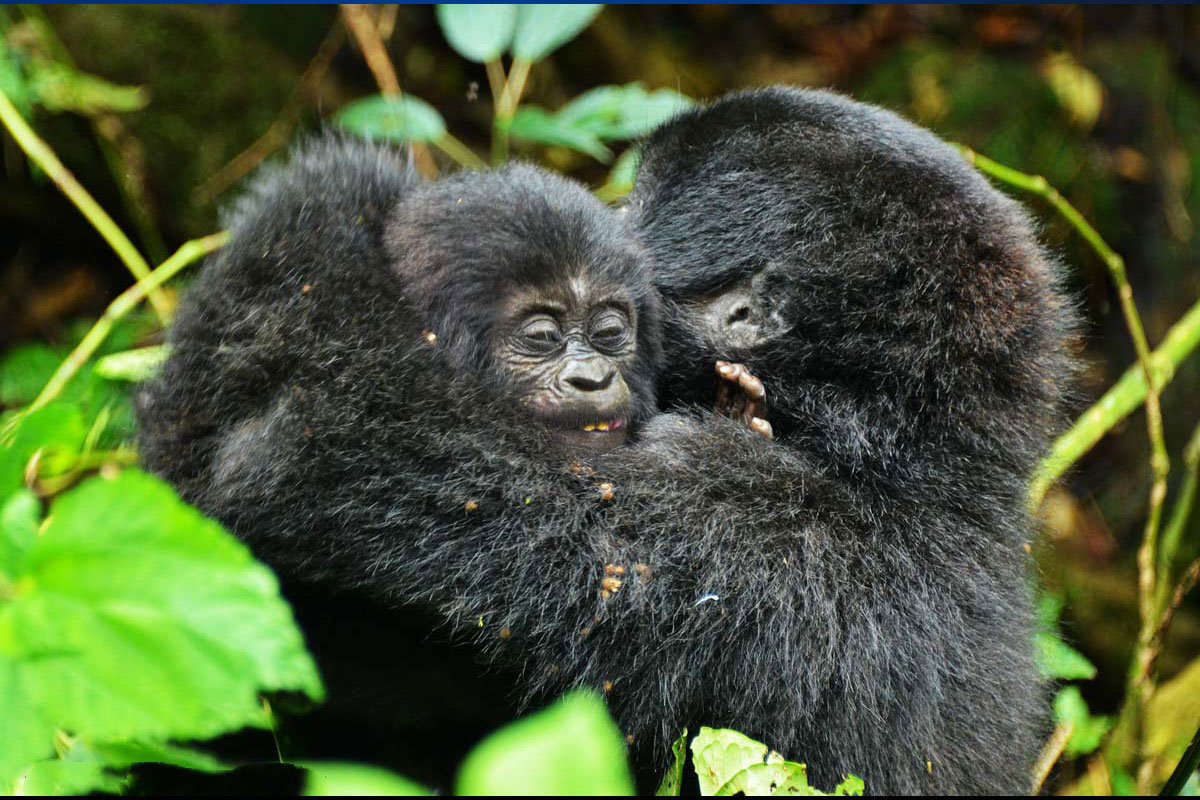
Once the group reaches the gorillas, visitors are generally permitted to spend up to one hour observing them. You may see a silverback resting, juveniles playing, mothers caring for their young or family members feeding on vegetation. The encounter takes place in the gorillas’ natural habitat, so their behaviour and movements determine what you see.
Gorilla trekking requires a permit, advance planning and respect for wildlife regulations. Rwanda’s standard international visitor permit has been priced at US$1,500 per person, but you should confirm the current rate and eligibility for any applicable discounts before booking.
Tanzania does not offer mountain gorilla trekking. Travellers who specifically want to see mountain gorillas should therefore choose Rwanda or consider Uganda, which also protects habituated mountain gorilla populations. Tanzania is more suitable for travellers whose main interests are lions, elephants, cheetahs, leopards, buffaloes and other savannah wildlife.
If gorillas are the main purpose of your holiday, build your itinerary around Rwanda first. You can then decide whether to add a traditional safari in Rwanda or extend the trip to Tanzania.
Wildlife Safaris in Tanzania
Tanzania is one of East Africa’s leading destinations for traditional wildlife safaris. Its protected areas contain large populations of herbivores and predators, dramatic landscapes and seasonal wildlife movements that make multi-day game drives rewarding.
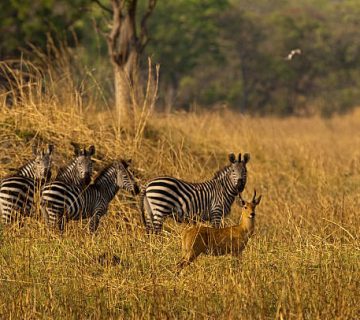
Serengeti National Park is the country’s best-known safari destination. Its open grasslands, rocky outcrops and river systems support lions, cheetahs, leopards, elephants, giraffes, zebras and many other species. The park is also central to the Great Migration, when enormous herds of wildebeest and zebras move through the wider Serengeti ecosystem in response to rainfall and grazing conditions.
The timing of the migration varies across the year. Calving often takes place in the southern Serengeti ecosystem around the early months of the year, while herds move through different areas during the subsequent seasons. River crossings can occur when migrating animals reach rivers farther north, but their timing and location are unpredictable.
Ngorongoro Conservation Area offers a different experience. The crater floor contains grasslands, wetlands and other habitats that support a high concentration of wildlife. Visitors may encounter lions, elephants, buffaloes, zebras, wildebeest, hyenas and, with luck, black rhinos during a game drive. The crater’s enclosed landscape allows travellers to see a variety of animals within a relatively concentrated area.
Tarangire National Park is particularly associated with elephants, baobab trees and seasonal concentrations of wildlife near the Tarangire River. Lake Manyara National Park offers forest, groundwater-fed habitats, lake scenery and diverse birdlife.
These parks can be combined into a northern Tanzania safari lasting several days. Travellers with more time can explore southern or western Tanzania, where parks such as Nyerere and Ruaha offer extensive wilderness areas and different safari conditions.
For visitors who want a classic African safari with multiple wildlife species, Tanzania provides a wider range of options than Rwanda’s compact national park system.
Wildlife Safaris in Rwanda
Rwanda is also a wildlife destination, although its safari experience differs from Tanzania’s in scale and style.
Akagera National Park is Rwanda’s main savannah safari destination. Its landscapes include open grassland, woodland, lakes and wetlands. Visitors can search for lions, elephants, buffaloes, leopards and rhinoceroses, alongside giraffes, zebras, antelopes, hippos and numerous bird species.
Akagera is an important option for travellers who want to combine gorilla trekking with a traditional game drive without travelling to another country. You can spend time in the Virunga forests observing gorillas, then travel to eastern Rwanda for a savannah safari.
However, Akagera is smaller than Tanzania’s major safari ecosystems. Wildlife sightings depend on the season, location, animal movements and time spent exploring the park. Visitors should not expect the same scale of plains or migratory herds found in the Serengeti.
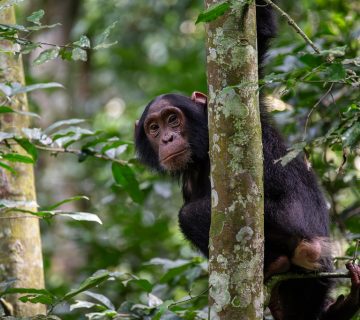
Rwanda’s other wildlife experiences focus more heavily on forests and primates. Nyungwe offers chimpanzee tracking, forest birdwatching and opportunities to learn about rainforest ecology. Golden monkey tracking in Volcanoes National Park can also complement a gorilla trek.
This variety makes Rwanda attractive to travellers who want several different wildlife experiences within a relatively short itinerary. It is especially suitable for visitors who value primates and want to combine them with a smaller savannah safari.
Gorilla Trekking and Wildlife Costs
The cost of a trip depends on the activities you choose, the accommodation standard, transport arrangements, park fees and the number of days you spend travelling.
Rwanda’s gorilla permit is a major expense for international visitors. The standard foreign visitor rate is US$1,500 per person, although different rates may apply to eligible visitor categories and promotional periods. The official booking system should be checked before budgeting. <Cite refs={[“turn539619search0”]}/>
Tanzania has no mountain gorilla permit because mountain gorilla trekking is unavailable there. Instead, visitors budget for national park entry, safari vehicles, guides, accommodation, meals and any additional activities. Serengeti and Ngorongoro visits can be costly, particularly when an itinerary includes several parks and premium lodges.
A Rwanda trip can be expensive per day when gorilla trekking is included, but a shorter itinerary may reduce the overall holiday cost. Tanzania often requires more days to explore its major safari regions, especially if you want to visit the Serengeti, Ngorongoro and Tarangire in one trip.
Your accommodation choices make a substantial difference in both countries. Budget guesthouses and camps can reduce expenses, while luxury lodges, private vehicles and domestic flights increase the total cost.
Travellers should compare complete itineraries rather than individual permit prices. A useful quotation should specify accommodation, meals, transport, park fees, trekking permits, activities and any domestic flights. This helps you compare the actual cost of each experience.
Travel Time and Accessibility
Rwanda is particularly convenient for visitors arriving through Kigali International Airport. From Kigali, the drive to Volcanoes National Park generally takes around two to three hours, depending on traffic and the exact destination. This makes it possible to arrive in Rwanda, transfer to the northern region and prepare for a gorilla trek without a long domestic journey.
A short Rwanda itinerary can include gorilla trekking, golden monkey tracking and a visit to Kigali. With additional days, you can travel to Akagera for game drives or Nyungwe for chimpanzee tracking.
Tanzania requires more careful route planning because its principal wildlife destinations are spread across a large area. Arusha is a common starting point for northern circuit safaris. Travelling between Tarangire, Ngorongoro and the Serengeti takes time, and the precise journey depends on your route and accommodation.
Domestic flights can shorten some transfers, particularly when visiting remote camps. However, they add costs and require attention to luggage restrictions and flight schedules.
For a three- or four-day wildlife holiday focused on gorillas, Rwanda is more practical. For a week or longer devoted to savannah wildlife, Tanzania offers more opportunities to explore different parks.
Which Country Is Better for Families?
Both countries can provide rewarding family holidays, but the activities available will influence your choice.
Rwanda suits families interested in gorilla conservation, forest wildlife and educational experiences. However, gorilla trekking has a minimum age of 15 years, so younger children cannot participate. Families travelling with younger children can consider Akagera’s game drives and other suitable activities instead.
Tanzania offers family-friendly wildlife experiences through guided game drives, wildlife photography and visits to several national parks. Children can learn about elephants, lions, zebras and other animals while travelling through different landscapes.
Parents should check the age requirements for specific activities, including walking safaris and any specialist wildlife excursions. Long drives can also be tiring for younger children, so a well-paced itinerary with suitable accommodation and rest time is important.
If your children are old enough for gorilla trekking and are enthusiastic about primates, Rwanda is worth considering. If the family prefers watching a wide range of savannah animals from a vehicle, Tanzania may be more suitable.
Best Time to Visit Tanzania and Rwanda
Both countries offer wildlife experiences throughout the year, but seasonal conditions affect the activities you can enjoy.
In Tanzania, the dry season, generally from June to October, is popular for wildlife viewing. Vegetation becomes less dense in many areas, and animals often gather around reliable water sources. This period is also important for travellers hoping to observe parts of the Great Migration in the northern Serengeti, although river crossings cannot be guaranteed.
January and February are often associated with wildebeest calving in the southern Serengeti ecosystem. The timing and concentration of herds depend on rainfall and grazing conditions. Travellers interested in the migration should select their camps according to the expected location of the herds rather than assuming the animals remain in one area.
Rwanda’s mountain gorillas can be visited throughout the year. The drier periods, commonly June to September and December to February, are often preferred because trails may be less muddy. However, rain is possible in the mountains at any time, and trekking conditions vary according to the terrain and the gorilla family’s location.
The wetter months can still provide rewarding gorilla encounters and excellent forest scenery. Visitors should carry waterproof clothing, suitable hiking boots and clothing that protects their arms and legs from vegetation.
For travellers combining both countries, seasonal planning should account for the migration in Tanzania and the trekking conditions in Rwanda. Your ideal travel dates will depend on whether gorillas, the Great Migration or a particular wildlife species is the main priority.
Can You Combine Tanzania and Rwanda in One Trip?
Yes. Combining Tanzania and Rwanda is an excellent option for travellers who want to experience both traditional wildlife safaris and mountain gorilla trekking.
A well-planned itinerary allows you to spend several days exploring Tanzania’s savannah parks before flying to Kigali for a gorilla trek. The trip then shifts from open plains and vehicle-based wildlife viewing to a guided hike through mountain forest.
For example, a 10-day holiday could include a northern Tanzania safari followed by a short Rwanda extension. You might spend six or seven days visiting Tarangire, Ngorongoro and the Serengeti, then use the remaining days for travel and gorilla trekking in Volcanoes National Park.
A longer trip could include additional time in Rwanda for golden monkey tracking or chimpanzee trekking in Nyungwe. Alternatively, travellers can extend their Tanzania holiday with a beach stay in Zanzibar.
International and regional flight schedules determine the most practical order. Check available connections between your chosen Tanzanian airport and Kigali before confirming accommodation or permits. Some routes may require a connection rather than a direct flight.
Gorilla permits should be secured before finalising the rest of the itinerary. This reduces the risk of arranging flights and accommodation around a trekking date that is unavailable.
Tanzania vs Rwanda: Which One Should You Choose?
Choose Rwanda if mountain gorilla trekking is your main objective. Volcanoes National Park provides the opportunity to observe habituated mountain gorilla families, while Nyungwe and Akagera add chimpanzee tracking and savannah wildlife to the itinerary.
Choose Tanzania if you want a classic safari with large herds, predators, varied landscapes and the possibility of following the Great Migration. Serengeti, Ngorongoro and Tarangire offer different wildlife experiences that can be combined over several days.
Rwanda is particularly suitable for a short, focused wildlife holiday. Tanzania is better suited to a longer safari that covers several parks and ecosystems. Both countries can offer excellent birdwatching, photography and cultural experiences, but their strongest attractions are different.
If you have enough time and budget, visiting both countries gives you a broader East African wildlife experience. You can watch elephants and lions across Tanzania’s savannahs, then travel to Rwanda to spend an hour observing mountain gorillas in their natural habitat.
The best destination is the one that matches your priorities. If seeing gorillas is essential, start with Rwanda. If you want to experience the Great Migration and extensive savannah wildlife, start with Tanzania. If you want both experiences, plan a combined itinerary that allows sufficient time for travel, wildlife viewing and rest.


No comment