
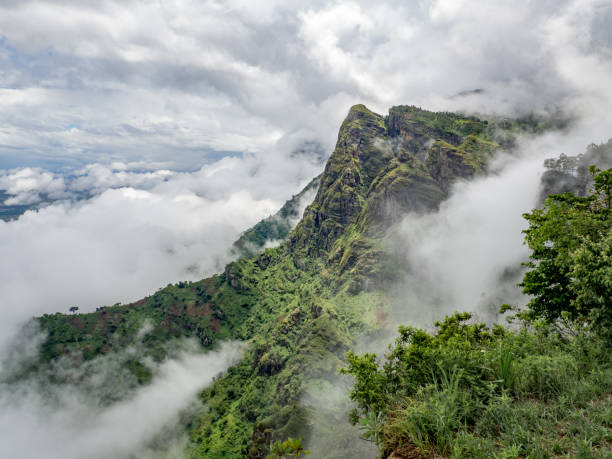
Usambara Mountains Hiking: Lushoto’s Villages and Viewpoints
Usambara Mountains hiking in Tanzania offers one of East Africa’s most rewarding walking experiences, combining green valleys, traditional villages, tropical forests and spectacular viewpoints overlooking the Maasai plains. Located in northeastern Tanzania, the mountains provide a peaceful alternative to busy safari destinations and challenging climbs such as Mount Kilimanjaro.
The town of Lushoto is the main gateway to the Western Usambara Mountains. From here, travellers can explore winding village paths, visit small farms, discover rare forest wildlife and walk towards viewpoints offering extraordinary scenery.
Unlike conventional wildlife safaris, hiking in the Usambara Mountains introduces visitors to everyday rural life. Encounters with farmers, local guides and village communities make the journey culturally rewarding.
Where Are the Usambara Mountains Located?
The Usambara Mountains lie in Tanzania’s Tanga Region, between Mount Kilimanjaro and the Indian Ocean coastline.
They form part of the Eastern Arc Mountains, an ancient mountain system recognised for its remarkable biodiversity.
The range is divided into the Western and Eastern Usambara Mountains.
Quick Facts About Usambara Hiking
| Feature | Description |
|---|---|
| Country | Tanzania |
| Region | Tanga |
| Main hiking town | Lushoto |
| Mountain system | Eastern Arc |
| Popular viewpoint | Irente |
| Famous forest | Magamba |
| Main activities | Hiking, village walks and birdwatching |
| Popular long trek | Lushoto to Mtae |
| Recommended visit | Two to four days |
| Hiking difficulty | Easy to challenging |
Why Are the Usambara Mountains Special?
The Usambara Mountains contain landscapes unlike Tanzania’s dry savannah parks.
Cooler temperatures, forested slopes and cultivated hillsides create attractive walking conditions.
Visitors encounter banana plantations, vegetable gardens, mountain streams and scattered settlements.
The region is particularly rewarding because hiking routes connect natural scenery with communities whose traditions remain closely associated with the land.
Lushoto: The Main Hiking Gateway
Lushoto is a historic highland town surrounded by green hills and agricultural communities.
It was known as Wilhelmstal during German colonial rule.
Today, the town provides accommodation, local guides, markets and transport connections.
Why Stay in Lushoto?
Lushoto offers access to several established hiking experiences.
Visitors can arrange short walks, full-day excursions or longer village-to-village treks.
The town’s relatively cool climate makes it a comfortable base for exploring the surrounding mountains.
Irente Viewpoint: The Famous Panorama
Irente Viewpoint is among the most popular attractions near Lushoto.
The viewpoint overlooks the dramatic escarpment towards the Mazinde plains and the wider Maasai Steppe.
On clear days, visitors enjoy expansive views across the lowlands.
Hiking to Irente Viewpoint
The route passes through villages, small farms and woodland.
A longer walking itinerary from Lushoto may cover approximately 15 kilometres and require five to six hours.
Shorter excursions are possible when transport is arranged closer to the viewpoint.
Why Visit Irente?
The scenery provides excellent photography opportunities.
Visitors can observe the contrast between cultivated mountain slopes and the dry plains below.
However, the exposed cliff edge requires caution.
Remain well away from unstable or unprotected drops.
Magamba Nature Forest Reserve
Magamba Nature Forest Reserve protects important mountain forest habitats near Lushoto.
The reserve covers approximately 9,284 hectares and supports numerous plants, birds and smaller wildlife species.
Its forest trails provide a refreshing contrast to open agricultural landscapes.
What Can You See in Magamba?
Visitors may encounter black-and-white colobus monkeys, chameleons and colourful butterflies.
The forest also supports numerous bird species.
Wildlife sightings remain unpredictable.
Guided walks introduce travellers to the ecological importance of Tanzania’s mountain forests.
The Historic German Cave
Magamba contains a historic cave associated with the German colonial period.
Local guides explain its history and significance.
The surrounding forest also contains viewpoints and other interesting features.
Visitors should only enter authorised areas and follow reserve regulations.
Hiking Towards Mtae Village
Mtae is one of the most rewarding destinations for travellers interested in longer Usambara hiking adventures.
The village sits near the western edge of the mountain range, surrounded by dramatic escarpment scenery.
What Makes Mtae Special?
Its elevated position provides extraordinary views across the surrounding plains.
Sunset can be particularly beautiful when the sky is clear.
The journey also introduces visitors to villages, farms and rural landscapes that many tourists never experience.
The Lushoto-to-Mtae Trek
The Lushoto-to-Mtae route is a popular multi-day hiking experience.
Travellers walk between communities, spending nights in simple guesthouses or locally arranged accommodation.
Typical Trekking Plan
| Day | Main experience |
|---|---|
| Day One | Lushoto and surrounding villages |
| Day Two | Highland farms and forest paths |
| Day Three | Rangwi and neighbouring settlements |
| Day Four | Mtae viewpoints and village exploration |
Actual routes, distances and overnight stops depend on the guide, walking pace and available accommodation.
Discovering Wasambaa Village Life
The Usambara Mountains are historically associated with the Shambaa, also called Wasambaa, people.
Many communities depend on farming, local trade and other rural livelihoods.
What Happens During Village Walks?
Visitors may observe agricultural activities, traditional cooking and small community markets.
Local guides explain the region’s history and cultural traditions.
Some experiences introduce travellers to coffee cultivation or food preparation.
Always obtain permission before photographing residents or entering private property.
Farming on the Mountain Slopes
Agriculture shapes much of the Usambara landscape.
Farmers grow vegetables, bananas, coffee and other crops suited to local conditions.
Why Terraced Farming Matters
Steep slopes create challenges for agriculture.
Terraces and carefully maintained fields help reduce erosion.
Farmers also depend on suitable water supplies and soil management.
Village walks offer opportunities to understand how communities adapt their livelihoods to mountain environments.
Waterfalls Around Lushoto
The Western Usambaras contain several waterfalls accessible through guided excursions.
Mkuzu and Kisasa are among the better-known destinations.
Waterfall Hiking
| Waterfall | Main attraction |
|---|---|
| Mkuzu | Forest scenery and cascading water |
| Kisasa | Waterfall surrounded by vegetation |
| Other local falls | Seasonal mountain streams |
Walking conditions vary with rainfall.
Some trails include steep or slippery sections.
Swimming should only be considered where local authorities confirm suitable conditions.
Birdwatching in the Usambara Mountains
The Usambara Mountains are internationally important for bird conservation.
Their forests support species associated with the Eastern Arc ecosystem.
Birds Worth Looking For
The Usambara akalat is among the region’s notable forest birds.
Visitors may also encounter turacos, sunbirds, greenbuls and other woodland species.
Some species are difficult to identify without experienced guides.
Early morning forest walks generally offer rewarding birdwatching opportunities.
Chameleons and Forest Wildlife
The Usambara Mountains support fascinating reptiles and small animals.
Chameleons are particularly interesting because of their specialised eyes, grasping feet and ability to change colour.
Responsible Wildlife Observation
Avoid handling chameleons unnecessarily.
Never remove animals from their habitats.
Stay on established trails.
Use binoculars or cameras instead of disturbing wildlife.
Protecting these small creatures is important for the forest ecosystem.
Best Hiking Routes Around Lushoto
Visitors can choose routes according to available time and fitness.
| Hiking route | Approximate duration | Difficulty |
|---|---|---|
| Irente Viewpoint | Half to full day | Easy–moderate |
| Magamba Forest | 4–6 hours | Moderate |
| Mkuzu Waterfall | 5–6 hours | Moderate |
| Lushoto village walks | 2–4 hours | Easy |
| Lushoto to Mtae | 2–4 days | Moderate–challenging |
Walking times vary according to starting points and trail conditions.
Best Time to Hike the Usambara Mountains
The region can be explored throughout the year.
However, relatively dry periods provide more comfortable walking conditions.
June to October is often favourable, while January and February can also offer enjoyable weather.
Seasonal Hiking Guide
| Period | General conditions |
|---|---|
| January–February | Often relatively dry |
| March–May | Increased rainfall |
| June–October | Generally favourable hiking |
| November–December | Variable rainfall |
Mountain weather can change quickly.
Mist may reduce visibility from viewpoints.
What to Pack for Usambara Hiking
Visitors should prepare for changing temperatures and uneven trails.
Recommended items include comfortable hiking shoes, drinking water, a light rain jacket, sunscreen and a small backpack.
Additional Equipment
Binoculars are useful for birdwatching.
A camera captures mountain landscapes and village scenery.
Trekking poles may help on steep paths.
Carry some Tanzanian shillings for small purchases in rural communities.
How to Reach Lushoto
Lushoto is accessible by road from Tanga, Moshi, Arusha and Dar es Salaam.
Most travellers approach through Mombo before ascending into the mountains.
Public buses and private vehicles serve the town.
Transport Advice
Allow sufficient time for winding mountain roads.
Confirm local transport arrangements before departing.
A private vehicle provides flexibility, particularly when combining hiking with other northern Tanzania attractions.
Accommodation in Lushoto
Lushoto offers guesthouses, small hotels, farm accommodation and mountain lodges.
Some properties provide views across the surrounding hills.
Travellers undertaking multi-day hikes can arrange accommodation in villages along their routes.
Booking ahead is advisable during busy periods.
Do You Need a Hiking Guide?
A local guide is strongly recommended, particularly for forest walks and village-to-village routes.
Guides help visitors navigate unfamiliar paths and understand local culture.
They also assist with accommodation and community arrangements.
Confirm guiding charges, route difficulty and any reserve entrance fees before departure.
Responsible Hiking in the Usambaras
The mountains contain sensitive forests and working agricultural landscapes.
Visitors should remain on approved trails.
Avoid damaging crops or entering private farms without permission.
Carry away rubbish.
Respect local customs and support community-owned tourism businesses.
Why Usambara Mountains Hiking Is Worth Experiencing
Usambara Mountains hiking offers a memorable combination of natural beauty, cultural discovery and peaceful outdoor adventure.
From the spectacular Irente Viewpoint to the forests of Magamba and the villages surrounding Mtae, every route reveals a different side of Tanzania.
The mountains are particularly rewarding for travellers who enjoy walking, photography, birdwatching and meaningful cultural encounters.
For visitors seeking experiences beyond wildlife game drives, Lushoto and the Usambara Mountains provide one of Tanzania’s most attractive highland destinations.






No comment