
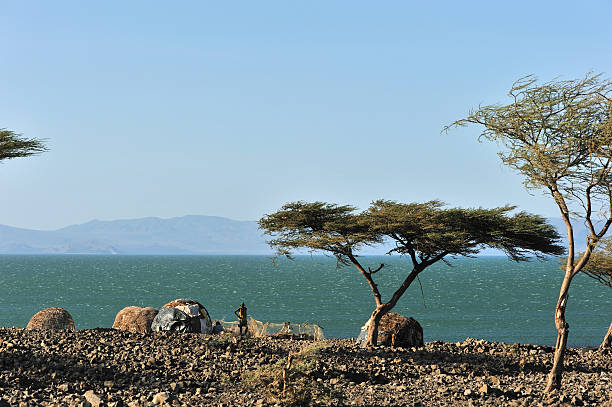
Lake Turkana Expeditions: Reaching the Jade Sea and Koobi Fora Fossil Sites
Lake Turkana expeditions in Kenya offer one of East Africa’s most extraordinary adventures, taking travellers through remote desert landscapes, volcanic islands, traditional communities and prehistoric fossil sites. Known as the Jade Sea because of its striking greenish-blue waters, Lake Turkana lies in northern Kenya’s Great Rift Valley.
Unlike conventional safaris focused on lions and elephants, a Lake Turkana expedition combines geological discoveries, archaeology, cultural encounters and challenging overland travel. The surrounding landscape features rocky desert plains, ancient volcanic formations and dramatic escarpments.
One of the region’s greatest attractions is Koobi Fora, a world-famous fossil site where important discoveries have helped scientists understand human evolution.
For adventurous travellers, visiting Lake Turkana provides an unforgettable journey into one of Kenya’s most remote and historically significant regions.
Where Is Lake Turkana Located?
Lake Turkana stretches across northern Kenya, with its northern end extending into Ethiopia.
The lake lies between Marsabit County to the east and Turkana County to the west.
Its surrounding landscape is exceptionally dry, with sparse vegetation and extensive volcanic terrain.
Quick Facts About Lake Turkana
| Feature | Description |
|---|---|
| Country | Kenya and Ethiopia |
| Region | Northern Great Rift Valley |
| Nickname | The Jade Sea |
| Lake type | Saline and alkaline |
| Length | Approximately 250 kilometres |
| Main attractions | Islands, fossils and desert scenery |
| Famous archaeological site | Koobi Fora |
| Important national park | Sibiloi National Park |
| Recommended expedition | 5–10 days or longer |
| Main transport | Four-wheel-drive vehicles |
Why Is Lake Turkana Called the Jade Sea?
Lake Turkana is famous for its remarkable greenish-blue appearance.
The colour results partly from microscopic algae and suspended materials interacting with sunlight.
Viewed from surrounding hills, the lake contrasts beautifully with the dark volcanic rocks and pale desert landscape.
What Makes the Scenery Special?
Visitors encounter enormous open horizons, rugged mountains and isolated shorelines.
Strong winds frequently create waves across the water.
The landscape can appear almost untouched by modern development.
This remoteness attracts photographers, geologists and travellers interested in unusual natural environments.
How Was Lake Turkana Formed?
Lake Turkana occupies part of the East African Rift system.
Over millions of years, movements within the Earth’s crust created deep basins and volcanic landscapes.
Water accumulated within the basin, forming the lake.
Understanding Its Geological History
The surrounding region contains ancient sediments, volcanic rocks and important fossil deposits.
These geological layers preserve evidence of past environments.
Scientists use them to understand changing climates, extinct animals and early human development.
This makes the Lake Turkana Basin internationally important for scientific research.
Planning a Lake Turkana Expedition
A journey to Lake Turkana requires more preparation than an ordinary national park safari.
Distances are long, services are limited and many roads are rough.
Reliable transport, sufficient supplies and knowledgeable local guides are essential.
Main Expedition Routes
| Route | Main destinations |
|---|---|
| Eastern approach | Nairobi, Marsabit, North Horr, Sibiloi |
| Western approach | Kitale, Lodwar, Kalokol |
| Southern approach | Maralal, South Horr, Loiyangalani |
| Fly-and-drive | Lodwar and arranged ground transport |
The eastern and western shores are separated by the lake, so visiting both requires careful logistical planning.
Reaching Lake Turkana From Nairobi
Overland journeys commonly begin in Nairobi.
Travellers heading towards the eastern shore may travel through Isiolo and Marsabit before continuing towards North Horr.
Those approaching the western shore commonly travel through Kitale and Lodwar.
How Long Does the Journey Take?
Reaching the most remote areas can require several days.
Kenya Wildlife Service describes the journey to Sibiloi National Park as approximately 800 kilometres from Nairobi, usually requiring a three-day road expedition.
Actual travelling time depends on security conditions, weather and road accessibility.
Why Four-Wheel-Drive Vehicles Are Essential
Many roads around Lake Turkana are unsealed.
Travellers may encounter loose stones, sandy tracks, corrugations and difficult river crossings.
Recommended Vehicle Preparation
High-clearance four-wheel-drive vehicle.
Spare tyres and recovery equipment.
Sufficient fuel reserves.
Drinking water and emergency supplies.
Offline navigation.
Reliable communication equipment.
Experienced local driver.
Travelling with other equipped vehicles is recommended for remote sections.
Koobi Fora: The Cradle of Humankind
Koobi Fora lies on the eastern shore of Lake Turkana within Sibiloi National Park.
It is one of the world’s most important archaeological and palaeontological landscapes.
Researchers have discovered fossils associated with early human ancestors and numerous extinct animals.
Why Is Koobi Fora Famous?
The area’s sedimentary deposits preserve evidence spanning millions of years.
Important discoveries include fossils associated with Homo habilis, Homo erectus and early australopiths.
These findings have helped researchers investigate the development of human anatomy, movement and behaviour.
Koobi Fora remains an active scientific research area.
Discovering the Fossil Sites
Koobi Fora contains extensive deposits of ancient sediments.
Researchers have examined fossilised bones, teeth and stone tools preserved within geological layers.
What Can Visitors See?
Authorised educational visits may include fossil displays and explanations of important discoveries.
Guides introduce the ancient environments that once existed around the basin.
Visitors should not expect unrestricted access to active excavation locations.
Sensitive archaeological areas require special protection.
The Leakey Family and Human Evolution
The Lake Turkana region became internationally famous through research associated with Richard Leakey and other scientists.
Their teams uncovered important fossils during expeditions beginning in the late 1960s.
The Importance of Fossil Discoveries
Ancient bones provide evidence about the physical characteristics of early humans.
Stone tools reveal information about behaviour and technological development.
Researchers combine archaeological evidence with geology to estimate the age of discoveries.
These investigations continue to influence understanding of humanity’s origins.
Sibiloi National Park
Sibiloi National Park protects important archaeological sites and wildlife habitats along Lake Turkana’s eastern shore.
The park was established to conserve fossil-rich landscapes and surrounding natural environments.
It forms part of the UNESCO-listed Lake Turkana National Parks.
Attractions in Sibiloi
| Attraction | Main experience |
|---|---|
| Koobi Fora | Prehistoric fossil heritage |
| Petrified forest | Ancient fossilised wood |
| Lake shoreline | Desert and water scenery |
| Wildlife habitats | Dryland species and birds |
| Geological formations | Sedimentary and volcanic landscapes |
Park entry and specialised archaeological visits require appropriate arrangements.
UNESCO World Heritage Recognition
Lake Turkana National Parks received UNESCO World Heritage recognition in 1997.
The designated property includes Sibiloi, Central Island and South Island National Parks.
Why UNESCO Recognition Matters
The protected areas preserve outstanding fossil records, geological formations and important wildlife habitats.
They also support scientific research into environmental and evolutionary history.
Conservation efforts aim to protect these resources from damage and disturbance.
Central Island National Park
Central Island is a volcanic island within Lake Turkana.
It contains several crater lakes and striking geological formations.
The island is particularly important for Nile crocodile breeding.
Visiting Central Island
Excursions require suitable boats and experienced operators.
Strong winds can create dangerous conditions.
Travellers should confirm current access arrangements and avoid departures during unsuitable weather.
The island’s fragile habitats must be respected.
Wildlife Around Lake Turkana
Despite its harsh environment, Lake Turkana supports important wildlife populations.
The lake contains fish, crocodiles and numerous waterbirds.
Surrounding landscapes support animals adapted to dry conditions.
Wildlife to Look For
| Wildlife | Typical habitat |
|---|---|
| Nile crocodile | Lake and island shorelines |
| African Fish Eagle | Suitable lakeside areas |
| Goliath Heron | Shallow water habitats |
| Pelicans | Open water and shorelines |
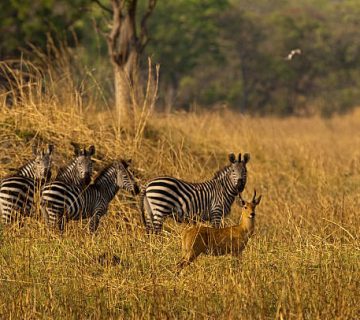
| Grevy’s zebra | Suitable northern grasslands |
| Somali ostrich | Dry open country |
Sightings vary considerably between locations.
Meeting Communities Around Lake Turkana
The surrounding region is home to several communities, including Turkana, El Molo, Dassanach and Gabra peoples.
Their livelihoods and cultural traditions reflect long relationships with the lake and surrounding drylands.
Responsible Cultural Encounters
Visitors can learn about fishing, pastoralism and local craftsmanship through community-approved experiences.
Always request permission before photographing people.
Avoid entering villages without an invitation or appropriate guide.
Fair payment and respect for local customs are essential.
Best Time to Visit Lake Turkana
The region experiences hot, dry conditions for much of the year.
Temperatures can be uncomfortable, especially during midday.
Rainfall may make remote roads difficult or temporarily impassable.
Seasonal Planning
| Period | General conditions |
|---|---|
| January–March | Hot and often dry |
| April–May | Variable rainfall |
| June–September | Windy, often dry |
| October–December | Variable rainfall and heat |
Weather alone should not determine departure dates. Local security and road conditions are equally important.
Safety Considerations for Expeditions
Lake Turkana is remote, and some surrounding areas experience insecurity.
Travel advisories identify serious risks in parts of Turkana and Marsabit counties, particularly near international borders.
Essential Safety Precautions
Check current government travel advice before committing to a route.
Avoid areas subject to official travel warnings.
Use experienced operators with up-to-date local knowledge.
Do not drive unfamiliar roads at night.
Carry emergency communication equipment.
Ensure sufficient fuel, food and water.
Medical assistance may be far away.
Accommodation Around Lake Turkana
Accommodation options vary considerably between destinations.
Lodwar has hotels and guesthouses, while selected lakeside locations offer camps and basic lodges.
Sibiloi provides limited accommodation and camping facilities.
Accommodation Planning
Confirm availability before departure.
Ask whether meals and drinking water are provided.
Check electricity and communication arrangements.
Bring camping equipment when required.
Remote accommodation should never be assumed available without a confirmed booking.
Suggested Lake Turkana Expedition
A properly arranged journey may take seven days or longer.
Example Expedition Plan
| Day | Main activity |
|---|---|
| Day One | Travel towards northern Kenya |
| Day Two | Continue towards Marsabit |
| Day Three | Reach the eastern Turkana region |
| Day Four | Explore Sibiloi National Park |
| Day Five | Guided Koobi Fora heritage visit |
| Day Six | Begin the return journey |
| Day Seven | Continue towards Nairobi |
This is an illustrative route, not a confirmed schedule. Actual routes should be determined by current security, road and access conditions.
Responsible Tourism at Lake Turkana
The Lake Turkana Basin contains fragile ecosystems and irreplaceable archaeological resources.
Never remove fossils, stones or archaeological objects.
Avoid disturbing wildlife or entering restricted research areas.
Carry away rubbish.
Support authorised local guides and conservation programmes.
Why Lake Turkana Is Worth Exploring
Lake Turkana offers a completely different experience from Kenya’s conventional wildlife safaris.
Its jade-coloured waters, volcanic islands, remote desert landscapes and prehistoric fossil sites create an extraordinary destination for adventurous travellers.
Koobi Fora adds scientific importance by preserving evidence that has transformed understanding of human evolution.
For those prepared to travel responsibly, with experienced guides and carefully planned logistics, Lake Turkana provides one of East Africa’s most remarkable journeys through natural and human history.


No comment