
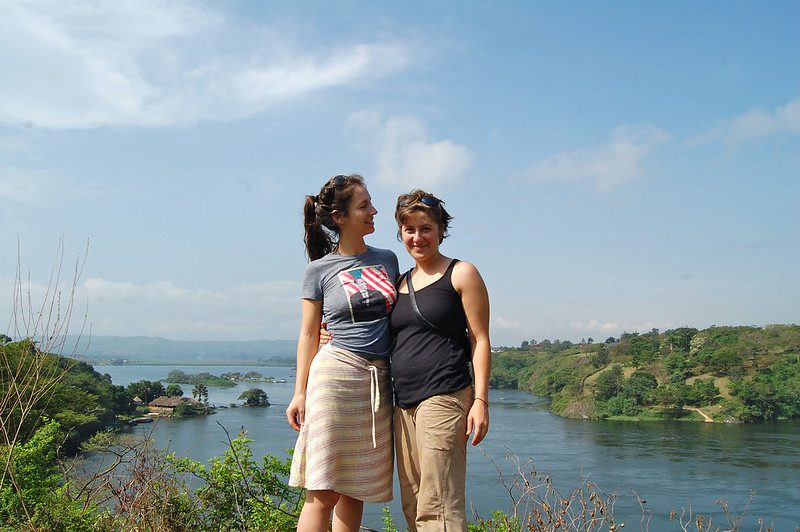
Uganda is a popular location for adventure and wildlife enthusiasts, but safety worries might be a deterrent for others. While there are concerns to be mindful of, such as petty crime and political upheaval, there are also several ways to keep safe and have a good time in Uganda. Continue reading for advice on how to be safe when travelling in Uganda. Uganda safari tour-travel advise-Uganda gorilla trekking-chimpanzee safaris
Understanding Uganda’s security status
Uganda has previously endured political instability and violence, although the security situation has greatly improved in recent years. Travellers should, however, be wary of possible hazards, such as petty crime in metropolitan areas and the likelihood of political demonstrations. To guarantee a safe and pleasurable travel experience, keep up-to-date on current events and obey local laws and traditions.
Keeping safe in cities
While Uganda is typically secure, visitors should be mindful of the possibility of minor crimes in metropolitan areas. Pickpocketing and theft are prevalent, particularly in busy places like markets and bus stops. It is critical to keep your belongings secure at all times and to be mindful of your surroundings. To keep your valuables safe, avoid carrying huge quantities of cash or wearing expensive jewellery, and consider using a money belt or concealed bag. If you become a victim of a crime, notify the police as soon as possible.
Keeping yourself safe in rural settings
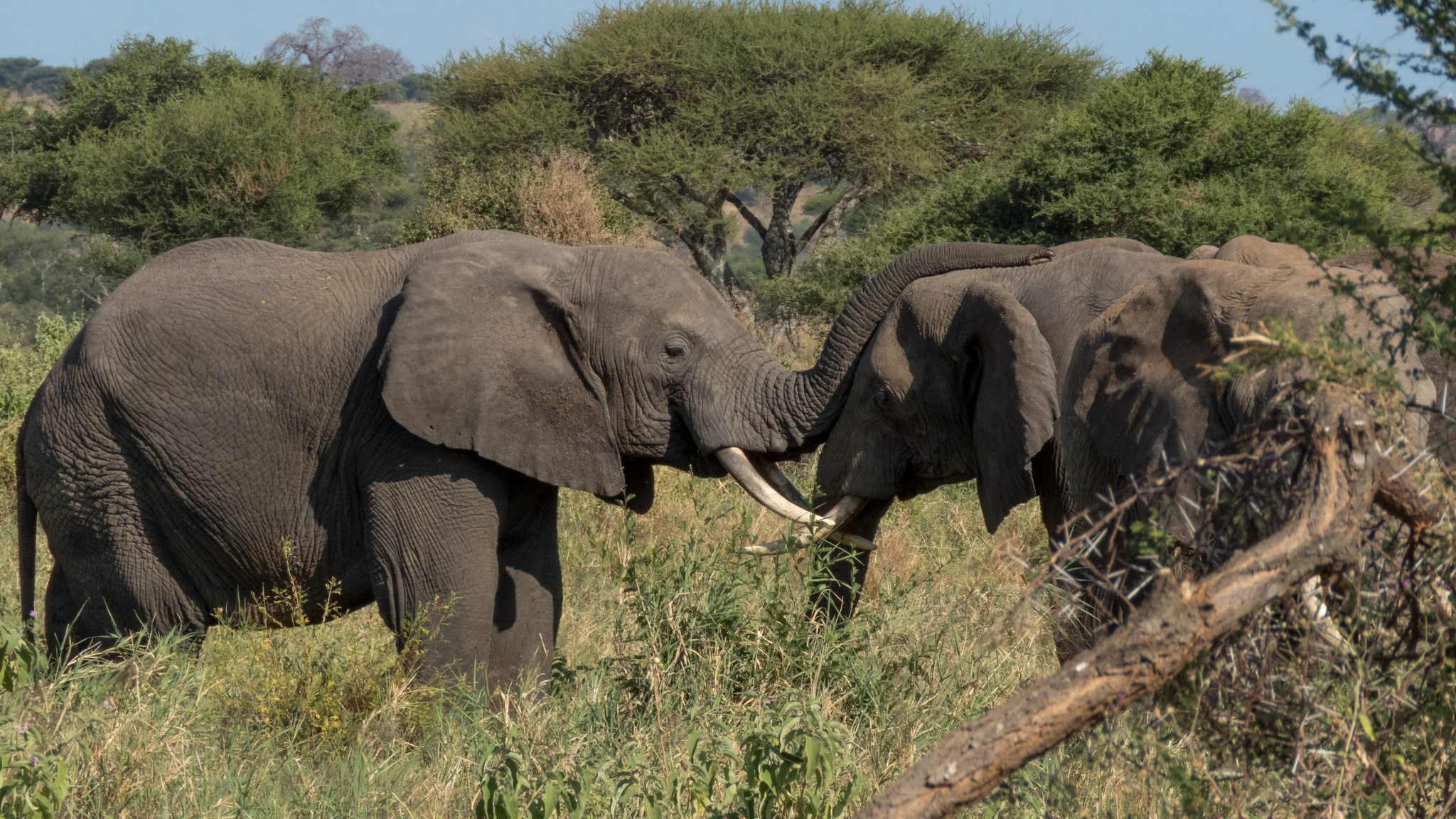
While petty crime is more prevalent in urban areas, visitors should exercise caution when visiting Uganda’s rural areas. It’s critical to be mindful of the possibility of interactions with animals, such as elephants or hippos, and to heed the advice of local guides and park officials. Furthermore, travellers should be aware of the possibility of political disturbance or conflict in certain regions and should avoid any places where there is a recognised danger of violence. Always investigate the safety of the regions you want to visit and keep up-to-date on any potential hazards.
Keeping yourself safe from typical scams and crimes
Travellers in Uganda, like those in any other country, should be alert to frequent scams and crimes. The “fake guide” scam is a typical one in which someone acting as a guide offers to take you on a tour but then steals your stuff. Always use reputed tour providers and guides to avoid this. Petty theft, such as pick pocketing and bag snatching, can occur in busy places, so keep your valuables safe and be alert to your surroundings. Also, avoid wandering alone at night and use public transit with caution. Travellers can reduce their chances of falling victim to scams and crimes in Uganda by adopting these steps.
Staying informed and prepared for crises.
When travelling in Uganda, it is critical to be prepared for emergencies. Keep a first-aid kit and any essential drugs on hand at all times. Before you arrive, you should also check out the location of the nearest hospital or medical centre. Stay informed in the event of a natural catastrophe or other emergency by watching local news and following the advise of local authorities. It’s also a good idea to register with your local embassy or consulate so that they can reach you in an emergency. Travellers may stay safe and enjoy their vacation in Uganda by being prepared and informed.
How Uganda’s Safety Record Compares Regionally
Measured against common traveler concerns, violent crime against tourists, kidnapping risk, active conflict zones, Uganda ranks favorably compared to many international perceptions, with the vast majority of safety incidents involving petty theft rather than anything more serious, a pattern consistent with popular safari destinations worldwide.
Why Booking Through a Reputable Operator Matters for Safety
Beyond avoiding scams, an established operator provides vetted drivers, well-maintained vehicles, and pre-arranged accommodation, removing much of the uncertainty that independent budget travel can introduce, particularly for first-time visitors unfamiliar with local conditions. All in Africa Safaris vets every guide, driver, and lodge partner specifically with traveler safety in mind.
Safety Considerations Specific to Gorilla and Chimpanzee Trekking
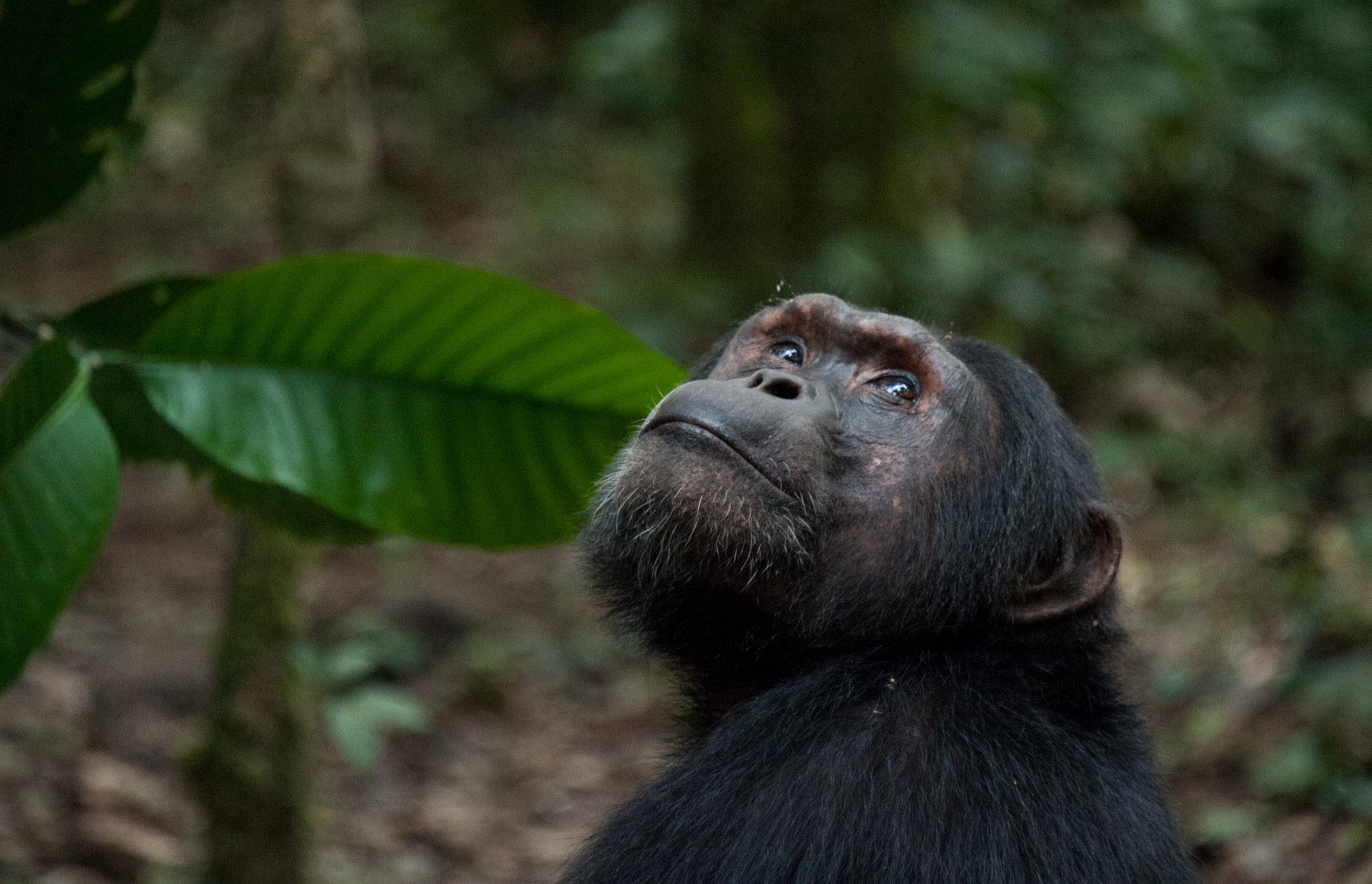
Trekking activities carry their own specific safety protocols, maintaining required distance from wildlife, following ranger instructions immediately, and trekking only with licensed guides, rules that exist as much for animal welfare as for visitor safety and are consistently well-enforced across Uganda’s parks.
Health Precautions Worth Taking Before You Travel
A pre-trip consultation with your doctor covering recommended vaccinations, malaria prophylaxis, and any personal health considerations is worth scheduling well ahead of departure, alongside comprehensive travel insurance that specifically covers medical evacuation given the more remote nature of some park locations.
Road Safety and Transportation Considerations
Road conditions and driving standards vary considerably across Uganda, making a reputable operator’s vetted drivers and well-maintained vehicles a genuinely meaningful safety factor, particularly on longer transfers between parks where road quality can be inconsistent.
What Recent Travelers Consistently Report
Overwhelmingly, travelers who complete a well-organized Uganda safari describe the country as considerably safer and more welcoming than they anticipated beforehand, a gap between perception and reality common to many African destinations still working to shift outdated international impressions.
Staying Connected While Traveling
A local SIM card, inexpensive and easy to obtain on arrival, keeps you connected for both convenience and safety throughout your trip, allowing quick contact with your operator or emergency services if needed at any point during your itinerary.
Understanding Government Travel Advisories
Checking your home country’s official travel advisory for Uganda before departure gives a useful baseline, though these advisories often apply broadly to entire countries rather than reflecting the specific, generally safer conditions found in the national parks and tourist circuits most safari travelers actually visit. Discussing any specific advisory concerns with your operator helps put the guidance in proper local context.
Solo Female Travelers in Uganda
Solo female travelers regularly complete Uganda safaris safely, particularly when booked through an established operator with vetted guides and pre-arranged accommodation, though the same general precautions, avoiding walking alone after dark and using trusted transportation, apply here as they would in most destinations worldwide. All in Africa Safaris can share references from past solo female travelers upon request.
Money and Valuables: Practical Precautions
Carrying a mix of cash and cards, using hotel safes for passports and extra funds, and avoiding displaying expensive electronics or jewelry in public settings all reduce the already modest risk of petty theft considerably, standard precautions that apply as much in Uganda as in any popular international destination.
Wildlife Safety Beyond the Trekking Context
Beyond organized trekking activities, general safari etiquette, staying inside vehicles during game drives except where explicitly permitted, keeping a respectful distance from all wildlife, and following your guide’s instructions immediately, accounts for the overwhelming majority of wildlife-related safety, with incidents overwhelmingly tied to travelers ignoring these basic rules.
Political Stability and What It Means for Travelers
While Uganda has experienced periods of political tension in past decades, the tourist circuits, national parks, and major transit routes have remained consistently stable and unaffected even during broader national political moments, a distinction worth understanding rather than assuming country-wide instability based on isolated news coverage.
Emergency Contacts Worth Saving Before You Travel
Saving your operator’s emergency contact number, the nearest embassy or consulate’s details, and local emergency services alongside your travel insurance provider’s contact information ensures you’re never searching for critical information during an actual emergency.
Water and Food Safety Basics
Sticking to bottled or properly filtered water and eating at reputable lodges and established restaurants minimizes the risk of travel-related stomach upset, a far more common inconvenience for visitors than any safety-related incident, and one that basic caution largely prevents.
Why Group and Family Travel Adds an Extra Layer of Comfort
Traveling as part of an organized group or with family adds a natural layer of mutual awareness and support throughout the trip, something worth considering for travelers who feel more comfortable with company, even though solo travel remains entirely manageable with the right preparation.
How Guides Function as an Additional Safety Resource
Beyond wildlife knowledge, experienced Uganda safari guides serve as a genuinely valuable safety resource throughout your trip, familiar with local conditions, trusted contacts, and how to handle unexpected situations, a layer of support independent travelers simply don’t have access to.
Packing a Basic Awareness of Local Customs
Understanding and respecting local customs, appropriate dress in conservative or rural areas, greeting etiquette, and photography permissions before photographing people, smooths interactions with local communities and, as a secondary benefit, reduces the likelihood of any misunderstanding that could otherwise escalate unnecessarily.
Comparing Perception to the Everyday Reality on the Ground
The gap between how safety-conscious travelers imagine Uganda before arriving and what they actually experience once on the ground remains one of the most consistently reported observations from returning visitors, a reminder that outdated impressions rarely reflect current, well-managed tourist conditions.
Insurance Coverage Specific to Adventure Activities
Standard travel insurance policies don’t always cover activities like gorilla trekking or white water rafting by default, making it worth confirming your policy specifically includes adventure activity coverage before departure rather than discovering a gap after an incident occurs.
Traveling Uganda With Confidence
With sensible precautions, a reputable operator, and basic situational awareness, Uganda offers a genuinely safe and rewarding destination for gorilla trekking, wildlife safaris, and cultural exploration. All in Africa Safaris can build a fully supported itinerary that keeps safety considerations handled from arrival to departure, letting you focus entirely on the adventure ahead.


No comment