
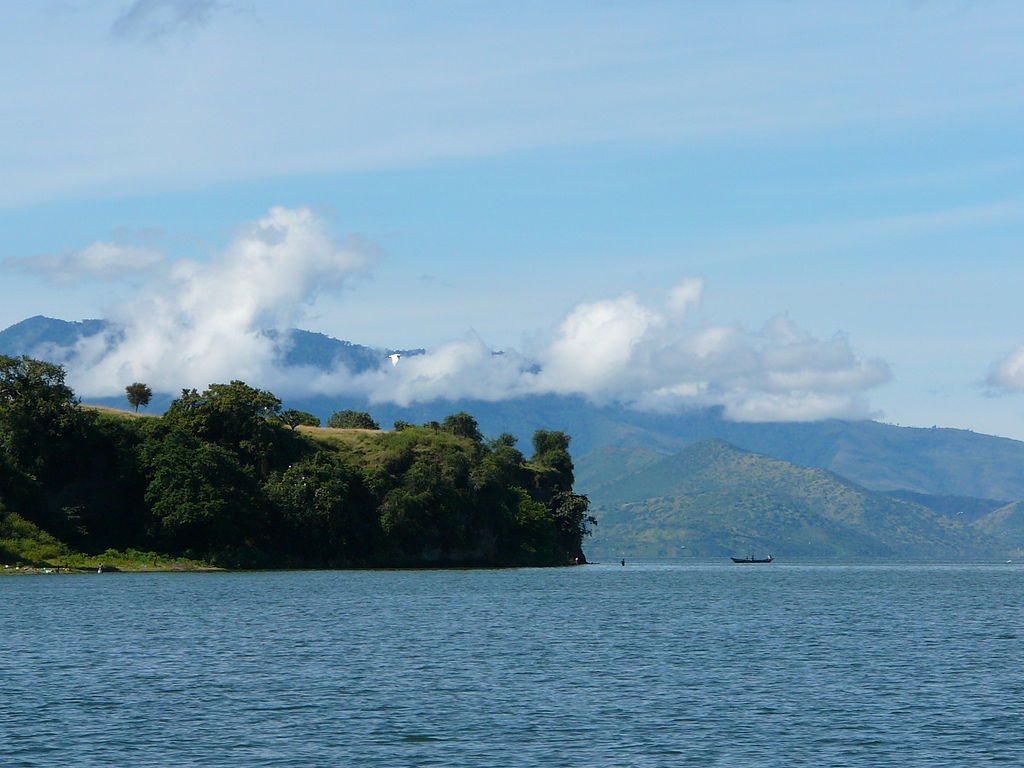
Can You Swim in Lake Victoria, Lake Kivu or Lake Bunyonyi?
Swimming can be an enjoyable part of a holiday in East Africa, especially when travelling through Uganda and Rwanda. The region has beautiful lakes surrounded by islands, green hills, fishing communities, sandy beaches, and lakeside accommodation. After long road journeys, wildlife viewing, or mountain trekking, spending time beside the water can be a welcome way to relax.
However, swimming conditions differ considerably between lakes. Lake Victoria, Lake Kivu, and Lake Bunyonyi each offer a different experience, and their natural beauty should not be taken as proof that every shoreline is safe for swimming.
Lake Kivu is generally considered suitable for recreational swimming at established beaches, while Lake Bunyonyi is popular for swimming but requires sensible precautions. Lake Victoria calls for greater caution because of possible exposure to dangerous wildlife, waterborne infections, and changing shoreline conditions.
Before entering any lake, check local advice, use a recognised swimming area where available, and understand the health and physical risks. Conditions can vary between locations on the same lake, so a place where local people swim is not automatically suitable for every visitor.
Can You Swim in Lake Victoria?
Lake Victoria is one of Africa’s largest lakes and borders Uganda, Kenya, and Tanzania. It is an important source of food, transport, fishing, and recreation for communities around its shores. Visitors can enjoy lakeside views, boat excursions, island visits, and time at selected beaches and resorts.
Although swimming takes place at some locations, Lake Victoria is not a lake where visitors should enter the water casually or choose an unfamiliar beach without checking local conditions.
One concern is the presence of potentially dangerous animals. Hippos and crocodiles inhabit parts of the lake and its surrounding waterways. Their presence varies by location, and a quiet-looking beach does not establish that the water is free of danger. Strong currents, sudden changes in depth, waves, and boat traffic can create additional hazards.
Another important concern is schistosomiasis, commonly called bilharzia. This parasitic infection can be transmitted through contact with contaminated freshwater. Uganda’s public health guidance advises travellers to avoid swimming in untreated freshwater because the parasite occurs in the country.
These risks do not mean that every part of Lake Victoria presents identical conditions. However, visitors should not assume that a beach is safe simply because it is popular or located beside a hotel.
If you are staying around Entebbe, ask your hotel or a reputable local operator whether swimming is permitted at its particular shoreline and what precautions are in place. A supervised swimming facility or properly maintained swimming pool is generally a more controlled option than entering the open lake.
Lake Victoria remains an excellent destination for boat trips, island excursions, birdwatching, fishing experiences, and lakeside relaxation without swimming.
Can You Swim in Lake Kivu?
Lake Kivu, situated between Rwanda and the Democratic Republic of the Congo, is widely known for its beautiful scenery, calm-looking bays, and attractive lakeside towns. On the Rwandan side, popular destinations include Rubavu, also known as Gisenyi, Karongi, and Rusizi.
Lake Kivu is generally regarded as one of the better options for recreational lake swimming in the region, particularly at established swimming areas along the Rwandan shore. Rwanda’s tourism information promotes swimming at Lake Kivu, including locations such as Gisenyi, Kibuye, and Cyangugu.
Unlike Lake Victoria, Lake Kivu is known for not having established populations of hippos and crocodiles that pose the same type of swimming concern. This is one reason visitors often choose it for a lakeside holiday.
Nevertheless, the absence of these animals does not eliminate every risk. Water quality can vary by location and weather conditions. Boat traffic, deep water, slippery shorelines, and limited swimming supervision should also be considered.
Choose a beach or swimming area recommended by your accommodation provider, obey local warnings, and avoid entering the water near boats, fishing operations, or places where swimming is not permitted. Do not swim alone, particularly if you are unfamiliar with the lake.
Lake Kivu is also a good destination for travellers who prefer to enjoy the water without swimming. Boat excursions, lakeside walks, sunset views, and visits to nearby islands can all be included in a relaxing stay.
Can You Swim in Lake Bunyonyi?
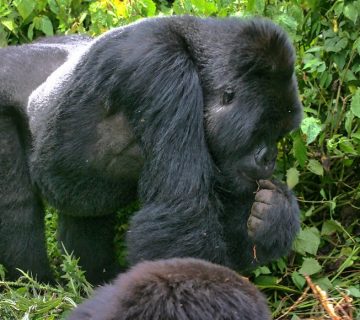
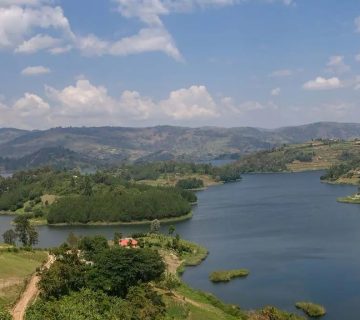
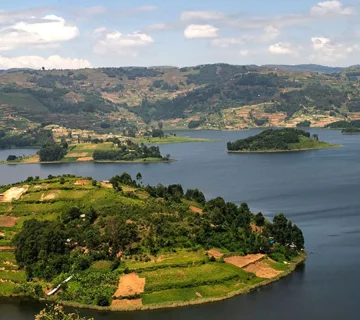
Lake Bunyonyi is located in southwestern Uganda, near Kabale and not far from several gorilla trekking destinations. The lake is famous for its green terraced hills, scattered islands, birdlife, and peaceful atmosphere. Many travellers visit before or after exploring Bwindi Impenetrable National Park.
Swimming is a popular activity at Lake Bunyonyi, and the lake is commonly regarded as one of Uganda’s more favourable freshwater swimming destinations. It is generally described as free of hippos and crocodiles, which removes two major wildlife hazards associated with swimming in some other Ugandan lakes.
However, it is important not to describe the lake as completely risk-free. Claims that Lake Bunyonyi is entirely free of bilharzia are repeated by many tourism sources, but the available information is not sufficiently consistent to treat that claim as a guarantee. Public health guidance for Uganda recommends avoiding untreated freshwater because schistosomiasis occurs in the country.
Lake Bunyonyi is also deep in many areas, and the water can feel cold because of the lake’s elevation. Even confident swimmers should avoid venturing far from shore, especially if they are unfamiliar with the area.
If you decide to swim, ask your lodge which areas it recommends and whether there are any current local warnings. Enter the water cautiously, stay close to the shore or a designated swimming point, and do not swim alone. Children should have close adult supervision.
For visitors who want to enjoy Lake Bunyonyi without entering the water, canoeing with a qualified local operator, taking a boat trip between the islands, birdwatching, and walking through surrounding communities are excellent alternatives.
Which Lake Is Best for Swimming?
The best choice depends on the kind of holiday you want and the precautions you are prepared to take. Lake Kivu is often the most straightforward option for visitors seeking an established lakeside swimming experience. Lake Bunyonyi is appealing to travellers looking for cool highland scenery and a quieter setting, while Lake Victoria offers many other recreational activities but requires greater caution around open-water swimming.
What Are the Main Swimming Risks at Each Lake?
Understanding the main hazards can help you make a more informed decision before entering the water.
Wildlife and water conditions
Lake Victoria requires particular caution because hippos and crocodiles inhabit some areas. Never assume that a beach is safe simply because there are no animals visible. Follow local guidance and avoid swimming at unassessed shorelines.
Lake Kivu is generally more suitable for recreational swimming at established beaches, but deep water, boat movements, and changing weather conditions still matter. Avoid swimming during storms or when waves and currents make the water difficult to manage.
Lake Bunyonyi does not have the same hippo and crocodile concerns, but its depth and cool water can challenge swimmers. Stay within your ability, and do not venture far from shore.
Bilharzia and waterborne infections
Bilharzia is an important consideration when swimming in freshwater in parts of East Africa. The infection occurs when certain parasitic larvae in contaminated water penetrate the skin. You do not need to swallow the water to become infected.
Uganda’s public health guidance recommends avoiding untreated freshwater, including lakes, ponds, and rivers, because schistosomiasis is present in the country. The risk can vary by location, and claims that a particular lake is completely free of infection should not be treated as a guarantee.
If you have entered freshwater in an area where bilharzia may occur, tell a travel health professional where and when you had contact with the water. They can advise whether testing or follow-up is appropriate. Do not assume that clear-looking water is free of parasites or other contaminants.
Is It Safe for Children to Swim in These Lakes?
Families should take additional care when considering open-water swimming. Children may have less experience judging water depth, waves, currents, and fatigue. They may also swallow water while playing, increasing their exposure to some waterborne pathogens.
At Lake Victoria, avoid unassessed swimming areas because of the potential wildlife and health hazards. At Lake Kivu, use a recognised swimming location and follow any instructions from local staff. At Lake Bunyonyi, remember that the water can be deep close to shore and may feel cold even when the weather is warm.
An adult should remain within immediate reach of young children whenever they are in or near the water. Inflatable toys and swimming aids are not substitutes for supervision or properly fitted life jackets.
If your accommodation has a maintained swimming pool, this may be a more controlled option for children than open water. Check that the pool has suitable safety arrangements and that children are supervised throughout their swim.
What Should You Do Before Swimming?
Before entering any of the three lakes, ask your hotel, lodge, or local guide about the specific location you intend to use. Conditions can differ between beaches, islands, and sections of the shoreline, so general information about a lake cannot guarantee that a particular spot is safe.
Choose an established swimming area where possible, follow warning signs, and avoid swimming near fishing equipment, boat routes, or areas with strong currents. Do not enter the water during thunderstorms, poor visibility, or rough conditions.
Avoid swimming alone, particularly in deep water. If you are not a confident swimmer, stay in shallow water only where local advice confirms it is appropriate, or choose another activity.
Travellers should also remember that swimming safety and infection prevention are separate issues. A location without dangerous wildlife may still carry a risk of waterborne disease. Likewise, water that looks clean is not necessarily safe for swimming.
Alternatives to Swimming at These Lakes
You do not need to swim to enjoy East Africa’s lakes. Each destination offers activities that allow you to appreciate the scenery while remaining out of the water.
At Lake Victoria, visitors can arrange boat trips with reputable operators, explore islands, enjoy birdwatching, or relax at lakeside accommodation. Always follow boating safety instructions and wear a life jacket when required.
At Lake Kivu, boat excursions, sunset views, lakeside walks, and visits to local towns offer relaxing ways to experience the region. Visitors staying in Rubavu or Karongi can enjoy the landscape without entering the lake.
At Lake Bunyonyi, canoe excursions, guided island visits, birdwatching, and walks through the surrounding hills are popular options. The scenery makes it a rewarding place to rest after gorilla trekking or a long journey through southwestern Uganda.
Which Lake Should You Choose for Your Trip?
If swimming is a priority, Lake Kivu is generally the most straightforward choice of the three, particularly when you use an established beach and follow local advice. Lake Bunyonyi is attractive for its quiet setting and lack of hippos and crocodiles, but do not assume that its freshwater carries no infection risk. Lake Victoria offers a wide range of lakeside experiences, although open-water swimming requires greater caution.
Ultimately, the safest decision depends on the exact location, current conditions, and advice from reliable local sources. Ask before entering the water, avoid untreated freshwater when following public health guidance, and consider a swimming pool or non-swimming activity if there is any uncertainty.



No comment