
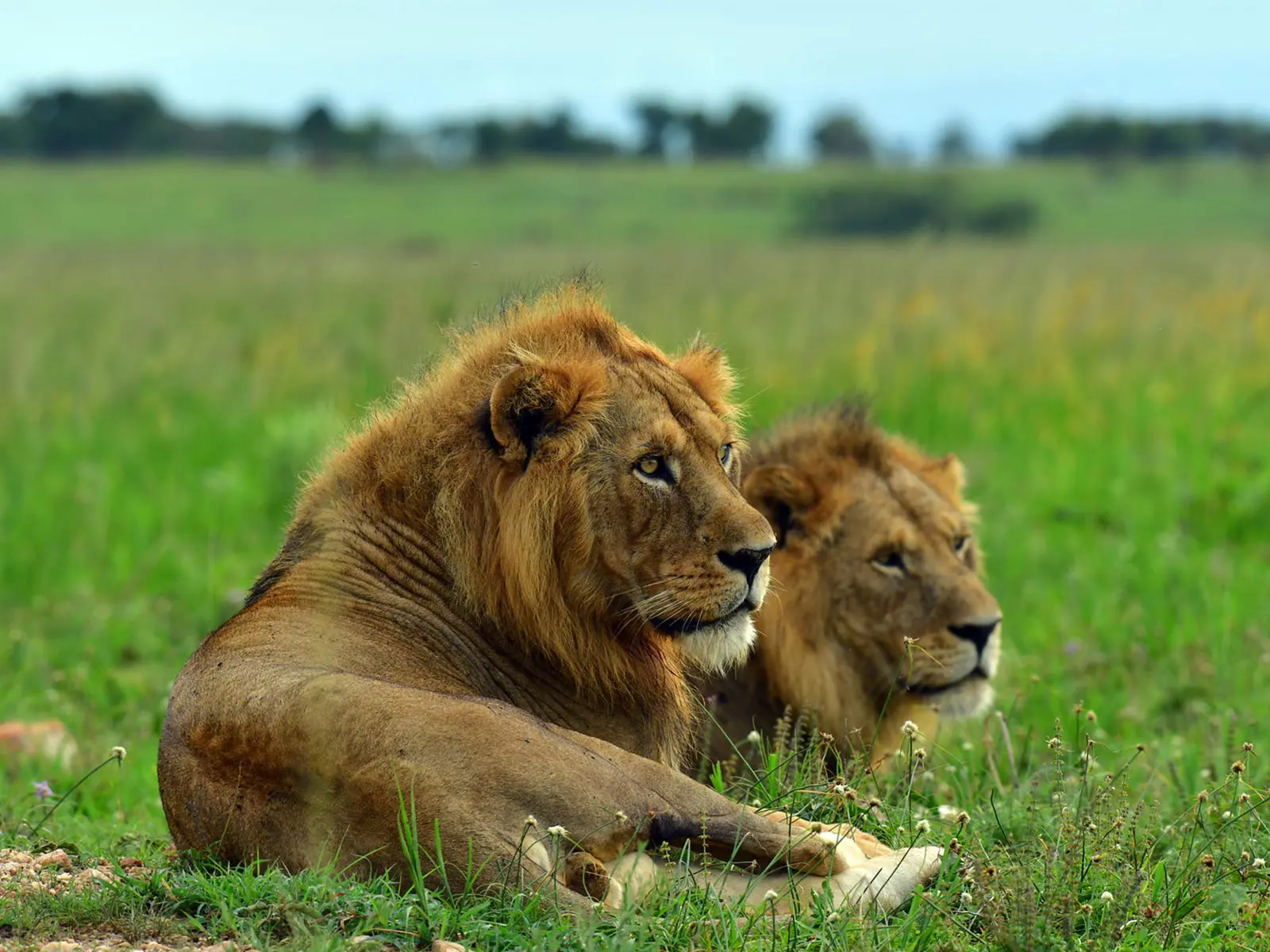
How long do wild lions live, and what shortens their lives?
Lions are among Africa’s most recognisable wild animals, known for their strength, social behaviour and position near the top of the food chain. However, life in the wild is demanding, and even a powerful adult lion faces serious threats throughout its lifetime. Access to food, injuries, disease, competition, human activity and the challenges of raising cubs all influence how long a lion survives.
Wild lions generally live for about 10 to 14 years, although some females survive into their late teens. Males usually have shorter lives, partly because they face intense competition from rival males and must defend their access to prides. Lions living under human care can live considerably longer because they receive regular food, veterinary treatment and protection from many dangers found in natural habitats.
Understanding a lion’s lifespan requires looking at the different stages of its life. A cub faces different risks from a young male searching for a territory or an older lioness raising another generation. Each stage presents challenges that can determine whether an individual reaches old age.
How long do lions live in the wild?
A wild lion’s lifespan depends on its sex, habitat, health, access to prey and social position. Lionesses commonly live for 12 to 16 years, with some reaching 18 years or slightly older in favourable conditions. Male lions often live for approximately 8 to 12 years, although exceptional individuals can survive beyond this range.
These figures are general estimates rather than fixed limits. Some lions die during their first year, while others survive for many years despite injuries, disease and competition. Researchers also find differences between populations because lions live in environments with varying prey availability, human pressure and conservation conditions.
Female lions generally have a survival advantage because they often remain within their birth prides. This gives them access to familiar territory, established relationships and cooperative hunting partners. A resident lioness can benefit from the protection and support of other females, particularly when raising cubs.
Male lions experience a different pattern. Young males usually leave or are forced out of their birth prides when they approach adulthood. They then form coalitions with other males or travel alone while searching for opportunities to take over a pride. This period can be particularly dangerous because they must find food, avoid established males and cross unfamiliar territories.
Why female lions often live longer than males
The difference between male and female lion lifespans is closely connected to their social roles. Lionesses usually remain in the same pride for much of their lives. They cooperate when hunting, defend their territory and help raise young lions.
A female living within an established pride has several advantages. Other females may help protect cubs, and cooperative hunting increases the chances of bringing down larger prey. Familiarity with the territory also helps lionesses locate water, resting areas and suitable hunting grounds.
Male lions face more frequent physical confrontations. Their position within a pride depends on their ability to maintain control against rival coalitions. A successful male coalition may hold a territory for several years, but eventually younger or stronger competitors may challenge its members.
These encounters can cause serious injuries. A male may suffer deep wounds, damaged teeth, broken bones or infections after fighting another lion. Even if he survives the initial confrontation, the injuries can make hunting and territorial defence more difficult.
A displaced male may also struggle to find enough food. Without a pride or coalition, he has fewer opportunities to cooperate during hunts and may need to rely on smaller prey or scavenging. This combination of physical injuries, food shortages and exposure to rivals helps explain why male lions often have shorter lives.
What happens to lion cubs during their first years?
The first two years are among the most dangerous periods in a lion’s life. Cubs are small, physically vulnerable and dependent on their mothers for food and protection. They cannot defend themselves effectively against larger predators, rival lions or other dangers.
Lionesses usually give birth to one to four cubs after a pregnancy lasting approximately 110 days. Mothers often keep newborn cubs hidden in thick vegetation or secluded resting areas during their earliest weeks. As the cubs grow stronger, they gradually begin spending more time with the pride.
Young lions face several threats during this period. Starvation, disease, abandonment, attacks from other predators and infanticide can all contribute to cub mortality. In some populations, more than half of cubs die before reaching their first birthday. Survival rates vary considerably depending on environmental conditions and pride stability.
One particularly serious threat occurs when a new group of males takes over a pride. Incoming males may kill dependent cubs fathered by their predecessors. This behaviour is known as infanticide. It allows the new males to bring the females back into reproductive condition sooner, increasing their chances of producing their own offspring.
Lionesses may attempt to protect their young by hiding them, moving them away or confronting incoming males. However, a single female may struggle to defend several cubs against multiple adult males.
Cubs that survive their first two years gradually become stronger and more independent. Their chances of survival improve as they develop hunting skills, learn the behaviour of other pride members and become better able to avoid danger.
What shortens a wild lion’s life?
Several factors can reduce a lion’s lifespan. Some are natural parts of life in the wild, while others result from human activities that affect lion populations and their habitats.
Injuries from fights with other lions
Fighting is one of the major risks for adult male lions. Rival males compete for access to prides, territory and breeding opportunities. These confrontations can involve biting, clawing and powerful physical attacks.
A lion that loses a fight may suffer injuries around the face, neck, legs and body. Damage to the teeth can make feeding difficult, while leg injuries may prevent the animal from running effectively or pursuing prey.
Even a victorious male can suffer serious wounds. Infection may develop in untreated injuries, and a weakened lion may struggle to defend its territory against another challenge.
Female lions also fight, particularly when defending cubs or protecting their territory. However, males generally experience greater pressure from repeated competition for pride control.
Starvation and shortages of prey
Lions need a reliable supply of meat to maintain their strength and health. Their main prey includes wildebeest, zebra, buffalo and various antelope species. When prey populations decline, lions may struggle to find enough food.
Drought can make this problem worse. Water sources become limited, vegetation deteriorates and herbivores may move away in search of better grazing. Lions then have to travel farther or spend more time hunting.
Hunting is physically demanding, and success is never guaranteed. A lion may spend hours searching for prey before making an unsuccessful attempt. Repeated failures can leave it exhausted and undernourished.
Young males and older lions are particularly vulnerable when food becomes scarce. Young males may lack the experience and strength needed to catch large prey, while older individuals may struggle to compete with healthier pride members.
Disease and infections
Wild lions are exposed to several infectious diseases and parasites. Some infections spread between lions, while others can pass from domestic animals or other wildlife.
Canine distemper is one example. The virus can affect lions and other carnivores, causing symptoms that may include fever, respiratory problems and neurological complications. Outbreaks can be particularly damaging in populations where several animals become infected.
Bovine tuberculosis is another disease that affects lions in some African ecosystems. It can cause long-term health problems, weight loss and weakness. The disease may spread through contact with infected prey or other animals.
Wounds from fights and hunting accidents can also become infected. A small injury may become serious if it affects movement or prevents a lion from feeding properly.
Parasites, including ticks and internal worms, can further affect a lion’s condition. Their impact varies, but heavy parasite burdens may weaken animals that are already under pressure from poor nutrition or other illnesses.
Human-wildlife conflict
Human activity is one of the most serious threats facing wild lions. As settlements, farms and livestock grazing areas expand into natural habitats, lions increasingly come into contact with people.
Lions may attack livestock when natural prey becomes scarce or when domestic animals graze near protected areas. Farmers can lose cattle, goats or sheep, creating financial pressure and fear within local communities.
In response, some people kill lions to protect their livestock and families. Poisoning is particularly dangerous because it can kill several animals that feed on a poisoned carcass. Lions, hyenas, vultures and other scavengers may all be affected.
Retaliatory killing can remove important breeding adults from a population. The loss of a resident male may also lead to a pride takeover, placing dependent cubs at risk.
Reducing conflict requires practical measures such as secure livestock enclosures, supervised grazing, predator-resistant fencing where appropriate and community-based conservation programmes. These approaches can help protect both people and lions.
Habitat loss and fragmentation
Lions need large areas of suitable habitat to find prey, establish territories and reproduce. Agricultural expansion, settlements, roads and other infrastructure can reduce the amount of land available to them.
When habitats become fragmented, lion populations may become isolated from one another. This can limit the movement of young males and reduce opportunities for breeding between different groups.
Smaller isolated populations face additional risks. They may have fewer breeding adults, less genetic diversity and greater vulnerability to local disease outbreaks or environmental changes.
Habitat fragmentation can also bring lions closer to livestock and human settlements. This increases the possibility of conflict and makes long-term survival more difficult.
Protected areas are essential, but conservation also depends on maintaining suitable landscapes and movement corridors outside park boundaries.
Hunting accidents and attacks from other animals
Lions are powerful predators, but hunting large animals carries risks. Buffalo can use their horns to injure or kill lions, while elephants may trample animals that approach too closely.
A lion attempting to bring down a large buffalo may suffer severe injuries during the struggle. Even when the hunt succeeds, the animal may have difficulty recovering from wounds.
Young cubs face additional threats from hyenas, leopards and other predators. Adult lions are rarely killed by other species, but they are not completely safe from injury or death during encounters with large animals.
Older lions may also become less effective hunters. Reduced speed, weaker teeth and joint problems can make it harder to catch prey, increasing the risk of starvation.
Old age and declining physical strength
Age eventually affects every wild lion. As a lion grows older, its muscles may weaken, its teeth may become damaged and its ability to run or fight may decline.
Older males may lose control of their territories and become separated from their coalitions. They can struggle to compete for food and may be forced to leave areas where they previously had access to prey.
Older lionesses may remain within their prides, but reduced physical strength can affect their hunting ability. They may depend more heavily on younger females when hunting larger animals.
Old age does not always cause immediate death. Instead, it often makes a lion more vulnerable to other problems, including disease, injuries and food shortages.
How long do lions live in captivity?
Lions living in zoos and other managed facilities generally live longer than those in the wild. Many can reach their late teens, and some survive into their early twenties.
The difference comes from the conditions under which they live. Captive lions receive regular food, veterinary care and protection from territorial fights with wild competitors. They also do not need to hunt or travel across large territories to find prey.
Veterinary teams can identify and treat injuries, infections, dental problems and age-related conditions. Animals may also receive specialised diets and medical attention when their health changes.
However, a longer lifespan does not automatically mean that every captive environment provides good welfare. Lions require appropriate space, environmental enrichment, social arrangements and professional care. Poorly managed facilities can create physical and behavioural problems.
Wild lions face greater uncertainty, but their natural behaviour includes hunting, territorial movement, social interaction and raising cubs within their own groups.
Do male lions die younger because of their manes?
A male lion’s mane is an important feature used in communication and competition. Its size, colour and condition can provide information about an individual’s maturity and physical condition.
However, the mane itself is not the main reason males have shorter lifespans. The greater risks come from the social demands placed on adult males. They must compete for territory and breeding opportunities, and these responsibilities expose them to repeated fights and injuries.
A large, healthy mane may help a male appear more impressive to rivals and potential mates. Yet a strong-looking male can still be injured, displaced or killed during a territorial confrontation.
Where can you see wild lions in Africa?
Several African national parks and conservation areas support wild lion populations. Their chances of survival depend on habitat protection, prey availability and effective management of human-wildlife conflict.
In Uganda, Queen Elizabeth National Park is known for its lions, including the tree-climbing lions found in the Ishasha sector. Murchison Falls National Park also supports lions that can be encountered during game drives across its savannah habitats.
In Kenya, the Maasai Mara National Reserve is well known for its lion population and open grassland environment. Lions are often seen resting, moving through the plains or hunting near concentrations of grazing animals.
Tanzania’s Serengeti National Park supports one of Africa’s important lion populations. Its large savannah ecosystem provides habitat for prides, resident males and nomadic coalitions. The Ngorongoro Conservation Area is another important location for observing lions.
In South Africa, Kruger National Park provides extensive habitat for lions and other large mammals. Visitors may see lions resting in the shade, feeding after a hunt or moving through open woodland.
Seeing lions during a game drive does not mean that their lives are easy. The animals you observe may have survived years of competition, injury, food shortages and other natural challenges.
How conservation helps lions live longer
Protecting lions requires more than preventing direct hunting. Conservation programmes must also protect the ecosystems that provide food, water, shelter and space for breeding.
Maintaining healthy prey populations is essential. When antelope, zebra and buffalo populations decline, lions may experience food shortages or move closer to livestock areas. Protecting wildlife populations and controlling illegal hunting helps maintain the natural food supply.
Community involvement is equally important. People living near lion habitats experience the costs and risks of sharing land with large predators. Supporting livestock protection, compensation programmes where appropriate and local conservation employment can reduce pressure to kill lions.
Monitoring also helps conservation teams identify threats before they become severe. Researchers use camera traps, radio collars, field observations and population surveys to study lion movements, health and breeding patterns.
Veterinary intervention may be necessary in certain cases, particularly when lions suffer serious injuries or become affected by disease. However, wildlife managers must carefully assess interventions to avoid unnecessary disturbance or disruption of natural populations.
Protected areas such as the Serengeti, Maasai Mara, Queen Elizabeth National Park and Kruger remain important for lion conservation. Their long-term value depends on effective management, connected habitats and cooperation with surrounding communities.
A lion’s lifespan depends on more than strength
Lions are powerful predators, but strength alone cannot guarantee a long life in the wild. A lion must find enough food, avoid serious injuries, survive disease and maintain its place within a complex social structure.
Lionesses often live longer because they benefit from stable pride relationships and cooperative hunting. Males face greater risks as they compete for territories and breeding opportunities. Cubs experience the highest mortality, with many failing to survive their first years.
For most wild lions, reaching 10 to 14 years is a significant achievement. Some females live longer, while exceptional males may survive beyond the age commonly recorded for their sex. Their survival depends on the quality of their habitat, the availability of prey, their health and the level of pressure from human activity.

No comment