
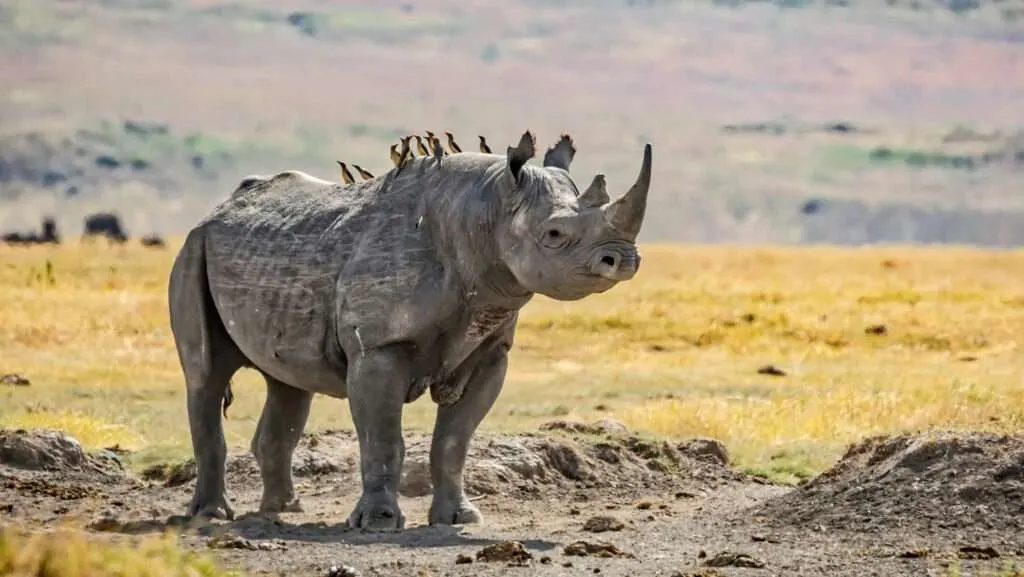
How Anti-Poaching Rangers Protect Uganda’s Wildlife
Behind Uganda’s successful wildlife conservation story stands a genuinely dedicated anti-poaching ranger force, these professionals undertaking considerable personal risk and sustained effort protecting the country’s remarkable wildlife populations from illegal hunting and trafficking threats. How anti-poaching rangers protect Uganda’s wildlife reveals the genuine dedication and specific methods underlying this critical conservation work, this understanding helping visitors appreciate the considerable human effort supporting the wildlife they encounter during their safari.
Key Highlights
- Rangers conduct regular patrols covering considerable territory within protected areas
- Specialised training equips rangers with genuine tracking and enforcement capabilities
- Technology increasingly supports traditional ranger patrol methods and effectiveness
- Rangers face genuine personal danger given poachers’ sometimes armed, violent resistance
- Community relationship building represents an equally important ranger responsibility
- Visitor support through park fees directly funds this critical protective infrastructure
Why Regular Patrols Cover Considerable Territory
Rangers conduct regular patrols covering considerable territory within protected areas, this systematic patrol coverage representing anti-poaching work’s fundamental activity, rangers covering considerable ground on foot, by vehicle and sometimes by other means specifically to detect and deter illegal activity throughout their assigned protected area territory.
Why This Systematic Coverage Represents Genuine Deterrent Value
Regular, systematic patrol presence genuinely deters potential poaching activity through simple detection risk increase, visitors should understand this patrol work’s deterrent function extends beyond simply catching active poachers, this presence itself representing genuine protective value through discouraging attempted illegal activity in the first place.
Specialised Training for Tracking and Enforcement
Specialised training equips rangers with genuine tracking and enforcement capabilities, rangers undergo specific training in tracking techniques, evidence identification and appropriate enforcement procedures, this professional training representing genuine skill development beyond simply basic patrol presence alone.
Technology Supporting Traditional Methods
Technology increasingly supports traditional ranger patrol methods and effectiveness, modern anti-poaching efforts increasingly incorporate technology like GPS tracking, camera traps and sometimes aerial surveillance, this technological support genuinely enhancing traditional ground patrol methods’ overall effectiveness and coverage capability.
Why Technology Integration Represents Genuine Capability Enhancement
Traditional ground patrol methods alone face genuine coverage limitations given protected areas’ considerable size, technological tools genuinely extending ranger capability beyond what ground patrols alone could achieve, this integration representing meaningful evolution in anti-poaching effectiveness over recent years.
Genuine Personal Danger Rangers Face
Rangers face genuine personal danger given poachers’ sometimes armed, violent resistance, anti-poaching work involves genuine physical risk, some poaching operations involving armed, dangerous individuals willing to violently resist ranger intervention, this genuine danger representing serious occupational risk rangers accept in pursuing this critical conservation work.
Why This Genuine Danger Deserves Visitor Recognition and Respect
Rangers’ willingness to accept genuine personal danger protecting wildlife deserves genuine visitor appreciation and respect, understanding this occupational risk helps visitors recognise anti-poaching work as considerably more demanding and dangerous than simple patrol duty might initially suggest.
Community Relationship Building
Community relationship building represents an equally important ranger responsibility, effective anti-poaching work extends beyond direct enforcement to include genuine community relationship building, rangers often working to build trust and cooperation with local communities, this relationship work helping address poaching’s underlying economic and social drivers rather than relying exclusively on enforcement alone.
Visitor Support Through Park Fees
Visitor support through park fees directly funds this critical protective infrastructure, park entrance and activity fees visitors pay typically fund considerable anti-poaching operational costs, including ranger salaries, equipment and training, visitors should understand their park fees directly support this critical protective work beyond simply funding their own visit experience.
Why Understanding This Funding Connection Adds Meaning to Visits
Recognising that park fees directly fund anti-poaching protection transforms simple park entrance payment into genuine conservation contribution, visitors should appreciate this funding connection, this understanding adding meaningful context to standard park fee payment beyond simply viewing it as a necessary transaction cost.
Understanding Poaching’s Underlying Economic Drivers
Visitors should understand that poaching often stems from genuine economic desperation and limited alternative livelihood options within surrounding communities, rather than simply malicious intent alone, this understanding helping explain why effective anti-poaching work genuinely requires addressing underlying economic drivers alongside direct enforcement activity.
Why Addressing Economic Drivers Matters Alongside Direct Enforcement
Enforcement alone rarely resolves poaching’s underlying economic causes, effective anti-poaching strategies increasingly recognise this reality, incorporating genuine community economic development alongside traditional enforcement, this combined approach generally proving more sustainable than enforcement-only strategies addressing symptoms without underlying causes.
International Wildlife Trafficking Networks
Visitors should understand that poaching sometimes connects to considerably larger international wildlife trafficking networks extending well beyond individual local poachers, this broader criminal network context explaining why anti-poaching work sometimes involves coordination with international law enforcement beyond simply local park-level enforcement alone.
Why This International Dimension Adds Genuine Complexity
Local poaching activity sometimes connects to sophisticated international trafficking operations, this connection requiring anti-poaching coordination extending beyond simple local park enforcement, visitors should understand this broader complexity underlying what might initially appear as simply local wildlife protection work.
Rangers’ Multi-Day Patrol Deployments
Visitors should understand that ranger patrol work sometimes involves multi-day deployments deep within protected area territory, away from standard facilities and comfort, this demanding deployment pattern representing genuine occupational hardship beyond standard daily shift work that many other professions typically involve.
How Rangers Collect Evidence for Prosecution
Visitors should understand that rangers’ work extends beyond simply patrol and deterrence to include genuine evidence collection supporting eventual prosecution of apprehended poachers, this evidence-gathering responsibility requiring specific training in proper documentation and chain-of-custody procedures that genuine legal prosecution requires.
Why Proper Evidence Collection Deserves Genuine Professional Attention
Successful prosecution requires properly collected, documented evidence meeting legal standards, rangers’ training specifically addresses this evidence-collection responsibility, this professional capability representing genuine skill development beyond simply physical patrol presence or enforcement capability alone.
Frequently Asked Questions
What does regular ranger patrol work actually involve?
Systematic coverage of protected area territory specifically to detect and deter illegal poaching activity.
Do rangers receive specific professional training?
Yes, specialised training in tracking, evidence identification and appropriate enforcement procedures.
Does technology play a role in modern anti-poaching efforts?
Increasingly yes, GPS tracking, camera traps and surveillance technology support traditional patrol methods.
Is anti-poaching ranger work genuinely dangerous?
Yes, some poaching operations involve armed individuals willing to violently resist ranger intervention.
Do rangers work with local communities beyond direct enforcement?
Yes, community relationship building represents an equally important responsibility addressing underlying drivers.
Do my park fees actually support anti-poaching work?
Yes, these fees typically fund considerable ranger salaries, equipment and training costs directly.
Why Visitor Presence Itself Provides Additional Protective Value
Visitors should understand that their own presence throughout parks provides additional protective value beyond simply funding ranger operations through fees, increased legitimate visitor activity throughout protected areas genuinely increasing the overall human presence that itself contributes to deterring illegal activity alongside formal ranger patrol work.
Why Visitor Presence Adds a Genuine Additional Protective Layer
Beyond financial contribution, visitors’ physical presence throughout parks genuinely adds to overall human activity levels that complicate illegal poaching attempts, this additional protective dimension representing genuine value visitors provide simply through their legitimate park visits beyond financial contribution alone.
Recognising Rangers’ Work When You Encounter Them
Visitors encountering rangers during their safari should consider offering genuine, respectful appreciation for this demanding, important work, this simple acknowledgment helping rangers feel genuinely recognised for work that often receives less public attention and appreciation than it genuinely deserves given its critical conservation importance.
Why This Simple Acknowledgment Carries Genuine Meaning
Rangers performing demanding, sometimes dangerous work often receive limited public recognition for their genuine contribution, visitors offering sincere appreciation during any direct encounter provides meaningful acknowledgment that helps rangers feel genuinely valued for their important, often underappreciated conservation work.
Supporting Organisations Dedicated to Ranger Welfare
Visitors specifically interested in supporting ranger work beyond standard park fees should research organisations specifically dedicated to ranger welfare, equipment and training support, these dedicated organisations sometimes accepting direct donations specifically supporting ranger operational capability beyond standard government park funding alone.
Why Dedicated Ranger Support Organisations Deserve Specific Consideration
Standard park fees sometimes don’t fully cover rangers’ complete operational needs, dedicated support organisations specifically addressing equipment, training and welfare gaps that standard funding sometimes doesn’t fully address, visitors genuinely interested in supporting this work should research these particular organisations.
Why This Protective Work Underlies Every Successful Safari
Visitors should ultimately recognise that the very wildlife populations making safari travel possible exist specifically because of sustained, dedicated anti-poaching protection work, this foundational understanding helping visitors appreciate their entire safari experience as genuinely dependent on this often invisible, underappreciated protective infrastructure operating continuously throughout the region.
Asking Your Guide About Local Anti-Poaching Efforts
Visitors genuinely interested in learning more should ask their guide about specific local anti-poaching efforts within their particular park, guides often possessing genuine knowledge about recent operations, current challenges and specific conservation successes that add meaningful, current context beyond general understanding alone.
Why This Awareness Deserves a Place in Every Safari Itinerary
Tour operators and guides should consider incorporating genuine ranger and anti-poaching awareness into standard safari briefings, this inclusion helping ensure visitors across the board develop appropriate appreciation for this protective work, rather than leaving this understanding to only the most curious, independently researching visitors alone.
Recommended Safaris
Understanding rangers’ dedicated work adds genuine appreciation to the wildlife you encounter throughout your safari. Ready to plan your trip? Reach our team through our Book Now page and we’ll help with the details.




No comment