
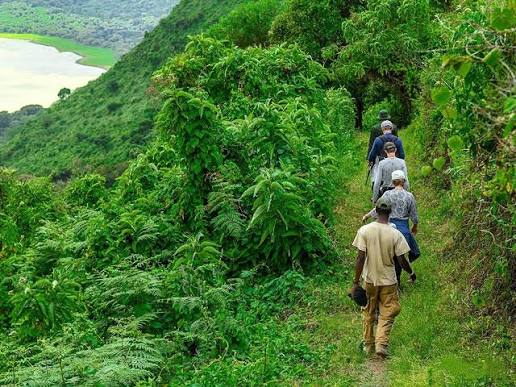
Hiking the Ngorongoro Highlands: Walking Routes Around Empakaai Crater
Hiking the Ngorongoro Highlands offers travellers an opportunity to explore one of Tanzania’s most beautiful volcanic landscapes on foot. While many visitors concentrate on wildlife drives inside Ngorongoro Crater, the surrounding highlands contain walking trails, forested mountains, Maasai communities and smaller volcanic craters. Empakaai Crater is particularly attractive because of its deep crater lake, peaceful surroundings and impressive views towards the Great Rift Valley.
Located within the Ngorongoro Conservation Area in northern Tanzania, Empakaai provides a quieter experience than the famous Ngorongoro Crater. Visitors can descend through highland forest towards the crater lake, watch birds and explore the surrounding countryside with authorised guides.
Whether you want a short crater walk or a longer trekking adventure, understanding the routes, terrain, weather and safety requirements will help you plan a comfortable journey.
Understanding the Ngorongoro Highlands
The Ngorongoro Highlands form part of Tanzania’s volcanic highlands, where ancient volcanic activity created mountains, valleys and large craters.
The landscape includes Ngorongoro Crater, Olmoti Crater, Empakaai Crater and several high mountain areas.
Unlike the open grasslands of the Serengeti, the highlands contain forests, agricultural settlements and areas of thick vegetation.
Temperatures are generally cooler because much of the region lies more than 2,000 metres above sea level.
Maasai communities also live within parts of the conservation area, where pastoral traditions remain important.
Walking through the highlands allows you to observe landscapes and daily activities that are difficult to appreciate during a vehicle safari.
However, all walking activities inside the Ngorongoro Conservation Area require advance arrangements and an armed ranger.
Empakaai Crater: The Main Hiking Attraction
Empakaai is a volcanic caldera located northeast of the better-known Ngorongoro Crater.
It measures approximately six kilometres across and contains a large alkaline lake covering much of its floor.
The surrounding crater walls rise steeply above the water.
Forest vegetation grows along sections of the slopes, providing habitat for birds and other wildlife.
Depending on weather conditions, visitors standing on the rim may see Ol Doinyo Lengai, the distinctive volcanic mountain near Lake Natron.
The lake sometimes attracts flamingos, although sightings vary according to water conditions and food availability.
Empakaai is best explored with sufficient time to enjoy the views and complete the walk without rushing.
Hiking Routes Around Empakaai Crater
Several walking options are available in the surrounding highlands.
Some require only a few hours, while others form part of longer trekking programmes involving overnight camping.
1. Empakaai Crater Rim Walk
The crater rim provides impressive views of the lake and surrounding mountains.
This option suits visitors who prefer a shorter walk without descending to the crater floor.
Your guide can select an authorised viewpoint or walking section according to weather conditions and ranger instructions.
On clear days, you may see the lake far below, forested slopes and distant volcanic landscapes.
Clouds sometimes cover the crater suddenly, reducing visibility.
For this reason, early visits often provide better opportunities for photography, although clear conditions cannot be guaranteed.
A rim visit is particularly suitable for travellers with limited time or those who find steep climbs difficult.
2. Empakaai Crater Rim to the Lake
The descent from the crater rim towards the lake is the most popular Empakaai hiking experience.
The trail passes through highland forest before reaching the lower crater slopes.
The descent can take approximately 45–75 minutes, depending on trail conditions and your walking speed.
The return climb is more demanding.
You should allow around 2.5–4 hours for the complete walking experience, including rest stops and time near the lake.
The trail becomes slippery during wet weather.
Comfortable hiking boots with reliable grip are essential.
Although the distance is relatively short, the steep ascent and high altitude can make the return journey tiring.
3. Olmoti Crater Walk
Olmoti Crater provides another excellent walking experience in the Ngorongoro Highlands.
The walk generally begins near Nainokanoka.
A relatively steep path leads towards the crater rim, with a typical ascent taking approximately 30–45 minutes.
From the upper sections, visitors can enjoy views across the highland landscape.
The Munge River and its waterfall are among the area’s main natural attractions.
Olmoti is often included in longer hiking itineraries before travelling towards Empakaai.
4. Nainokanoka to Empakaai Highlands Trek
Experienced walkers can explore longer routes through the highlands between Nainokanoka and Empakaai.
These routes may pass grasslands, remote settlements and mountain scenery.
Walking distances depend on the chosen itinerary and authorised access.
Some programmes involve several hours of trekking and overnight camping.
The experience is suitable for travellers who enjoy remote countryside walks and are comfortable with basic camping facilities.
Because distances and route conditions vary, arrange this journey through an experienced trekking operator.
5. Empakaai Towards Lake Natron
Longer trekking itineraries can continue beyond Empakaai towards the Great Rift Valley and Lake Natron.
These journeys pass through changing landscapes as the route descends towards lower elevations.
Some sections offer views towards Ol Doinyo Lengai.
The trek usually requires several days, depending on the starting point and itinerary.
It is more demanding than the standard Empakaai crater walk.
Travellers should expect extended walking hours, changing temperatures and potentially remote camping locations.
Comparing Ngorongoro Highlands Walking Routes
| Walking route | Estimated walking time | Difficulty | Main attractions |
|---|---|---|---|
| Empakaai rim viewpoints | 30–90 minutes | Easy to moderate | Crater lake views, volcanic scenery |
| Empakaai crater lake descent | 2.5–4 hours | Moderate to challenging | Forest, alkaline lake, birdwatching |
| Olmoti Crater walk | 1–2 hours | Moderate | Highland scenery, Munge waterfall |
| Nainokanoka to Empakaai | Full day or longer | Challenging | Grasslands, remote countryside |
| Empakaai to Lake Natron | Multi-day trek | Challenging | Rift Valley scenery, volcanic landscapes |
These estimates exclude vehicle transfers and depend on the specific route approved for your visit.
Wildlife and Birdwatching Around Empakaai
Although Empakaai is mainly known for its scenery, the surrounding forests and grasslands support different wildlife species.
Visitors may encounter buffaloes, monkeys and various antelope species.
Wildlife sightings are never guaranteed.
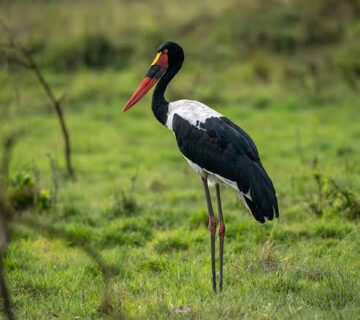
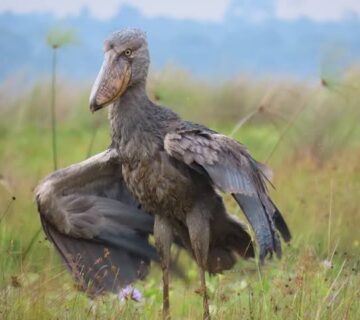
The crater lake sometimes attracts flamingos, while other birds occupy the surrounding woodland.
You may also hear forest birds before seeing them.
Carry binoculars if you enjoy birdwatching.
Keep a respectful distance from all animals and follow ranger instructions throughout the walk.
Because buffaloes and other potentially dangerous wildlife occur in the area, visitors must never attempt independent hiking.
Walking Through Maasai Cultural Landscapes
The Ngorongoro Highlands are also home to Maasai communities.
During longer walks, you may pass settlements, grazing areas and livestock routes.
Cattle, goats and sheep remain important to many pastoral households.
A guided cultural visit can provide an opportunity to learn about local traditions and everyday responsibilities.
However, always ask permission before photographing residents or entering private areas.
Avoid treating communities as tourist attractions without their consent.
If you want a cultural experience, request an authorised visit arranged respectfully with local residents.
Best Time for Hiking Empakaai Crater
The Ngorongoro Highlands can be visited throughout the year, although rainfall affects walking conditions.
Generally, the drier months offer more comfortable trekking conditions.
The crater’s forested slopes may remain damp even when surrounding areas appear dry.
Seasonal Hiking Conditions
| Period | Typical conditions | Hiking considerations |
|---|---|---|
| January–February | Often relatively dry | Good walking opportunities |
| March–May | Main rainy period | Muddy, slippery trails |
| June–August | Generally drier and cooler | Comfortable walking temperatures |
| September–October | Often relatively dry | Suitable for longer treks |
| November–December | Short rains possible | Variable trail conditions |
Weather patterns are not identical every year.
Check the forecast and current trail conditions before travelling.
Altitude and Physical Fitness
Empakaai Crater lies at a considerable elevation, with sections of the rim exceeding 2,500 metres above sea level.
At this altitude, some visitors may become breathless more quickly than expected.
The return climb from the lake is particularly demanding.
You do not need advanced mountaineering experience for the standard crater walk, but reasonable fitness is important.
If you have recently arrived from sea level, consider spending time at moderate elevation before undertaking strenuous activities.
Walk slowly, drink water regularly and take breaks when necessary.
Tell your guide immediately if you develop unusual breathlessness, dizziness or a persistent headache.
Travellers with medical concerns should seek appropriate advice before planning high-altitude activities.
What to Pack for Hiking the Ngorongoro Highlands
Conditions can change quickly in the highlands.
Warm sunshine may give way to mist, wind or rainfall.
Pack clothing that allows you to adjust comfortably.
| Item | Recommended use |
|---|---|
| Hiking boots | Grip on steep and slippery trails |
| Light rain jacket | Protection from rain and wind |
| Warm fleece | Cooler mornings and evenings |
| Drinking water | Hydration during walking |
| Packed lunch | Longer hiking programmes |
| Walking poles | Support on steep descents and climbs |
| Binoculars | Birdwatching |
| Small backpack | Carrying personal belongings |
| Sunscreen | Protection during exposed sections |
| Camera | Landscape and wildlife photography |
For a half-day walk, carrying approximately 1.5–2 litres of water per person is a reasonable starting point, although individual needs vary.
Ask your guide whether additional supplies are necessary.
Guides, Rangers and Hiking Regulations
Walking activities inside the Ngorongoro Conservation Area must be organised in advance.
The Ngorongoro Conservation Area Authority requires visitors undertaking walking activities to be accompanied by an armed ranger.
Your safari operator should arrange the appropriate permissions, ranger services and guide.
Visitors must remain on authorised routes.
Do not attempt to descend the crater independently or approach wildlife without permission.
Conservation fees, walking charges and ranger arrangements may apply.
Confirm the current costs with your operator because fees and regulations can change.
A Sample Two-Day Empakaai Hiking Itinerary
A two-day programme allows you to explore the highlands without rushing.
Day 1: Olmoti Crater and Highland Scenery
Begin your journey near the Ngorongoro Crater area.
Travel towards Nainokanoka and meet your ranger.
Enjoy a guided walk towards Olmoti Crater and observe the surrounding mountain scenery.
After the walk, continue towards your arranged accommodation or permitted camping location.
Spend the evening resting and preparing for the following day.
Day 2: Empakaai Crater Hiking
Start early and travel to the Empakaai trailhead.
Enjoy views from the crater rim before beginning the descent.
Walk through forest towards the lake while observing vegetation and birds.
After reaching the designated lower viewpoint or lakeshore area, take a break.
Return uphill at a comfortable pace.
Continue to your next safari destination after completing the walk.
Combining Empakaai Hiking With a Tanzania Safari
Empakaai works particularly well as an addition to a northern Tanzania safari.
You can combine it with a wildlife drive in Ngorongoro Crater, a visit to Lake Manyara or a longer journey towards Serengeti National Park.
Travellers interested in geology may also consider Olduvai Gorge.
For a more demanding adventure, longer trekking programmes can continue towards Lake Natron.
Allow sufficient travelling time between destinations, particularly because some highland roads are rough.
A four-wheel-drive vehicle is generally appropriate for reaching more remote trailheads.
Practical Tips for Planning Your Empakaai Walk
Before booking, ask your operator to confirm the walking distance, expected elevation changes and available accommodation.
Check whether the route includes a descent to the crater lake or only viewpoints along the rim.
These are different experiences.
You should also confirm whether your package includes conservation fees, ranger services, meals and transport.
If you are travelling with children or older family members, discuss their fitness and walking experience.
During rainy conditions, your guide may recommend changing the route.
Accept these adjustments when necessary.
A safe, comfortable walk is more enjoyable than attempting a difficult trail under unsuitable conditions.
Hiking the Ngorongoro Highlands gives you a different perspective on northern Tanzania’s natural scenery. Empakaai Crater offers beautiful lake views, forest walking and opportunities for birdwatching, while neighbouring Olmoti and the surrounding highland routes provide additional experiences.
You can choose a short crater visit, a guided descent towards the lake or a longer trekking adventure through the volcanic mountains.
Whatever route you select, arrange an authorised ranger, prepare for changing weather and allow enough time to enjoy the journey comfortably.
For travellers who appreciate walking, quiet landscapes and outdoor adventure, Empakaai is a worthwhile addition to a Tanzania safari.





No comment