
Cycling Along the Nile in Uganda: Route Ideas and Road Safety
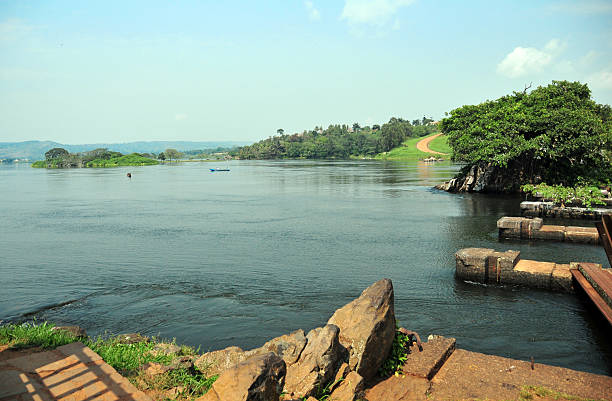
Cycling along the Nile in Uganda offers an enjoyable way to explore the countryside, meet local communities and experience the natural beauty surrounding Africa’s longest river. Around Jinja, you can ride through small villages, farming areas, quiet roads and scenic landscapes overlooking the River Nile. Whether you prefer a short morning ride or a full-day cycling adventure, several routes allow you to discover Uganda at a comfortable pace.
Unlike travelling in a safari vehicle, cycling gives you time to observe everyday village activities, stop at local markets and enjoy the countryside. However, planning your route carefully is important because Uganda’s roads vary considerably in surface quality, traffic levels and safety.
This guide explains the best Nile cycling routes in Uganda, suitable bicycles, recommended stops, road safety precautions and practical advice for planning your adventure.
Why Choose Cycling Along the Nile in Uganda?
Jinja is one of Uganda’s most popular adventure destinations. Located near the point where the Victoria Nile flows out of Lake Victoria, the town provides access to cycling routes, boat trips, white-water rafting and cultural experiences.
The surrounding countryside contains sugarcane plantations, banana gardens, small trading centres and rural communities.
Cycling allows you to explore these places without rushing.
You can stop to watch fishermen preparing their boats, observe birds along the riverbanks or purchase fresh fruit from roadside vendors.
Many cycling routes use village tracks and smaller roads, although some sections involve busier streets.
A guided ride is particularly useful if you are unfamiliar with local traffic conditions.
Best Cycling Routes Along the Nile in Uganda
The most suitable cycling routes are concentrated around Jinja, Bujagali and the surrounding countryside.
Your choice should depend on your fitness, available time and experience riding on uneven surfaces.
1. Jinja Town to the Source of the Nile
The Source of the Nile area is a suitable starting point for visitors who want a relatively short cycling experience.
You can begin in Jinja town and explore quieter neighbourhood streets before continuing towards the river.
The route introduces you to Jinja’s colonial-era buildings, local businesses, markets and everyday community life.
Once you reach the Source of the Nile tourism area, you can stop for photographs or arrange a boat excursion.
Because roads around the town can become busy, a local guide should select suitable streets and crossing points.
Recommended experience:
Explore historical streets in Jinja.
Visit the Source of the Nile tourism area.
Stop at a local café.
Observe fishing activities where access is permitted.
Combine cycling with a short boat excursion.
This route works well for beginners and travellers with limited time.
2. Bujagali Village Cycling Route
Bujagali is located downstream from Jinja and is known for its beautiful river surroundings.
The area offers opportunities for cycling through villages, cultivated land and smaller countryside tracks.
Some trails pass banana plantations and gardens where residents grow crops for local markets.
You may encounter schoolchildren walking home, farmers carrying produce and cyclists transporting goods.
These everyday scenes make the journey interesting.
The terrain includes occasional hills, loose gravel and uneven surfaces.
A mountain bike is therefore more practical than a narrow-tyred road bicycle.
Allow approximately two hours for a relaxed guided cycling experience, depending on your chosen route.
3. Bujagali to Itanda Falls
For experienced riders, the countryside between Bujagali and Itanda Falls offers a more demanding cycling adventure.
The route passes through rural communities and landscapes near sections of the Nile known for strong rapids.
Itanda Falls is an impressive location where you can observe powerful river currents from designated viewing areas.
However, the cycling route is not a continuous riverside path.
You will travel along a combination of village roads, tracks and countryside trails.
Some sections become slippery after heavy rainfall.
A guide familiar with the area can select suitable tracks according to your cycling ability.
Plan a full day if you want regular breaks, sightseeing and time at Itanda Falls.
4. Bugembe Viewpoint and Jinja Countryside
Cycling towards Bugembe provides an alternative experience for visitors interested in countryside scenery.
Some guided routes include viewpoints overlooking parts of Lake Victoria and the surrounding landscape.
Expect a mixture of paved roads, slopes and local streets.
The climbing sections require more effort, particularly during warm weather.
However, the elevated areas provide opportunities for landscape photography.
You can combine this experience with a visit to Jinja town or a separate Nile excursion.
Comparing Nile Cycling Routes
The following table provides approximate planning estimates. Actual distances depend on the tracks selected by your guide.
| Cycling route | Suggested duration | Difficulty | Main attractions |
|---|---|---|---|
| Jinja town and Source of the Nile | 1–2 hours | Easy to moderate | Town scenery, river views, local culture |
| Bujagali village trails | 1.5–3 hours | Moderate | Farming communities, rural tracks |
| Bujagali to Itanda Falls | Half to full day | Moderate to challenging | Countryside, river rapids, waterfalls |
| Bugembe viewpoint circuit | 2–4 hours | Moderate | Hills, viewpoints, local communities |
| Extended Jinja countryside ride | 4–6 hours | Moderate to challenging | Villages, agricultural landscapes, river stops |
These times are estimates rather than fixed tour schedules.
Always confirm the route length, terrain and expected cycling time before booking.
Choosing the Right Bicycle for Nile Cycling
Most countryside cycling around Jinja involves gravel roads, compacted earth and occasional rocky sections.
For these conditions, a mountain bike is generally the best choice.
A bicycle with wider tyres provides better control over loose surfaces.
Front suspension can also improve comfort when travelling over uneven tracks.
Before starting, check the brakes, tyres, chain and gears.
If you are renting a bicycle, take a short test ride to confirm that the saddle height and frame size suit you.
Bicycle Options Compared
| Bicycle type | Best use | Suitability |
|---|---|---|
| Mountain bike | Village tracks and gravel roads | Highly suitable |
| Hybrid bicycle | Smooth roads and light gravel | Suitable for selected routes |
| Road bicycle | Good-quality paved roads | Limited suitability |
| Electric mountain bike | Longer rides with hills | Suitable where rentals are available |
| Children’s bicycle | Short supervised family rides | Depends on size and route |
Ask whether the rental package includes a helmet, spare tube, pump and basic repair tools.
Road Safety When Cycling in Uganda
Road safety deserves serious attention when planning a cycling adventure.
Uganda has busy highways, motorcycles, pedestrians and commercial vehicles sharing many roads.
Traffic conditions can change quickly, especially near trading centres.
Keep Left and Follow Traffic Rules
Vehicles travel on the left side of Ugandan roads.
Cyclists should follow the same traffic direction while using the appropriate side of the road.
Stay visible and maintain a predictable riding position.
Avoid weaving around pedestrians or parked vehicles.
Before turning, check behind you and communicate clearly with other road users.
Avoid Busy Highways
The Kampala–Jinja highway carries substantial traffic and is unsuitable for a relaxed recreational cycling trip.
Whenever possible, choose quieter village roads with limited vehicle movement.
You should also avoid riding on expressways or roads where bicycles are prohibited.
If your intended route requires a dangerous crossing, ask your guide to arrange a safer alternative.
Wear a Proper Cycling Helmet
Always wear a correctly fitted helmet.
Choose one that sits securely on your head without moving excessively.
Bright clothing helps drivers notice you, particularly in shaded areas.
Reflective materials improve visibility, although daylight riding remains preferable.
Avoid Cycling After Dark
Riding after sunset increases the risk of accidents.
Some rural roads have limited lighting, unexpected potholes and vehicles travelling without adequate lights.
Animals and pedestrians may also appear suddenly.
Plan to finish your ride well before darkness.
Essential Cycling Safety Checklist
| Safety item | Purpose |
|---|---|
| Cycling helmet | Reduces the risk of serious head injury |
| Bright clothing | Improves visibility |
| Water bottle | Supports hydration |
| Fully charged phone | Communication and navigation |
| Basic first-aid supplies | Minor injuries |
| Spare inner tube | Puncture repairs |
| Sunscreen | Sun protection |
| Small backpack | Carries personal belongings |
| Cycling gloves | Improves grip and comfort |
| Guide’s contact details | Useful during unexpected delays |
For longer rides, travel with someone who knows the route and can assist if mechanical problems occur.
Birdwatching Stops Along the Nile
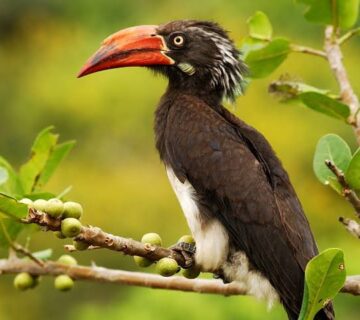
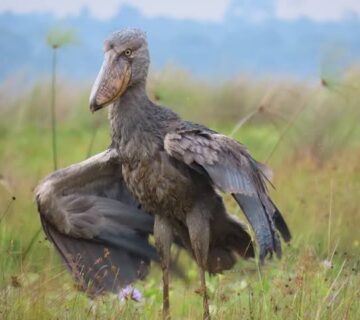
Cycling near the Nile provides opportunities to observe Uganda’s birdlife.
Riverbanks, wetlands, cultivated fields and woodland patches attract different species.
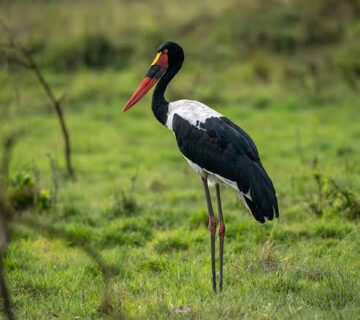
You may encounter pied kingfishers, African fish eagles, cattle egrets and several other birds.
Sightings depend on the habitat, season and time of day.
Early mornings are particularly enjoyable because temperatures are cooler and many birds are active.
If birdwatching interests you, carry lightweight binoculars and request occasional stops.
Avoid leaving established paths or approaching nesting birds.
Visiting Local Communities Responsibly
One attraction of cycling in Uganda is the opportunity to observe rural life.
However, remember that the villages you pass through are people’s homes.
Always ask permission before photographing residents, children or private property.
Respect farms and avoid cycling through cultivated fields.
When visiting markets, park your bicycle somewhere safe and follow your guide’s advice.
Purchasing fruit, refreshments or locally made products can contribute directly to small businesses.
A simple greeting also helps create friendly interactions.
Best Time for Cycling Along the Nile
Cycling is possible throughout much of the year, but weather conditions influence comfort and trail quality.
Uganda’s rainfall varies between regions and seasons.
Around Jinja, relatively drier periods often occur between December and February and during parts of June to August.
However, rain can fall outside these periods.
After heavy rain, unpaved tracks may become muddy and difficult to negotiate.
Choosing Your Cycling Time
| Time | Conditions | Recommendation |
|---|---|---|
| 7:00–9:00 am | Usually cooler | Excellent for longer rides |
| 9:00–11:00 am | Temperatures increasing | Suitable with water breaks |
| 11:00 am–3:00 pm | Often hotter | Limit strenuous riding |
| 3:00–5:30 pm | Generally cooler | Suitable for shorter rides |
| After sunset | Reduced visibility | Avoid recreational cycling |
Start early when possible, particularly if you are planning a demanding route.
Combining Cycling With Other Jinja Activities
You can easily include cycling within a wider Jinja adventure itinerary.
For example, spend the morning exploring countryside trails before enjoying lunch near the Nile.
In the afternoon, you might arrange a guided boat trip or visit the Source of the Nile.
Travellers seeking more adventure can consider white-water rafting on a separate day.
If you prefer a quieter experience, combine cycling with birdwatching or a cultural walk.
Avoid scheduling several physically demanding activities without adequate rest.
A Sample One-Day Nile Cycling Itinerary
| Time | Activity |
|---|---|
| 7:30 am | Meet your guide and check equipment |
| 8:00 am | Begin countryside cycling |
| 9:00 am | Stop for photographs and refreshments |
| 10:00 am | Continue through village tracks |
| 11:00 am | Return towards the starting point |
| 12:00 pm | Lunch and relaxation |
| 2:00 pm | Optional Source of the Nile visit |
| 4:00 pm | Return to your accommodation |
This schedule is suitable for travellers who want a relaxed cycling experience without spending the entire day riding.
Practical Tips Before Booking
Before confirming your cycling tour, ask the operator several questions.
Find out whether the route uses public roads, village tracks or dedicated cycling paths.
Confirm the estimated distance and elevation changes.
You should also establish whether helmets, water and repair equipment are included.
If you are travelling with children, ask about minimum ages, bicycle sizes and supervision arrangements.
Inform your guide about your cycling experience and any physical limitations.
For longer rides, confirm whether emergency transport or vehicle support can be arranged.
Most importantly, choose a route that matches your abilities.
Cycling along the Nile in Uganda offers a rewarding way to experience Jinja’s countryside, riverside scenery and community life. Short rides around Jinja and Bujagali suit visitors looking for a relaxed outing, while longer routes towards Itanda Falls provide a greater physical challenge.
Good preparation makes the experience more enjoyable. Choose a suitable bicycle, avoid busy highways, follow local traffic rules and travel with an experienced guide when exploring unfamiliar routes.
With a comfortable pace and sensible safety precautions, a Nile cycling adventure can become one of the most memorable activities during your Uganda holiday.


No comment