
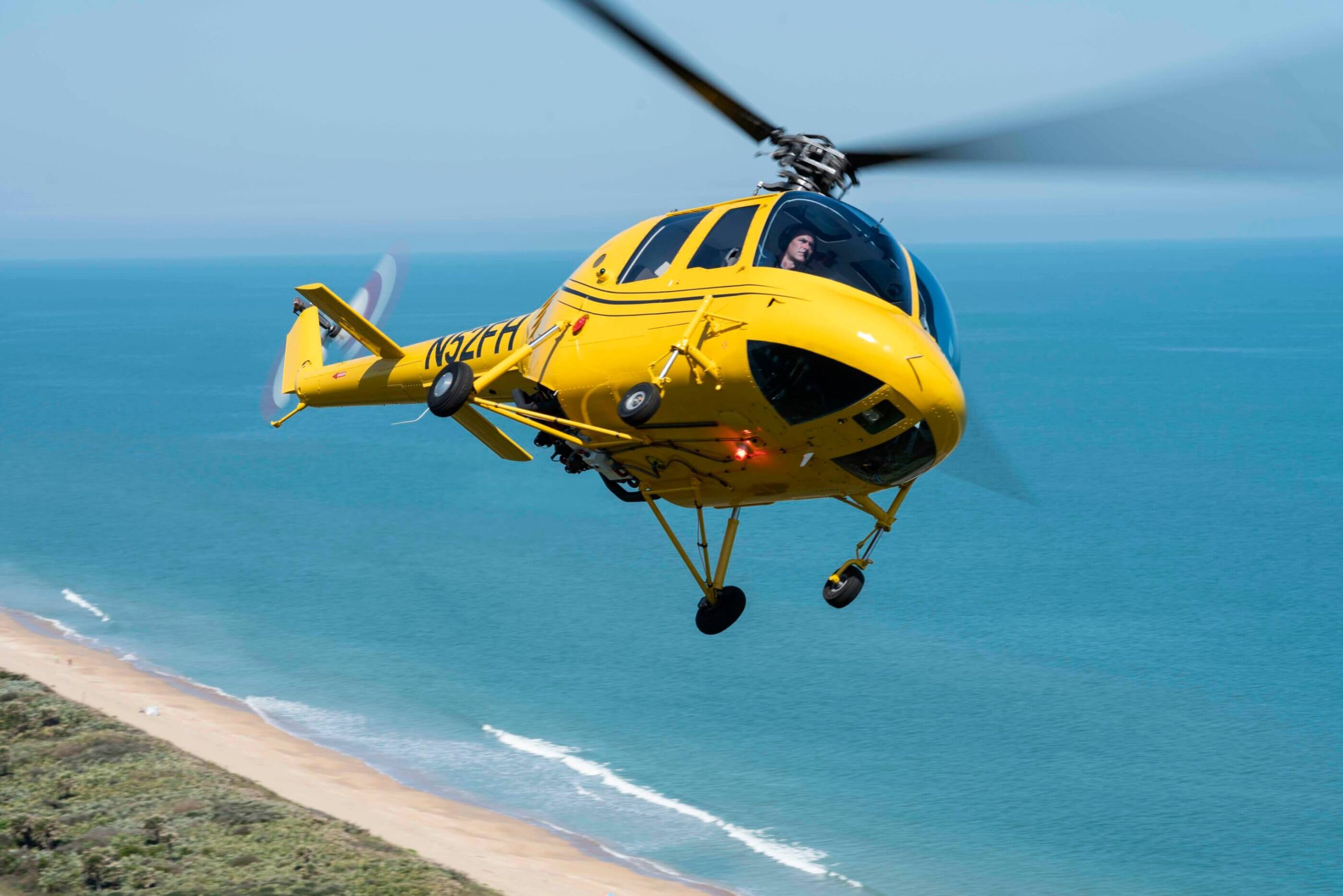
Helicopter Tours in East Africa: Scenic Flights and Wildlife Views
Understanding Helicopter Tours in East Africa
Helicopter tours offer a different way to experience East Africa’s landscapes, mountains, lakes, forests and wildlife habitats. While traditional safaris rely on road transfers, guided game drives and walking excursions, a helicopter flight allows travellers to appreciate the region from above. The aerial perspective reveals the scale of national parks, the shape of volcanic mountains, the winding courses of rivers and the contrast between open savannahs and dense tropical forests.
East Africa has several destinations where scenic helicopter flights can form part of a wider holiday. Travellers may explore mountain scenery around the Rwenzori range in Uganda, view the dramatic landscapes of Kenya’s Great Rift Valley, appreciate the volcanic terrain of northern Tanzania or arrange aerial experiences around selected destinations in Rwanda. Availability depends on the location, operator, aircraft, permissions and prevailing conditions.
Helicopter tours are generally more flexible than conventional sightseeing flights because helicopters can operate from suitable landing areas that may not require a long runway. However, this does not mean they can land anywhere. Every flight must comply with aviation regulations, and landing locations may require permission from landowners, park authorities or other responsible agencies.
Some experiences focus mainly on sightseeing, while others are designed around private transfers, aerial photography, luxury travel or access to remote destinations. A helicopter may also be used as part of a larger safari arrangement, connecting a traveller with a lodge or reducing the time needed to reach a particular area.
Travellers should distinguish between a scenic helicopter flight and a wildlife-viewing excursion. Seeing landscapes from above is often the primary purpose of a helicopter tour. Although passengers may occasionally see animals, wildlife sightings are not guaranteed, and the flight path may not be designed for close observation of particular species.
Why Choose a Helicopter Tour Instead of a Road Safari?
Road safaris remain one of the best ways to observe wildlife in East Africa. They allow visitors to spend time near animals, learn from experienced guides and explore different habitats at a pace suited to photography and wildlife observation. Helicopter tours provide a complementary experience rather than a complete replacement for ground-based activities.
The most obvious difference is the view. From the air, travellers can appreciate geographical features that may be difficult to understand from the ground. A river that appears as a narrow channel during a road trip may reveal a complex network of bends, islands and floodplains from above. Mountain slopes, crater lakes and forest boundaries also become easier to recognise.
Helicopter travel can save time on selected routes, particularly when destinations are far apart or separated by difficult terrain. A journey that would require a long road transfer may sometimes be completed more quickly by air, depending on the route and operating arrangements. This can be valuable for travellers with limited time or those combining several destinations in one holiday.
However, a helicopter flight is usually more expensive than an ordinary road transfer. Aircraft operating costs, fuel, crew requirements, positioning flights and landing arrangements all influence the price. Private charters may also include minimum flight times or additional charges for waiting and repositioning.
A helicopter tour is therefore best suited to travellers who value aerial scenery, have a specific destination in mind or want to add a distinctive experience to a safari. Those whose main priority is spending extended time with wildlife may receive better value from a well-planned game drive or guided walking safari.
Helicopter Tours in Uganda
Uganda has a varied landscape that makes aerial sightseeing particularly appealing. The country includes large freshwater lakes, extensive wetlands, forested mountains, open savannahs and agricultural landscapes. A helicopter flight can provide a broad perspective on these environments, although the available routes depend on the operator and the location from which the flight departs.
Entebbe and the wider Lake Victoria region can serve as starting points for certain charter and aerial experiences, subject to current availability. From above, travellers may appreciate the scale of Lake Victoria, the shoreline, nearby islands and the mixture of settlements and green landscapes around the lake. The actual route and duration must be confirmed with the operator.
For visitors travelling to western Uganda, the Rwenzori Mountains offer some of the country’s most dramatic scenery. Their rugged peaks, deep valleys and forested slopes create a striking contrast with the surrounding lowlands. Aerial views can help travellers understand the scale of this mountain system, but mountain flights require careful consideration of weather, cloud cover and terrain.
The region around Queen Elizabeth National Park contains savannah, wetlands, crater lakes and the Kazinga Channel. These landscapes are attractive from the air, and a helicopter may be considered for a suitable private charter or specialised aerial experience where permitted. Travellers should not assume that a scenic route or landing within the protected area is automatically available. Park rules, conservation requirements and aviation permissions must be confirmed before booking.
Murchison Falls is another landscape of considerable aerial interest. The Nile passes through a narrow gorge before continuing towards the broader river system and surrounding savannah. Viewing the area from above can reveal the relationship between the river, the falls and the surrounding landscape. However, access by helicopter depends on approved operating arrangements and applicable restrictions.
Travellers considering helicopter experiences in Uganda should confirm the departure point, planned route, flight duration and whether the service is a sightseeing flight or a private charter. They should also ask whether any proposed landing is permitted and whether the price includes transfers to and from the departure location.
Helicopter Tours in Kenya
Kenya offers a wide range of landscapes for aerial sightseeing, including the Great Rift Valley, volcanic formations, lakes, mountains and open plains. The country’s varied geography makes it attractive to travellers interested in combining helicopter experiences with traditional safari activities.
The Great Rift Valley is particularly impressive from above. Its escarpments, volcanic features, lakes and changing vegetation create a landscape that can be difficult to appreciate fully from the road. Depending on the departure location and approved route, a helicopter excursion may provide views of selected sections of this geological region.
The areas around Lake Naivasha and other Rift Valley lakes can also offer scenic aerial perspectives. Travellers may see the lake shorelines, agricultural areas, wooded hills and surrounding terrain. The quality of the experience depends on visibility, the route and the time available in the air.
Kenya’s mountain landscapes provide another possible focus. Mount Kenya, with its high peaks and surrounding forests, offers dramatic scenery for suitable flights. Weather conditions can change quickly around high terrain, so pilots must assess visibility, cloud cover and other operating factors before proceeding.
In some private conservancies and safari areas, helicopter services may be available for transfers or specialised experiences. However, availability should be confirmed for the specific property or destination. A flight to a conservancy is not necessarily the same as a helicopter safari over wildlife areas, and landing permissions may be restricted.
Although the Maasai Mara is internationally known for wildlife viewing, travellers should not assume that a helicopter can freely fly low over animals or land within any part of the reserve. Aircraft operations are subject to applicable regulations, conservation policies and site-specific permissions. Where aerial sightseeing is permitted, responsible operators should prioritise safety and minimise disturbance to wildlife.
A helicopter tour can work well as an addition to a Kenyan safari, especially for visitors who want to experience both ground-level wildlife viewing and a broader aerial perspective. It should be planned around the main itinerary rather than treated as a guaranteed opportunity to see specific animals.
Helicopter Tours in Tanzania
Tanzania is known for its extensive wilderness areas, volcanic landscapes, large lakes and mountain scenery. Helicopter flights may appeal to travellers seeking an aerial view of the country’s varied geography, although the routes and services available differ between regions.
The northern safari circuit includes the Serengeti, Ngorongoro Conservation Area, Lake Manyara and Tarangire. These destinations contain open plains, woodland, river systems, volcanic terrain and seasonal wildlife habitats. From above, travellers can appreciate how these landscapes connect across a much larger region.
The Serengeti is especially associated with the Great Migration, when wildebeest and other grazing animals move through different areas in response to rainfall and grazing conditions. Aerial views can provide a broader sense of the grasslands and river systems that shape animal movement. However, a helicopter tour does not guarantee a view of the migration. Wildlife distribution changes throughout the year, and the route, timing and applicable flight restrictions affect what passengers may see.
The Ngorongoro highlands offer a different type of scenery. Volcanic formations, highland vegetation and the broader conservation landscape create strong contrasts between elevated terrain and lower grasslands. Travellers interested in geology and landscape photography may find an aerial perspective particularly rewarding.
Mount Kilimanjaro is another major attraction for visitors interested in mountain scenery. Its volcanic structure and high summit dominate the surrounding landscape. Any helicopter experience associated with the mountain must operate within the applicable aviation rules and weather limitations. A flight should not be booked on the assumption that the aircraft will reach a particular altitude or circle the summit regardless of conditions.
Tanzania also has large lakes and coastal landscapes that may feature in private aviation arrangements. Availability varies considerably, so travellers should specify the exact destination and purpose when making an enquiry.
For safari visitors, a helicopter tour is often most practical when it complements a wider itinerary. A carefully planned flight may provide a memorable overview of the region, while game drives remain the better option for observing animal behaviour at ground level.
Helicopter Tours in Rwanda
Rwanda’s compact size and varied terrain make it an appealing destination for travellers interested in aerial views of hills, lakes, forests and volcanic landscapes. The country is known for its green highlands, terraced farmland, Lake Kivu and the Virunga volcanic region near Volcanoes National Park.
Aerial sightseeing around selected parts of Rwanda may provide a broad perspective on the country’s rolling hills and settlement patterns. Travellers can appreciate how the landscape rises and falls across the countryside, with cultivated slopes, forest patches and lakes forming a distinctive pattern.
Lake Kivu is one of Rwanda’s most recognisable natural features. Its shoreline, islands and surrounding hills create attractive scenery, particularly when visibility is good. Whether a helicopter tour is available in a particular area depends on the current service providers, flight permissions and departure arrangements.
The Virunga volcanic region is especially important for visitors planning gorilla trekking. The mountains and forests form part of a wider transboundary conservation landscape shared by Rwanda, Uganda and the Democratic Republic of the Congo. An aerial view may help travellers appreciate the scale of the volcanic terrain, but it should not be confused with the gorilla trekking experience itself.
Mountain gorilla trekking takes place under specific conservation and visitor-management rules. Helicopter flights should not be assumed to provide access to gorillas or a way to observe them from the air. Any proposed flight near protected habitats must comply with the relevant restrictions and be arranged through an authorised operator.
Travellers visiting Rwanda for gorilla trekking should also consider whether the extra cost of a helicopter tour fits their schedule and priorities. For many visitors, the main experience will remain the guided trek through the forest, while aerial sightseeing can be considered an optional addition where available.
Can You See Wildlife From a Helicopter?
Wildlife sightings are possible during some helicopter flights, but they depend on the destination, season, flight path, visibility and location of animals. The likelihood of seeing particular species cannot be guaranteed.
Large animals such as elephants, buffaloes, giraffes and herds of grazing antelope may sometimes be visible in open habitats. Rivers, wetlands and plains can also reveal animal concentrations when conditions are suitable. However, dense vegetation, terrain, shadows and the aircraft’s altitude may make animals difficult to identify.
Smaller animals are generally harder to spot from the air. Even when wildlife is visible, passengers may not have enough time to observe detailed behaviour or take clear photographs. A helicopter may pass over an area quickly, whereas a safari vehicle can remain in one location while a guide explains what is happening.
Responsible wildlife viewing is essential. Pilots should follow the rules that apply to the area and avoid manoeuvres that cause unnecessary disturbance. Repeated low passes, abrupt approaches or unauthorised landings can interfere with wildlife and other park activities.
Travellers should ask whether the flight is specifically designed for scenic sightseeing or wildlife observation. They should also ask how the operator manages flight paths around protected areas. A responsible provider should explain what is permitted and avoid promising close encounters that may not be possible or appropriate.
For photographers, an aerial flight can produce striking images of landscape patterns, rivers, lakes and broad wildlife habitats. However, those hoping for detailed photographs of individual animals may be better served by a ground safari with a knowledgeable guide and sufficient time at sightings.
The Best Time to Take a Helicopter Tour
The best time for a helicopter tour depends on the destination, weather patterns and the type of scenery a traveller wants to see. Clear visibility is important for landscape photography, mountain views and flights over large geographical features.
In many parts of East Africa, drier periods can offer favourable conditions for travel and sightseeing. Roads may be easier to navigate, and some landscapes have more open views. However, dry conditions do not guarantee clear skies, and haze can reduce visibility in some areas.
Rainy periods can produce lush vegetation, fuller rivers and greener hillsides. These conditions may be attractive for photography, particularly around lakes, forests and agricultural areas. At the same time, rain, low cloud and thunderstorms can affect flight schedules and visibility.
Mountain destinations require particular care because cloud cover can obscure peaks and valleys even when conditions appear clear elsewhere. A flight planned around the Rwenzori Mountains, Mount Kenya or Mount Kilimanjaro may need to be rescheduled if the weather does not allow a safe route or suitable views.
The time of day can also influence the experience. Morning flights may sometimes benefit from favourable visibility, while later flights can offer different lighting for photography. However, the best departure time depends on the operator’s schedule, local weather and the intended route.
Travellers should avoid choosing a date solely on the assumption that the weather will be ideal. If the aerial experience is a major part of the holiday, ask whether the operator allows changes when conditions are unsuitable and whether a rescheduled flight would be possible within the itinerary.
How Much Does a Helicopter Tour Cost?
Helicopter tours are generally among the more expensive optional activities available to safari travellers. The final cost depends on the country, departure location, aircraft type, flight duration, route, number of passengers and whether the service is shared or private.
A short scenic flight may cost less than a longer excursion involving a remote destination or a substantial amount of flying time. Private charters usually have higher overall costs because the traveller or group may be paying for the aircraft’s operating time rather than purchasing an individual seat on a scheduled sightseeing service.
Some operators price flights by the hour, while others offer a fixed rate for a particular route or experience. Additional charges may apply for positioning flights, waiting time, landing permissions, airport fees, ground transfers or changes to the original schedule.
The number of passengers also affects the cost per person. A private flight shared among several travellers may be more affordable per passenger than the same aircraft booked by one individual, provided the group remains within the aircraft’s approved capacity and weight limits.
Before booking, ask for a written quotation that identifies the flight duration, route, number of passengers, departure point and included services. Confirm whether the quoted time refers to actual flying time or the total duration of the excursion. These are not always the same.
Travellers should also clarify payment terms, cancellation conditions and the procedure for weather-related changes. A low headline price may not include every service required to complete the experience, so comparing the full quotation is more useful than comparing advertised starting prices alone.
Safety Considerations for Helicopter Tours
Safety should be a priority when choosing any helicopter experience. Travellers should book through a reputable operator that is authorised to provide the relevant commercial service and follows the applicable aviation regulations.
Ask which company will operate the flight and whether it holds the required approvals. If the tour is sold through a safari agency or lodge, confirm the identity of the actual aviation provider. This helps ensure that passengers know who is responsible for the aircraft and flight operations.
Pilots must consider weather, visibility, fuel requirements, aircraft performance, terrain and the suitability of any proposed landing site. A helicopter’s ability to hover or land in certain locations does not mean every location is safe or legally available for use.
Passengers should receive a safety briefing before departure. They should understand how to approach the helicopter, where to sit, how to secure seat belts and when it is safe to exit. Never approach the aircraft from an unapproved direction or move near the rotor system without clear instructions from the crew.
Loose hats, scarves, bags and other objects can be hazardous around rotor blades, particularly in windy conditions. Keep belongings secured and follow the crew’s directions throughout boarding and disembarkation.
Weather-related delays and cancellations should be treated as normal possibilities in aviation planning. A responsible operator may postpone or cancel a flight if conditions do not meet the required safety standards. Travellers should avoid choosing a provider solely because it promises to operate in circumstances where others have advised caution.
What to Wear and Bring on a Helicopter Tour
Clothing for a helicopter tour should suit the destination and the expected weather. Lightweight layers are useful because temperatures can differ between lowland areas, highland destinations and mountain regions. Travellers visiting a cool departure point before flying into a warmer area may appreciate having an extra layer available.
Comfortable clothing and secure footwear are practical choices, particularly if the tour includes a ground transfer or an approved stop away from the main airport. Loose clothing and accessories should be secured before approaching the aircraft.
Sunglasses may help with glare, while a camera or phone can be useful for recording the scenery if the operator permits their use. However, photography should never interfere with listening to instructions or following safety procedures.
Travellers should ask about camera equipment before departure. Large lenses, camera bags and other heavy items may affect the baggage arrangements, particularly on smaller aircraft. The operator may impose restrictions on equipment brought into the cabin.
Carry only the items needed for the excursion and confirm where bags will be stored. Do not assume that every helicopter has space for large backpacks or suitcases.
If you are prone to motion sickness, consider discussing suitable preventive measures with a healthcare professional before the flight. Travellers with medical or mobility concerns should inform the operator in advance so that the company can assess whether it can accommodate their needs safely.
Private Helicopter Charters and Luxury Safaris
Private helicopter charters can be useful for travellers who want greater flexibility in their itinerary. Depending on the operator and destination, a charter may connect selected airports, lodges or other approved landing locations without requiring passengers to follow a conventional scheduled route.
This arrangement can be attractive for luxury safaris, private groups, photographers and travellers with limited time. It may also help coordinate a complex itinerary involving several destinations, although every proposed landing and route remains subject to operational requirements and permissions.
A private charter should not be confused with an unrestricted flight. Pilots still need to assess weather, aircraft performance, fuel requirements and other safety factors. Landing at a lodge or private property requires suitable facilities and the necessary authorisation.
Travellers should provide their itinerary details early enough for the operator to evaluate the proposed route. Information about passenger numbers, luggage, mobility needs and preferred departure times can help determine which aircraft and arrangements are suitable.
When comparing a charter with road transfers, consider more than the time spent in the air. Ground transport to the departure point, airport procedures, positioning time and transfers from the landing site can affect the overall journey. A helicopter is most valuable when its route and timing offer a genuine advantage for the trip.
Combining Helicopter Tours With a Traditional Safari
A helicopter tour can complement a traditional safari by adding an aerial perspective to experiences that take place on the ground. The most effective itineraries allow each activity to serve a different purpose rather than trying to replace one with the other.
For example, a traveller visiting Uganda may combine a suitable scenic flight with game drives in Queen Elizabeth National Park or a visit to the Nile landscape around Murchison Falls. The helicopter experience would provide a broad view of the terrain, while the ground safari would allow closer observation of animals and habitats.
In Kenya, a scenic flight may complement time in a conservancy or national reserve. In Tanzania, an aerial experience may add another perspective to a northern circuit itinerary. In Rwanda, travellers may consider an available scenic flight alongside cultural visits, time around Lake Kivu or a gorilla trekking holiday.
The itinerary should allow sufficient time for transfers and possible flight changes. Avoid placing an expensive helicopter tour immediately before an essential international departure unless there is an appropriate contingency plan.
It is also important to match the flight to the main purpose of the trip. Travellers primarily interested in photography may prefer a route that focuses on scenery and lighting. Those seeking wildlife encounters should invest in guided game drives and other activities that allow time to observe animals responsibly.
Choosing the Right Helicopter Experience
The best helicopter tour is one that matches the traveller’s interests, budget, schedule and expectations. Some visitors want a short scenic flight over a lake or mountain landscape, while others need a private charter to connect remote destinations. These are different services and should be compared accordingly.
Start by identifying the landscape or destination you want to see. Then confirm whether a suitable flight is currently available, where it departs, how long it lasts and what route it follows. If wildlife viewing is a priority, ask what the operator can realistically offer without making guarantees about animal sightings.
Check the aircraft’s passenger capacity, luggage requirements, safety procedures and cancellation terms. Ask whether the flight is shared or private and whether the quoted price includes all required fees and transfers.
Travellers should also consider the environmental and conservation implications of the experience. Helicopters produce noise that can affect wildlife and other visitors, especially in sensitive habitats. Responsible operators should comply with local rules, respect protected areas and avoid unnecessary disturbance.
Finally, keep the rest of the safari in perspective. A helicopter tour can create memorable views of East Africa’s landscapes, but it is only one part of the travel experience. Combining aerial sightseeing with well-planned ground activities provides a more complete understanding of the region’s wildlife, geography and natural diversity.



No comment