
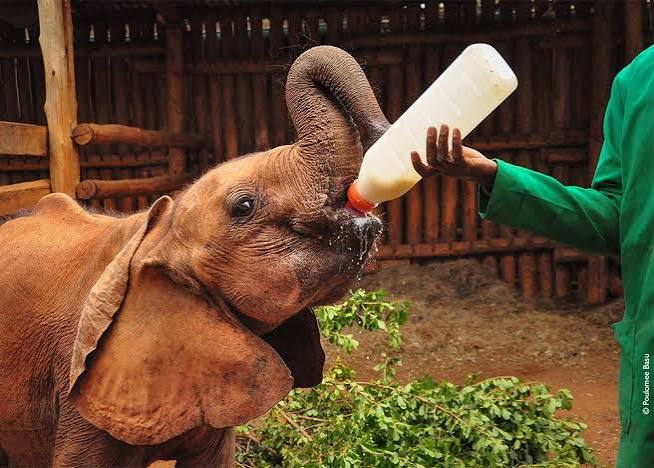
David Sheldrick Elephant Orphanage: Visiting Kenya’s Baby Elephants
For exactly one hour each day, visitors to Nairobi gather at a forest viewing area to watch orphaned baby elephants run in from the bush for their midday milk feed. The David Sheldrick Wildlife Trust’s Nairobi Nursery, home to one of the world’s most respected elephant and rhino rescue operations, offers a genuinely moving, carefully managed encounter with young orphans whose journey ultimately leads back to the wild.
Key Highlights
- The Sheldrick Wildlife Trust Nursery sits within Nairobi National Park
- Public visits run daily from 11am to noon, timed around the orphans’ midday milk feed and mud bath
- Advance booking is required; same-day visits aren’t possible
- Adopting an elephant for a modest annual fee unlocks a private evening visit when the calves return to their stables
- The Trust’s mission centres on eventual reintegration of orphans back into the wild, not permanent captivity
- This is widely regarded as one of the most respected elephant conservation organisations in Africa
Where an Orphan’s Journey Begins
The Nairobi Nursery functions as the starting point for every orphaned elephant and rhino the Trust rescues, a critical early-care facility where young, vulnerable animals, often orphaned through poaching, drought, or separation from their herd, receive the intensive round-the-clock care needed to survive infancy without their mothers. This nursery stage represents just the beginning of a years-long rehabilitation journey that, for most orphans, eventually culminates in genuine release back into the wild.
Why the Nursery Location Matters
Positioning the Nursery within Nairobi National Park gives the Trust immediate access to a genuine wild ecosystem right at Kenya’s capital, a practical and symbolic choice that keeps rescued orphans connected to a real wildlife environment even during this earliest, most vulnerable phase of their recovery.
The Daily Public Visit
Public access runs for exactly one hour each day, from 11am to noon, deliberately timed around the Nursery herd’s midday milk feed and mud bath, the specific moment when visitors watch orphaned elephants emerge from the surrounding forest in small groups for their bottles of specialist milk formula. Following the feed, the orphans typically gather for genuine, often genuinely entertaining playtime, offering visitors an authentic glimpse of young elephant social behaviour rather than a staged performance.
A Single Daily Window, Not a Flexible Schedule
Because the entire public visit structure is built around this one specific daily feeding window, visitors should plan their broader Nairobi schedule carefully around this fixed hour, arriving on time matters considerably more here than at a standard, more flexible tourist attraction.
Booking Requirements
Access to the Nursery is strictly by advance booking only, with same-day bookings not possible, meaning visitors need to plan this stop into their itinerary well before arriving in Nairobi rather than treating it as a spontaneous addition. Guests are encouraged to arrive at or before 10:30am on their booked visit date, allowing sufficient time to pass through the KWS Mbagathi Gate before the feeding window begins.
Why Advance Planning Matters Here
Given the Trust’s global reputation and the genuine popularity of this specific visit, booking well ahead of your planned Nairobi dates is strongly advised rather than assuming availability will remain open closer to your actual travel dates.
Adopting an Elephant: A Deeper Connection
Beyond the standard public visit, the Trust’s adoption programme, available for a modest annual fee, unlocks a considerably more intimate experience: a private evening visit between 5pm and 6pm, when the calves return to their individual stables for the night. Adoptive visitors have the opportunity to learn more about the Trust’s conservation work directly and see the cosy stable arrangement each orphan shares with its dedicated keeper, a genuinely different, closer encounter than the standard midday public visit offers.
Ongoing Connection After Your Visit
Adoption extends well beyond the visit itself, typically including regular newsletters and updates on your specifically chosen elephant’s progress, giving adoptive supporters a genuine, ongoing connection to the orphan’s journey long after returning home from Kenya.
The Trust’s Broader Conservation Mission
The David Sheldrick Wildlife Trust’s work extends well beyond the Nairobi Nursery itself, encompassing anti-poaching operations, habitat protection and a sustained, decades-long rescue and rehabilitation programme that has returned hundreds of orphaned elephants to genuine wild life over the organisation’s history. This broader mission context matters for understanding what a Nursery visit actually supports, not simply viewing cute baby elephants but contributing directly to one of Africa’s most respected and longest-running elephant conservation operations.
From Nursery to Reintegration
Following their time at the Nairobi Nursery, orphans typically transfer to one of the Trust’s reintegration units positioned within Kenya’s wild elephant habitat, where they gradually, carefully rejoin wild herds over a multi-year process, the genuine endpoint of the journey that begins with the milk feeds visitors witness at the Nursery.
Planning Your Visit
Combining With Nairobi National Park
Given its location within Nairobi National Park, the Sheldrick visit pairs naturally with a standard game drive through the park itself, letting visitors combine this specific conservation encounter with broader wildlife viewing in a single, efficiently structured day.
The Trust’s Origins and Namesake
The David Sheldrick Wildlife Trust takes its name from David Sheldrick, a pioneering Kenyan conservationist and founding warden of Tsavo National Park, with the organisation itself founded by his wife Daphne Sheldrick in his memory following his death. Daphne Sheldrick herself became a globally recognised figure in elephant conservation, credited with developing the specialised milk formula and rearing techniques that made successfully hand-raising orphaned baby elephants genuinely possible for the first time, a breakthrough that underpins the Trust’s entire modern rescue operation.
A Scientific Breakthrough Behind the Conservation Work
Before Daphne Sheldrick’s pioneering formula work, orphaned baby elephants separated from their mothers rarely survived infancy in captivity; her research directly enabled the survival rates the Trust now achieves, transforming elephant orphan rescue from a largely hopeless undertaking into a genuinely viable conservation practice replicated by organisations elsewhere in Africa.
Why Elephants Need This Kind of Intensive Care
Baby elephants are genuinely dependent on their mothers for an extended period, both nutritionally and socially, making orphaning considerably more dangerous for elephant calves than for many other species given how specifically calibrated their nutritional and developmental needs are during infancy. This explains why dedicated facilities like the Nairobi Nursery, staffed by keepers trained specifically in elephant-rearing techniques and equipped with the Trust’s own specialised milk formula, prove essential rather than simply a nice-to-have conservation gesture.
The Role of Dedicated Keepers
Each orphan is cared for by dedicated keepers who essentially take on a surrogate parenting role, including sleeping alongside young calves during their most vulnerable early period, a genuinely intensive care model that reflects just how much individual attention successful elephant rehabilitation actually requires.
Practical Tips for Visitors
Arriving well before the 11am start gives visitors the best viewing position at the forest clearing where the orphans emerge, particularly valuable given how popular this specific visit has become among both tourists and Nairobi residents. Bringing a camera is worthwhile, though visitors should expect to view from a roped-off viewing area rather than direct physical contact with the elephants, a deliberate, sensible boundary that keeps the orphans’ rehabilitation process on track rather than reinforcing excessive human familiarity that could complicate their eventual return to the wild.
Weather and Timing Considerations
Given the outdoor forest setting, standard sun protection and comfortable walking shoes suit the visit well, and checking Nairobi’s weather forecast for your specific visit date helps you dress appropriately for what’s typically a standing, outdoor viewing experience throughout the hour-long window.
Why This Visit Resonates So Strongly With Travellers
Many visitors describe the Sheldrick Trust visit as one of the most emotionally affecting stops on their entire Kenya trip, a genuine, unfiltered encounter with vulnerable young animals actively being given a real second chance at life in the wild, rather than a passive wildlife-viewing experience. This emotional resonance, combined with the Trust’s genuinely rigorous conservation credentials, is a large part of why the visit has become such a consistently recommended Nairobi stop among both first-time and repeat Kenya travellers.
Supporting Conservation Beyond a Single Visit
For travellers who find the visit genuinely moving and want to extend their support beyond a single trip, the adoption programme offers the simplest ongoing connection, but the Trust also accepts direct donations and welcomes broader engagement with its anti-poaching and habitat protection work across Kenya. Understanding that the Nursery visit represents just the most visible, accessible part of a much larger, sustained conservation operation helps visitors appreciate the fuller scope of what their visit and any additional support actually contributes to.
Frequently Asked Questions
Can I book a visit on the same day I want to go?
No, advance booking is required and same-day visits aren’t possible, so plan this stop into your itinerary ahead of arriving in Nairobi.
What’s the difference between the standard public visit and adopting an elephant?
The standard visit covers the 11am-to-noon public feeding window, while adoption unlocks an additional private evening visit and ongoing updates on your chosen elephant.
Do the elephants eventually return to the wild?
Yes, the Trust’s core mission is eventual reintegration back into wild elephant populations, not permanent captivity.
How long does the public visit last?
The public viewing window runs for one hour, from 11am to noon, though arriving earlier for gate processing is recommended.
Is the Sheldrick Trust a reputable conservation organisation?
Yes, it’s widely regarded as one of Africa’s most respected and longest-running elephant and rhino rescue and rehabilitation operations.
Recommended Safaris
The Sheldrick Wildlife Trust pairs naturally with a visit to Nairobi National Park itself. Ready to add this genuinely moving conservation encounter to your Kenya trip? Reach our team through our Book Now page and we’ll plan it around your dates.

No comment