
Aberdare National Park: Treehouse Lodges and Mountain Forests
On the night of 6 February 1952, a young Princess Elizabeth climbed into a tree-top lodge in Kenya’s Aberdare forest. By the time she climbed back down the next morning, her father had died and she was Queen of England, an extraordinary piece of history tied directly to Aberdare National Park’s most famous accommodation style: elevated treehouse lodges built overlooking floodlit waterholes, still drawing visitors today for exactly the same reason, genuine wildlife encounters from a uniquely immersive vantage point.
Key Highlights
- Aberdare National Park protects the slopes and moorland of Kenya’s Aberdare mountain range
- Treetops Lodge is famous as the place Princess Elizabeth learned she had become Queen in 1952
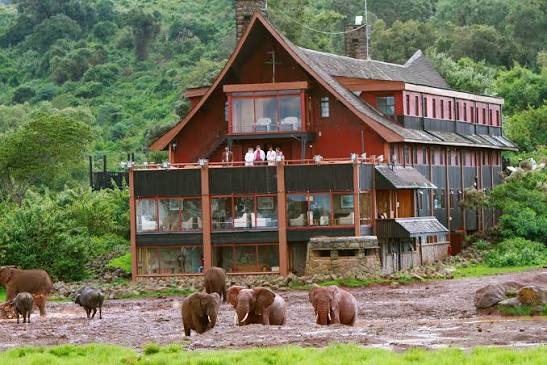
- The Ark, a triple-storey stilted lodge styled after Noah’s Ark, overlooks its own floodlit waterhole
- Both lodges offer round-the-clock wildlife viewing without needing to leave your room
- The park’s mist-shrouded forests are home to the rare mountain bongo and giant forest hog
- Aberdare’s high-altitude terrain delivers a genuinely different climate and landscape from Kenya’s savanna parks
Treetops: A Lodge With Genuine Royal History
Treetops Lodge holds a singular place in royal history: Princess Elizabeth was staying at the original treehouse, built around an ancient fig tree, on the night her father King George VI died, making her Queen Elizabeth II before she’d even climbed back down from the tree the next morning. This extraordinary historical footnote has made Treetops one of Africa’s most famous lodges, a distinction built on genuine historical significance rather than marketing alone.
The Modern Treetops Experience
Today’s Treetops offers 32 standard rooms and three suites, positioned to let guests watch elephant, buffalo and other forest wildlife emerge to drink at the watering hole below, a direct continuation of the same immersive wildlife-viewing concept that made the original lodge famous decades ago.
The Ark: Noah’s Ark in the Aberdare Forest
Built in the deliberate architectural style of Noah’s Ark, this triple-storey stilted lodge sits within thick Aberdare woodland, overlooking its own floodlit waterhole and salt lick specifically designed to draw wildlife into clear view throughout the day and night. The Ark’s 60 cabins give it meaningfully more capacity than Treetops, while maintaining the same core concept, elevated, stationary wildlife viewing rather than the moving game drives typical of Kenya’s more famous savanna parks.
What You Might See From The Ark
Elephant, rhino, leopard and bushbuck are regularly sighted from The Ark’s vantage point, with occasional, genuinely exciting appearances from the elusive mountain bongo and giant forest hog, species considerably harder to spot reliably anywhere else in Kenya.
A High-Altitude Landscape Unlike Kenya’s Savanna Parks
Aberdare National Park protects the slopes and moorland of the Aberdare mountain range, a genuinely different landscape from the open grassland dominating Kenya’s more famous southern circuit parks, mist-shrouded forest, dramatic waterfalls and high-altitude moorland replacing the flat savanna terrain most first-time Kenya visitors expect. This elevation brings genuinely cooler temperatures too, a welcome contrast for travellers who’ve spent days in the heat of lower-altitude parks elsewhere on their itinerary.
Waterfalls Worth Seeking Out
Beyond its wildlife and lodges, Aberdare’s forested terrain hides several genuinely striking waterfalls, adding a scenic dimension to the park beyond its headline wildlife-viewing concept, worth building into an itinerary for travellers with time to explore beyond the lodges themselves.
The Mountain Bongo: A Genuine Conservation Priority
Aberdare is one of the last strongholds for the critically endangered mountain bongo, a striking striped forest antelope found in only a handful of locations remaining anywhere in the wild. Spotting one is never guaranteed, but the possibility alone gives Aberdare genuine conservation significance beyond its more commonly sighted elephant and buffalo populations, a species considerably more endangered than most headline safari animals travellers are familiar with.
How the Waterhole Lodge Concept Actually Works
Unlike a standard safari lodge built primarily for sleeping between game drives, Treetops and The Ark are designed around the waterhole itself, floodlighting and positioning specifically calibrated to draw wildlife into clear view throughout the night, giving guests genuine round-the-clock viewing opportunities without needing to leave the building at all. This passive, stationary viewing style suits travellers seeking a restful, low-exertion wildlife experience, a meaningful contrast to the early starts and bumpy game drives typical elsewhere in Kenya.
A Unique Pace Compared to Standard Safari Lodges
Many visitors specifically value the chance to simply sit, watch and wait rather than actively searching for wildlife, a genuinely different rhythm that some travellers find more relaxing, and occasionally more rewarding, than a standard vehicle-based game drive.
Planning Your Visit
Getting There
Aberdare National Park sits within reasonable driving distance of Nairobi, making it a realistic addition to a broader Kenya itinerary without requiring extensive dedicated travel time, often combined with nearby Lake Naivasha or the wider Rift Valley circuit.
Best Time to Visit
Given the park’s higher elevation and consequent cooler, wetter climate compared to Kenya’s lowland savanna parks, packing for genuinely cooler temperatures and occasional rain matters more here than at a standard Kenya safari destination.
A Park With Two Distinct Zones
Aberdare National Park divides broadly into a lower forest zone, home to the waterhole lodges and most wildlife viewing, and an upper moorland zone reaching considerably higher altitude, a genuinely striking, almost alpine landscape distinct from anything else in the Aberdare range let alone the rest of Kenya’s safari circuit. Few visitors venture into the upper moorland given its more specialised appeal, but those who do encounter a landscape of tussock grassland and unusual high-altitude flora found almost nowhere else in East Africa at comparable elevation.
Why Most Visitors Stay in the Lower Forest Zone
The lower forest zone’s concentration of wildlife and its iconic waterhole lodges give it by far the stronger pull for most travellers, meaning the upper moorland remains a genuinely specialised detour suited to visitors with particular interest in high-altitude ecology rather than standard wildlife viewing.
Security and Historical Context
Aberdare’s dense forest terrain played a significant role in Kenya’s Mau Mau uprising during the 1950s, with the forest serving as cover for resistance fighters during that period of Kenyan colonial history. This historical layer adds genuine depth for visitors interested in Kenya’s path to independence, a dimension of the park’s history considerably less discussed than its more famous royal and wildlife associations but genuinely significant to understanding the region’s twentieth-century history.
A Landscape Shaped by Multiple Layers of History
Few Kenyan parks carry quite this combination of royal history, independence-era significance and ongoing wildlife conservation within a single relatively compact protected area, giving Aberdare a genuinely layered historical identity worth understanding alongside its wildlife-viewing appeal.
What to Pack for the Waterhole Lodges
Given both Treetops and The Ark’s focus on nighttime wildlife viewing, warm clothing matters considerably more than it might at a standard lowland safari lodge, Aberdare’s elevation brings genuinely chilly nights, and guests often spend extended periods near windows or viewing platforms watching the illuminated waterhole below. A camera capable of handling low-light conditions is worthwhile too, given that much of the most interesting activity at these specific lodges happens well after sunset under artificial floodlighting rather than natural daylight.
Practical Lodge Logistics
Both lodges typically operate on a transfer system, guests are driven up from a base lodge lower in elevation, stay overnight at the treehouse lodge itself, then return the following day, a structure worth understanding in advance since it differs from the simpler fly-in or drive-in arrangements typical of standard safari lodges elsewhere.
Is Aberdare Right for Your Kenya Itinerary?
Aberdare suits travellers specifically drawn to its unique waterhole-lodge concept and genuine historical significance, a worthwhile addition to a broader Kenya itinerary rather than a standalone destination for most first-time visitors prioritising classic savanna game viewing elsewhere. For travellers who’ve already experienced the Maasai Mara or Amboseli and want something genuinely different, a stationary, elevated wildlife-viewing experience paired with real royal and historical significance, Aberdare offers a distinctive change of pace well worth the detour.
Other Wildlife Across the Park
Beyond its headline elephant, rhino and leopard sightings at the waterhole lodges, Aberdare’s broader forest and moorland terrain supports a genuinely wide range of wildlife, colobus monkeys moving through the forest canopy, various duiker species, and a strong bird community adapted to the park’s varied high-altitude habitats. Standard game drives through the park’s accessible forest roads give visitors the chance to encounter this wider wildlife diversity beyond what’s visible from the lodges alone, rewarding travellers who build in time for active exploration alongside the passive waterhole viewing experience.
Frequently Asked Questions
Is Treetops the same lodge where Princess Elizabeth became Queen?
The modern Treetops Lodge is a successor built near the original site; the historical connection remains a central, genuine part of the lodge’s identity and appeal.
Do I need to go on game drives at Aberdare, or is waterhole viewing enough?
Both options exist; the waterhole lodges offer genuine passive viewing, while standard game drives through the park remain available for travellers wanting a more active wildlife-viewing approach.
Is Aberdare a good destination for seeing the mountain bongo?
It’s one of the species’ last remaining strongholds, though sightings are never guaranteed given how rare and elusive this critically endangered antelope is.
How does Aberdare’s climate differ from Kenya’s savanna parks?
Its high-altitude terrain brings noticeably cooler, often wetter conditions, requiring different packing than a standard lowland safari.
Can I combine Aberdare with other nearby Kenya destinations?
Yes, its proximity to Nairobi and the wider Rift Valley makes it a natural addition to a broader itinerary.
Recommended Safaris
Aberdare pairs naturally with a wider Nairobi and Rift Valley itinerary. Ready to experience Kenya’s famous waterhole lodges and high-altitude forest wildlife? Reach our team through our Book Now page and we’ll plan it around your dates.

No comment