
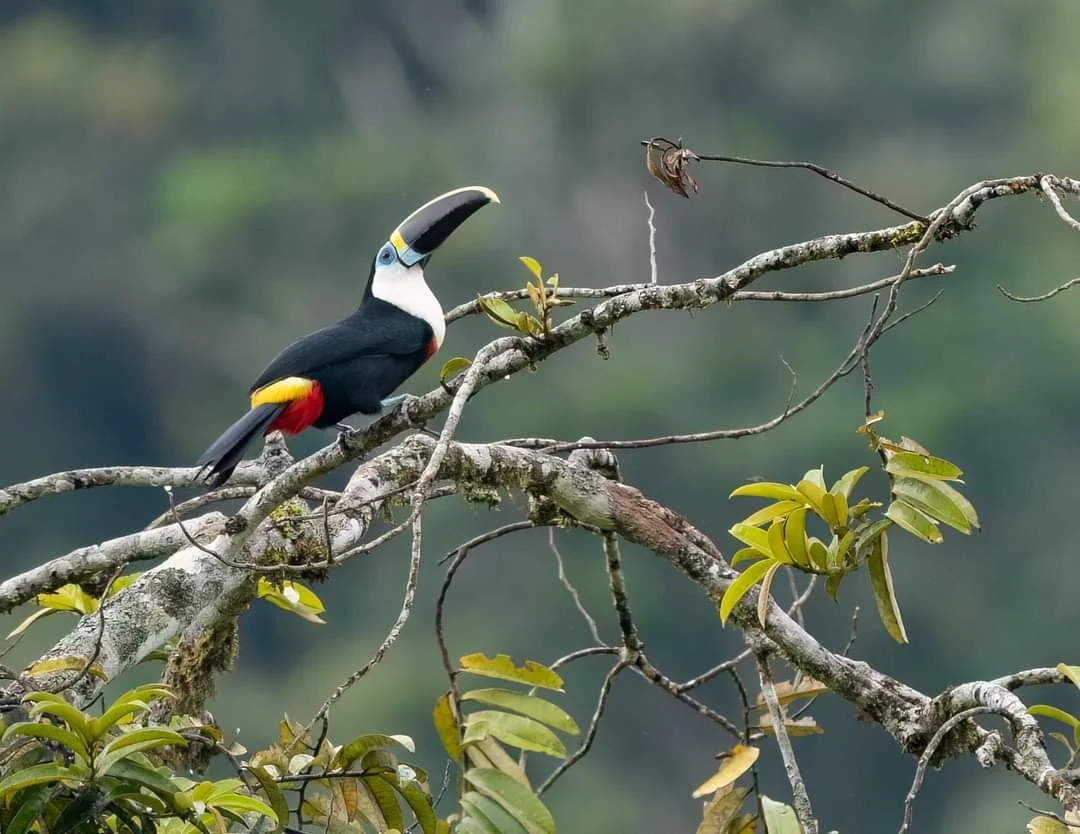
Community Birding Guides: Empowering Local Economies
Birding is a rewarding way to see East Africa’s landscapes. Across Uganda, Kenya, Tanzania and Rwanda forests, wetlands, savannas, lakes and mountains support bird species.. Every memorable birding experience depends on a network of people. Local guides, community members, conservation workers, drivers, accommodation providers and small businesses all help turn habitats into steady income. When local people gain directly from bird tourism protecting birds and their homes becomes a money choice as well as a conservation duty.
The Growing Value of Local Birding Experiences
Birding tourism differs from wildlife tourism because visitors often go to specific places looking for particular birds. They may walk for hours in a forest paddle a canoe in a wetland or listen closely for a bird hidden in plants. This gives chances for people who know their area and where birds eat, nest, rest and travel each season.
A community guide can transform a walk into a memorable experience. Someone who grew up near a wetland may hear a bird call from away before it is seen. A forest resident may know which trail often brings sightings of turacos, hornbills, sunbirds or forest specialists. That knowledge is value especially when it is combined with training in bird identification, conservation, communication, safety and responsible tourism.
Community Birding Guides: Empowering Local Economies begins with recognizing that this knowledge belongs within the tourism economy. Of bringing every service and decision from outside the destination tourism can give residents chances to earn directly from the natural resources around their communities.
Turning Local Knowledge Into Livelihoods
For rural communities jobs are limited. Agriculture, fishing, casual work and small trade may give needed income. Earnings can change because of weather, market and other problems. Birding offers another income source that can add to existing work.
A trained guide can earn money by leading walks organizing canoe trips helping with bird identification or supporting photography and research trips. The money then flows back into the community. Guides buy food use transport stay in nearby accommodation and buy supplies from local shops. Their earnings can support other businesses.
This creates an economic effect. A visitor who comes to see birds may pay a guide eat lunch at a community restaurant stay at a lodge hire a local driver and buy handmade goods. One birding trip can give money to households.
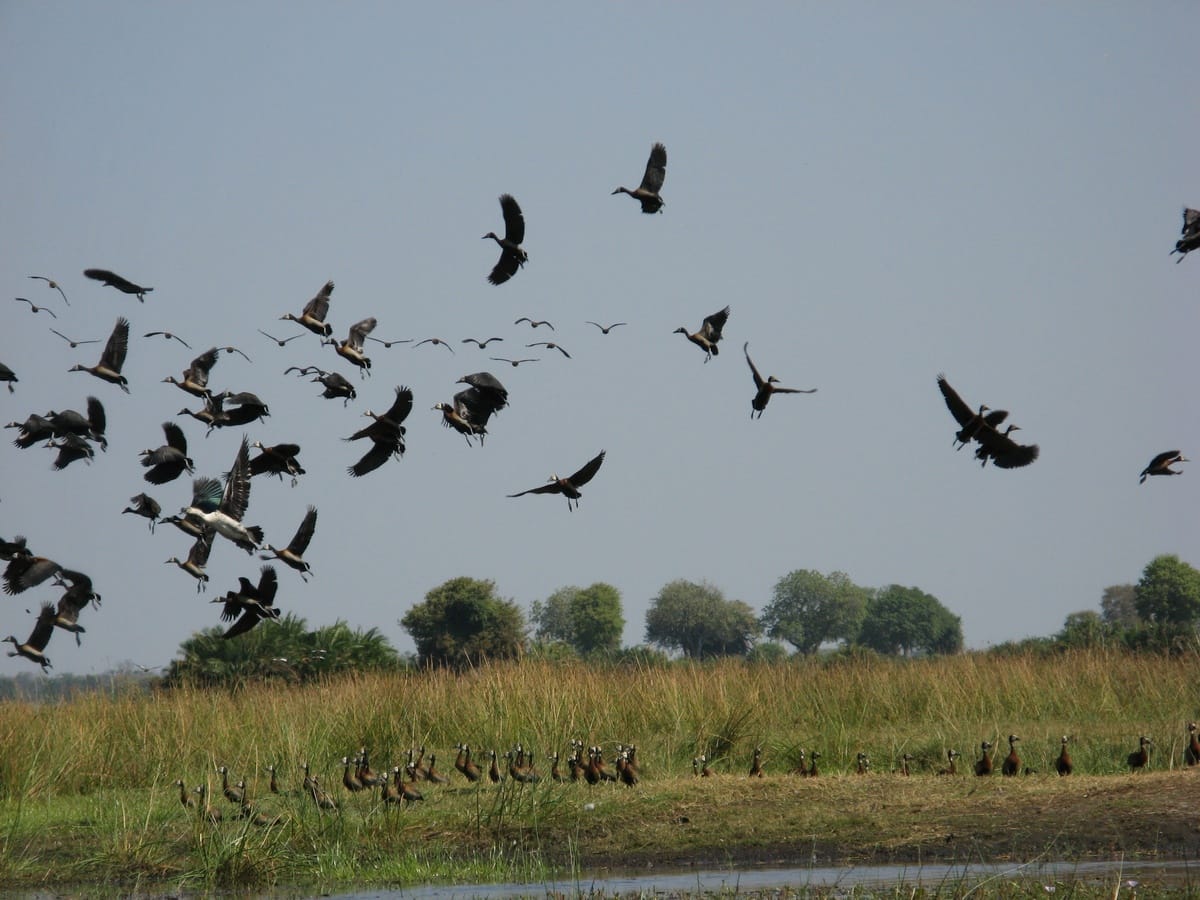
Building Skills and Confidence
Training is key, to making community-based bird tourism work. A person does not need to start as an expert ornithologist to become a guide. With training and field practice local residents can grow strong identification skills and learn to talk confidently with visitors.
Training can cover specialized bird species, habitat interpretation, bird calls, binocular use, basic photography help, first aid, visitor safety, environmental education and responsible guiding practices. Learning how to use field guides and mobile apps can also help guides keep improving. Community Birding Guides: Empowering Local Economies becomes more meaningful when training creates term professional opportunities. A young person who starts by helping an experienced guide may soon lead bird groups. Another may focus on guiding wetlands while someone else may learn conservation education or tourism management. This progress gives people a reason to value their local environment. Of thinking that success means leaving home they can see that knowledge of their home can become a career advantage.
Women and Youth in Bird Tourism
Community birding can also create opportunities for women and young people who have historically had chances to participate in tourism. Training programs can deliberately include them as guides, coordinators, cooks, accommodation providers, craft producers or conservation educators.
Women can play roles in community lodges, food services, cultural experiences and guiding. Young people often bring technology skills making them useful in digital marketing, photography, booking coordination and social media promotion.
When income reaches households tourism becomes more inclusive. Families can use earnings for school fees healthcare, housing improvements, food and small businesses. These benefits can make conservation feel connected to life rather than something imposed from outside.
Protecting Habitats Through Economic Incentives
Birds depend on habitats. Wetlands must retain water forests need protection grasslands require responsible management and agricultural areas benefit from practices that reduce damage. When these habitats disappear bird populations decline and tourism opportunities can disappear with them.
Local guides often become some of the voices for habitat protection because their income depends on the continued presence of wildlife. A guide who earns a living showing visitors rare forest birds has a reason to support forest conservation. A community living beside a wetland can see value in protecting the area when visitors generate income through birding activities.
This connection can encourage conservation measures. Communities may support tree planting, wetland restoration, responsible waste management, controlled access to nesting areas and reduced disturbance during breeding seasons. Guides can also teach visitors why they should remain on designated paths avoid playing bird calls keep a distance and never interfere with nests.
Conservation Starts With Local Ownership
Community Birding Guides: Empowering Local Economies is ultimately about giving residents a role in decisions concerning tourism and conservation. Local people should have opportunities to participate in planning, pricing, training, habitat management and the development of visitor experiences.
When communities have ownership conservation can become more sustainable. Residents are more likely to defend a wetland or forest when they understand how its survival contributes to their livelihoods. This does not mean tourism can solve every conservation challenge. It can provide one practical source of support.
The strongest projects also recognize that communities need compensation. Guides should receive wages local businesses should have access to tourism markets and tourism revenue should be transparent. Visitors increasingly want to know that their money supports conservation and local communities making business practices valuable to both residents and tourism operators.
Creating Better Experiences for Visitors
Hiring a guide can also improve the quality of a birding trip. Visitors often arrive with field guides and cameras. Lack detailed knowledge of the destination. A local expert can save time by understanding where different speciesre likely to appear.
Importantly local guides can provide context that cannot always be found in a field guide. They may explain how a wetland has changed over the years describe bird movements identify plants used by local families or share stories about the surrounding landscape.
This creates a personal experience. Of simply collecting bird sightings visitors gain a deeper understanding of the place they are exploring. They see the relationship between people, wildlife, culture and natural habitats.
How Travelers Can Support Local Birding Guides
Visitors can make choices before and during their trips. Ask whether your birding company works with guides and whether those guides receive fair payment. Consider booking community-owned accommodation when it’s available. Eat at owned restaurants purchase locally made products and use community-based services where appropriate.
You can also support guides by respecting their expertise. Give them time to identify birds ask questions and listen to their knowledge of the landscape. If you enjoy the experience recommend their services to travelers.
Responsible behavior in the field matters well. Keep noise avoid disturbing nesting birds follow local regulations and take your litter with you. A good birding experience should leave the habitat as undisturbed, as possible.
A Future Built Around Birds and People
East Africa has much potential for bird tourism run by local communities. From the wetlands and forests in Uganda to the Rift Valley in Kenya the different ecosystems in Tanzania and the mountain homes in Rwanda thousands of bird species give people a reason to explore lands beyond the famous wildlife spots.
The future of birding tourism should include the people who live next to these places. The knowledge, experience and hard work of these people can help visitors find birds while making sure money stays within communities.
Community Birding Guides: Empowering Local Economies shows how tourism can help both people and wildlife when local participation is a part of the trip. A birding guide is not just someone who points at a bird in the trees. A birding guide can also be a teacher, a protector of nature a storyteller of culture and a business owner.
When you choose guiding services your trip helps a big cycle of opportunity. Your money can help a guide support a family help a community protect a habitat and help a young person start a career to home. Every time you see a bird it feels more special because that sighting shows a link between protecting nature and supporting lives.
Choosing Birding With a Positive Local Impact
Community Birding Guides: Empowering Local Economies offers a way to travel more responsibly. It asks visitors to look past the birds they want to see and think about the people who make those moments happen.
The time you plan a birding trip through East Africa look for ways to work with trained local guides. Ask questions about how the community’s involved how the money helps conservation and where the tourism money actually goes. Your choices can help small businesses grow and help communities keep protecting the habitats that birds need to survive.
A great birding destination needs nature and communities that benefit from protecting that nature. When those two goals work together every walk on a forest trail every canoe ride in a wetland and every birding trip, in the country helps build a better future. The birds stay the part of the trip but the good things happen far beyond the binoculars.


No comment