
Camera Settings for Wildlife Photography in Lake Albert
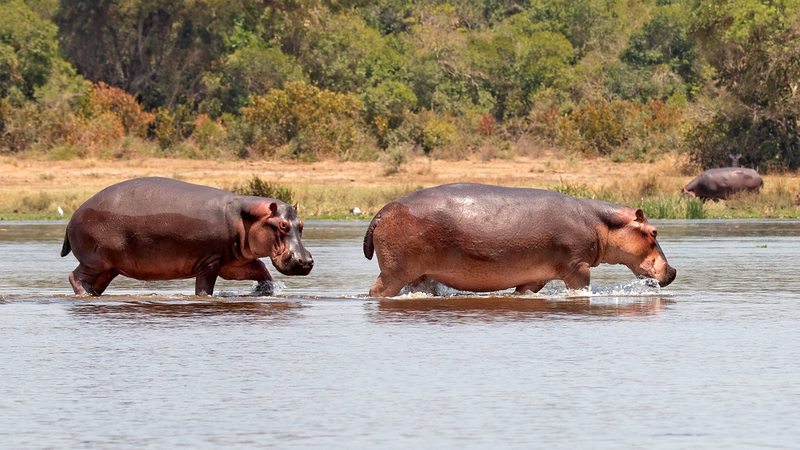
Lake Albert, forming part of the Uganda-DRC border within the Albertine Rift, offers photographers genuinely rewarding subjects including hippos, water birds, and shoreline wildlife, and understanding the right camera settings for this specific environment’s bright open water and variable light helps you come away with genuinely sharp, well-exposed images rather than frustrating missed shots.
Why Lake Albert’s Light Conditions Genuinely Differ From Forest Parks
Unlike Uganda’s dense forest parks, Lake Albert’s open water and shoreline setting produces genuinely bright, often harsh midday light alongside strong reflections off the water surface, meaning photographers should adjust their approach considerably compared to shooting in Bwindi or Kibale’s filtered forest canopy.
What Shutter Speed Settings Genuinely Work Best Here
For water birds and hippos, a shutter speed of at least 1/1000th of a second genuinely helps freeze sudden movement, particularly useful given how quickly birds take flight off the water surface and how unpredictably hippos can shift position, while slower-moving shoreline subjects allow somewhat more flexibility.
How to Set Aperture for Lake Albert’s Genuinely Bright Conditions
A mid-range aperture around f/8 genuinely balances sufficient depth of field with adequate light control in Lake Albert’s typically bright conditions, though photographers should open up toward f/4 or f/5.6 during earlier morning or later afternoon light when brightness naturally decreases.
Why ISO Should Generally Stay Low Given the Available Light
Given Lake Albert’s genuinely abundant daylight for much of the day, keeping ISO in the 100-400 range typically produces cleaner, sharper images than the higher ISO settings often necessary in darker forest environments, reserving higher ISO only for genuine low-light situations near dawn or dusk.
How to Manage Reflections and Glare Off the Water Surface
A polarizing filter genuinely helps manage Lake Albert’s water glare and reflections, cutting through surface haze to reveal clearer detail on partially submerged hippos and improving overall color saturation in your shoreline and water-based compositions.
What Lens Focal Length Genuinely Suits This Environment
A telephoto lens in the 300-600mm range genuinely serves Lake Albert photography well, given the safe distances required from hippos and the often considerable distance to water birds feeding along the shoreline, though a shorter lens still captures worthwhile wider landscape context shots.
How to Approach Metering Mode for Bright Water Scenes
Spot metering on your actual subject, rather than relying on the camera’s general evaluative metering across the whole bright water-dominated frame, genuinely helps avoid underexposed subjects against an overly bright water background.
What Time of Day Genuinely Produces the Best Light Here
Early morning and late afternoon golden hours genuinely transform Lake Albert’s harsh midday brightness into considerably warmer, more flattering light, making these windows the most rewarding times to prioritize your most important shots.
How to Photograph Hippos Safely While Still Getting Strong Shots
Hippos demand genuine caution and safe distance regardless of your photography ambitions, meaning a longer telephoto lens paired with a stable shooting position, ideally from a boat or designated viewing point, lets you capture strong images without compromising on safety.
What Continuous Shooting Mode Adds for Bird Photography
Switching to continuous high-speed burst mode genuinely improves your odds of capturing a bird’s precise takeoff moment or wing position, a technique particularly valuable given how quickly Lake Albert’s water birds move once startled.
How White Balance Should Adjust for Water-Dominated Scenes
Manually setting white balance rather than relying on full auto genuinely helps maintain accurate color consistency across a shoot dominated by bright water and sky, preventing the color shifts that can occur when your camera’s automatic system overcorrects for the scene’s brightness.
What Supporting Gear Genuinely Improves Your Results
A monopod or beanbag support genuinely helps stabilize longer telephoto lenses during extended shoreline or boat-based shooting sessions, reducing camera shake that becomes considerably more noticeable at telephoto focal lengths over extended periods.
How This Compares to Photography at Nearby Murchison Falls
Photographers combining Lake Albert with a broader Murchison Falls itinerary will find useful complementary context in the Lake Albert Delta in Murchison Falls National Park, covering how this specific water system connects to the park’s broader wildlife photography opportunities.
What Practical Trip Details Photographers Should Also Confirm
Beyond camera settings, photographers planning a Lake Albert trip should confirm practical details like payment options in advance, covered usefully in carrying cash or card while visiting Lake Albert, since remote shoreline areas often favor cash for local transactions.
How to Approach Composition Given the Lake’s Genuinely Vast Open Water
Rather than centering every subject against a featureless expanse of water, photographers should genuinely look for compositional elements like distant shoreline vegetation, mountain silhouettes across the DRC border, or reflected light patterns to add visual depth and context to otherwise open-water shots.
What Camera Body Settings Help With Fast-Moving Subjects
Enabling continuous autofocus tracking mode genuinely improves your ability to maintain focus on birds in flight or hippos shifting position suddenly, a setting worth confirming and testing before your trip rather than discovering the correct configuration mid-shoot.
How Boat-Based Shooting Genuinely Changes Your Settings Approach
Shooting from a boat introduces genuine additional movement and instability, making a faster minimum shutter speed and image stabilization, whether in-lens or in-body, considerably more important than when shooting from a stable shoreline position.
What Backup Gear Considerations Matter for Remote Shooting
Given Lake Albert’s genuinely remote location, photographers should carry backup batteries, memory cards, and a basic lens-cleaning kit, since charging opportunities and camera shops are considerably less accessible than in more developed tourist areas.
How to Handle Dust and Moisture Protection for Your Equipment
Lake Albert’s combination of dusty access roads and humid lakeside air genuinely demands basic equipment protection, including a simple rain cover and regular lens cleaning, to prevent the gradual equipment issues that dust and moisture exposure can cause over an extended shoot.
What Post-Processing Considerations Apply to Bright Water Shots
Images shot in Lake Albert’s bright conditions often benefit from moderate highlight recovery during editing, since even careful in-camera exposure can still clip bright water highlights that thoughtful post-processing can genuinely recover for a more balanced final image.
How Experienced Wildlife Photographers Approach This Specific Location
Photographers with prior Lake Albert experience consistently emphasize patience and positioning over chasing every visible subject, noting that waiting quietly near productive shoreline areas genuinely produces stronger, more considered images than constantly repositioning in pursuit of every sighting.
What Bird Species Photographers Should Specifically Watch For
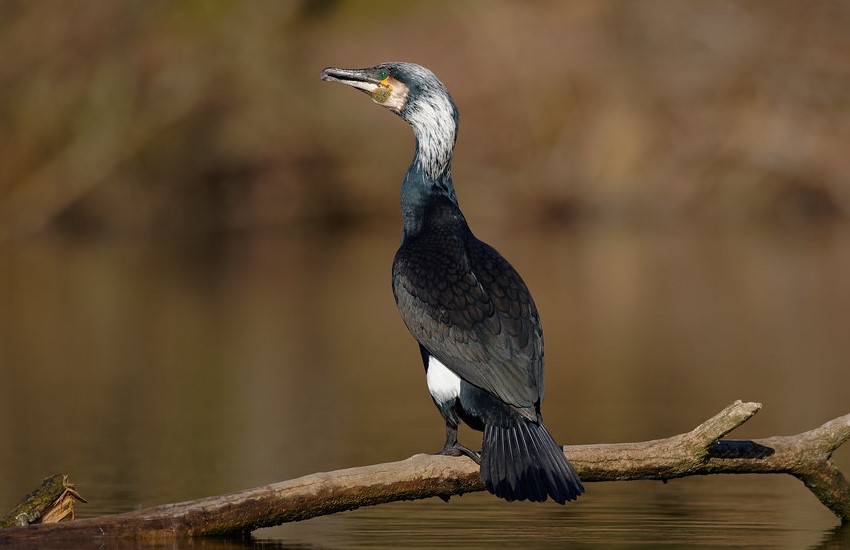
Lake Albert genuinely hosts fish eagles, kingfishers, and various heron species along its shoreline, each rewarding a slightly different approach, with fish eagles best captured mid-hunt using fast shutter speeds and herons often rewarding patient, still photography as they hunt methodically along the water’s edge.
How to Balance Multiple Camera Bodies or Lens Changes in the Field
Photographers carrying multiple lenses should genuinely minimize lens changes in dusty lakeside conditions, instead considering a second camera body pre-fitted with a different focal length to avoid exposing your sensor to Lake Albert’s genuinely dusty environment more than necessary.
What Makes Lake Albert Genuinely Distinct From Uganda’s Other Photography Destinations
Unlike more heavily visited photography destinations, Lake Albert’s genuinely lower visitor numbers often allow for quieter, less crowded shooting conditions, a distinct advantage for photographers prioritizing unhurried, considered compositions over rushed opportunistic shots.
How to Prepare Your Camera Settings the Night Before a Shoot
Reviewing and pre-setting your shutter speed, aperture, and ISO baseline the evening before an early shoot genuinely saves valuable minutes during Lake Albert’s fleeting golden-hour window, letting you start shooting immediately rather than fumbling with settings as the best light quickly passes.
What Realistic Expectations Photographers Should Set for This Trip
First-time Lake Albert photographers should approach the location with realistic expectations around variable wildlife activity and weather, understanding that even well-planned settings and positioning can’t guarantee every shot, a mindset that genuinely helps maintain patience across a multi-day shooting itinerary.
How Combining Technical Preparation With Patience Produces the Best Results
Ultimately, genuinely strong Lake Albert wildlife photography comes from combining correctly configured camera settings with the patience to wait for the right moment, a combination that consistently separates satisfying results from frustrating, rushed attempts at this genuinely rewarding but technically demanding location.
What Camera Bag and Field Organization Genuinely Helps
A well-organized camera bag with quick access to your most-used lenses and accessories genuinely reduces missed opportunities during Lake Albert’s often brief windows of peak wildlife activity, when fumbling for the right gear can mean losing a shot entirely.
How to Combine Photography Priorities With a Broader Itinerary
Travelers balancing serious photography ambitions with a broader Uganda itinerary should communicate their priorities clearly to their guide beforehand, ensuring adequate time is genuinely built into the schedule for patient, unhurried shooting rather than treating photography as an afterthought squeezed between other activities.
Planning Your Lake Albert Wildlife Photography Trip
Bringing the right camera settings and gear approach to Lake Albert’s genuinely distinct bright, open-water environment helps you capture considerably stronger images. All in Africa Safaris can help you plan a well-timed Lake Albert photography trip, or you can get in touch to plan the details of your trip.

No comment