
Should You Carry Cash or Card While Visiting Lake Albert?
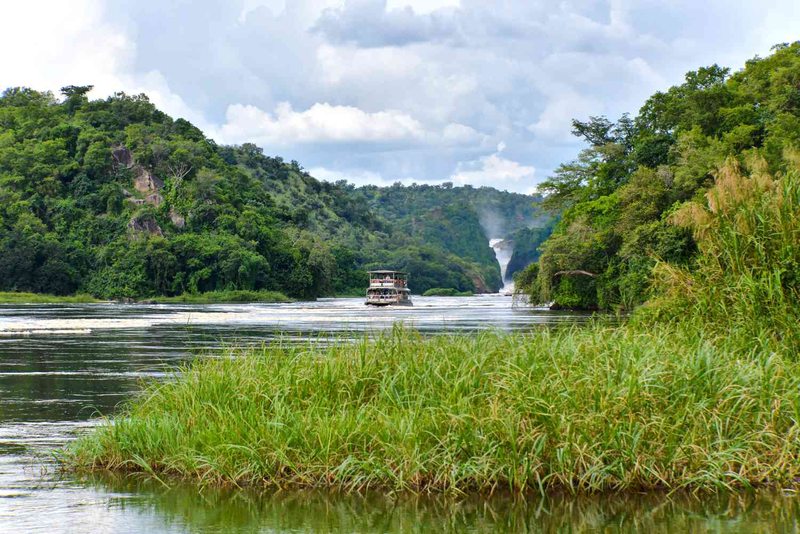
Lake Albert sits along the Albertine Rift on Uganda’s western border with the Democratic Republic of Congo, a remote and rewarding destination for travelers heading toward Murchison Falls National Park or exploring the oil-rich Bunyoro region. Because Lake Albert lies well outside Uganda’s main urban centers, payment logistics here work differently than they do in Kampala or Entebbe, and knowing what to carry before you arrive can save you real inconvenience once you’re on the ground.
The Short Answer: Bring Cash, Mostly
Cash is the dominant form of payment around Lake Albert, and travelers who arrive expecting widespread card acceptance are usually disappointed. Small guesthouses, local restaurants, boat operators, fishing communities like Wanseko and Butiaba, and roadside markets operate almost entirely on cash, and card machines are rare to nonexistent outside of a handful of larger lodges. Even where a lodge does advertise card payment, connectivity in this part of Uganda can be unreliable enough that transactions fail or take a long time to process, so cash remains the more dependable option.
Uganda Shillings vs US Dollars
For everyday purchases, meals, local transport, and small souvenirs, Uganda shillings are what you’ll actually spend, and having a stock of smaller shilling notes makes daily transactions far smoother than trying to break a large bill at a small market stall. US dollars remain useful for larger expenses such as park entrance fees, boat excursions, and higher-end lodge bills, though many businesses that accept dollars only take notes printed in 2013 or later, in good condition, without marks, tears, or stains, so check your bills carefully before you travel.
ATM Access Near Lake Albert
ATMs are scarce in the immediate Lake Albert area, with the nearest reliable machines typically found in larger towns like Hoima or Masindi rather than directly at the lakeshore. Travelers heading to Lake Albert as part of a Murchison Falls itinerary should plan to withdraw sufficient cash in Kampala, Entebbe, or another major town before heading toward the lake, since running short on cash once you’re in a remote fishing community is a genuinely difficult problem to solve quickly.
Mobile Money as a Local Alternative
Uganda has one of Africa’s most developed mobile money ecosystems, with MTN Mobile Money and Airtel Money widely used even in fairly remote communities around Lake Albert. While mobile money isn’t a practical option for most international travelers without a registered Ugandan SIM card, it’s worth knowing that this is how a large share of local commerce actually functions here, which partly explains why formal card infrastructure has developed more slowly than in destinations with heavier international tourist traffic.
How Lodges and Tour Operators Typically Handle Payment
Most travelers experience Lake Albert as part of a pre-booked safari itinerary, and reputable tour operators generally arrange park fees, lodge bookings, and major transport costs in advance through bank transfer or card payment processed before the trip begins. This means the cash you actually need on the ground is largely for incidentals: tips, drinks, souvenirs, optional activities booked locally, and small purchases at markets or from community members you meet along the way.
Tipping and Small Cash Needs
Tipping guides, boat captains, and support staff is customary throughout Uganda, and having a supply of smaller shilling notes set aside specifically for this purpose makes the process far less awkward than trying to break a large bill at the end of a boat trip or game drive. A general guideline for many travelers is to budget a modest daily tipping allowance in local currency, adjusted to the level of service and group size, though this remains a personal decision rather than a fixed rule.
Currency Exchange Before You Arrive
Exchanging money in Kampala or Entebbe before heading toward Lake Albert consistently offers better rates and more security than trying to exchange currency informally in a remote lakeside community, where formal bureaus simply don’t exist. Airport exchange counters tend to offer weaker rates than bank branches or licensed forex bureaus in the city center, so building in time to exchange money properly before you leave the capital is worth the small extra planning effort.
A Practical Packing Approach
Most experienced travelers to this region carry a mix: US dollars in good condition for larger prepaid expenses and park-related costs, a reasonable stock of Uganda shillings in smaller denominations for daily spending and tips, and a card kept mainly as a backup for city hotels in Kampala or Entebbe at the start or end of the trip. Relying on a card alone once you leave the major cities is a genuine risk, while carrying only cash without a backup card leaves you vulnerable if you need funds unexpectedly in an urban center.
Security Considerations for Carrying Cash
Carrying more cash than usual naturally raises security questions, and the standard precautions apply here as they would anywhere: split your cash across multiple secure locations rather than one wallet, use a money belt or hidden pouch for larger amounts, and avoid displaying large sums in public settings. Uganda’s tourism areas are generally safe for travelers exercising normal precautions, and the greater practical risk around Lake Albert is running out of usable cash rather than losing it to theft.
Combining Lake Albert With a Wider Uganda Itinerary
Since most travelers reach Lake Albert as an extension of a Murchison Falls National Park safari rather than a standalone destination, payment planning for the lake itself should really be considered part of planning for the broader northwestern Uganda circuit. Budgeting cash for the full loop, rather than treating Lake Albert as an isolated stop, prevents the common mistake of arriving with enough shillings for Kampala but not enough for several days in a more remote region.
What Lake Albert Itself Offers Travelers
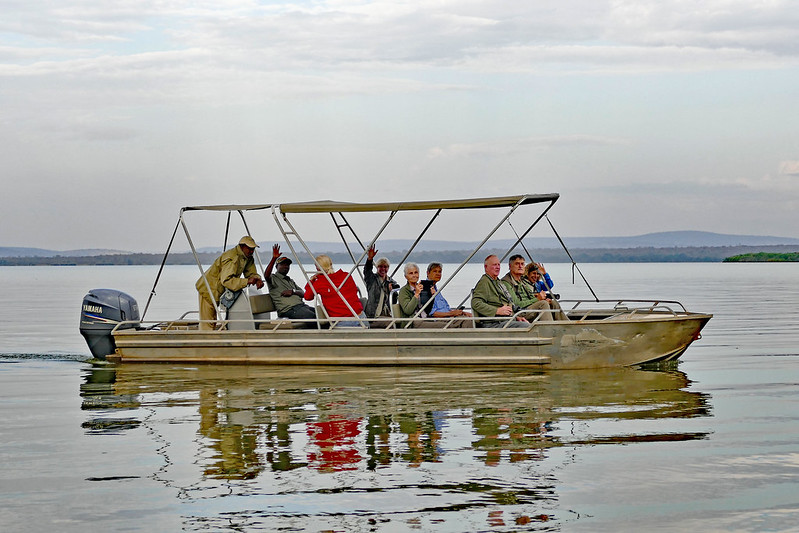
Lake Albert stretches roughly 160 kilometers along the floor of the Albertine Rift, forming part of the natural border between Uganda and the Democratic Republic of Congo, and its shoreline supports fishing communities whose livelihoods have depended on the lake’s waters for generations. Travelers reach the lake primarily as an extension of a Murchison Falls National Park safari, since the Nile itself flows into Lake Albert at Murchison’s western edge, and boat excursions on the lake occasionally form part of a broader itinerary through the region. The surrounding Bunyoro sub-region also carries growing significance as a center of Uganda’s developing oil industry, which has brought new infrastructure and, gradually, a wider range of services to towns like Hoima, though this development has not yet reached the smaller lakeside communities in the same way.
Card Payment Realities at Larger Lodges
Where card payment is available near Lake Albert, it tends to be limited to a small number of higher-end lodges catering specifically to international travelers, and even then, transaction fees are often added to cover the cost of processing in an area with limited banking infrastructure. Visa is more widely accepted than Mastercard at the lodges that do take cards, and American Express is rarely usable anywhere in this part of Uganda, so travelers should confirm card compatibility with their specific lodge well before arrival rather than assuming standard international acceptance.
Budgeting for a Multi-Day Stay
A useful practical exercise before departure is estimating your daily cash needs across the full length of your stay near Lake Albert and the wider Murchison Falls circuit, factoring in meals not included in your safari package, drinks, tips, optional activities, and souvenirs, then adding a reasonable buffer on top. Underestimating this figure is a far more common mistake than overestimating it, since unplanned extras, from an additional boat excursion to a souvenir that catches your eye at a roadside stall, tend to add up more than travelers expect during a multi-day stay in a remote region.
What to Do if You Run Short on Cash
If you do find yourself short on cash near Lake Albert, your best options are typically asking your lodge or tour operator whether they can advance funds against a card payment processed later, or arranging for money to be sent via mobile money to a local contact if you have one, since neither formal exchange nor reliable ATM withdrawal is realistically available on short notice in this remote region. This is precisely why experienced Uganda travelers treat cash planning as a genuine pre-trip task rather than something to sort out on arrival, particularly for any leg of a journey heading toward Lake Albert, Murchison Falls, or similarly remote parts of the country.
A Final Word on Preparation
The overarching lesson for Lake Albert is simple: treat this as a genuinely remote destination when it comes to money, not an extension of Kampala’s relatively developed payment infrastructure, and plan accordingly well before you set out. Travelers who arrive prepared with the right mix of currency spend their time actually enjoying the lake, the surrounding wildlife, and the local communities rather than worrying about how they’ll pay for their next meal or boat trip.
Planning Your Lake Albert Visit
Cash remains king around Lake Albert, and travelers who plan their currency needs before leaving Kampala or Entebbe avoid the most common frustration in this part of Uganda. All in Africa Safaris can help you plan a Lake Albert and Murchison Falls itinerary with clear guidance on cash, currency, and local costs, or you can get in touch to work out the details ahead of your trip.

No comment