Safari photography in Kenya offers an unparalleled opportunity to capture the beauty of Africa’s wildlife and landscapes. Whether you’re a novice photographer or an experienced enthusiast, Kenya’s diverse ecosystems and abundant wildlife present endless possibilities for stunning photographs. Here’s how you can make the most of your safari photography experience.
Choose the Right Equipment
Before embarking on your safari, ensure you have the right gear.
Camera, A DSLR or mirrorless camera with a telephoto lens (70-200mm or longer) is ideal for capturing wildlife from a distance.
Lenses, Pack a variety of lenses for different types of shots, including wide-angle for landscapes and macro for details.
Accessories, Bring extra batteries, memory cards, lens cleaning kits, and a sturdy tripod for stability.
Master the Basics of Wildlife Photography
Understanding the fundamentals of wildlife photography is crucial.
Patience and observation. Wildlife can be unpredictable, so take time to observe animal behavior and anticipate moments.
Composition, Use the rule of thirds, leading lines, and framing to create visually appealing compositions.
Lighting, Early morning and late afternoon offer the best natural light (golden hour) for soft, warm tones and long shadows.
Plan Your Safari Itinerary
Choose destinations and seasons that optimize photographic opportunities.
Visit Kenya’s iconic safari destinations like Maasai Mara, Amboseli, and Tsavo, which are renowned for their wildlife density and picturesque landscapes.
Visiting during the Great Wildebeest Migration, which takes place from July to October. You will experience dramatic river crossings and predator-prey interactions.
During the off-season, you won’t encounter crowds during your safari, thus having unique wildlife behaviors.
 Capture Authentic Moments
Focus on telling a story through your photographs.
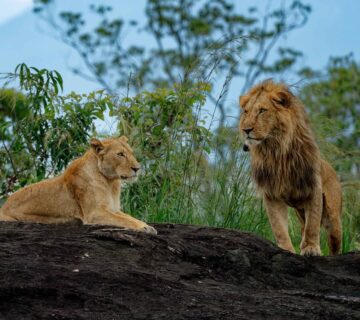
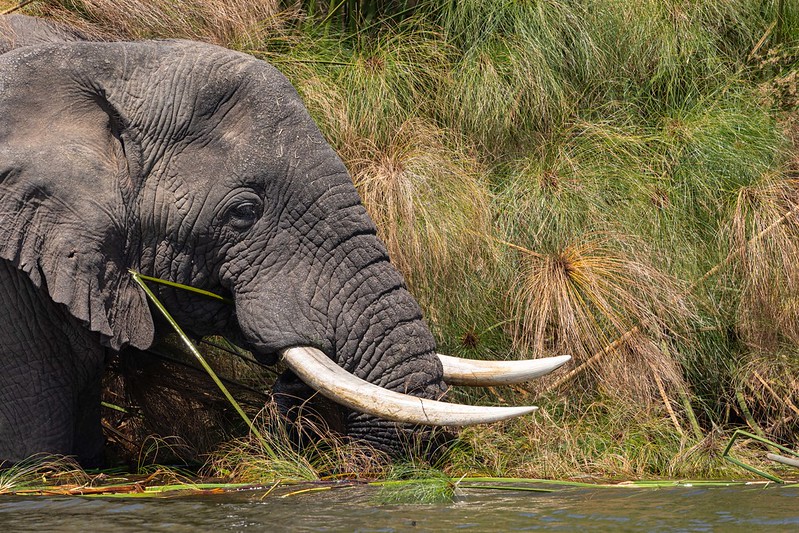
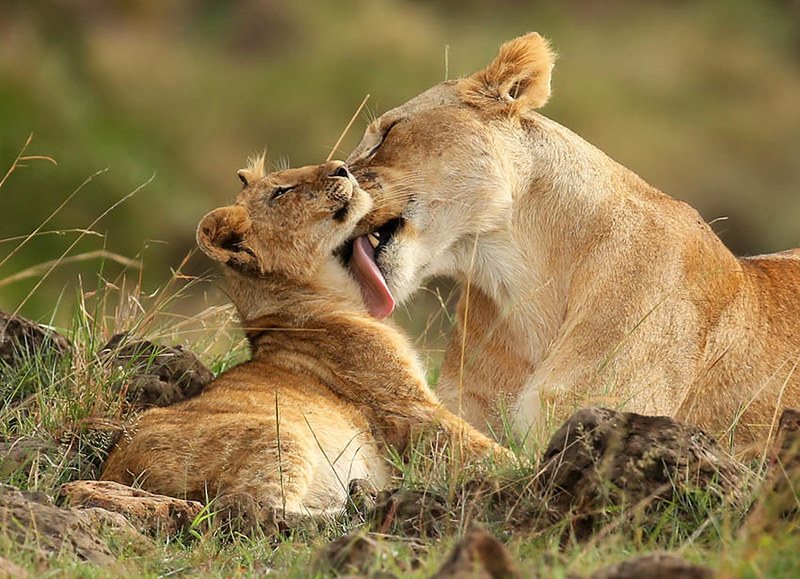
Behavior Shots, Capture interactions between animals, such as a lioness teaching her cubs to hunt or elephants bathing.
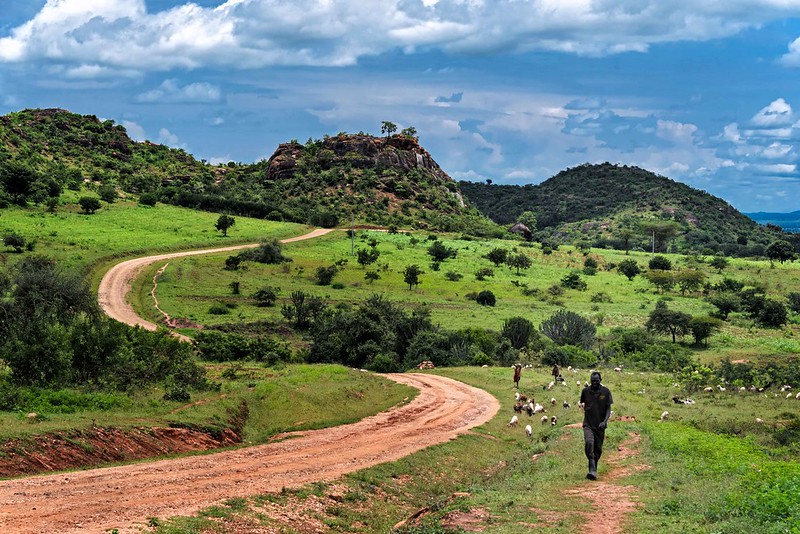
Environmental Portraits, Frame animals within their natural habitat to showcase their relationship with the landscape.
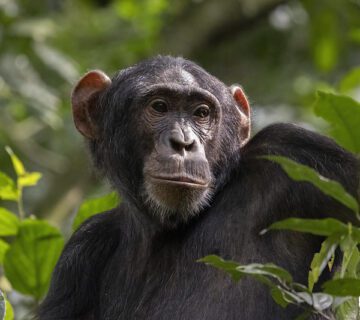
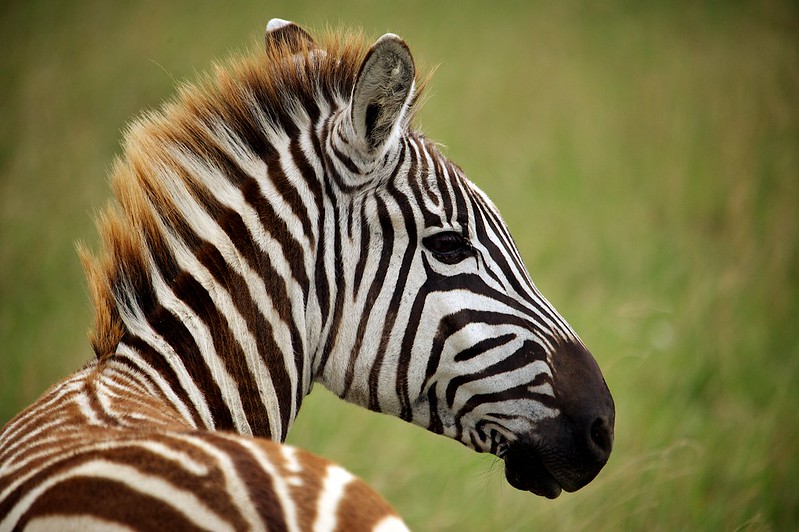
Close-Ups, Use a telephoto lens to capture details like the texture of an animal’s fur or the intensity in its eyes.
Respect Wildlife and Environment
Practice responsible photography and ethical behavior, Keep a Safe Distance Respect wildlife’s space and avoid disrupting natural behaviors for the sake of a photograph.
Leave No Trace Minimize your impact by following park regulations and disposing of waste properly.
Support Conservation Choose lodges and tour operators that prioritize conservation efforts and sustainable tourism practices.
Safari photography in Kenya is a rewarding adventure that requires preparation, patience, and respect for wildlife. By choosing the right equipment, mastering photography techniques, planning your itinerary strategically, capturing authentic moments, and practicing ethical behavior, you can create stunning images that not only document your safari experience but also convey the beauty and diversity of Kenya’s wildlife and landscapes.
Whether you’re capturing the majesty of a lioness on the hunt or the tranquility of a herd of elephants against the backdrop of Mount Kilimanjaro, Kenya offers endless opportunities for unforgettable safari photography. Embrace the thrill of the chase, immerse yourself in nature, and let your photographs tell the story of your safari adventure in this remarkable corner of the world.
Book your Kenya wildlife photography safari now.
What Beginner Photographers Should Prioritize
First-time safari photographers benefit more from mastering basic composition and timing than from chasing every advanced camera feature, since even simple, well-composed shots taken in good light consistently outperform technically complex ones taken carelessly.
Camera Settings Worth Understanding Before You Go
Shooting in shutter priority or manual mode with a fast shutter speed, at least 1/1000s for moving animals, helps freeze action during a hunt or a bird taking flight, while a wider aperture blurs distracting backgrounds and draws focus to your subject. Practicing these settings at home before your trip means you won’t be fumbling with camera controls during a fleeting once-in-a-trip moment.
Smartphone Photography as a Genuine Alternative
Modern smartphone cameras, particularly those with strong zoom capabilities, can capture genuinely compelling wildlife images for travelers not wanting to invest in dedicated camera gear, though they remain limited compared to a proper telephoto lens for distant or fast-moving subjects.
Why a Bean Bag Beats a Tripod on Game Drives
Given that most safari photography happens from a moving vehicle, a bean bag rested on the vehicle’s window frame or roof often provides more practical stability than a traditional tripod, which can be awkward to set up and reposition quickly as wildlife moves. Many experienced safari photographers consider a good bean bag one of their most valuable pieces of kit.
Practicing Before Your Trip
Spending time with your camera before departure, learning its autofocus modes and burst settings on local birds or moving subjects, pays off considerably once you’re actually on safari with limited time and unpredictable wildlife behavior.
Choosing Between a Shared and Private Vehicle for Photography
Serious photographers benefit considerably from a private vehicle, since it allows full control over positioning and timing without needing to accommodate other passengers’ preferences, while a shared vehicle still delivers strong results for casual photographers. All in Africa Safaris can arrange a private vehicle specifically for photography-focused travelers.
Sharing Your Work Responsibly
When sharing safari images publicly, adding accurate location and species information helps educate viewers while avoiding overly precise coordinates for sensitive or endangered species locations, a small but meaningful courtesy toward ongoing conservation efforts.
Post-Processing Your Safari Images
Basic editing, adjusting exposure, cropping for composition, and enhancing color balance, can meaningfully elevate images captured in the field, though the goal should be refining an already strong shot rather than fixing fundamental composition or focus problems after the fact. Shooting in RAW format rather than JPEG gives you considerably more flexibility during this editing stage.
Weather and Dust Protection for Your Gear
Kenya’s dry-season dust and occasional rain showers both pose genuine risks to camera equipment, making a rain cover and a simple dust-resistant camera bag worthwhile additions to your kit regardless of season. Changing lenses inside the vehicle rather than in the open air also helps minimize dust exposure to your camera’s sensor.
Combining Photography With Other Kenya Highlights
A photography-focused Kenya safari pairs naturally with cultural visits to Maasai communities, a hot air balloon flight over the Mara, or a Nairobi city stop, giving photographers a broader range of subjects beyond wildlife alone. All in Africa Safaris can build these additional stops into a photography-focused itinerary.
Which Kenya Destination Suits Which Kind of Shot
The Maasai Mara’s open plains favor dramatic action shots and predator sightings, Amboseli’s flat terrain against Kilimanjaro’s backdrop rewards environmental portraits of elephants, and Tsavo’s red-dust landscape offers a genuinely distinctive color palette compared to the greener Mara. All in Africa Safaris can recommend which destinations best match the specific style of images you’re hoping to capture.
Golden Hour Planning Across a Multi-Park Itinerary
Since the best light occurs briefly at sunrise and sunset, structuring your daily game drive schedule around these windows, rather than treating them as incidental, meaningfully increases your odds of capturing genuinely striking images throughout a multi-day photography safari. Discussing this priority with your guide in advance helps ensure your itinerary is built with photography timing in mind from the outset.
Photographing the Great Migration Specifically
River crossings during the Great Migration present a uniquely demanding photography challenge, fast-moving chaos, unpredictable timing, and often crowded viewing conditions, making a fast continuous-shooting mode and pre-set exposure values particularly valuable during this specific event. All in Africa Safaris can position you at crossing points with strong visibility and manageable crowd density.
Working With Your Guide as a Photography Partner
An experienced guide who understands photography, not just wildlife tracking, can position the vehicle with lighting and composition in mind, anticipate animal movement before it happens, and communicate quietly to avoid disturbing a developing shot. Communicating your specific photography goals with your guide at the start of each game drive helps them work as a genuine creative partner rather than simply a driver.
Backing Up Images While on Safari
Bringing a portable hard drive or sufficient memory card capacity to back up images daily protects against the genuine risk of card failure or loss during a multi-day safari, particularly given how irreplaceable certain wildlife moments can be. Many photographers also shoot with two cards simultaneously in cameras that support it, creating an instant backup with every shutter press.
A Trip Built Around a Different Kind of Patience
Photography-focused travel rewards a slower, more deliberate pace than a typical wildlife checklist safari, waiting for the right light, the right moment, the right composition, rather than simply moving on to the next sighting.
Planning Your Kenya Photography Safari
From the right equipment and camera settings to the best destinations and seasonal timing, a genuinely successful safari photography trip comes together through careful planning well before you ever raise the camera. All in Africa Safaris can turn this overview into a fully confirmed Kenya photography safari itinerary tailored to your travel dates and interests, ready to help you bring home images worth framing.
A Final Tip Before You Go
Reviewing your camera’s full manual once more the week before departure, rather than relying on memory from months earlier, ensures you’re genuinely ready to capture every fleeting moment your Kenya safari offers.
Error: Contact form not found.
This guide should help you get started on capturing stunning photographs while on a safari in Kenya